
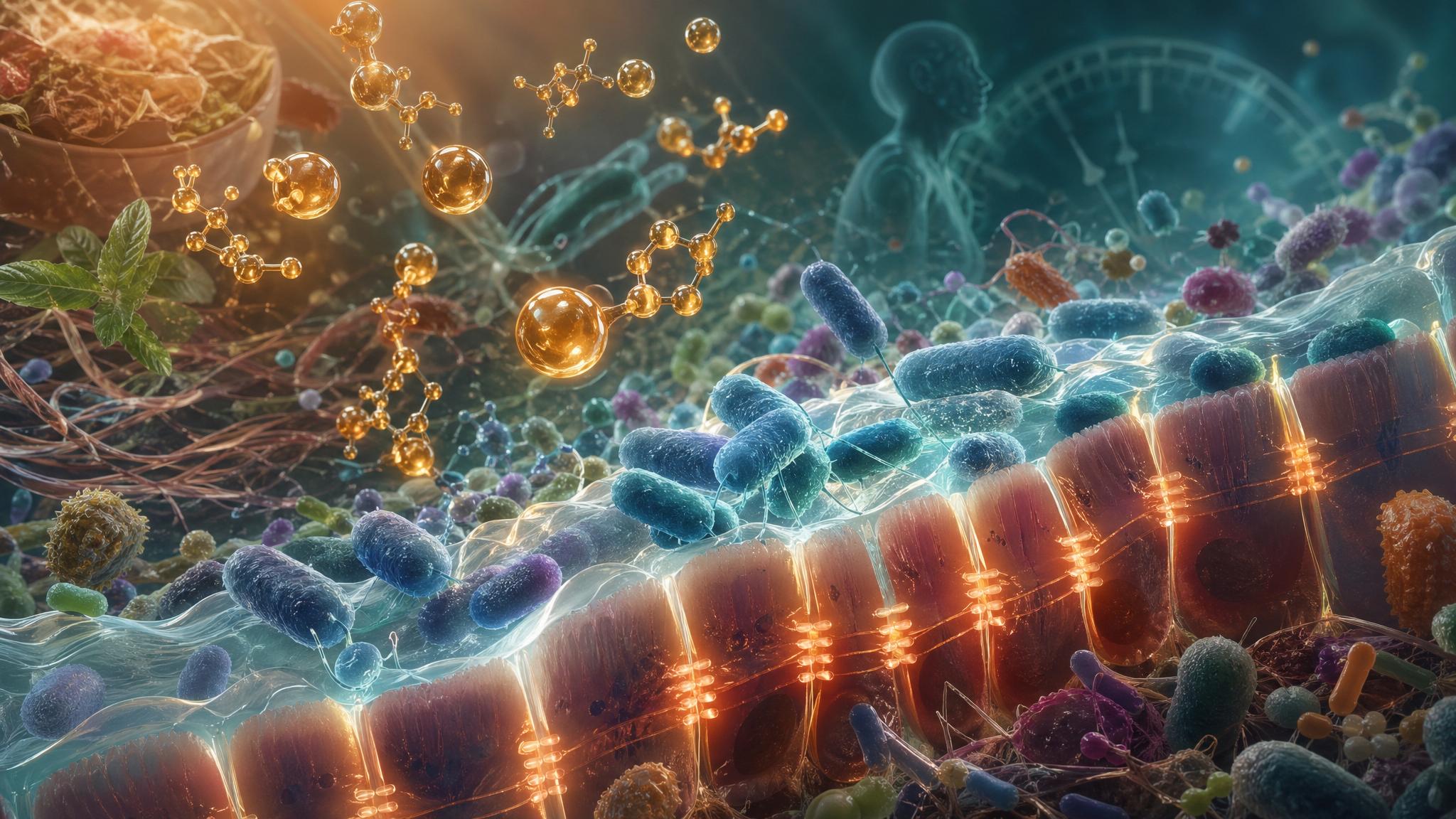
The Centenarian Gut: How Bile Acids, Akkermansia, and Microbial Diversity Are Rewriting Longevity Science in 2026
In the basement of Keio University School of Medicine in Tokyo, a team of microbiologists spent years trying to answer a question that sounds almost too simple to be scientific: what is different about the guts of people who live past 100? The answer, published in Nature in 2021 and extended by a wave of 2025 and 2026 follow-up research, has become one of the most productive threads in longevity science. Centenarians carry a microbial signature that produces rare secondary bile acids, and those molecules appear to protect the intestinal barrier from the very pathogens and inflammation that accelerate aging in everyone else.
Presented By Our Partners



The gut microbiome sits at the intersection of three of the most important longevity pillars: immune regulation, metabolic health, and the neuroendocrine signaling that links digestion to cognition. It is also the most modifiable. You can change the composition of your gut in weeks through diet, exercise, and targeted interventions. In 2026, a new generation of randomized trials involving Akkermansia muciniphila, fecal microbiota transplantation, and bile acid therapeutics is moving the microbiome from interesting biology to clinical medicine.
This is a deep look at what the science actually says about the gut and longevity, drawn from peer reviewed studies published through early 2026.
The Centenarian Signature: IsoalloLCA and the Bile Acid Revolution
The landmark study that reframed the field came from the collaborative group led by Professor Kenya Honda of Keio University and the Laboratory for Gut Homeostasis at the RIKEN Center for Integrative Medical Sciences, working with Damian Plichta and Ramnik Xavier at the Broad Institute of MIT and Harvard. The team analyzed stool samples from 160 Japanese centenarians with an average age of 107 and compared them to elderly and younger controls.
What they found surprised everyone. Centenarians carried elevated levels of a previously uncharacterized bile acid called isoallo-lithocholic acid, or isoalloLCA, along with other rare lithocholic acid isoforms including iso, 3-oxo, allo, and 3-oxoallo LCA. These molecules are not produced by the human liver. They are synthesized by specific gut bacteria from primary bile acids that the body secretes into the intestine after meals.
By screening 68 bacterial isolates from the fecal microbiota of a single centenarian, the team identified members of the Odoribacteraceae family as the first known producers of isoalloLCA both in laboratory culture and in living hosts. IsoalloLCA turned out to have potent antimicrobial activity against Gram positive multidrug resistant pathogens, including Clostridioides difficile and Enterococcus faecium, two of the most dangerous bacteria in long term care settings.
The implication was profound. Centenarians are not simply people who avoided disease. Their gut microbiomes actively produce a class of antimicrobial molecules that defend the intestinal wall against the pathobionts most likely to trigger inflammaging, the chronic low grade inflammation that drives cardiovascular disease, frailty, and cognitive decline. A 2026 review published in Frontiers in Aging further confirmed the connection, showing that disruption of bile acid pools is tightly associated with intestinal barrier dysfunction and the systemic inflammatory signatures of aging.
The discovery opened a new therapeutic axis. Several biotech companies are now working to identify, cultivate, and formulate Odoribacteraceae strains and to synthesize isoalloLCA as a direct supplement. The field is asking whether the centenarian advantage can be bottled.
Akkermansia Muciniphila: From Belgian Lab to Pharmacy Shelf
While Kenya Honda was tracing bile acids in Japanese centenarians, another lab on the other side of the world was quietly building what may become the first microbiome based cardiometabolic drug. Professor Patrice Cani at the Louvain Drug Research Institute of UCLouvain, working with Willem de Vos of Wageningen University, has spent nearly two decades on a single bacterium: Akkermansia muciniphila.
Akkermansia lives in the mucus layer of the intestine, where it breaks down mucin, stimulates mucus renewal, and strengthens the gut barrier. Low levels of Akkermansia are associated with obesity, type 2 diabetes, insulin resistance, inflammatory bowel disease, and cardiovascular risk. The bacterium turned out to be even more therapeutically useful after being pasteurized. The heat killed cells lost the ability to colonize but retained a surface protein called Amuc_1100 that appears to drive most of the beneficial signaling.
In 2019, Cani published the first human proof of concept trial in Nature Medicine. Forty overweight and obese insulin resistant volunteers were randomized to placebo, live Akkermansia, or pasteurized Akkermansia for three months. The pasteurized group showed significantly improved insulin sensitivity, lower total cholesterol, reduced markers of liver stress, and a small decrease in body weight. The live group trended in the same direction but did not reach statistical significance. The study was small, but it established that a next generation probiotic could meaningfully move cardiometabolic markers in a controlled trial.
By 2026, the evidence base has expanded substantially. Two findings stand out. First, a Phase 2 randomized trial in drug naive type 2 diabetes showed that live Akkermansia muciniphila, marketed as AKK-WST01, produced significant reductions in body weight, fat mass, and HbA1c, but only in participants whose baseline Akkermansia abundance was low. Patients who already had plenty of the bacterium did not benefit. Second, a 2026 trial involving 130 overweight participants randomized to placebo, viable Akkermansia muciniphila PROBIO, or a postbiotic preparation of the same strain showed that both live and killed formulations produced significantly greater weight reduction than placebo over eight weeks, confirming that much of the benefit survives pasteurization.
Featured Partner
Invest in the Infrastructure Behind Modern Medicine
As healthcare expands beyond hospital walls, the buildings and campuses supporting that shift are generating compelling returns for investors who move early. The Healthcare Real Estate Fund offers qualified investors direct access to a curated portfolio of medical office, outpatient, and specialty care facilities.
Learn More →
The therapeutic picture emerging from these trials is more subtle than early enthusiasm suggested. Akkermansia is not a universal weight loss supplement. It is a targeted intervention for people whose microbiomes are depleted of it, and baseline microbiome profiling is becoming essential for predicting response. That kind of precision is exactly what was missing from the first generation of probiotic research, and it is now driving the design of the next wave of trials.
Short Chain Fatty Acids and the Inflammaging Brake
Behind the specific species stories is a broader metabolic narrative. When gut bacteria ferment dietary fiber, they produce short chain fatty acids, primarily acetate, propionate, and butyrate. These molecules do not stay in the gut. They circulate throughout the body, binding G protein coupled receptors on immune cells, inhibiting histone deacetylase enzymes, and reshaping gene expression in tissues as distant as the brain and the heart.
A systematic review and meta analysis updated in 2025 made the age related pattern unambiguous. Older adults have significantly lower fecal concentrations of acetate, propionate, butyrate, and total short chain fatty acids compared with younger adults, and the decline tracks with loss of microbial diversity and reduced fiber intake. The same 2025 Frontiers in Immunology synthesis showed that short chain fatty acids are among the most potent endogenous regulators of metabolic syndrome related inflammation, acting on both innate and adaptive immune cells.
Butyrate has drawn particular attention. In aged rodent models of ischemic stroke, sodium butyrate suppressed pro inflammatory cytokines, reduced infarct size, and improved neurological recovery. Translational studies are now examining whether dietary strategies that raise butyrate, including resistant starch, inulin, and fermented foods, can measurably lower inflammatory markers like C reactive protein and interleukin 6 in older adults. The signals are small but consistent.
The short chain fatty acid story explains why fiber intake keeps showing up in nearly every longevity cohort. The foods do not have to be exotic. Beans, lentils, oats, barley, onions, garlic, bananas, and whole grains are sufficient to feed the bacteria that produce the protective metabolites. What matters is variety and consistency.
The ARMOR Trial: Borrowing a Younger Microbiome
If the centenarian and Akkermansia stories describe what a healthy aging gut looks like, the next frontier is whether an older person can simply be given one. Fecal microbiota transplantation, or FMT, has transformed treatment of recurrent Clostridioides difficile infection, where success rates above 90 percent dwarf anything antibiotics can achieve. The question for 2026 is whether the same principle works for aging itself.
The answer is being pursued most rigorously in the ARMOR study, a randomized, double blind, placebo controlled trial evaluating oral fecal microbiota transplantation from young, physically active donors to older adults. The protocol, published in BMC Geriatrics in late 2025, describes a careful design that screens donors for metabolic health, fitness level, and microbial diversity, and measures outcomes including frailty scores, inflammatory markers, grip strength, gait speed, and patient reported resilience.
The biological rationale is strong. In mouse models, transplanting gut contents from young animals into old ones consistently improves metabolic markers, reduces neuroinflammation, and extends healthspan, while the reverse transfer accelerates aging phenotypes. A 2026 preclinical study published in Aging and Disease showed that transferring microbiota from young trained mice improved muscle function and cognitive performance in aged recipients. Whether these effects translate to humans is exactly what ARMOR is designed to determine.
Readers should keep the caveats in view. FMT is still a medical procedure, not a consumer intervention. It carries real risks, including transfer of antibiotic resistant organisms and uncharacterized pathogens. Regulators have been appropriately cautious, and the field is still early. But the combination of rigorous donor selection, rising interest from academic medical centers like UCSF and the University of California system, and the first randomized trials in aging suggest that within five years the microbiome may join GLP 1 agonists and senolytics as an active area of longevity medicine.
Unique Is Healthy: The Aging Microbiome Is Supposed to Diverge
One counterintuitive finding from recent microbiome aging research deserves emphasis. Using stool data from more than 9,000 participants, a study group led by the Institute for Systems Biology and collaborators showed that the gut microbiomes of healthy aging adults become increasingly unique over time, diverging from the typical adult composition. That individuality is not decay. It correlates with lower inflammatory markers, better metabolic health, and extended healthspan.
The direction of divergence matters. In healthy agers, the microbiome shifts toward communities enriched in beneficial secondary metabolites and away from Bacteroides dominance. In unhealthy agers, the microbiome becomes less distinctive and more dysbiotic, with lower diversity and more pro inflammatory taxa. The pattern suggests that the same advice cannot work for everyone. Personalized microbiome interventions, guided by sequencing and metabolomic profiling, are likely to outperform generic probiotics over the next decade.
What This Means For You
None of this research argues for exotic supplements, expensive stool tests, or experimental procedures for most people. The dominant signal across every line of evidence is that the gut microbiome responds to daily inputs, and the inputs that produce the centenarian like signature are mostly well understood.
Eat a variety of fiber. The practical target most longevity researchers converge on is 30 plus distinct plant foods per week, with an emphasis on legumes, whole grains, vegetables, nuts, seeds, and fruit. Diversity of plant foods correlates more strongly with microbial diversity than total fiber intake alone.
Include fermented foods regularly. A Stanford study led by Justin Sonnenburg and Christopher Gardner showed that six servings per day of fermented foods, including yogurt, kefir, kimchi, sauerkraut, and kombucha, increased microbiome diversity and decreased 19 inflammatory proteins, including interleukin 6, over 10 weeks. Fermented foods outperformed a high fiber diet on inflammation reduction in that trial.
Protect your bile acid axis. Regular bowel habits, adequate bile flow through fat in the diet, and avoiding unnecessary antibiotics all help preserve the bacterial populations that metabolize primary bile acids into the protective secondary forms observed in centenarians.
Exercise. Physical activity is one of the strongest independent predictors of microbial diversity and short chain fatty acid production, likely through gut motility, cardiovascular perfusion, and immune modulation. The ARMOR trial explicitly selects physically active donors because fitness appears to be a marker of microbiome quality.
Consider targeted supplementation under guidance. Pasteurized Akkermansia muciniphila is now available as a regulated food supplement in some markets. The clinical trial evidence is strongest in people with insulin resistance, metabolic syndrome, or low baseline Akkermansia, and weakest in healthy individuals who may see little benefit. Specific probiotic strains with randomized trial evidence, such as certain Lactobacillus and Bifidobacterium species, have roles in particular conditions, but generic multi strain probiotics have a mixed record.
Be patient with food, skeptical with fads. The microbiome takes weeks to respond to dietary change, and most benefits plateau within months. Anything promising transformation in days is not credible.
The centenarian microbiome is not a secret. It is a biology built by decades of fiber, fermented foods, physical activity, and the slow accumulation of beneficial bacterial lineages that produce protective bile acids and short chain fatty acids. Most of that biology is accessible to anyone willing to feed it consistently. The more exotic interventions, from Akkermansia pharmaceuticals to ARMOR style fecal transplants, are promising adjuncts for specific conditions and specific patients. The foundation is still the plate.
In an era when longevity science is crowded with billion dollar drug programs and gene editing trials, the gut microbiome remains the most practical, most modifiable, and most democratic longevity pillar. It is the only one you can meaningfully reshape at lunch.


Similar Posts

Perifit Pelvic Floor Trainer: Biofeedback Kegel Device with Gamified App
Roughly one in three women will experience pelvic floor dysfunction in her lifetime. The treatment is deceptively simple: strengthen the muscles through targeted exercise. The challenge is that most women…
Function Health Membership: 100+ Biomarker Testing for Comprehensive Health Monitoring
The most expansive consumer blood testing platform available, measuring over 100 biomarkers twice per year with physician oversight, designed for people who want the closest thing to a clinical research…
Garmin Venu 3: FDA-Cleared ECG With 14-Day Battery and No Subscription
Battery life is not a specs race. For a health monitoring device, it determines whether you actually capture the data that matters most: your sleep, your recovery, and the hours…
Compex Sport Elite: Professional Five-Channel EMS for Training and Recovery
Elite athletes do not guess at recovery. They stimulate it, channel by channel, program by program, with the same specificity they bring to every training session. Presented By Our Partners…

Sun Genomics Flore: Custom Probiotics Built From Your Own Microbiome Data
An evidence-based look at personalized probiotic formulation, whole-genome gut sequencing, and whether custom blends outperform off-the-shelf supplements Presented By Our Partners The global probiotics market surpassed $60 billion in 2024,…

Oura Ring Gen 4 Women’s Health Features: Cycle Tracking, Pregnancy, and Perimenopause
A ring that already tracked sleep, heart rate, and body temperature added cycle prediction, pregnancy insights, and perimenopause features, turning a general health wearable into something more specific: a continuous…
