The FUTURE OF
HEALTH & LONGEVITY
Bridging cutting-edge AI research and ancient wellness wisdom to help you live longer, healthier, and more fully
Welcome to healthcare discovery
The Discovery PLATFORM
Our goal is to empower anyone interested in healthcare to discover and rediscover personalized healthcare and wellness solutions. We are committed to bringing you the latest research with cutting-edge AI-driven insights and time-honored healing practices to unlock a healthier, more vibrant you.
The Future is Faster Than You Think as We Are Entering an AGE of Exponential Healthcare Discoveries.
OUR MISSION
Personal Healthcare AI-driven health assessments provide personalized, data-driven insights into your health. Combined with ancient wellness practices, we offer comprehensive plans to optimize your well-being.
Doctors & Health Practitioners
Doctors use AI-enhanced consultations to gain more accurate diagnoses and treatment plans. These treatments are personalized to each patient’s needs, ensuring the best possible health outcomes.
Public Sector Researchers and Private Sector Businesses are partnering with AI-assisted research to advance medical discoveries. With real-time access to global healthcare data, we facilitate the rapid development of innovative health solutions.
OUR FOCUS
Our Areas of Focus
Holistic Health Integrating ancient wisdom—nutrition, movement, breath, and mindfulness—with modern wellness technologies.
Longevity Research: AI-enhanced studies on extending healthy lifespan using regenerative medicine and exponential technologies.
Personalized Medicine Precision diagnostics and genomic insights that move beyond one-size-fits-all care, tailoring prevention and treatment strategies to your unique biology.
Data-Driven Health: Turning complex health data into clear, actionable insights — so your care plan reflects your unique biology, not a population average.
OUR LONGEVITY PILLARS
Longevity is not a single intervention — it is the convergence of six biological systems working in harmony. We track the science across each domain so you can extend your healthspan, not just your lifespan.”

PULMONARY
VO2 max is the single strongest predictor of long-term survival. Optimizing lung capacity and respiratory efficiency is foundational to how long — and how well — you live.

CARDIOLOGY
Cardiovascular disease remains the leading cause of death worldwide. Early detection, continuous monitoring, and evidence-based prevention are the cornerstones of a longer life

NEUROLOGY
Cognitive decline is not inevitable. The latest research in neuroplasticity, inflammation, and sleep science is rewriting what aging brains are capable of

MUSCULAR
Muscle mass is the organ of longevity. Strength and mobility in your later decades predict independence, metabolic health, and survival outcomes more than almost any other biomarker

GUT MICROBIOME
The gut is ground zero for systemic inflammation, immune regulation, and even mood. A diverse microbiome is one of the most measurable levers of biological age.

CELLULAR HEALTH
At the cellular level, aging is a process — not a destination. Advances in senolytic therapy, mitochondrial function, and NAD+ metabolism are changing what is possible
HEALTHCARE INSIGHTS
The Latest in Healthcare Discoveries
Stay up-to-date with the fastest-growing healthcare breakthroughs powered by AI, machine learning, and cutting-edge research. Discover how ancient wisdom and AI technologies are transforming healthcare, longevity, and mental wellness.
-
The Daily Rounds: Longevity & Health Care Brief | April 11, 2026
🧬 Epigenetic Age Reversed 3+ Years — A clinical trial of 5-nucleotide supplementation reversed DNA methylation age by over three years in adults aged 60 to 70.
🧠Protein FTL1 Linked to Memory Decline — A newly identified protein weakens neuronal connections in aging brains, pointing to a potential new therapeutic target for cognitive decline.
🤖 AI Drug Industry Enters Clinical Era — With 173+ AI-designed drugs in human trials and Eli Lilly’s $2.75B Insilico deal, AI is now a defining force in pharmaceutical development.
🦠Gut Bacteria Directly Control Human Immune Cells — Helmholtz Munich scientists discover common gut microbes inject proteins into human cells to shape immune behavior, a mechanism linked to inflammatory disease.
😴 Sleep Consistency Matters More Than Duration — New research shows that regularity of sleep timing predicts physical and mental wellbeing better than total sleep hours in older adults.
-
Mitochondrial Transplantation Enters Human Trials: How Moving Living Powerhouses Between Cells Is Rewriting Longevity Medicine
Mitochondrial transplantation, once a fringe idea, is now being tested in human clinical trials for heart failure, stroke, and age-related cellular decline. A new wave of 2026 research shows that transferring living mitochondria between cells can restore energy production, reverse oxidative stress, and potentially slow biological aging. Here is what the science reveals.
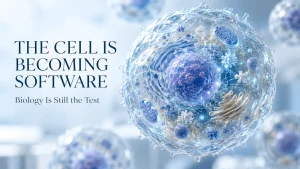
For more than a century, mitochondria have been described in textbooks as the power plants of the cell. In 2026, that metaphor is being rewritten. A fast moving field of translational science is showing that these organelles are not fixed fixtures inside a cell. They can be harvested, purified, and transferred between cells, between tissues, and even between people. The implications for cardiology, neurology, oncology, and longevity medicine are only beginning to come into focus.Mitochondrial transplantation is no longer a laboratory curiosity. It is the subject of active human clinical trials at Boston Children’s Hospital, Massachusetts General Hospital, the Medical University of South Carolina, and a cluster of biotech companies in Boston, San Diego, and Seoul. Early data in pediatric cardiac surgery patients, in ischemic stroke models, and in aging muscle have produced results striking enough that the field is being called the next frontier of cellular medicine.
## Why Mitochondria Matter More Than We Thought
Every human cell, with the exception of red blood cells, carries between a few hundred and several thousand mitochondria. These organelles produce roughly 90 percent of the cell’s adenosine triphosphate, the molecular currency of energy. They also regulate calcium signaling, apoptosis, innate immunity, and the production of reactive oxygen species that drive cellular senescence.
When mitochondria fail, tissues fail. Heart muscle becomes unable to contract efficiently. Neurons lose the energy required to maintain synaptic connections. Immune cells lose their ability to mount a coordinated response. A growing body of work from laboratories including those of Nils Larsson at the Karolinska Institute, Navdeep Chandel at Northwestern University, and Vamsi Mootha at the Broad Institute has established that mitochondrial dysfunction is not a downstream consequence of aging. It is one of the root causes.
The hallmarks of aging framework, updated in 2023 by Carlos López-OtÃn and colleagues in the journal Cell, explicitly identifies mitochondrial dysfunction as one of twelve interconnected drivers of biological decline. The framework argues that accumulated damage to mitochondrial DNA, the fragmentation of the mitochondrial network, and the failure of mitophagy, the quality control system that recycles damaged organelles, together create a cellular energy crisis that accelerates virtually every age related disease.
If that is true, the obvious question is whether the crisis can be reversed by supplying cells with new mitochondria.
## The Surgical Origin Story
The idea of moving mitochondria between cells traces back to work by James McCully and Sitaram Emani at Boston Children’s Hospital. In 2009, their laboratory published a proof of concept study in the American Journal of Physiology showing that mitochondria isolated from a patient’s own skeletal muscle, when injected into ischemic heart tissue, restored contractile function after cardiac arrest in animal models.
The surgical protocol that emerged was remarkably simple in concept. A small biopsy of healthy tissue, usually from the rectus abdominis muscle, is processed in roughly 30 minutes. The mitochondria are isolated through mechanical disruption and differential centrifugation. The resulting suspension, containing billions of viable organelles, is then injected directly into the damaged myocardium during surgery.
By 2017, McCully and Emani reported in the Journal of Thoracic and Cardiovascular Surgery the first human cases. Five pediatric patients with severe ischemic heart injury following cardiopulmonary bypass received autologous mitochondrial transplantation. Four of the five recovered ventricular function and were successfully weaned from extracorporeal membrane oxygenation support. One patient who did not receive the treatment in time died. The results were extraordinary enough that multiple medical centers began preparing their own protocols.
In 2026, the first larger scale trial of autologous mitochondrial transfer for pediatric heart failure, conducted at Boston Children’s, is enrolling patients, with primary results anticipated in late 2027.
## How Cells Accept Foreign Mitochondria
A persistent scientific mystery has been how transplanted mitochondria actually enter recipient cells. Mitochondria are large organelles, roughly the size of bacteria, and no classical membrane transport system exists to import them. Yet multiple laboratories have now shown that cells readily take them up.
A 2021 study in Cell Metabolism by Andrés Caicedo and colleagues described at least three distinct mechanisms: macropinocytosis, tunneling nanotubes, and direct membrane fusion. Once inside, the foreign mitochondria integrate into the host cell’s existing mitochondrial network within hours. They fuse with damaged resident organelles, exchanging proteins and mitochondrial DNA, and the result is a rapid improvement in oxygen consumption, adenosine triphosphate production, and resistance to apoptosis.
Research led by Jeffrey Spees at the University of Vermont, dating back to a 2006 paper in the Proceedings of the National Academy of Sciences, established that this exchange happens naturally. Stem cells and surrounding stromal cells routinely donate their mitochondria to neighboring cells in distress. Scientists now understand that mitochondrial transfer is an ancient form of cell to cell communication, one that surgeons and biotech companies are learning to exploit therapeutically.
## The Heart Failure and Stroke Frontier
Cardiology is the most developed clinical application. Beyond Boston Children’s, groups at the University of Pittsburgh, Massachusetts General, and the Cleveland Clinic have published supportive animal data. A 2023 review in Circulation Research summarized more than 40 preclinical studies showing that mitochondrial transplantation reduces infarct size after myocardial infarction by an average of 30 to 50 percent when administered within the first two hours of reperfusion.
The mechanism appears to be energetic rescue. Ischemic cardiomyocytes that receive healthy mitochondria can resume oxidative phosphorylation rather than defaulting to apoptosis. The donated organelles continue producing adenosine triphosphate even as host mitochondria struggle to recover.
Neurology is close behind. In 2024, Melanie McNally and colleagues at Massachusetts General reported in the journal Brain that intra arterial delivery of autologous mitochondria reduced infarct volume by 37 percent in a large animal stroke model. Multiple early phase trials are now being designed to test whether this approach can be adapted to acute ischemic stroke in humans, where the therapeutic window is narrow and existing options remain limited.
Parkinson’s disease is another target. Researchers at Taipei Medical University, led by Chin Hsien Lin, reported in the journal Molecular Therapy in 2020 that transplantation of healthy mitochondria into the substantia nigra of rodent models of Parkinson’s disease restored dopaminergic neuron function and improved motor behavior. In 2025, a preclinical team at the Mayo Clinic confirmed the finding using human induced pluripotent stem cell derived neurons, setting the stage for first in human studies of intranasal mitochondrial delivery for neurodegenerative disease.
## The Longevity Angle
For the longevity field, mitochondrial transplantation raises a question that traditional pharmacology has struggled to answer. Can cellular energy production be directly restored in aged tissue, and if so, does doing so reverse biological aging?
A striking 2022 paper in Aging Cell by a group at the Buck Institute, led by Eric Verdin and Anna Picca, showed that transplantation of mitochondria from young donor mice into aged mice improved grip strength, running endurance, and mitochondrial respiratory capacity within weeks. In 2024, researchers at Korea University published a follow up in the Journal of Cachexia, Sarcopenia and Muscle demonstrating that intramuscular delivery of young mitochondria increased myofiber cross sectional area and reduced markers of cellular senescence by 28 percent in aged rodents.
The work is now moving toward human application. Minovia Therapeutics, an Israeli biotech company, has developed a proprietary platform to expand and enrich functional mitochondria from a patient’s own cells and reintroduce them into hematopoietic stem cells. Its lead program for Pearson syndrome, an ultra rare mitochondrial disease, showed durable clinical benefit in a 2023 study published in Science Translational Medicine and is advancing toward broader mitochondrial disorders.
Cellvie, a Zurich based company founded by researchers from Harvard and ETH, has begun manufacturing clinical grade mitochondria designed for off the shelf delivery. Their approach involves isolating mitochondria from placental tissue, which is abundant, young, and rich in healthy organelles. A 2026 preprint from the company describes successful cryopreservation and quality control protocols that could make mitochondrial transplantation accessible without requiring a fresh autologous biopsy.
## The Cancer Paradox
The field is not without complexity. Mitochondria do not simply produce energy. They also influence metastasis. A 2023 paper in Nature by Jessica Gasparre and colleagues at the University of Bologna showed that certain cancer cells actively acquire mitochondria from surrounding healthy tissue to fuel their growth and metastatic behavior. The phenomenon, called horizontal mitochondrial transfer, suggests that indiscriminate introduction of fresh mitochondria could accelerate rather than suppress tumor progression in some contexts.
This has created a parallel research stream focused on engineering mitochondria that cancer cells cannot use. Researchers at the Sloan Kettering Institute reported in 2025 that chemically modified mitochondria, loaded with pro apoptotic peptides, can be selectively taken up by tumor cells and trigger their destruction. The same platform could, in theory, be adapted to protect healthy tissue during chemotherapy by delivering resilient mitochondria to sensitive organs.
## The Regulatory and Manufacturing Frontier
Bringing mitochondria to the clinic at scale requires more than biology. It requires manufacturing systems, regulatory frameworks, and a viable business model. In 2025, the United States Food and Drug Administration issued its first guidance document specifically addressing cell derived mitochondrial products, classifying them as biologics and requiring full investigational new drug applications rather than the more flexible cellular therapy pathways.
Manufacturing is the central bottleneck. Clinical grade mitochondrial products must be sterile, endotoxin free, and consistently active. Unlike whole cells, mitochondria cannot be expanded indefinitely. They must be harvested from fresh tissue or reliably cryopreserved. A 2024 paper in Nature Biotechnology by scientists at the Massachusetts Institute of Technology described a microfluidic isolation platform capable of producing clinical grade mitochondria from donor tissue within 90 minutes, a significant step toward industrial scale production.
Companies like Minovia, Cellvie, and the Korean biotech Paean Biotechnology have collectively raised more than 600 million dollars since 2021 to solve these problems. In 2026, Paean’s lead product PN-101 entered Phase 2 trials for polymyositis and dermatomyositis in Korea, becoming one of the first non autologous mitochondrial products to reach mid stage clinical development.
## The Biomarkers That Will Decide the Field
For mitochondrial transplantation to move from promising to routine, clinicians need biomarkers that predict which patients will benefit and how to dose the therapy. Several candidate markers are emerging. Blood levels of growth differentiation factor 15, a cytokine released by stressed mitochondria, have been validated in multiple studies as a general marker of mitochondrial dysfunction. Skeletal muscle oxygen consumption rate, measured by near infrared spectroscopy, may identify tissue that will respond to mitochondrial donation. Plasma cell free mitochondrial DNA, released by damaged cells, is being investigated as a real time readout of cellular distress.
In research settings, epigenetic aging clocks developed by Steve Horvath at UCLA are being used to assess whether mitochondrial transplantation meaningfully slows biological age. Early unpublished data from an investigator initiated trial at the Stanford Center on Longevity suggests that intravenous delivery of mitochondria to older adults can reduce epigenetic age by a measurable amount within six months, though the results await peer review.
## What This Means For You
Mitochondrial transplantation is not yet available as a routine clinical service. For most readers, the field is five to ten years away from broad medical practice. But the direction of travel is clear, and several practical considerations apply now.
First, the hallmarks of mitochondrial decline are not fixed. Mitochondrial biogenesis, the creation of new mitochondria inside existing cells, is strongly stimulated by aerobic exercise, resistance training, cold exposure, and caloric control. Regular endurance activity, particularly zone two training, remains the most potent non pharmacological intervention for mitochondrial health currently available. A 2017 study in Cell Metabolism by Sreekumaran Nair at the Mayo Clinic showed that 12 weeks of high intensity interval training restored 69 percent of the age related decline in mitochondrial function in adults over 65.
Second, the nutrients that support mitochondrial function are well characterized. Coenzyme Q10, alpha lipoic acid, creatine, magnesium, and the B vitamins serve as cofactors for oxidative phosphorylation. Urolithin A, a metabolite produced by gut microbes from pomegranate and berry polyphenols, has been shown in randomized trials published in JAMA Network Open and Cell Reports Medicine to stimulate mitophagy and improve muscle strength in older adults. These interventions do not replace mitochondria, but they support the quality control systems that keep existing mitochondria functional.
Third, if you or a family member are facing cardiac surgery, ischemic stroke, or a mitochondrial disease, ask your physician whether any clinical trials involving mitochondrial transplantation are enrolling. The landscape is moving quickly, and informed patients can often find opportunities that their primary care teams may not yet be tracking. The National Institutes of Health ClinicalTrials.gov database currently lists more than 20 active or recruiting studies involving mitochondrial transfer therapies.
Fourth, recognize that claims of commercially available mitochondrial therapies outside of regulated clinical trials should be viewed with deep skepticism. A subset of wellness clinics has begun marketing mitochondrial injections derived from unclear sources and without meaningful safety data. The biology is promising. The manufacturing and clinical science are not yet mature enough to support consumer level offerings.
The broader message is that cellular energy is now a tractable medical target. For the first time in the history of medicine, clinicians can contemplate replenishing the very machinery that cells use to live. Over the next decade, the question will shift from whether mitochondrial transplantation works to which patients benefit most, how the therapy is best delivered, and how it integrates with the existing toolkit of exercise, nutrition, and pharmacology. The power plants of the cell are no longer fixed infrastructure. They are becoming the newest frontier of personalized medicine.
-
Your Blood Can Map the Biological Age of Every Organ in Your Body. Here Is What Stanford’s Landmark Study Found.
A Stanford University study of 44,498 people and 2,916 blood proteins has mapped the biological age of 11 organs and identified a startling finding: a biologically aged brain carries Alzheimer’s risk equivalent to carrying the APOE4 gene, while a youthful brain and immune system together cut mortality risk by 56 percent. Here is what the research means for how you age.
-
The Alzheimer’s Blood Test Has Arrived: How Plasma p-Tau217 Is Rewriting Early Diagnosis in 2026
For decades, confirming Alzheimer’s disease required a spinal tap or a PET scan that few patients ever received. In 2025 the FDA cleared the first plasma p-tau217 blood test, and 2026 is the year it begins reshaping who gets diagnosed, when, and what they can do about it.

AI Wellness Coach
Personalized health and wellness coaching, available around the clock
Health Tech & Wearables
Award-winning monitoring devices, wearables, and diagnostic tools so you know what actually moves the needle.
PROFESSIONAL DIRECTORY
Search 180,000 vetted healthcare professionals by specialty, location, and approach. Your next great doctor is closer than you think.”
PERSONALIZED DISCOVERY
Longevity science filtered to your health priorities, delivered through The Discovery Brief
THE PATH TO LONGEVITY ESCAPE VELOCITY
Since Hippocrates laid the foundations of medicine in 460 BC, every generation has added a new layer to what it means to live well. He gave us the radical idea that the body heals itself when given the right conditions. Ancient wisdom taught us that food, movement, sleep, and breath are not luxuries but the architecture of life. Modern science gave us tools to measure, intervene, and personalize. And now, artificial intelligence is accelerating discovery at a pace no single lifetime could have imagined.
But the path to Longevity Escape Velocity does not begin in a lab. It begins exactly where Hippocrates started: with the fundamentals. The four stages below are not a timeline. They are the sequence every person must walk to reach the frontier where science begins to outpace aging. You are the protagonist on this path, and this platform exists to guide every step..
Hippocrates was right 2,500 years ago and the science still confirms it today. Before any advanced intervention can work, the body must have its non-negotiables in place: whole food nutrition, consistent movement, restorative sleep, and intentional breathwork. These are not lifestyle suggestions. They are the biological prerequisites that determine whether everything else you do actually works. The father of medicine said it best himself: “Let food be thy medicine, and medicine be thy food.” The path to Longevity Escape Velocity begins with these fundemntals.


HEALTHCARE INNOVATION COUNCIL
Conversations at the Frontier of Medicine
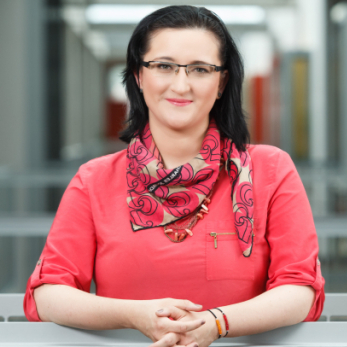
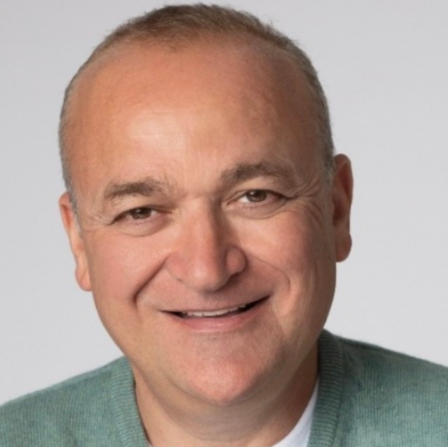
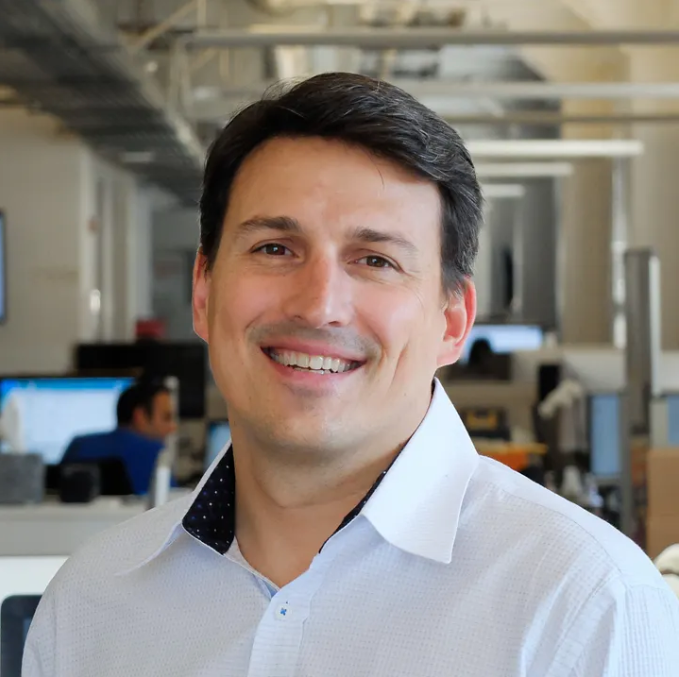
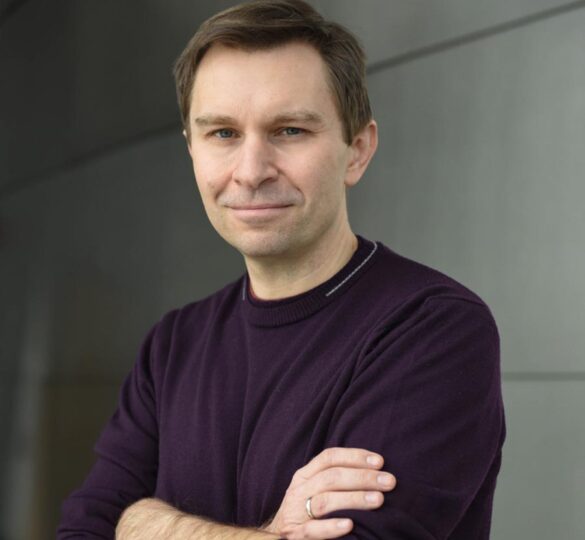
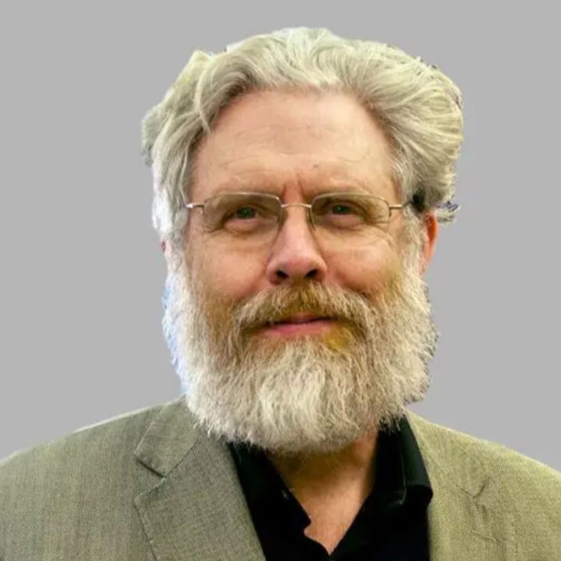
Healthcare Discovery brings together the physicians, researchers, scientists, and founders who are redefining what is possible. Through our Innovation Council interview series, we explore the minds behind the breakthroughs: why they chose medicine, what excites them about the future, and where science is heading next.
THE WEEKLY ROUNDS
Your weekly briefing from the frontier of health, longevity, and AI-accelerated medicine
| Daily Diagnosis | 10:00 am – 2:00 pm |
| Breakthrough Report | 12:00 am – 3:00 pm |
| Health Intelligence | 13:00 am – 3:00 pm |
| The Longevity Edge | 10:00 am – 2:00 pm |
PARTNER WITH US

START YOUR DISCOVERY
Whether you are researching personal health wellness trends, the latest breakthroughs and discoveries of doctors near you, Healthcare Discovery’s goal is to provide value in everything from AI-powered diagnostics, holistic health treatments, and personalized medicine, all backed by the latest advancements in AI Technology
$FREE TRIAL
$499
$599
NEED HELP?
Need Assistance? We’re Here for You!
Whether you’re looking for AI-driven health assessments, personalized care plans, or holistic wellness advice, our team at Healthcare Discovery AI is ready to guide you every step of the way. Get in touch today for personalized advice on integrating ancient wisdom with AI innovations.


Healthcare Discovery AI is proudly sponsored by Healthcare Venture Capital Fund and Healthcare Real Estate Fund. Improving Health & Wealth.
OUR Address
The Bioscience Core ( formerly the Phoenix Biomedical Campus ) is a 30 acre, city-owned life sciences innovation district. Located in the heart of downtown Phoenix, Arizona, USA
OUR PHONES
Phone: (602) 903-3560
Email: team@healthcarediscovery.ai
WORKING Hours
Monday-Friday: 9:00 – 18:00
Saturday: 11:00 – 17:00