
InsideTracker InnerAge 2.0: Blood Biomarker Testing for Biological Age
A blood biomarker testing platform that calculates your biological age from 20 blood markers, then delivers personalized nutrition and lifestyle recommendations to close the gap between your chronological and biological clocks.
Presented By Our Partners



Your chronological age, the number of years since you were born, tells you almost nothing about how your body is actually aging. Two 50 year old individuals can have dramatically different cardiovascular risk profiles, metabolic health, inflammatory burden, and cellular function. One may have the biomarker profile of a 40 year old; the other may show patterns typical of a 65 year old. The difference is not destiny; it is biology, and biology responds to intervention.
A 2021 study published in GeroScience by Kwon and Belsky introduced the BioAge toolkit, a software package for quantifying biological age from blood chemistry data using three validated methods: Klemera Doubal biological age, PhenoAge, and homeostatic dysregulation. The authors applied their toolkit to data from the CALERIE randomized controlled trial, the first human trial of long term calorie restriction in healthy non obese adults, and found evidence that the intervention slowed biological aging. The study highlighted that blood chemistry derived biological age measures demonstrated superior performance in predicting healthy lifespan compared to DNA methylation based measures in multiple studies.
A 2024 study published in Nature Communications by Brandhorst, Levine, and Longo found that three cycles of a fasting mimicking diet were associated with a 2.5 year decrease in median biological age, independent of weight loss, as measured by a validated blood biomarker based biological age algorithm. Both studies establish a clear scientific foundation: blood biomarkers can quantify biological aging, and lifestyle interventions can measurably reverse it.
InsideTracker’s InnerAge 2.0 translates this science into a consumer accessible testing platform.
What Is InsideTracker InnerAge 2.0?
InsideTracker InnerAge 2.0 is a blood biomarker testing service that analyzes 20 blood markers to calculate a biological age score (the InnerAge), then generates personalized nutrition, supplement, exercise, and lifestyle recommendations designed to improve the specific biomarkers driving your biological age above your chronological age.
The testing process involves a blood draw (either at a Quest Diagnostics location nationwide or through an at home phlebotomist service), laboratory analysis at a CLIA certified lab, and delivery of results through the InsideTracker platform within approximately 5 to 7 business days. The 20 biomarkers analyzed include markers of inflammation (hsCRP), metabolic health (glucose, HbA1c, triglycerides), liver function (ALT, GGT), kidney function (creatinine), iron status (ferritin), vitamin D, cholesterol fractions (LDL, HDL, total cholesterol), white blood cell count, and others selected for their validated association with aging and mortality risk.
The platform’s core differentiator is the personalization engine. Rather than simply reporting whether values are within “normal” lab reference ranges, InsideTracker compares your results to optimal ranges derived from research on health and longevity, then prioritizes recommendations based on which biomarkers have the greatest impact on your InnerAge score. The recommendations are specific and actionable: particular foods, supplement dosages, exercise modalities, and sleep hygiene practices tied to your individual biomarker profile.
The InnerAge 2.0 test costs $299 per test. An optional InsideTracker membership ($199 per year) provides discounted testing, ongoing access to the recommendation engine, and the ability to track biomarker trends across multiple tests. The service is confirmed HSA and FSA eligible.
The Science Behind Blood Biomarker Aging
The concept of biological age measured through blood biomarkers rests on decades of epidemiological research establishing that specific blood markers predict mortality and morbidity independently of chronological age. The Framingham Heart Study, the Nurses’ Health Study, and UK Biobank analyses have all demonstrated that combinations of blood biomarkers can stratify individuals into distinct biological aging trajectories.
The GeroScience study by Kwon and Belsky (2021) formalized this concept through the BioAge toolkit, implementing three mathematical methods for calculating biological age from blood chemistry. The PhenoAge algorithm, developed by Morgan Levine at Yale, uses nine biomarkers (albumin, creatinine, glucose, C reactive protein, lymphocyte percentage, mean cell volume, red cell distribution width, alkaline phosphatase, and white blood cell count) to calculate a composite biological age that predicts mortality risk. The Klemera Doubal method uses a broader panel of biomarkers to estimate the rate of physiological decline.
The practical implication is that biological age is not fixed. The CALERIE trial demonstrated that caloric restriction slowed biological aging as measured by blood biomarkers. The fasting mimicking diet study by Brandhorst et al. (2024) showed a 2.5 year reduction in biological age from a dietary intervention. Numerous observational studies have linked regular exercise, adequate sleep, stress management, and specific dietary patterns to more favorable biomarker profiles.
InsideTracker’s InnerAge algorithm is proprietary and distinct from published academic methods like PhenoAge, though it draws on the same underlying science linking blood biomarkers to aging trajectories. The company has not published peer reviewed validation data comparing InnerAge specifically to clinical endpoints or established biological age algorithms, which is a limitation that consumers should understand.
What InsideTracker InnerAge 2.0 Does Well
The InnerAge platform’s primary strength is translating raw biomarker data into actionable recommendations. Most direct to consumer blood testing services report results with reference ranges and little else, leaving users to interpret the clinical significance and determine appropriate interventions on their own. InsideTracker’s recommendation engine bridges this gap by connecting specific out of range biomarkers to evidence based interventions, ranked by expected impact on overall biological age.
Featured Partner
Invest in the Infrastructure Behind Modern Medicine
As healthcare expands beyond hospital walls, the buildings and campuses supporting that shift are generating compelling returns for investors who move early. The Healthcare Real Estate Fund offers qualified investors direct access to a curated portfolio of medical office, outpatient, and specialty care facilities.
Learn More →
The optimal range concept is a meaningful departure from standard lab reporting. Clinical lab reference ranges are designed to identify pathology; they define the boundaries of “not sick.” InsideTracker’s optimal ranges are derived from research on health optimization, defining where biomarkers should ideally fall for maximum longevity and performance. A fasting glucose of 98 mg/dL is within the standard lab normal range but may be flagged by InsideTracker as suboptimal, with specific dietary and exercise recommendations to improve it.
Longitudinal tracking is built into the platform. Users who test periodically can observe how their biomarkers respond to the recommended interventions, creating a feedback loop between testing, action, and measurable results. This iterative approach, test, intervene, retest, aligns with the broader longevity science paradigm of continuous optimization rather than one time assessment.
The Quest Diagnostics partnership provides nationwide access to professional blood draw locations, eliminating the at home finger prick variability that affects some competitors. Venous blood draws analyzed at CLIA certified laboratories provide the same sample quality and analytical precision as physician ordered blood work.
Pricing, Access, and Practical Realities
The InnerAge 2.0 test costs $299 per test without membership, or discounted rates with an InsideTracker membership ($199 per year). For users who test quarterly (recommended by InsideTracker for optimal tracking), the annual cost can reach $1,000 or more including membership. This positions InsideTracker at the premium end of direct to consumer blood testing.
The service is confirmed HSA and FSA eligible, which reduces the effective cost for users with qualifying healthcare spending accounts. However, insurance coverage for direct to consumer blood testing is rare, meaning most users pay out of pocket.
InsideTracker’s tests are processed at CLIA certified laboratories, which is the standard regulatory requirement for clinical laboratory testing in the United States. This is not the same as FDA clearance for a medical device; it means the laboratory performing the analysis meets federal quality standards. The tests measure the same biomarkers that a physician might order through standard channels, using the same analytical methods.
The InnerAge biological age calculation is a proprietary algorithm, not a published, peer reviewed method. While the underlying science connecting blood biomarkers to aging is well established, the specific InnerAge score should be understood as InsideTracker’s interpretation rather than a clinically validated diagnostic measurement.
Who InsideTracker InnerAge 2.0 Is Best For
InnerAge 2.0 is ideal for longevity focused individuals who want quantitative feedback on how their lifestyle choices affect measurable biomarkers of aging. Athletes and high performers who optimize training, nutrition, and recovery based on objective data will find the platform’s specificity valuable. Users who have already adopted foundational health practices (consistent exercise, quality nutrition, adequate sleep) and want to fine tune their approach based on biomarker data represent the most productive audience.
Health enthusiasts who are motivated by data and willing to invest in periodic testing to track progress over time will get the most value from the longitudinal tracking features. Users who appreciate actionable recommendations over raw data will prefer InsideTracker’s guided approach compared to services that simply report numbers.
Users who want affordable, basic blood testing for standard health screening should consider Quest Diagnostics Direct or Labcorp OnDemand, which offer comprehensive panels at $29 to $299 without the proprietary analysis layer. Users who prefer at home finger prick convenience over laboratory blood draws should consider Everlywell or LetsGetChecked. Users who want the deepest possible biomarker analysis (50+ markers) should consider InsideTracker’s broader Ultimate panel rather than the InnerAge specific test.
How InsideTracker InnerAge 2.0 Compares
Against Everlywell Heart Health ($99 to $249), InsideTracker provides a more comprehensive biomarker panel, biological age calculation, and a personalized recommendation engine. Everlywell offers a simpler, more affordable at home testing experience for users who want basic lipid and metabolic screening without the optimization layer. InsideTracker costs more but delivers more actionable insight.
Against Quest Diagnostics Direct ($29 to $299 per panel), InsideTracker adds the proprietary analysis, optimal ranges, biological age calculation, and personalized recommendations. Quest provides the raw biomarker data at lower cost using the same laboratory infrastructure. Users who already work with a physician to interpret their blood work may find Quest’s direct access testing more cost effective; users who want a self service optimization platform will prefer InsideTracker.
Against Thorne Health Tests ($99 to $299), InsideTracker provides a more sophisticated analysis platform, while Thorne offers the advantage of a trusted supplement brand with direct product recommendations tied to results. For users already purchasing Thorne supplements, the brand integration may be convenient. For users focused specifically on biological age and longevity optimization, InsideTracker’s specialized focus is stronger.
Limitations and Open Questions
The InnerAge biological age algorithm is proprietary and has not been independently validated in peer reviewed literature against clinical endpoints. While the biomarkers it analyzes are individually well established as predictors of health and mortality, the specific composite score and its relationship to actual biological aging trajectories has not been published for independent scrutiny.
Blood biomarkers are a snapshot in time, influenced by recent meals, exercise, sleep, hydration, alcohol consumption, stress, and acute illness. A single test may not represent the user’s true baseline, and InsideTracker’s recommendations based on that single snapshot may be addressing transient fluctuations rather than chronic patterns. Periodic retesting (which InsideTracker recommends) partially addresses this but also significantly increases the total cost.
The recommendation engine, while evidence based in its general approach, generates standardized recommendations mapped to biomarker categories rather than truly individualized clinical guidance. It does not account for medication interactions, diagnosed medical conditions, or the full complexity of an individual’s health picture. It is a wellness optimization tool, not a substitute for physician directed medical care.
At $299 per test (plus optional membership), the cost barrier limits accessibility. Many of the same biomarkers can be obtained through physician ordered blood work, often covered by insurance, though without InsideTracker’s optimization analysis layer.
What This Means for Your Health
Blood biomarkers are one of the most direct windows into how your body is actually aging, independent of the number on your birth certificate. Within Healthcare Discovery‘s longevity framework, biological age testing connects to every one of the Five Pillars. Nutrition shows up in glucose, lipid, and inflammatory markers. Movement reflects in metabolic and cardiovascular biomarkers. Sleep quality influences cortisol, glucose regulation, and inflammatory markers. Breathwork and stress management affect cortisol, hsCRP, and autonomic nervous system markers. And Mindset, the commitment to measuring and optimizing, drives the entire testing and intervention cycle.
The Four Villains, cardiovascular disease, cancer, neurodegenerative disease, and metabolic dysfunction, each leave biomarker footprints long before they produce symptoms. Elevated hsCRP signals chronic inflammation. Rising HbA1c indicates metabolic deterioration. Abnormal lipid profiles signal cardiovascular risk accumulation. These are early warning signals, and biological age testing platforms like InsideTracker make them accessible without requiring a clinical visit.
If you are serious about longevity optimization, periodic blood biomarker testing provides the objective feedback that subjective self assessment cannot. Test, implement the recommendations, retest, and measure the response. That iterative cycle, applied consistently over years, is how you close the gap between your chronological age and your biological potential.
Frequently Asked Questions
What does InsideTracker InnerAge 2.0 test?
InnerAge 2.0 analyzes 20 blood biomarkers including markers of inflammation (hsCRP), metabolic health (glucose, HbA1c, triglycerides), liver function (ALT, GGT), kidney function (creatinine), iron status (ferritin), vitamin D, cholesterol fractions (LDL, HDL, total cholesterol), and white blood cell count. These biomarkers are used to calculate a biological age score and generate personalized recommendations.
How much does InsideTracker InnerAge 2.0 cost?
The InnerAge 2.0 test costs $299 per test without membership. An optional InsideTracker membership ($199 per year) provides discounted testing rates, ongoing platform access, and longitudinal tracking. First year cost ranges from $299 (single test, no membership) to approximately $1,000+ for quarterly testing with membership. The service is confirmed HSA and FSA eligible.
Is InsideTracker testing done at a lab or at home?
InsideTracker testing is performed through venous blood draw at Quest Diagnostics locations nationwide or through an at home phlebotomist service (available in select areas for an additional fee). The samples are analyzed at CLIA certified laboratories using the same analytical methods as physician ordered blood work. This provides higher sample quality than at home finger prick testing.
How accurate is the InnerAge biological age calculation?
The InnerAge algorithm is proprietary to InsideTracker and has not been independently validated in peer reviewed literature against clinical endpoints. The underlying science connecting blood biomarkers to biological aging is well established, but the specific InnerAge score should be understood as InsideTracker’s interpretation. Academic biological age algorithms (PhenoAge, Klemera Doubal) have been validated against mortality data in large cohort studies.
How often should I test with InsideTracker?
InsideTracker recommends testing every 3 to 4 months to track biomarker responses to lifestyle interventions. This frequency allows enough time for dietary, exercise, and supplement changes to produce measurable effects while maintaining a regular feedback loop. Quarterly testing over a year provides four data points for trend analysis, which is more informative than any single test.
InsideTracker InnerAge 2.0 at a glance
- Hardware price
- $299
- Subscription
- $199 per year
- First year total
- $498
- Form factor
- At-home blood test
- FDA status
- Wellness device, no clearance
- HSA/FSA
- Eligible
Measures 20 biomarkers for biological age calculation, InnerAge score, Personalized recommendations
Maintained in the Healthcare Discovery device database and updated automatically.


Similar Posts

The Three-Day Threshold: New Research Maps When Fasting Actually Transforms Your Body at the Molecular Level
A proteomics study tracking 3,000 proteins during a seven-day water-only fast found that the body’s most dramatic biological changes do not appear until 72 hours in. The implications are reshaping…
COROS PACE 4: Ultralight AMOLED Running Watch With Long Battery and Training Analytics at $249
COROS’s lightest GPS watch combines an AMOLED display, 38 hour GPS battery, and comprehensive training analytics in a 37 gram package that redefines what runners can expect at $249 with…
The FDA’s New AI Experiment Asks a Better Question: Did the Patient Get Better?
The FDA and CMS are testing a new bridge from AI-enabled chronic-care technology to Medicare payment, real-world evidence, and measurable patient outcomes. The promise is real. The proof is not…
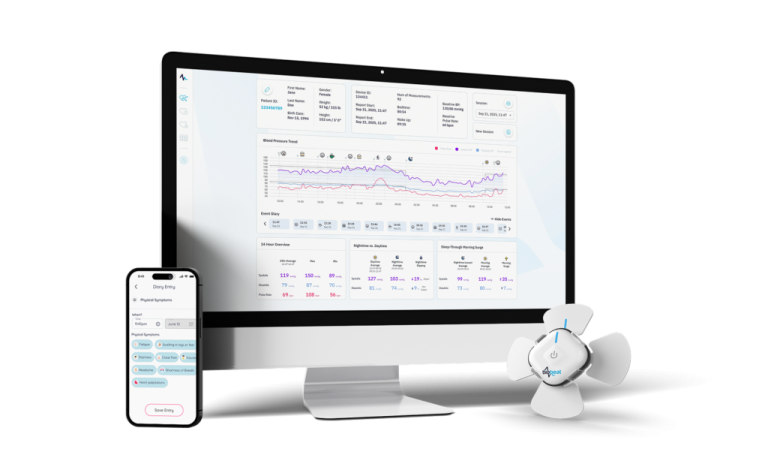
Biobeat BB-613: FDA-Cleared Cuffless Blood Pressure Monitoring for Clinical Care
The first FDA-cleared cuffless blood pressure monitor designed for hospital and remote patient monitoring brings continuous hemodynamic surveillance to patients who need it most. Presented By Our Partners Blood pressure…

The Glymphatic System: How Your Brain Clears Alzheimer’s Proteins During Sleep, and Why 2026 Is a Watershed Year
A landmark 2026 Nature Communications study delivers the first direct human evidence that sleep-driven glymphatic clearance pushes amyloid beta and tau out of the brain and into the bloodstream. Inside…

The NAD+ Renaissance: How a Cellular Fuel Molecule Is Rewriting the Science of Brain Aging, Sleep, and Neurodegeneration
A landmark Nature Aging expert review by 25 scientists, a Science Advances study showing NAD+ reverses Alzheimer’s memory deficits through RNA splicing, and the first human evidence that oral NAD+…
