
Healthtech Wearables: 250+ Devices Across 17 Categories
From FDA-cleared ECG watches to at-home brain stimulation headsets, 250+ devices across 17 categories are reshaping how we monitor, measure, and improve our health. This is the most comprehensive wearable health technology guide available anywhere.
Presented By Our Partners



A quiet revolution is unfolding on wrists, fingers, chests, and nightstands around the world. Wearable health technology has evolved from simple step counters into sophisticated medical instruments capable of detecting atrial fibrillation, predicting blood glucose spikes, mapping brainwave patterns, and measuring visceral fat with clinical precision. What once required a hospital visit, a specialist referral, and thousands of dollars in testing now fits in your pocket, wraps around your finger, or slips under your mattress.
The numbers tell the story of an industry reaching critical mass. The global wearable medical device market is projected to exceed $60 billion by 2027, driven by aging populations, rising chronic disease rates, and a consumer base that increasingly expects real-time access to their own health data. More than 30% of American adults now use a wearable health device regularly, and that adoption rate accelerates each year as sensors become smaller, algorithms become smarter, and FDA clearances open the door to clinical-grade monitoring outside hospital walls.
But this growth has created a new problem: overwhelming choice. Hundreds of devices compete for attention, each promising to unlock some dimension of health optimization. Smartwatches track heart rate variability while continuous glucose monitors reveal metabolic patterns. EEG headbands map cognitive states while 3D body scanners capture composition changes invisible to any bathroom scale. The technology is extraordinary. The challenge is knowing which devices actually deliver on their promises, which ones matter for your specific health goals, and how they fit together into a coherent monitoring strategy.
That is exactly why we built this guide. Over months of research, hands-on testing, and clinical literature review, we cataloged 250+ devices across 17 distinct health monitoring categories. This is not a “top 10” listicle or a holiday gift guide. It is the most comprehensive wearable health technology resource available, designed for anyone serious about using technology to understand and improve their health.
Every device in this guide connects to at least one of HealthcareDiscovery.ai’s Five Pillars of health optimization: Nutrition, Sleep, Movement, Breathwork, and Mindset. These pillars represent the foundational domains where daily choices compound into long-term health outcomes. Cardiovascular monitors reveal how your movement and breathwork practices strengthen your heart. Continuous glucose monitors show exactly how your nutritional choices affect metabolic health. Sleep trackers quantify the recovery that powers everything else. Brain-sensing headbands measure the mindset practices that reduce stress and sharpen focus. The best health monitoring strategies layer devices across multiple pillars, building a comprehensive picture of how your body responds to the choices you make every day.
How to use this guide: Each of the 17 categories below opens with an overview explaining what the devices measure, why those measurements matter for longevity and health, and who should consider investing in that category. Individual device entries link to our full in-depth reviews, where you will find detailed specifications, accuracy assessments, app ecosystem evaluations, and practical recommendations. You can read straight through for a complete education in wearable health technology, or jump directly to the categories most relevant to your goals using the table of contents below.
What You Will Find in This Guide
- Cardiovascular Monitoring
- Metabolic Health and Glucose Monitoring
- Sleep Monitoring
- Respiratory Health and VO2 Max
- Body Composition Analysis
- Neurological and Cognitive Health
- Movement and Biomechanics
- Recovery and Readiness
- Hormonal and Endocrine Testing
- Blood Biomarker Testing
- Gut Microbiome Analysis
- Genomic and Epigenetic Testing
- Skin, Temperature, and Environment
- Reproductive and Women’s Health
- Mental Health and Stress Management
- Clinical Grade and Professional Devices
- Recovery Therapy and Biohacking
❤️ Cardiovascular Monitoring
Heart disease remains the leading cause of death worldwide, responsible for roughly one in every four deaths in the United States alone. Yet many cardiac events arrive with little warning, striking people who believed their hearts were healthy. Wearable cardiovascular monitors are changing that equation by providing continuous, passive insight into how your heart performs during exercise, sleep, stress, and everyday life.
Devices in this category measure a range of cardiac biomarkers: heart rate and heart rate variability (HRV), electrocardiogram (ECG) waveforms for detecting atrial fibrillation and other arrhythmias, blood pressure, blood oxygen saturation (SpO2), and pulse wave velocity. Some are consumer smartwatches that weave cardiac monitoring into a broader fitness and notification platform. Others are dedicated medical instruments, such as cuffless blood pressure monitors and clinical-grade digital stethoscopes with AI-powered murmur detection.
The clinical evidence supporting wearable cardiac monitoring has grown substantially. The Apple Heart Study enrolled over 400,000 participants and demonstrated that smartwatch-based pulse detection could identify previously undiagnosed atrial fibrillation. Multiple FDA clearances now allow consumer devices to generate single-lead ECG readings that physicians can use in clinical decision-making. For longevity-focused individuals, HRV trending over weeks and months provides one of the most reliable windows into autonomic nervous system health, stress resilience, and recovery capacity.
These devices work together in powerful ways. A smartwatch might flag an irregular heart rhythm during the day, while a sleep-focused ring captures resting heart rate trends overnight. A connected blood pressure monitor adds context that no wrist-based optical sensor can match. Building a cardiovascular monitoring stack that covers both active and resting states gives you the most complete picture of cardiac health available outside a clinical setting.
Apple Watch Series 9
FDA-cleared ECG, blood oxygen sensing, and VO2 max estimation with the deepest health app ecosystem on any smartwatch platform.

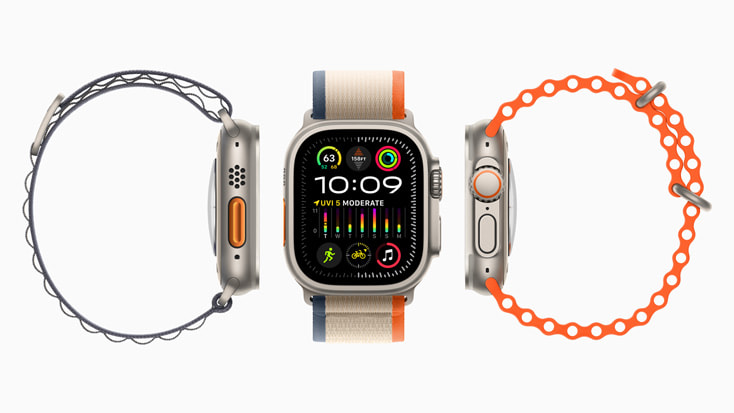
Apple Watch Ultra 2
Rugged titanium build with identical health sensors to the Series 9, plus 36-hour battery life and precision dual-frequency GPS for endurance athletes.
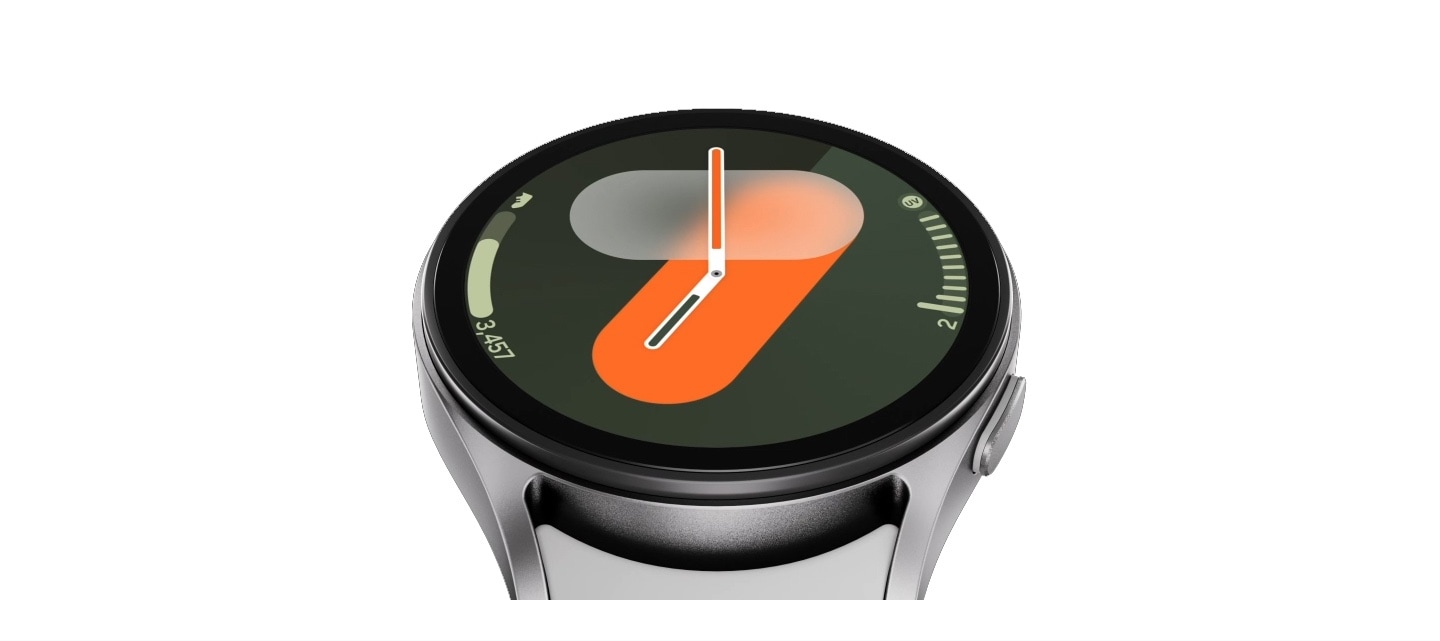
Samsung Galaxy Watch 7
First smartwatch with FDA-authorized sleep apnea detection, paired with ECG, continuous heart rate, and Samsung’s BioActive 3-in-1 sensor.
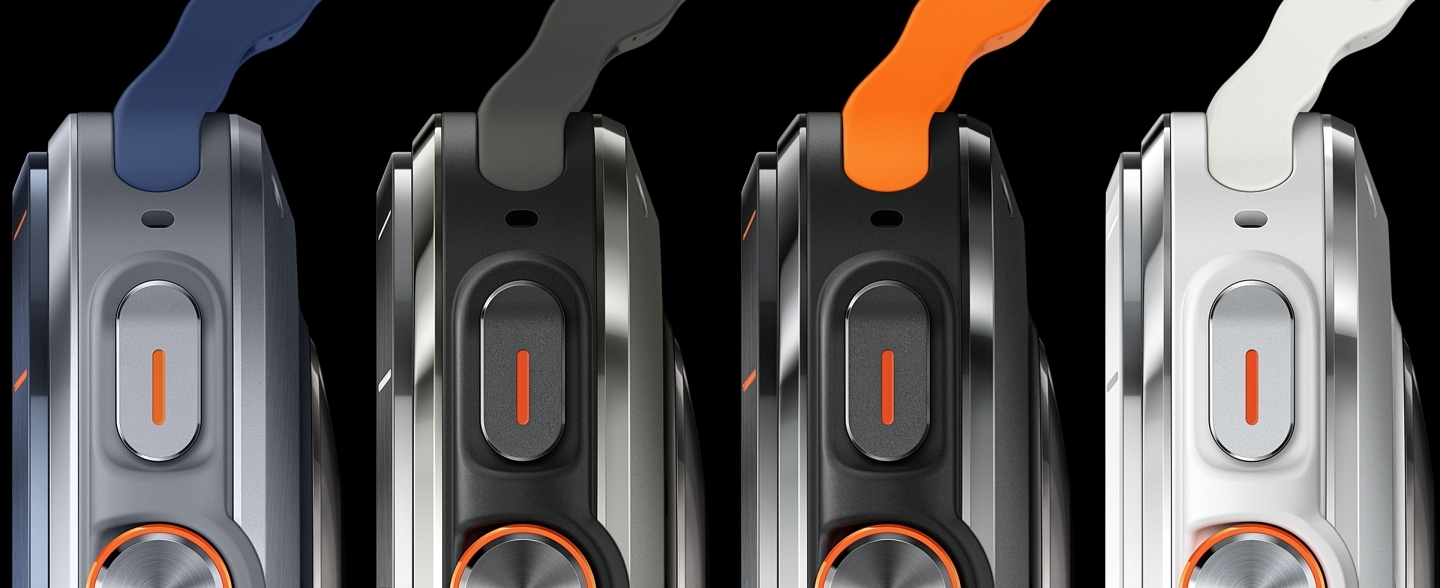
Samsung Galaxy Watch Ultra
Samsung’s premium outdoor watch combining ECG, HRV tracking, sleep apnea detection, and a titanium frame with 100m water resistance.
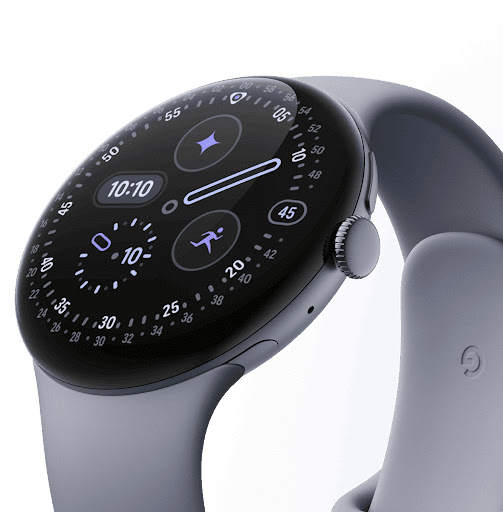
Google Pixel Watch 2
Continuous electrodermal activity stress tracking alongside ECG and heart rate monitoring, with Fitbit’s algorithms powering the health insights.
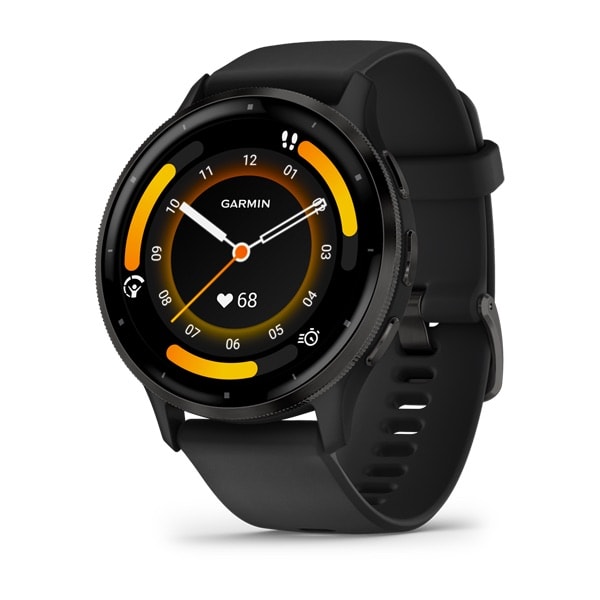
Garmin Venu 3
Advanced sleep coaching with nap detection, Body Battery energy monitoring, and comprehensive heart rate and HRV tracking in Garmin’s lifestyle smartwatch.
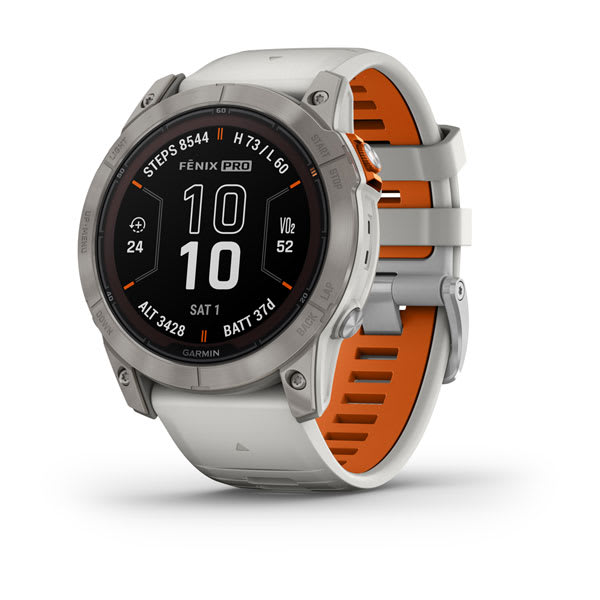
Garmin Fenix 7X Pro Sapphire Solar
Solar-charging multisport GPS watch with ECG, HRV status tracking, VO2 max estimation, and multi-week battery life for expedition-level endurance.
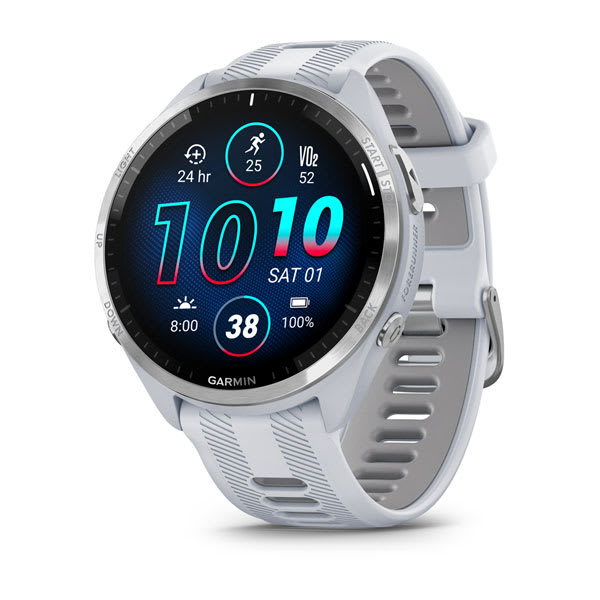
Garmin Forerunner 965
Elite running watch with best-in-class VO2 max estimation, training load analysis, HRV status, and a bright AMOLED touchscreen display.
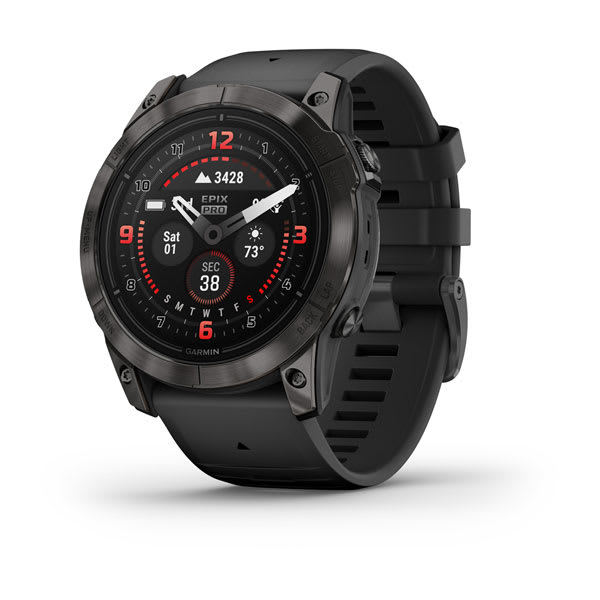
Garmin Epix Pro Gen 2
Garmin’s flagship AMOLED multisport watch combining ECG capability, advanced HRV metrics, VO2 max tracking, and a stunning always-on display.
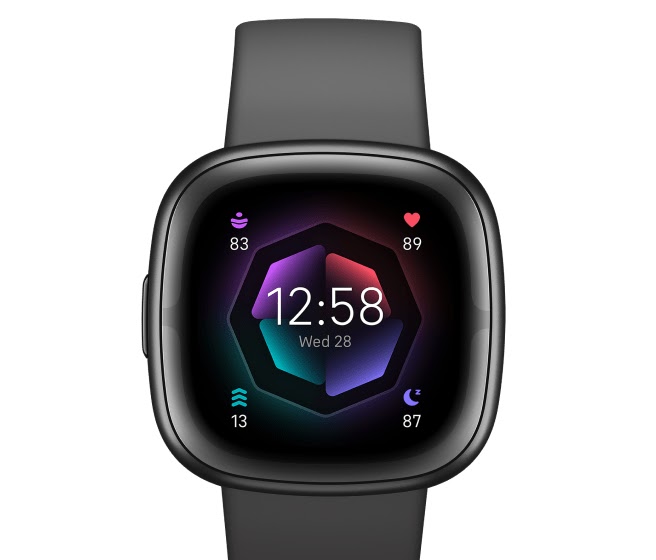
Fitbit Sense 2
Continuous electrodermal activity sensor for all-day stress management, plus ECG, SpO2 monitoring, and skin temperature tracking at an accessible price.
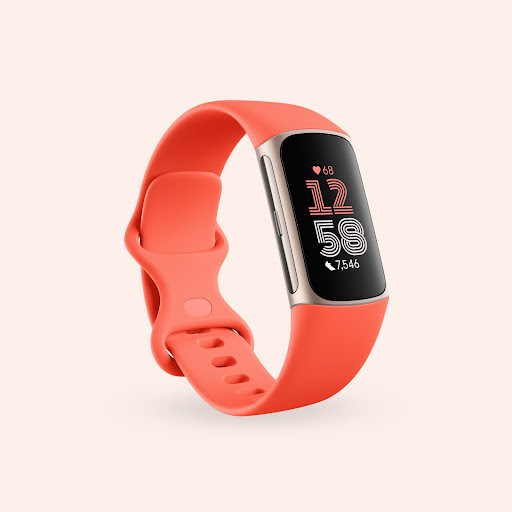
Fitbit Charge 6
Budget-friendly fitness band with ECG and HRV tracking, Google integration, and seven-day battery life in a slim, swim-proof form factor.
Oura Ring 5
Oura’s smallest ring to date at 2.8mm thick, adding overnight blood pressure signals and lab result imports. $399 to $499 plus membership.
Oura Ring Gen 3
Titanium smart ring delivering continuous heart rate, HRV, SpO2, and skin temperature monitoring with exceptional overnight tracking accuracy.
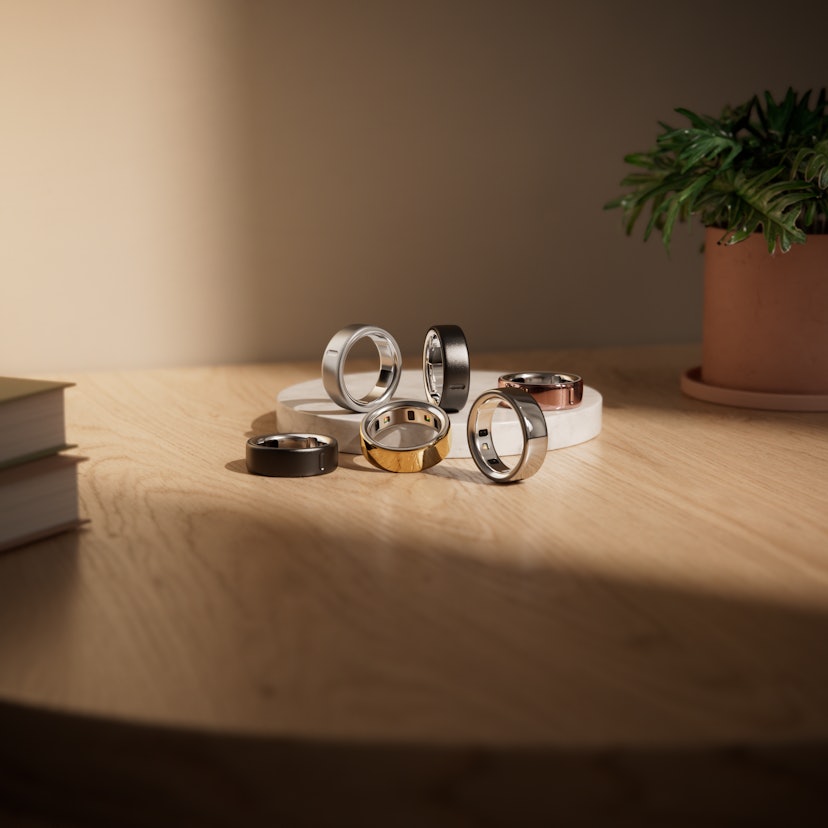
Oura Ring Gen 4
Redesigned smart ring with enhanced sensors, improved daytime heart rate accuracy, and expanded women’s health cycle tracking capabilities.
WHOOP 4.0
Screen-free fitness wearable focused on strain, recovery, and sleep metrics with continuous HRV monitoring and a subscription-based model.

WHOOP 5.0
Next-generation WHOOP with upgraded sensors, smaller form factor, and enhanced recovery analytics for serious athletes and health optimizers.
Garmin CIRQA Smart Band
Screen-free health and fitness band with heart rate, HRV, sleep, stress, skin temperature, Pulse Ox, Body Battery, connected GPS, wrist or upper-arm wear, and up to 10 days of battery life. $199.99 with no required subscription.
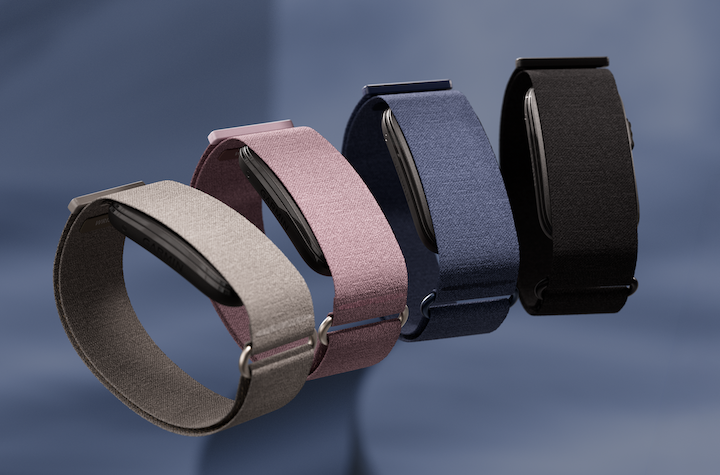
Hume Band 2.0
Screen-free wellness band tracking heart rate, HRV, SpO2, respiratory rate, skin temperature, sleep, activity, strain, and recovery, with proprietary Biological Age, Pace of Aging, Metabolic Capacity, and Metabolic Momentum scores. 5 LEDs and 4 photodiodes, IP68, up to 14-day battery, $249 sale price observed September 2026, and optional Premium coaching from $8.99/month. Blood-pressure insights are advertised, but Hume’s FAQ says the feature is pending FDA approval and a future app update. Consumer wellness device, not FDA cleared.
Polar Vantage V2
Multisport watch with wrist-based running power, VO2 max testing, and Polar’s orthostatic test for daily HRV and autonomic readiness assessment.

Polar Grit X Pro
Outdoor multisport watch with sapphire glass, turn-by-turn navigation, HRV-guided training recommendations, and military-grade durability.
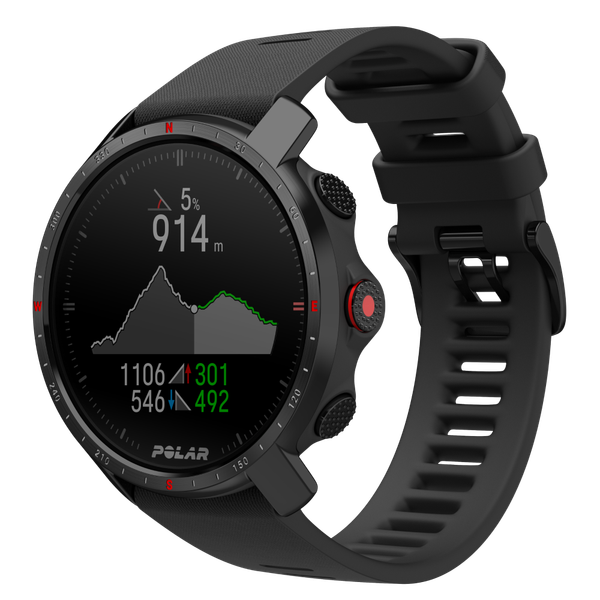
Polar Pacer Pro
Lightweight running watch with wrist-based running power, VO2 max estimation, and Polar’s Training Load Pro system for balanced training guidance.
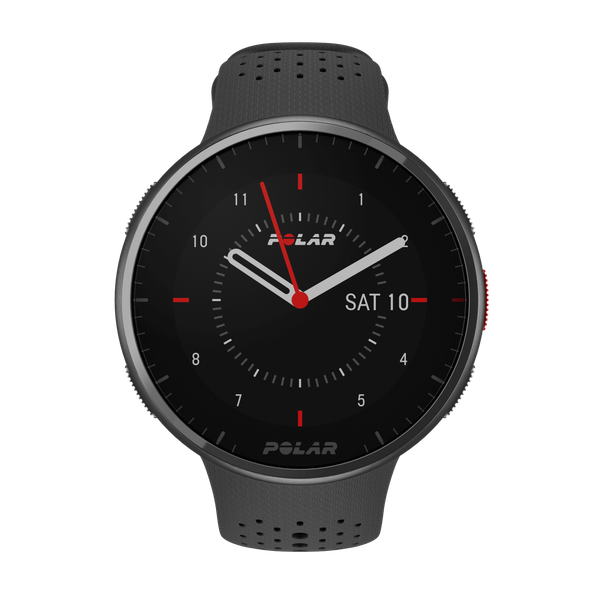
COROS VERTIX 2S
Adventure GPS watch with 140-hour GPS battery life, HRV tracking, dual-frequency satellite positioning, and offline mapping for remote exploration.
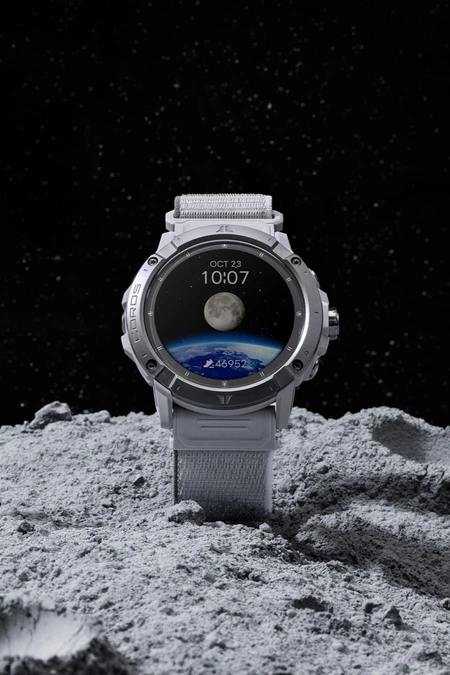
COROS APEX 4
Mountain-ready GPS watch with HRV-based training recommendations, altitude acclimatization tracking, and ceramic bezel durability.
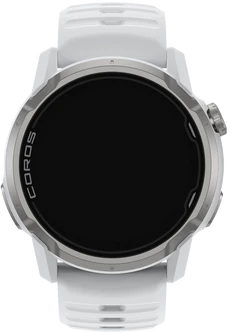
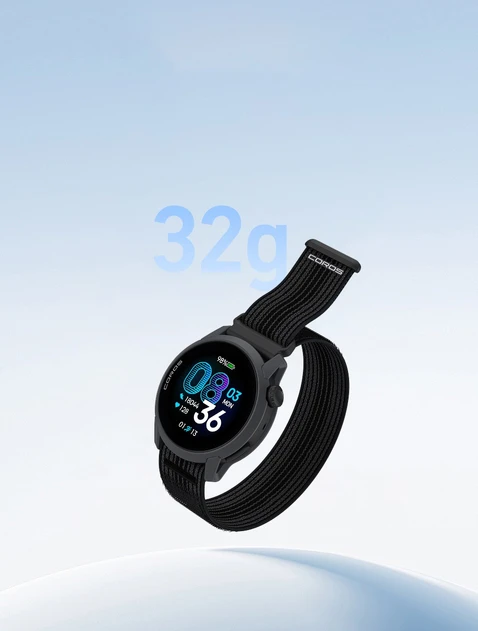
COROS PACE 4
Ultralight running watch at just 37 grams with AMOLED display, HRV monitoring, and impressive battery life for race-day and daily training use.
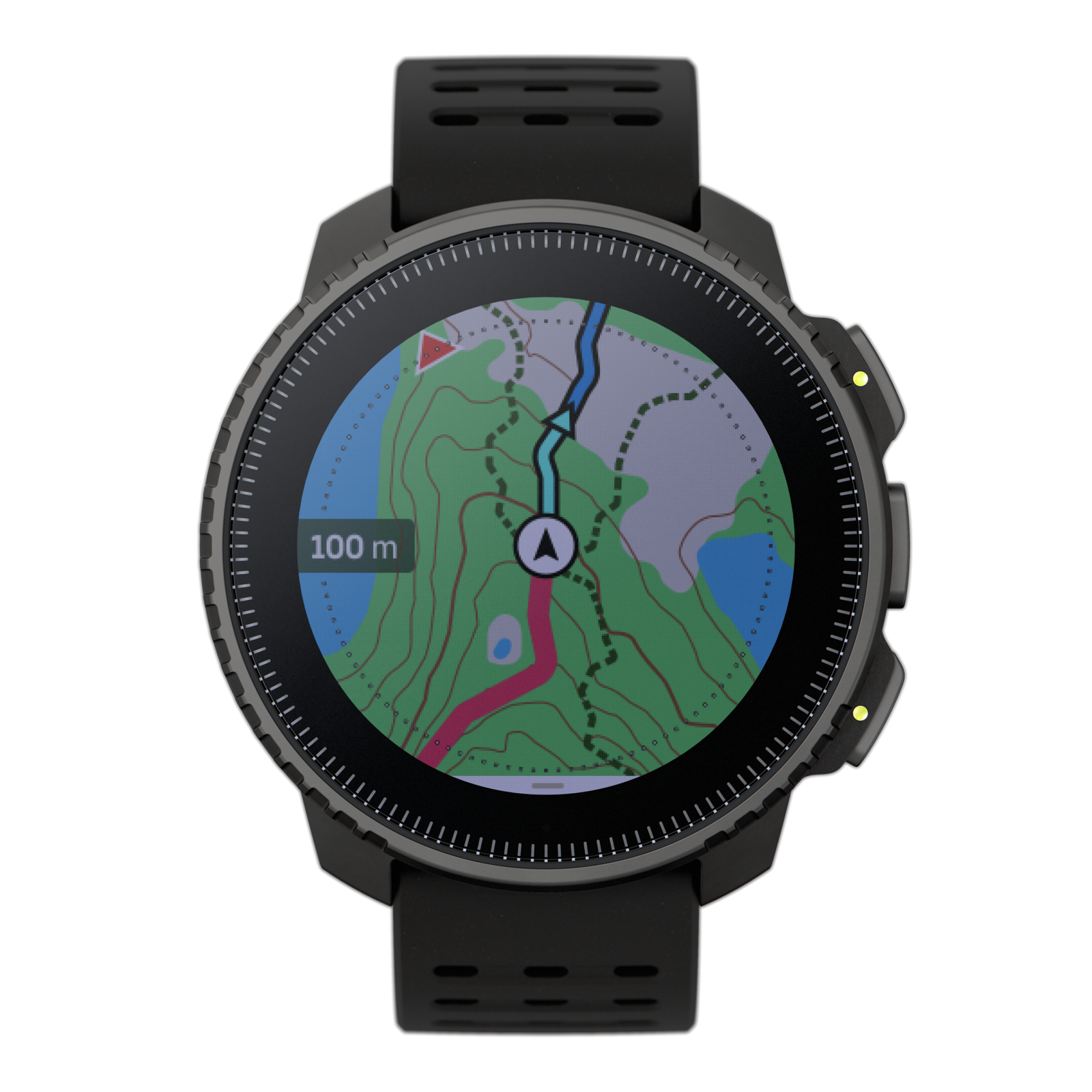
Suunto Vertical
Solar-charging adventure watch with offline maps, HRV tracking, and up to 85 hours of GPS tracking for ultra-distance and backcountry expeditions.
Suunto Race
Performance-focused GPS watch with a vibrant AMOLED display, HRV-based recovery insights, offline maps, and 40-hour GPS battery life.

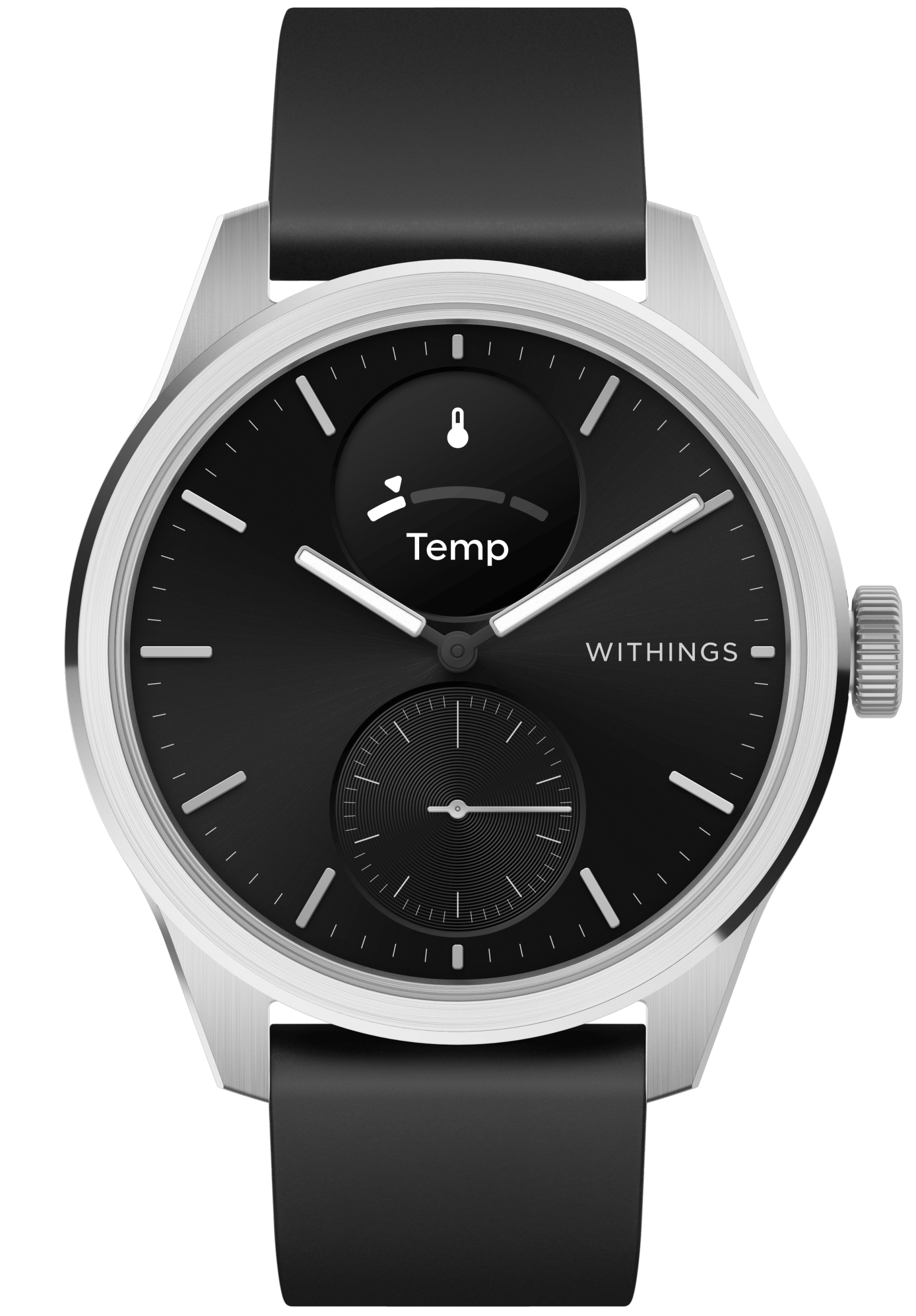
Withings ScanWatch
Hybrid analog smartwatch with medical-grade ECG and SpO2 sensors hidden beneath a traditional watch face, offering 30-day battery life.
Withings BPM Connect
Wi-Fi connected blood pressure monitor that automatically syncs readings to the Withings app and Apple Health for effortless long-term tracking.
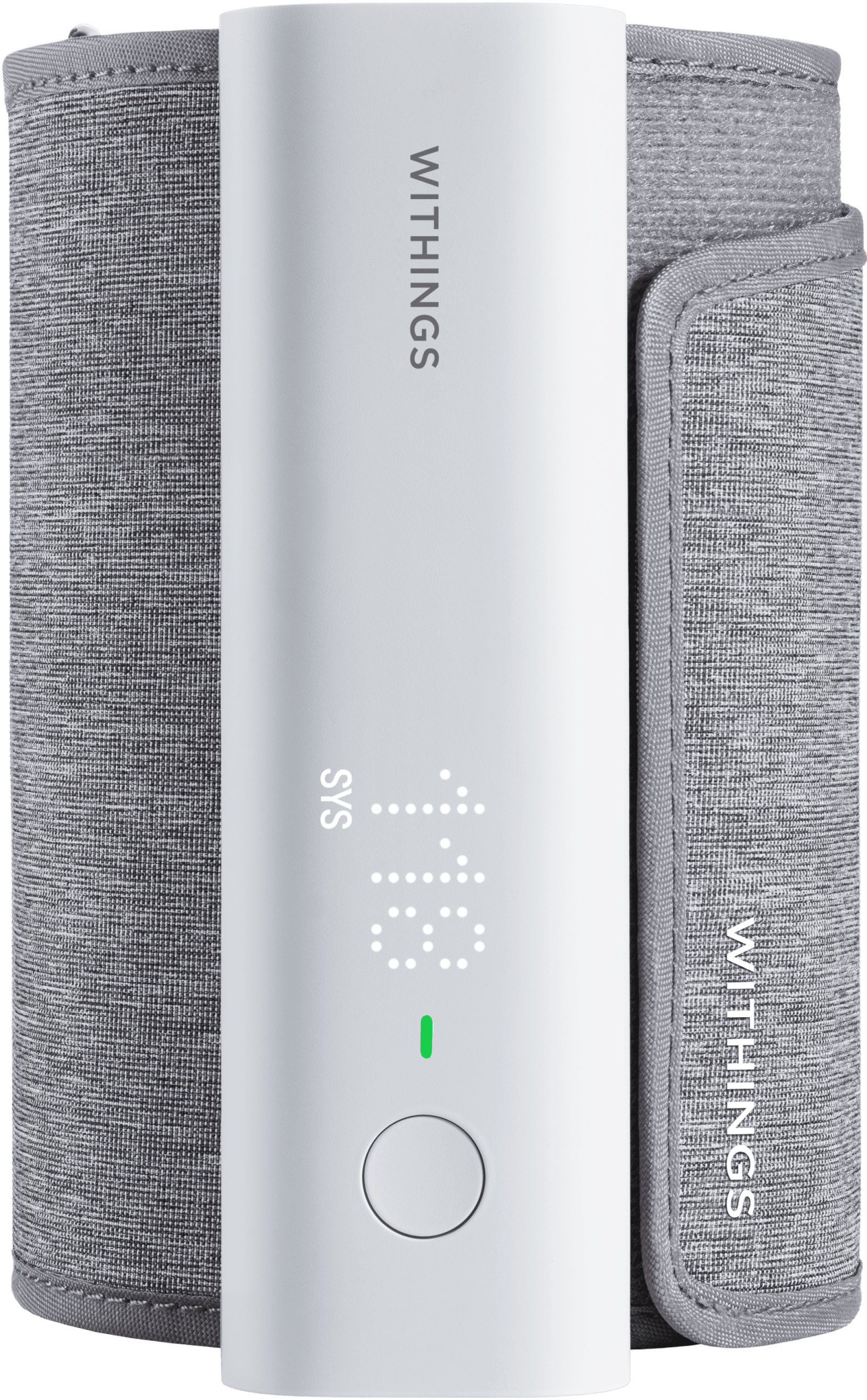
Withings BPM Core
Three-in-one device combining blood pressure measurement, ECG recording, and digital stethoscope for valvular heart disease screening at home.
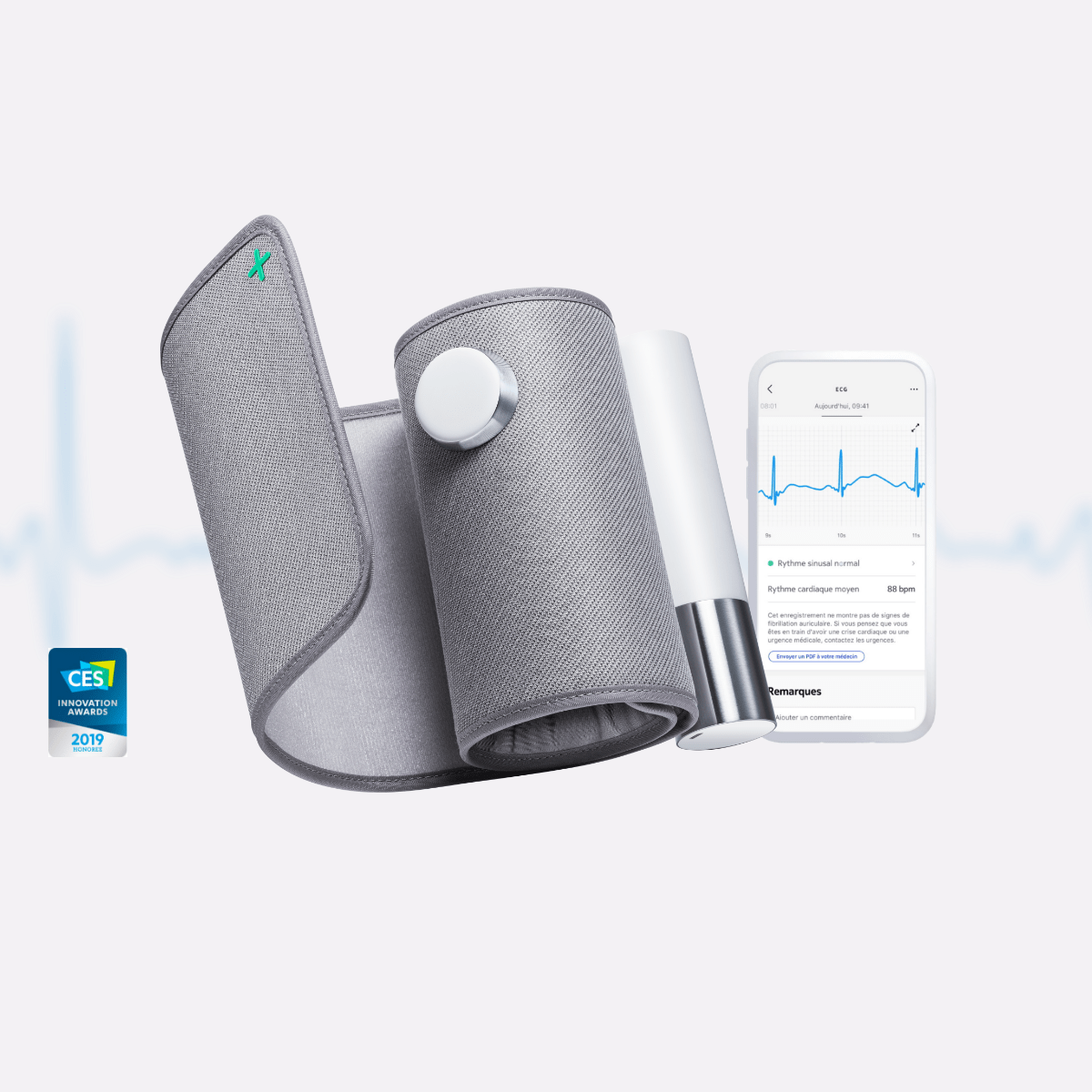
Withings Body Scan
Connected health station that captures segmental body composition, vascular age via pulse wave velocity, and a 6-lead ECG during each weigh-in.
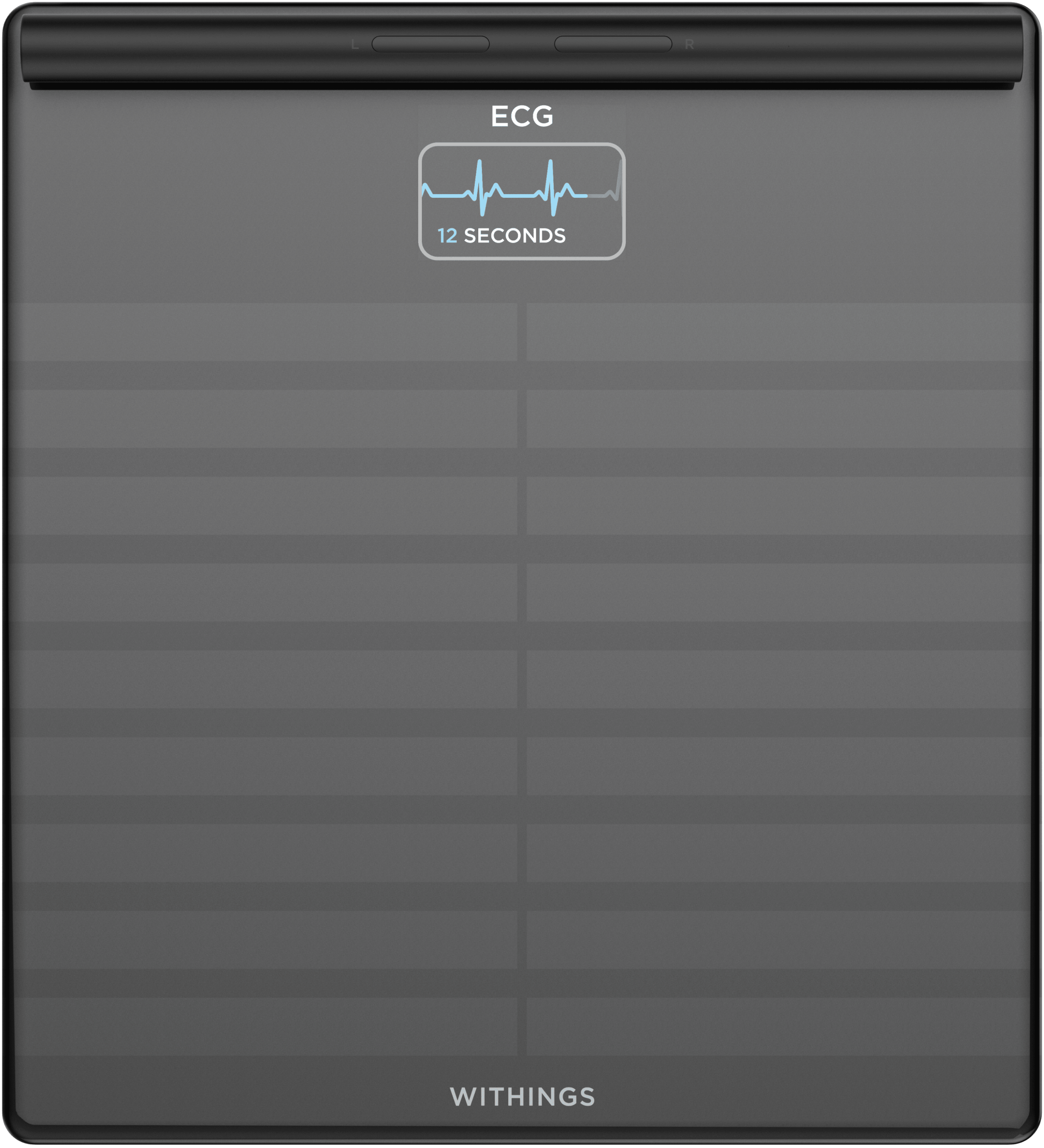
Omron HeartGuide
The only FDA-cleared wrist-worn blood pressure monitor in a watch form factor, using oscillometric technology for on-demand readings anywhere.
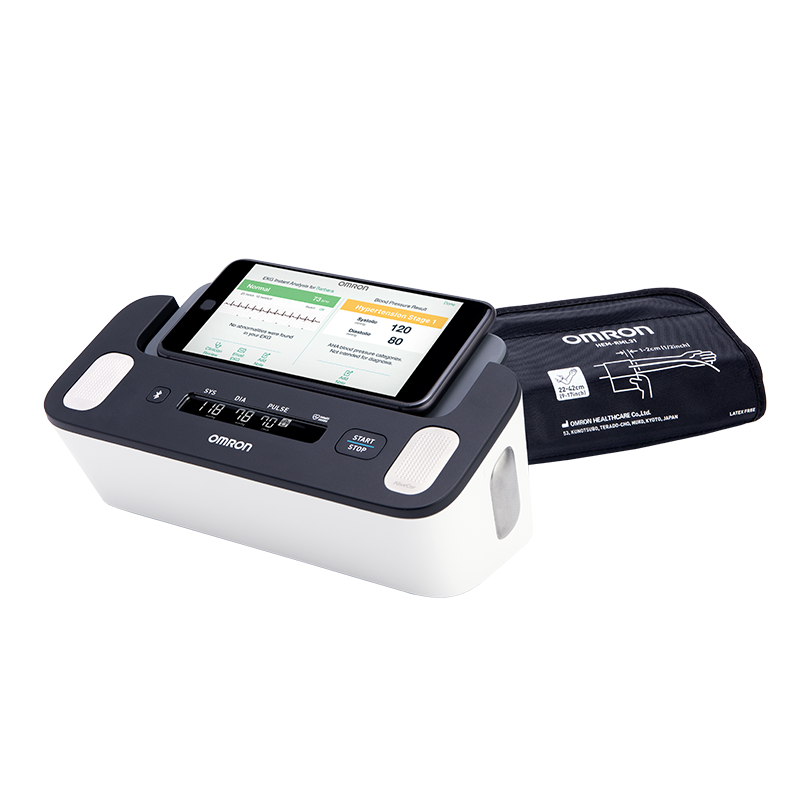
Omron Complete
Upper-arm blood pressure monitor with built-in single-lead ECG for simultaneous hypertension and atrial fibrillation screening in one device.
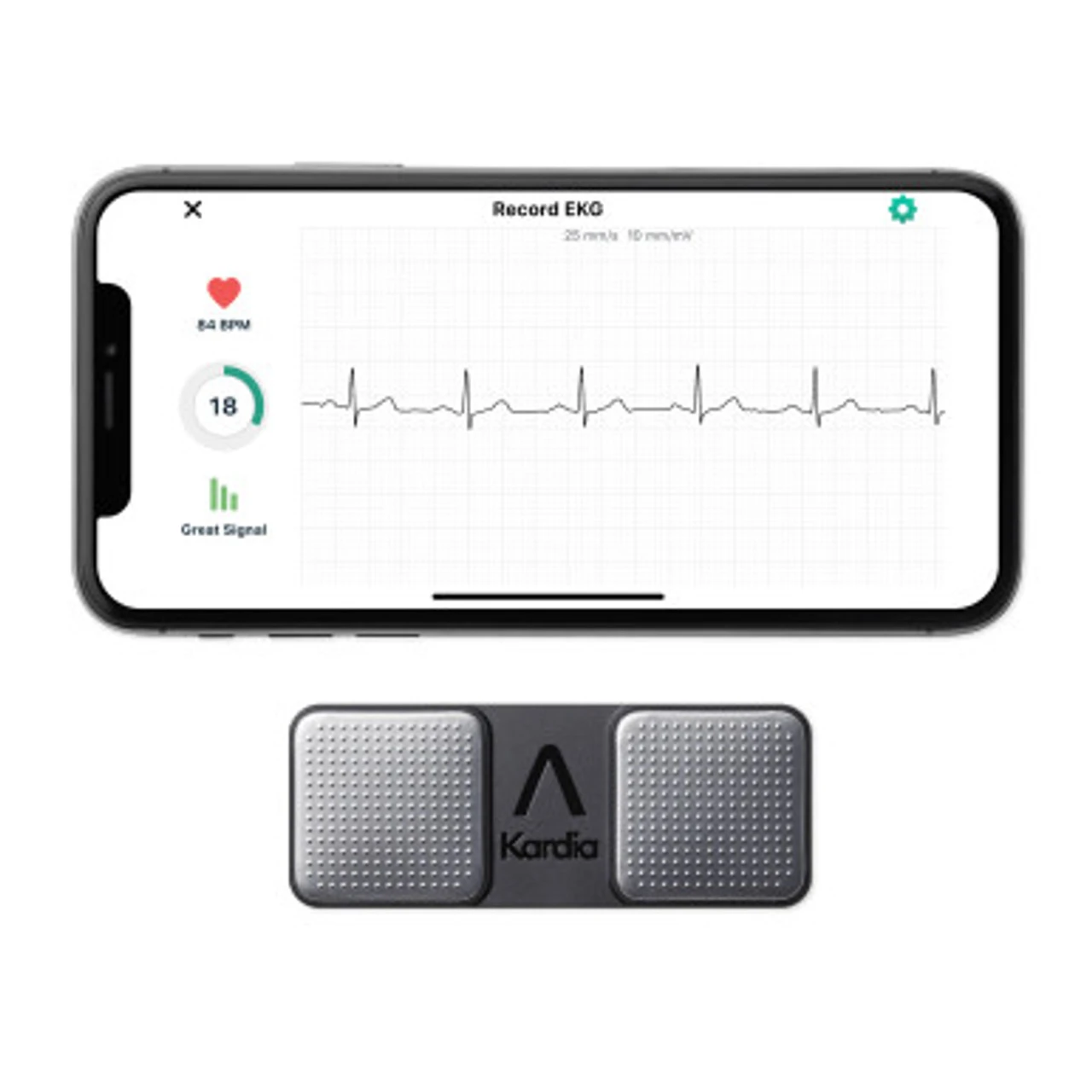
AliveCor KardiaMobile (1-lead)
Pocket-sized single-lead ECG that captures medical-grade rhythm strips in 30 seconds, with AI-powered detection of six arrhythmia types.
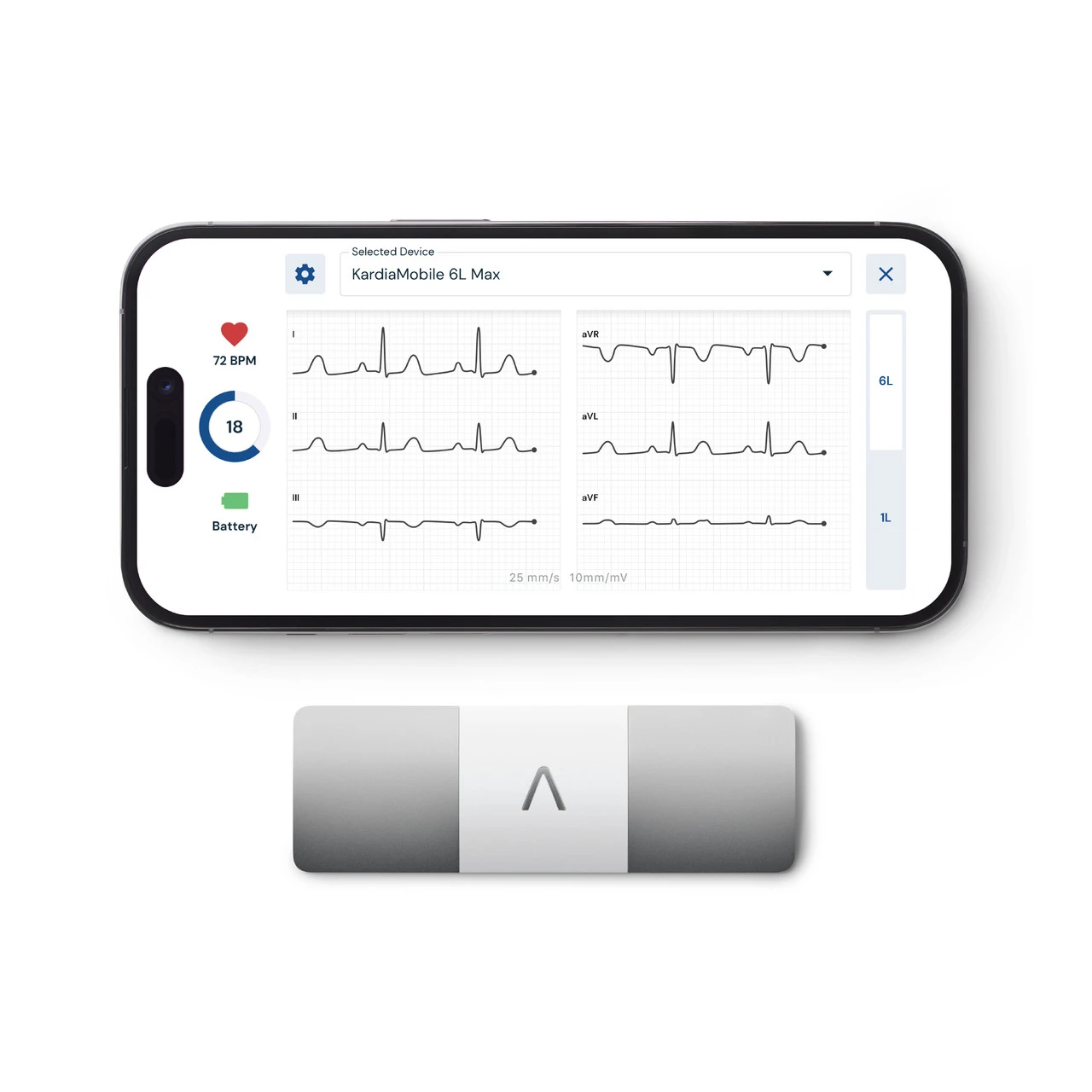
AliveCor KardiaMobile 6L
Six-lead personal ECG delivering clinical-depth cardiac data comparable to a physician’s office, FDA-cleared for detecting AFib and other arrhythmias.
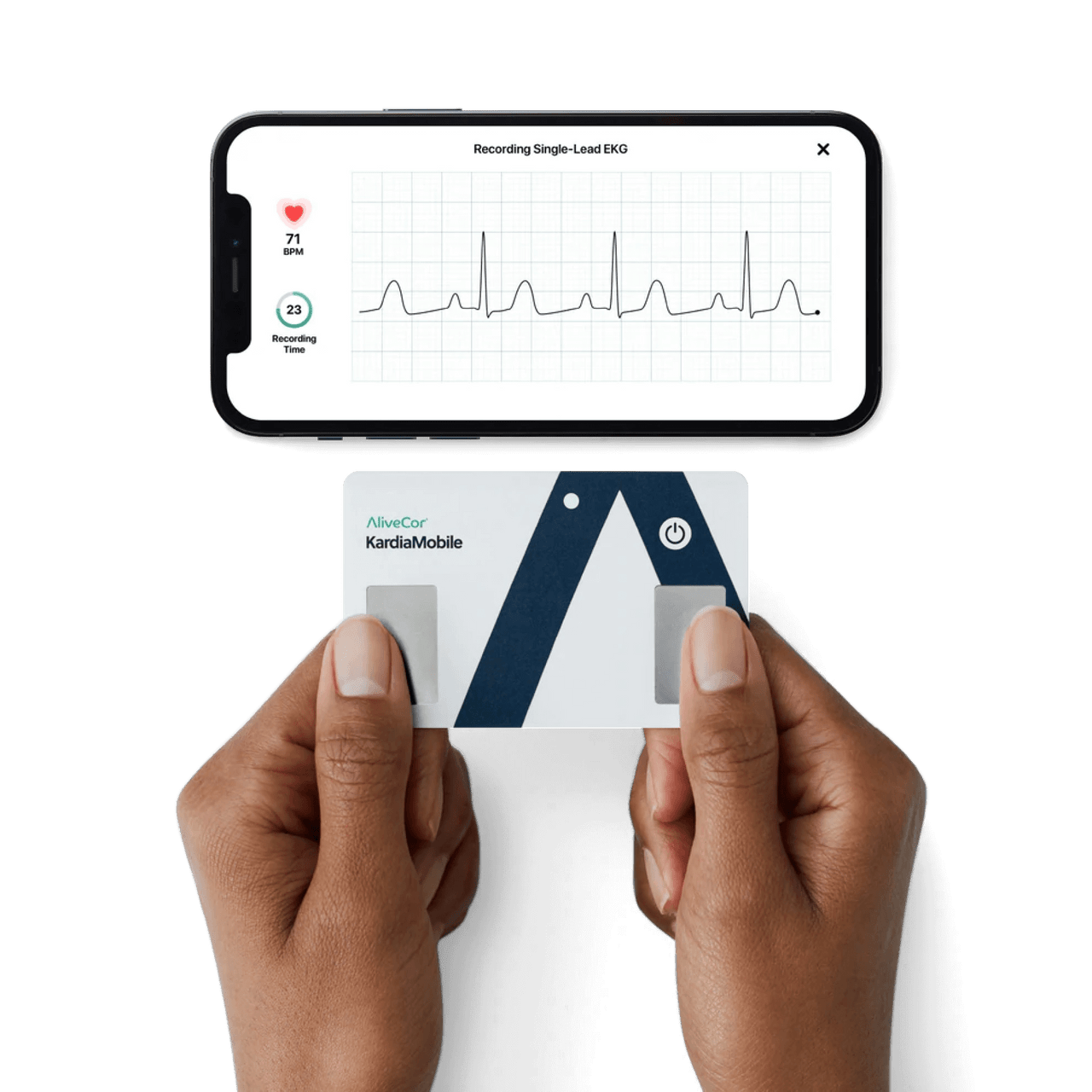
AliveCor KardiaMobile Card
Credit card-thin ECG device that fits in a wallet, enabling anytime, anywhere heart rhythm checks with the same FDA-cleared technology.
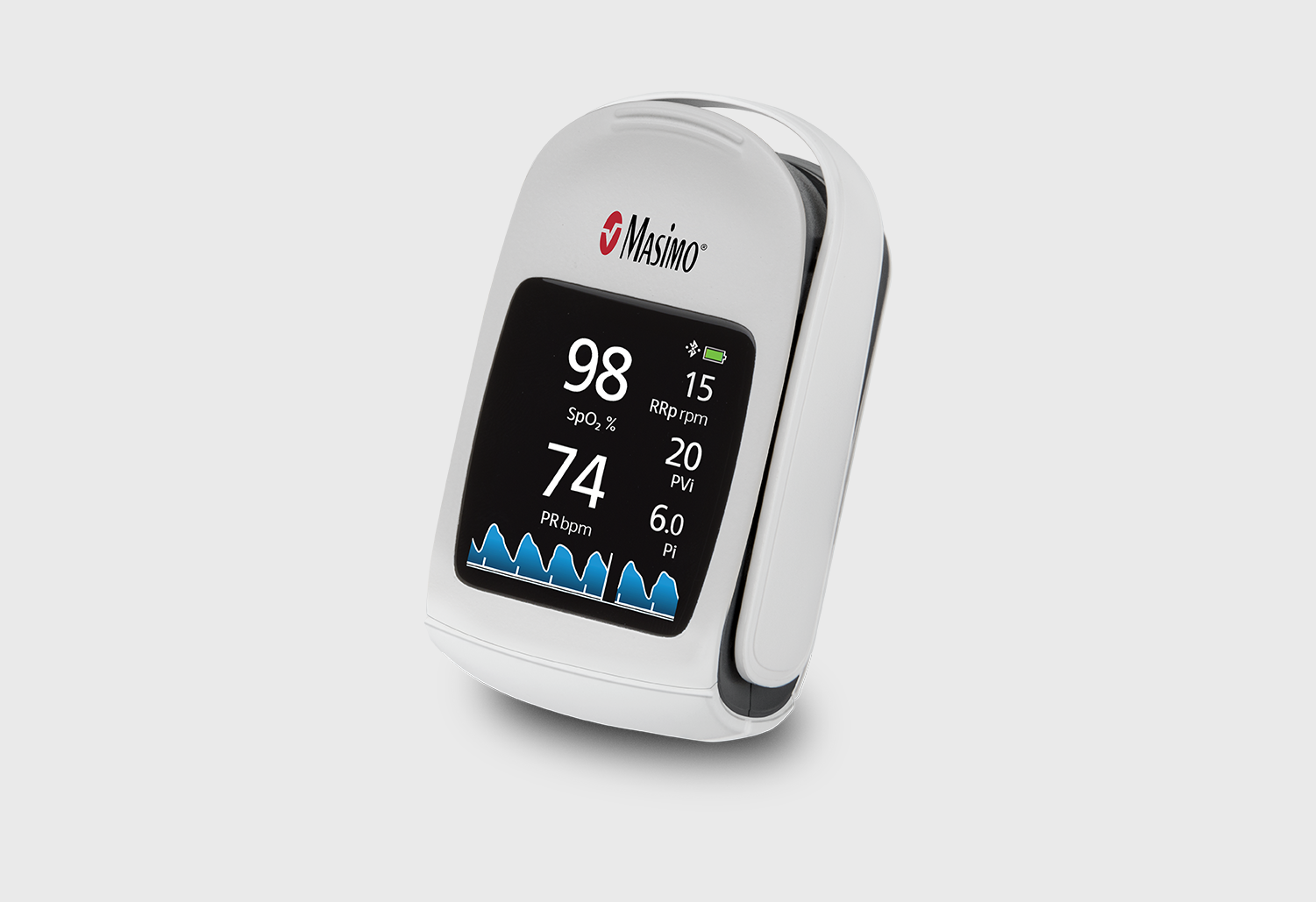
Masimo MightySat
Clinical-grade fingertip pulse oximeter from the hospital SpO2 standard-bearer, measuring oxygen saturation, perfusion index, and respiration rate.
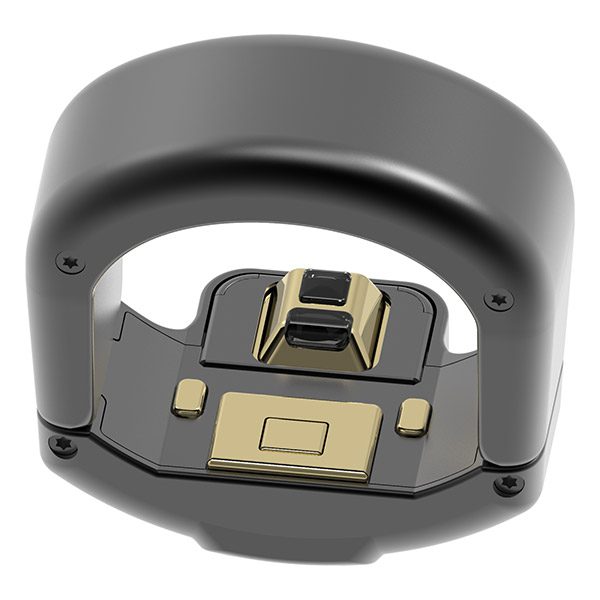
Bodimetrics Circul+ Ring
Smart ring focused on continuous overnight SpO2 monitoring, ideal for sleep apnea screening and oxygen desaturation tracking.
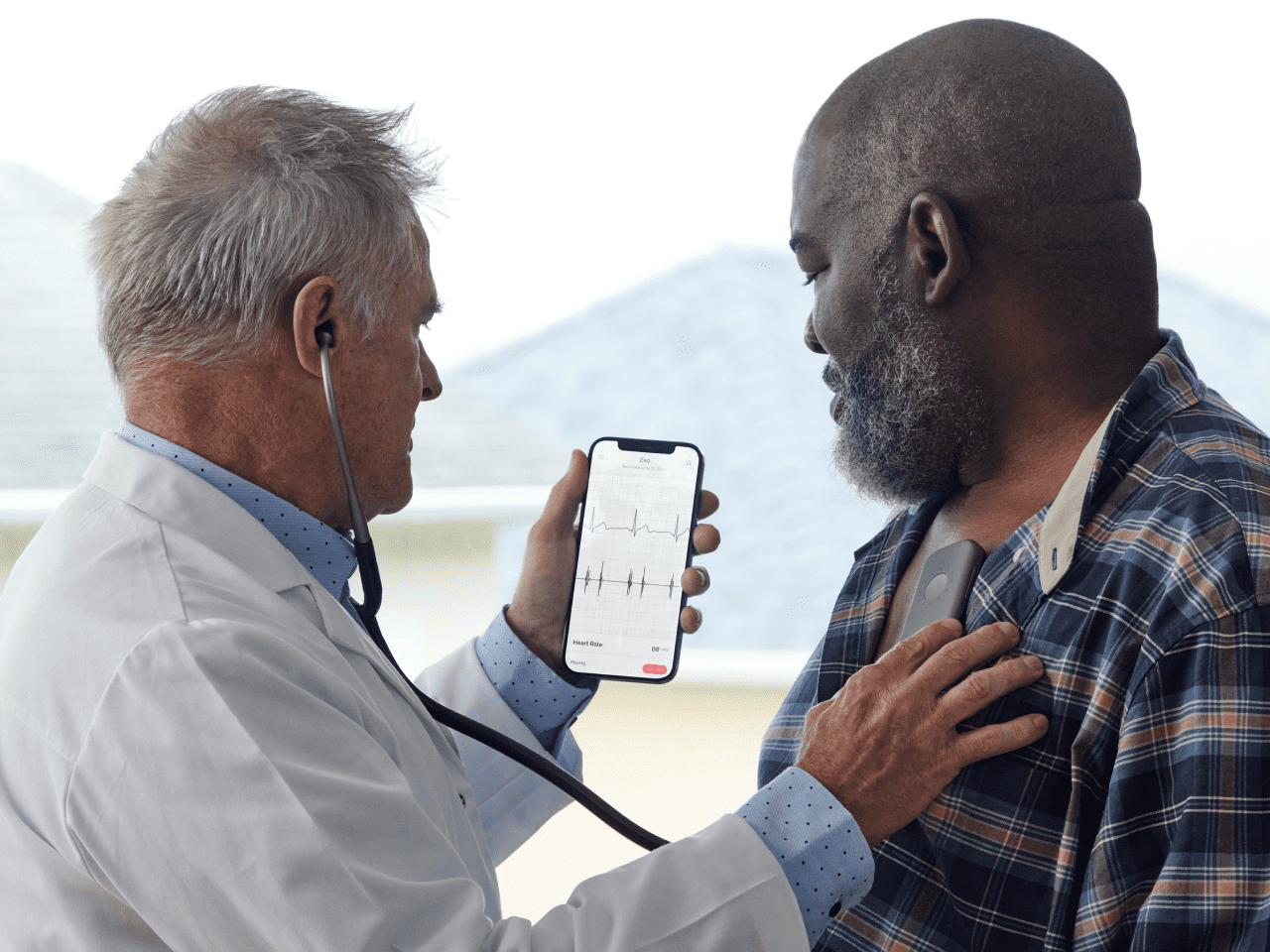
Eko Core 500 Digital Stethoscope
AI-powered digital stethoscope that detects heart murmurs and AFib with clinical accuracy, used by physicians and increasingly by informed consumers.

Eko Duo Digital Stethoscope + ECG
Combines digital auscultation with simultaneous ECG recording for comprehensive cardiac screening, bridging traditional and digital cardiology.
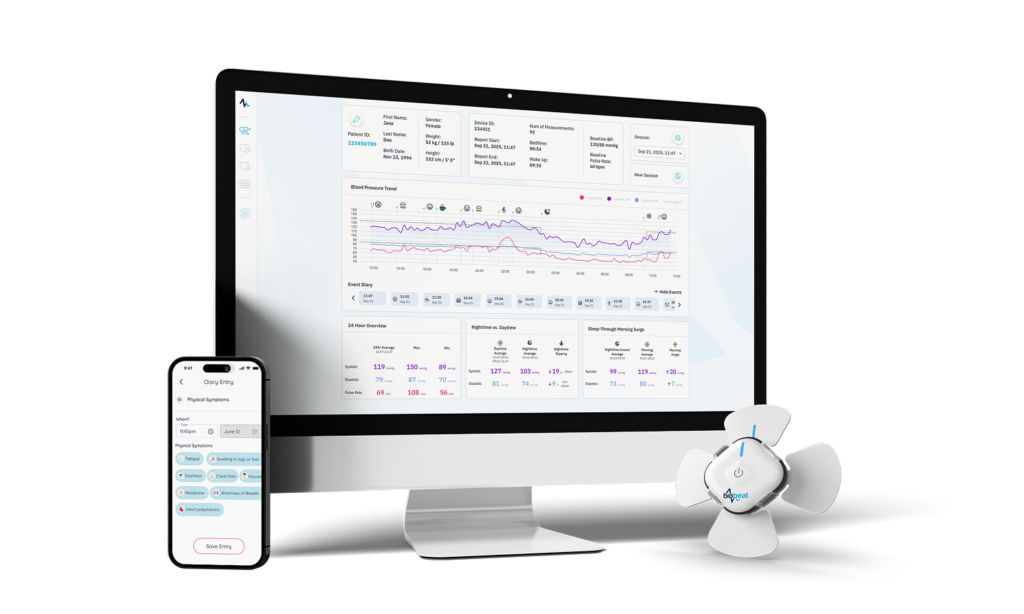
Biobeat BB-613
Cuffless blood pressure monitoring via optical sensors on a chest patch or wrist device, enabling continuous BP tracking without arm cuff inflation.
Aktiia Bracelet
CE-marked cuffless blood pressure bracelet that captures automatic readings throughout the day and night using optical pulse wave analysis.
Dreame Haptic AI Smart Ring
First smart ring with an integrated haptic feedback motor delivering real-time health alerts, AI-powered coaching, and continuous heart rate, SpO2, and stress monitoring from a titanium band.

Circular Ring 2
Medical-grade ECG smart ring with FDA-cleared atrial fibrillation detection, continuous heart rate and SpO2 monitoring, and 10-day battery life in a lightweight titanium design.

Amazfit Helio Ring
Budget-friendly titanium smart ring with EDA stress sensing, heart rate tracking, blood oxygen monitoring, and sleep analysis at a fraction of premium smart ring pricing.
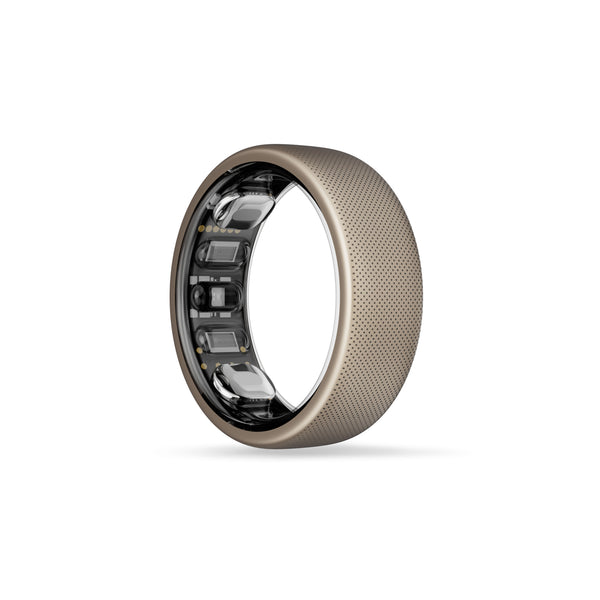
RingConn Gen 2
Advanced smart ring featuring sleep apnea screening, continuous heart rate and SpO2 tracking, stress monitoring, and up to 12 days of battery life with no subscription required.
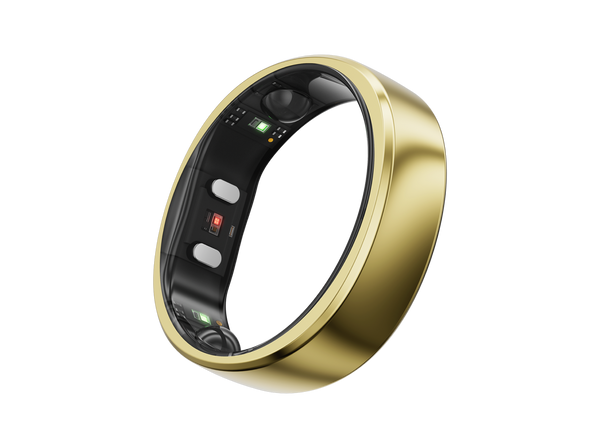
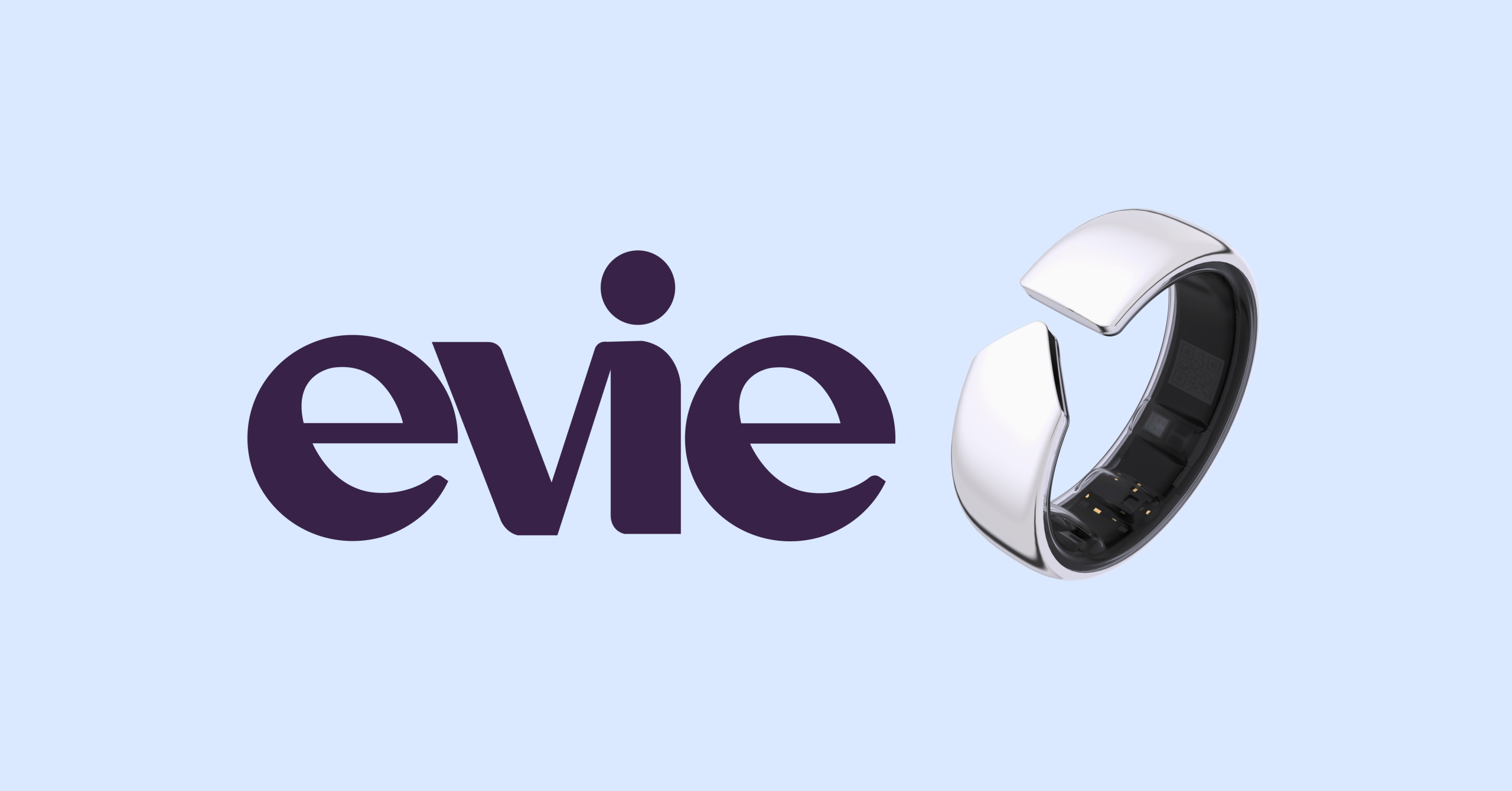
Movano Evie Ring
Women-focused smart ring designed for smaller fingers, tracking heart rate, SpO2, skin temperature, sleep stages, and menstrual cycle predictions with FDA clearance pending.
Dreame AI Blood Pressure Watch
AI-powered smartwatch delivering cuffless blood pressure monitoring alongside continuous heart rate, ECG, and health metrics with clinical-grade accuracy from an oscillometric PPG sensor array.

Garmin Venu 4
Garmin’s 2026 health smartwatch with an FDA cleared ECG app, health status alerts, a built in flashlight and up to 10 days of battery. $549, no subscription for core features.
Happy Ring
Smart ring FDA cleared in September 2026 for passive, cuffless systolic and diastolic blood pressure estimates that need no calibration against an arm cuff.
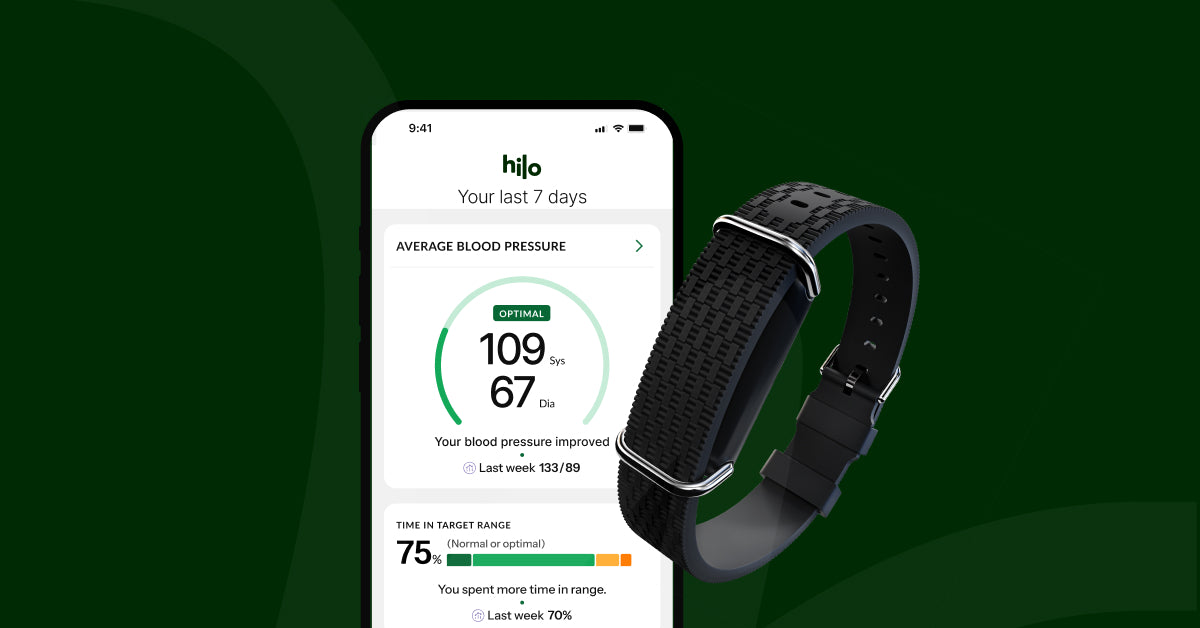
Hilo Core
Wrist band paired with an FDA cleared arm cuff that calibrates it, then tracks blood pressure trends between cuff readings. $89.99 band plus $149.99 a year.
Signal Ring
$399 titanium smart ring from Vital Signals that promises cuffless systolic and diastolic blood pressure readings from the finger, with no cuff calibration.
CONNEQT Pulse
FDA cleared upper arm monitor that adds central blood pressure and arterial stiffness measures to a standard reading. From $279.
🔬 Metabolic Health and Glucose Monitoring
Metabolic health sits at the foundation of nearly every chronic disease conversation in modern medicine. Research consistently shows that poor metabolic function, characterized by insulin resistance, unstable blood glucose, and dysfunctional fat metabolism, precedes and accelerates conditions from type 2 diabetes and cardiovascular disease to certain cancers and neurodegenerative decline. Yet metabolic dysfunction often develops silently over years, hiding behind normal fasting glucose numbers on standard blood panels.
Devices in this category reveal what traditional lab work misses: how your body responds to specific foods in real time, whether your metabolism favors fat or carbohydrate oxidation, how well your cells process glucose after meals, and where your ketone levels sit during fasting or ketogenic protocols. Continuous glucose monitors (CGMs) have moved beyond their origins in diabetes management to become powerful tools for metabolic optimization in healthy individuals. Breath analyzers measure ketone and CO2 levels to map metabolic flexibility. Portable metabolic analyzers quantify resting metabolic rate and fat-to-carbohydrate burn ratios with laboratory-caliber precision.
The evidence base here is compelling. Studies published in journals including Cell Metabolism and The Lancet have demonstrated that even people with “normal” blood glucose experience significant glucose spikes after meals, and that the magnitude and frequency of those spikes predict long-term metabolic risk. CGM data has also revealed striking individual variation in glycemic response to identical foods, challenging one-size-fits-all dietary advice and supporting personalized nutrition approaches.
These tools connect directly to the Nutrition pillar. A CGM paired with a metabolic breath analyzer gives you an extraordinarily detailed picture of how your body processes fuel, allowing you to fine-tune meal composition, timing, and exercise strategies based on your own physiology rather than generic recommendations.
Dexcom G7 CGM
Industry-leading continuous glucose monitor with a 30-minute warmup, 10.5-day wear time, and real-time glucose readings every five minutes.
Dexcom Stelo
Dexcom’s first over-the-counter CGM designed for non-diabetic wellness users, making clinical-grade glucose monitoring accessible without a prescription.
Abbott FreeStyle Libre 3
The world’s smallest, thinnest CGM sensor with real-time glucose readings, 14-day wear, and no scanning required for continuous data streaming.
Abbott FreeStyle Libre 3 Plus
Extended 15-day sensor life with improved adhesive and all the features of the Libre 3, designed for reduced sensor change frequency.
Medtronic Guardian 4 CGM
Designed to integrate with Medtronic insulin pump systems for automated insulin delivery, with predictive alerts and 7-day sensor wear.
Levels Health
Metabolic health platform pairing CGM data with food logging, scoring meals on glycemic impact and providing actionable insights for metabolic optimization.
Nutrisense
CGM program that pairs sensor data with access to registered dietitians for personalized coaching on glucose management and metabolic health.
Signos
CGM-based weight management program that uses real-time glucose data to guide meal timing, exercise, and eating windows for fat loss.
January AI
AI-powered platform that predicts your glucose response to meals from food photos, eventually reducing CGM dependence through personalized modeling.
Keto-Mojo GK+ Meter
Dual glucose and ketone blood meter offering lab-comparable accuracy at low per-strip cost, the gold standard for ketogenic diet monitoring.
Biosense Breath Ketone Meter
Clinical-grade breath acetone analyzer that measures ketone levels without finger pricks, tracking fat oxidation and metabolic flexibility.
Keyto Breath Sensor
Budget-friendly breath ketone sensor with app-guided dietary recommendations, designed for people beginning a low-carb or ketogenic lifestyle.
LEVL Breath Ketone Analyzer
Nanotechnology-based breath analyzer providing clinical-precision acetone measurement for tracking fat metabolism and ketosis depth.
Lumen Metabolic Analyzer
Handheld CO2 breath analyzer that measures your respiratory exchange ratio to determine whether you are burning fats or carbohydrates in real time.
PNOE Portable Metabolic Analyzer
Laboratory-grade portable metabolic testing system measuring VO2, VCO2, and respiratory exchange ratio for precise caloric and macronutrient guidance.
InsideTracker Ultimate Plan
Comprehensive blood biomarker platform analyzing up to 48 markers with personalized nutrition and lifestyle recommendations powered by AI.
SiPhox Health Core Panel
At-home finger-prick blood test covering ApoB, lipid panel, metabolic markers, and inflammation biomarkers with lab-grade accuracy.
Function Health Membership
Membership-based service testing over 100 biomarkers including metabolic, hormonal, and inflammatory panels with physician-reviewed results.
Everlywell Metabolic Panel
Affordable at-home metabolic testing covering HbA1c, lipids, and key metabolic markers with CLIA-certified lab processing and digital results.
Fora 6 Connect Multi-Parameter Meter
Six-in-one meter measuring glucose, ketones, uric acid, cholesterol, hemoglobin, and hematocrit from a single device for comprehensive metabolic screening.
Veri CGM
Consumer metabolic health platform pairing a continuous glucose monitor with personalized coaching, meal scoring, and actionable insights to optimize blood sugar stability and energy levels.
Supersapiens
Athlete-focused glucose monitoring system built on the Abbott Libre Sense, providing real-time fueling insights, glycogen depletion alerts, and performance optimization for endurance sports.
Biolinq Shine
FDA-cleared needle-free glucose sensor using a painless microneedle array to measure interstitial glucose without the lancets, fingersticks, or bulky transmitters of traditional CGMs.
Ultrahuman Ring Air
Titanium smart ring combining sleep, movement, and recovery tracking with optional CGM integration through the Ultrahuman M1 platform for a unified metabolic health ecosystem.
Abbott Libre Duo 10 Day
The first sensor to track glucose and ketones at the same time, FDA authorized in August 2026 for people with diabetes aged 2 and older who take insulin or certain other diabetes medications.
Sequel twiist
Automated insulin delivery system now FDA cleared for adults with insulin treated type 2 diabetes. In its trial, time in range rose from 57% to 73% with no severe lows.
Beta Bionics Mint
FDA cleared two piece insulin patch pump that never needs recharging and works with Dexcom G7 and FreeStyle Libre 3 Plus. US pharmacy launch planned for Q1 2027.
🌙 Sleep Monitoring
Sleep is not merely rest; it is an active, essential biological process that governs immune function, memory consolidation, hormonal regulation, cardiovascular repair, and emotional resilience. Research from institutions including the Walker Sleep Lab at UC Berkeley has demonstrated that consistently sleeping fewer than seven hours per night increases risks for Alzheimer’s disease, cardiovascular events, obesity, and depression. Yet most people have only a vague sense of their actual sleep quality, confusing time in bed with restorative sleep.
Sleep monitoring devices now track the full architecture of your night: light sleep, deep (slow-wave) sleep, REM sleep, awakenings, sleep latency, respiratory disturbances, heart rate dips, HRV patterns, skin temperature shifts, and even snoring events. Some devices sit on your wrist or finger. Others slip under your mattress or integrate directly into your bed’s thermal regulation system. Bedside devices use radar or sonar to track sleep without any body contact at all.
The clinical relevance is substantial. Sleep apnea affects an estimated 30 million Americans, and the vast majority remain undiagnosed. Consumer sleep trackers have begun to flag respiratory disturbances that prompt users to seek formal sleep studies, catching a condition that, left untreated, dramatically increases stroke and heart attack risk. Beyond clinical screening, sleep data helps you optimize the Sleep pillar by revealing how exercise timing, caffeine intake, alcohol, room temperature, and evening routines affect your actual sleep stages.
The most effective sleep monitoring setups combine a wearable for biometric data (heart rate, HRV, SpO2, temperature) with an environmental device that controls or measures bedroom conditions. When you can see that your deep sleep doubles on nights when your mattress temperature drops two degrees, you have actionable data that no sleep hygiene article can match.
Apple Watch Series 9 (Sleep)
Sleep stage tracking with respiratory rate monitoring and wrist temperature sensing, integrated into Apple Health’s comprehensive sleep analysis.
Garmin Venu 3 (Sleep)
Advanced sleep coaching with automatic nap detection, sleep score, and HRV-based feedback on sleep quality trends over time.
Muse S Athena Headband
EEG-based sleep tracker that measures actual brainwave activity during sleep, offering clinical-depth sleep staging from a soft fabric headband.
Eight Sleep Pod 3 Cover
Active thermal regulation mattress cover that heats and cools each side independently while tracking sleep stages, heart rate, and respiratory rate.
Eight Sleep Pod 3 Mattress
Full mattress with integrated thermal regulation and biometric tracking, automatically adjusting temperature through the night based on your sleep patterns.
Withings Sleep Analyzer
Under-mattress sleep tracker with clinically validated sleep apnea detection, automatic sleep staging, and snoring measurement requiring zero body contact.
Emfit QS
Under-mattress sensor favored by professional athletes and coaches for its detailed HRV and recovery analytics during sleep, with no wearable required.
SleepScore Max
Bedside contactless sleep tracker using bio-motion sonar technology to measure breathing patterns, body movement, and sleep stages without wearing anything.
Google Nest Hub 2nd Gen (Sleep)
Smart display using Soli radar technology to detect sleep patterns, breathing disturbances, and coughing or snoring events from your nightstand.
ResMed AirSense 11 CPAP
Premium auto-adjusting CPAP machine with integrated sleep tracking, cloud connectivity, and personalized therapy adjustments for sleep apnea treatment.
Elemind Sleep Headband
Neurostimulation headband that detects alpha brainwaves in real time and delivers precisely timed acoustic stimulation to accelerate sleep onset without drugs or supplements.
🪻 Respiratory Health and VO2 Max
VO2 max, your body’s maximum rate of oxygen consumption during intense exercise, has emerged as one of the single strongest predictors of all-cause mortality. A landmark study published in JAMA Network Open found that individuals with low cardiorespiratory fitness faced higher mortality risk than those who smoked, had diabetes, or had coronary artery disease. In practical terms, improving your VO2 max by even a small margin can shift your longevity odds more than nearly any other single intervention.
Devices in this category span a wide range of sophistication. Consumer fitness watches estimate VO2 max using algorithms that analyze heart rate response to exercise, providing trending data that helps you gauge whether your cardiorespiratory fitness is improving over time. Portable metabolic analyzers measure actual gas exchange (oxygen consumed and carbon dioxide produced) during exercise, delivering laboratory-grade VO2 max values without the cost of a hospital-based cardiopulmonary exercise test. Spirometers measure lung function parameters like FEV1 and peak expiratory flow, essential for managing asthma, COPD, and monitoring respiratory health over time. Respiratory muscle trainers strengthen the diaphragm and intercostal muscles, improving breathing efficiency during exercise and daily life.
These devices serve the Movement and Breathwork pillars simultaneously. Tracking VO2 max over months reveals whether your training program is actually building cardiovascular capacity. Home spirometry lets people with respiratory conditions manage their health proactively rather than reactively. And respiratory muscle trainers, supported by growing clinical evidence, can improve exercise tolerance, reduce breathlessness, and enhance athletic performance by strengthening the muscles that power every breath you take.
Apple Watch Series 9 (VO2 Max)
Cardio fitness level estimation with low cardiorespiratory fitness notifications, integrating VO2 max trends into Apple Health’s longitudinal health record.
KORR CardioCoach
Portable VO2 max and resting metabolic rate testing system used by fitness facilities, combining true gas exchange measurement with automated reporting.
VO2 Master Analyzer
Lightweight face-mask metabolic analyzer for real-time VO2 and VCO2 measurement during any exercise, from treadmill tests to outdoor cycling.
Cosmed K5 CPET
Gold-standard portable cardiopulmonary exercise testing system used in research and clinical settings for definitive VO2 max and metabolic threshold assessment.
NuvoAir Home Spirometer
Connected home spirometer for daily lung function monitoring, tracking FEV1 and FVC trends with automatic data sharing to healthcare providers.
MIR Smart One Spirometer
Pocket-sized Bluetooth spirometer and peak flow meter that connects to a smartphone app for asthma and COPD self-management.
Airofit PRO Respiratory Trainer
Smart respiratory muscle trainer with app-guided exercises, adjustable resistance, and real-time lung capacity measurement for athletes and respiratory patients.
Featured Partner
Invest in the Infrastructure Behind Modern Medicine
As healthcare expands beyond hospital walls, the buildings and campuses supporting that shift are generating compelling returns for investors who move early. The Healthcare Real Estate Fund offers qualified investors direct access to a curated portfolio of medical office, outpatient, and specialty care facilities.
Learn More →
PowerBreathe Plus
Evidence-backed inspiratory muscle trainer with calibrated resistance levels, clinically shown to improve breathing strength and exercise performance.
The Breather Respiratory Trainer
Dual inspiratory and expiratory muscle trainer used in pulmonary rehabilitation, with independent resistance dials for targeted breathing muscle strengthening.
Owlet Dream Sock
Infant-specific pulse oximetry sock that tracks baby’s heart rate and oxygen levels during sleep, alerting parents to potential breathing concerns.
⚖️ Body Composition Analysis
Body weight alone tells you almost nothing about health. Two people at the same weight can have dramatically different health profiles depending on their ratio of lean muscle to body fat, where that fat is stored, their bone mineral density, and their hydration status. Visceral fat, the metabolically active fat surrounding internal organs, is one of the strongest independent predictors of cardiovascular disease, type 2 diabetes, and all-cause mortality. Yet a standard bathroom scale cannot distinguish a pound of visceral fat from a pound of muscle.
Body composition analysis devices use a range of technologies to look beneath the surface. Bioelectrical impedance analysis (BIA) scales send small electrical currents through the body to estimate fat mass, lean mass, bone mass, and water content. Advanced models perform segmental analysis, measuring each limb and the trunk independently to identify muscle imbalances or asymmetrical fat distribution. 3D body scanners capture thousands of surface measurements using infrared cameras or depth sensors, tracking circumference changes and visualizing body shape shifts that no scale can detect. Near-infrared (NIR) scanners measure subcutaneous and visceral fat at specific body sites. And mobile DEXA scans bring the gold-standard clinical body composition assessment directly to consumers.
For anyone focused on longevity, tracking body composition over time reveals whether your nutrition and movement practices are building protective lean mass and reducing dangerous visceral fat. Sarcopenia, the age-related loss of muscle mass, accelerates after age 40 and significantly increases fall risk, metabolic dysfunction, and mortality. Catching muscle loss early through regular body composition assessment allows you to intervene with resistance training and protein optimization before the decline becomes clinically significant.
Withings Body Scan 2
Updated longevity-focused smart scale with enhanced segmental composition accuracy, expanded health metrics, and seamless Withings ecosystem integration.
Withings Body Comp
Mid-range smart scale with visceral fat estimation, muscle and fat mass breakdown, and a Health Improvement score that tracks body composition trends.
Withings Body Cardio
Smart scale measuring pulse wave velocity as a marker of arterial stiffness alongside body composition, bridging cardiovascular and weight monitoring.
InBody H20N
Consumer version of InBody’s professional BIA technology, delivering multi-frequency bioimpedance analysis for clinical-grade body composition at home.
Tanita BC-533 Glass Innerscan
Japanese-engineered body composition scale with metabolic age calculation, visceral fat rating, and dual-frequency measurement for improved accuracy.
Renpho Smart Scale
Best-selling budget body composition scale with 13 metrics, app connectivity, and integration with Apple Health, Google Fit, and Fitbit.
Garmin Index S2
Body composition scale that feeds weight, body fat, BMI, and skeletal muscle mass directly into Garmin Connect for unified fitness and health tracking.
Fitbit Aria Air
Simple, affordable smart scale that syncs weight and BMI to the Fitbit app, ideal for users already invested in the Fitbit ecosystem.
QardioBase 2
Smart scale with a dedicated pregnancy mode for healthy weight gain tracking, plus body composition analysis and a feedback-free weighing option.
Naked Labs 3D Body Scanner
Home 3D body scanner with rotating mirror and depth sensors, capturing body fat percentage and circumference measurements with visual body model tracking.
Styku 3D Body Scanner
Commercial-grade 3D body scanner found in gyms and clinics, capturing hundreds of measurements in seconds with health risk assessments and progress visualization.
Fit3D ProScanner
360-degree body scanning platform for wellness facilities, producing detailed body composition reports, posture analysis, and visual body shape comparisons over time.
Bello 2 Fat Scanner
Handheld near-infrared device that measures belly fat composition including visceral fat levels, providing targeted insights no scale can offer.
BodySpec Mobile DEXA
Mobile DEXA scanning service that brings gold-standard body composition and bone density assessment directly to consumers at accessible pricing.
Hume Body Pod
8-electrode, multi-frequency BIA smart scale measuring 45+ body composition metrics including segmental analysis, visceral fat, muscle mass, and metabolic age. Claims 98% correlation with DEXA for fat-free mass and body fat percentage. Retractable hand electrodes for full-body measurement. $165 to $229, no subscription required. HSA/FSA eligible.
🧠 Neurological and Cognitive Health
The brain consumes roughly 20% of the body’s energy while comprising just 2% of its mass, making it simultaneously the most metabolically demanding and most difficult organ to monitor. Until recently, meaningful brain health data required expensive clinical EEG equipment, trained technicians, and laboratory settings. A new generation of consumer and prosumer neurotechnology devices has changed that landscape, putting brainwave monitoring, neurofeedback training, and targeted brain stimulation within reach of anyone committed to cognitive health optimization.
Devices in this category fall into three functional groups. EEG headbands and headsets measure electrical activity across the brain’s surface, translating brainwave patterns into actionable data about focus, calm, meditation depth, and sleep quality. Neurofeedback devices go further by using those real-time brainwave readings to guide training sessions that help users strengthen desired mental states, from deep focus to relaxed alertness. Neuromodulation devices, including transcranial direct current stimulation (tDCS) headsets and pulsed electromagnetic field (PEMF) headbands, deliver gentle energy to specific brain regions to influence mood, attention, and sleep onset.
The clinical evidence varies across these modalities. EEG-based meditation feedback has peer-reviewed support showing it accelerates meditation skill acquisition and reduces anxiety. Neurofeedback protocols have decades of clinical research behind them for attention disorders and peak performance training. tDCS for depression has been studied in randomized controlled trials, with some devices achieving regulatory clearance for treatment-resistant depression in Europe. PEMF and brainwave entrainment technologies carry earlier-stage evidence but show promising results in preliminary trials.
These devices connect directly to the Mindset pillar. Quantifying your meditation practice, training your brain’s attention networks, or supporting mood regulation with gentle stimulation transforms cognitive health from an abstract aspiration into a measurable, trainable domain.
Muse 2 Headband
Multi-sensor meditation headband providing real-time EEG brainwave, heart rate, breath, and body movement feedback during meditation sessions.
Emotiv Insight 2.0
Five-channel wireless EEG headset measuring attention, stress, relaxation, engagement, and interest with research-validated signal quality.
Emotiv EPOC X
14-channel research-grade EEG headset for detailed brain mapping, cognitive performance research, and advanced neurofeedback applications.
NeuroSky MindWave Mobile 2
Entry-level single-channel EEG headset offering attention and meditation level monitoring at the most accessible price point in consumer neurotechnology.
Neurosity Crown
Productivity-focused EEG device that detects and trains flow states, measuring focus levels and providing real-time cognitive performance feedback for knowledge workers.
BrainCo FocusCalm
EEG headband with gamified neurofeedback training for focus and calm, using interactive games and guided sessions to strengthen attention control.
Apollo Neuro
Vibrotactile wearable delivering gentle vibration patterns to activate the parasympathetic nervous system, clinically shown to improve HRV, focus, and sleep.
Flow Neuroscience tDCS Headset
CE-marked transcranial direct current stimulation device for depression treatment, delivering targeted electrical stimulation to the prefrontal cortex with clinical evidence.
NeoRhythm PEMF Headband
Pulsed electromagnetic field headband using frequency-specific stimulation patterns to support relaxation, focus, meditation, and sleep onset.
BrainTap Headset
Audio-visual brainwave entrainment headset combining binaural beats, guided visualization, and light therapy to guide the brain into targeted states.
Flow Neuroscience FL-100
FDA-approved transcranial direct current stimulation headset delivering targeted neuromodulation for depression treatment, paired with a CBT-based therapy app and clinician monitoring dashboard.
Kernel Flow 2
Portable brain imaging headset combining functional near-infrared spectroscopy and EEG to measure cortical hemodynamics and neural activity outside the laboratory for research and clinical applications.
Neurable MW75 Neuro
Premium noise-canceling headphones with embedded EEG brain sensors that track focus, stress, and cognitive load in real time, offering productivity insights and distraction-blocking features.
Mendi
Neurofeedback headband that measures prefrontal blood flow with fNIRS instead of EEG and trains focus through a game style app. $299, no subscription.
Empatica Parkinson’s Monitoring
FDA cleared wearable platform that gives clinicians at home measures of Parkinson’s slowness, dyskinesia, tremor, sleep and medication timing.
🏃 Movement and Biomechanics
Movement is the foundation of longevity, but how you move matters as much as how often. A growing body of research confirms that biomechanical efficiency, postural alignment, and force production capacity are powerful predictors of long-term health. A 2022 study in The Lancet found that grip strength and gait speed independently predict cardiovascular mortality and cognitive decline. Meanwhile, velocity-based training research shows that monitoring power output prevents overtraining while maximizing strength gains across all age groups.
Modern movement and biomechanics devices go far beyond step counting. Running power meters quantify ground contact dynamics and running economy. Smart insoles map pronation patterns and cadence asymmetries that lead to injury. Velocity trackers in the weight room measure bar speed to autoregulate intensity, a method validated in sports science for reducing injury risk while accelerating adaptation. Posture trainers use gentle biofeedback to correct spinal alignment throughout the day, addressing the postural deterioration that contributes to chronic pain and reduced lung capacity.
Connected strength platforms bring lab-grade motion analysis into the home. Camera-based and sensor-based systems track repetition quality, range of motion, and force curves, giving users the kind of feedback that was once exclusive to professional sports teams and rehabilitation clinics.
These devices work together as a comprehensive movement ecosystem. A runner might pair a power pod with smart insoles to optimize both energy output and gait mechanics, while a strength athlete could combine velocity tracking with a smart gym platform for precise load management. Anyone concerned with aging well should consider devices in this category, because maintaining movement quality is one of the most evidence-backed strategies for extending healthspan.
Stryd Running Power Pod
Foot-mounted running power meter that measures watts, ground contact time, leg spring stiffness, and form power. Enables pace-independent intensity tracking across hills and wind.
Nurvv Run Smart Insoles
Pressure-sensing insoles with 32 sensors per foot that map pronation, cadence, step length, and footstrike pattern. Provides real-time coaching cues to correct gait asymmetries.
PUSH Band 2.0
Wrist-worn velocity tracker for strength training that measures bar speed, power output, and rep-by-rep fatigue. Enables autoregulated training based on real-time velocity loss thresholds.
GymAware PowerTool
Professional-grade linear position transducer trusted by elite sports programs worldwide. Measures barbell velocity, displacement, and power with sub-millimeter accuracy.
Upright GO 2 Posture Trainer
Small adhesive device worn on the upper back that vibrates when you slouch. Tracks daily posture habits and gradually trains spinal alignment through gentle biofeedback sessions.
FORM Smart Swim Goggles
Swim goggles with a transparent heads-up display showing real-time pace, stroke rate, distance, and split times. Integrates with heart rate monitors for in-water training zones.
Tonal Smart Gym
Wall-mounted electromagnetic resistance system offering up to 200 pounds of digitally controlled weight. Uses AI to adjust resistance dynamically and tracks strength metrics across every rep.
Peloton Guide
Camera-based strength training tracker that uses computer vision to count reps, monitor form, and display your movement alongside instructors. Affordable entry point for connected fitness.
Vitruvian Trainer+
Platform-based adaptive resistance trainer that delivers up to 440 pounds of force through a compact floor unit. Features eccentric overload modes and real-time power tracking.
Mirror by Lululemon
Full-length interactive mirror that streams live and on-demand workouts across cardio, strength, yoga, and boxing. Shows your reflection alongside the instructor for real-time form comparison.
Tempo Studio
Home gym with built-in 3D motion sensors that track your body through every exercise. Counts reps automatically, flags form errors, and recommends weight progressions based on performance data.
Cionic Neural Sleeve 2
FDA cleared AI powered leg sleeve that uses functional electrical stimulation to activate muscles and relax spasticity, helping people with MS, stroke and cerebral palsy walk.
🔄 Recovery and Readiness
Recovery is not passive rest; it is an active biological process that determines whether training produces adaptation or breakdown. Research published in Sports Medicine demonstrates that athletes who monitor and optimize recovery outperform those who simply train harder, with reduced injury rates of 30% to 50%. Heart rate variability (HRV), sleep architecture, and muscle oxygen saturation have emerged as the most reliable biomarkers for gauging recovery status and training readiness.
This category spans three distinct technology families. First, wearable recovery trackers like WHOOP and Oura quantify your body’s recovery state through continuous HRV, resting heart rate, sleep staging, and temperature data, generating daily readiness scores that guide training intensity decisions. Second, pneumatic compression devices accelerate venous return and lymphatic drainage, with clinical trials showing they reduce delayed-onset muscle soreness (DOMS) by 20% to 30% compared to passive rest. Third, percussive therapy and electrical muscle stimulation (EMS) devices target specific muscle groups to increase blood flow, reduce tension, and promote neuromuscular recovery.
The most effective recovery protocols layer these technologies together. A morning readiness score from a wearable tracker informs whether to train hard or back off. Post-workout, percussive therapy addresses localized tension while pneumatic compression boots enhance systemic circulation. EMS devices can be used on rest days to promote active recovery without additional mechanical stress on joints and connective tissue.
Anyone who exercises regularly, manages chronic pain, or simply wants to understand how well their body bounces back from daily stress should explore devices in this category. The data consistently shows that structured recovery is not a luxury; it is a performance and longevity multiplier.
Normatec 3 Legs
Full-leg pneumatic compression boots with patented pulse technology that mimics natural muscle contractions. Seven zones of sequential compression enhance circulation from feet to hips.
Normatec 3 Hips
Hip-specific pneumatic compression attachment targeting the glutes and hip flexors. Designed for runners, cyclists, and anyone with lower back tightness related to hip immobility.
Hyperice Normatec Go
Portable, battery-powered compression sleeves for calves or arms that deliver Normatec’s pulse massage technology without a control unit. Ideal for travel and post-race recovery on the go.
Therabody RecoveryAir JetBoots
Pneumatic compression boots from Therabody featuring TruGrade technology for precise, gradient pressure. Connects to the Therabody app for customizable session duration and pressure levels.
Therabody SmartGoggles
Heated eye massage device with vibration and compression patterns designed to stimulate the vagus nerve. Promotes parasympathetic activation for stress reduction and improved sleep onset.
Theragun PRO Gen 6
Professional-grade percussive therapy device delivering up to 60 pounds of force across multiple speed settings. Features a rotating arm for hard-to-reach areas and smart app-guided routines.
Hyperice Hypervolt 2 Pro
High-powered percussion massager with Bluetooth connectivity and pressure sensor feedback. Quiet motor design makes it practical for use at home, in the office, or at the gym.
Moxy Monitor
Near-infrared spectroscopy (NIRS) sensor that measures muscle oxygen saturation (SmO2) in real time. Reveals exactly when muscles are recovering between intervals or reaching oxygen deficit.
Marc Pro Plus
Electrical muscle stimulation device using a unique square waveform that creates non-fatiguing muscle contractions. Promotes active recovery by enhancing blood flow and lymphatic drainage without soreness.
PowerDot 2.0 Duo
App-controlled smart EMS and TENS device with two independent channels for bilateral muscle stimulation. Offers recovery, performance, and pain management programs guided by your smartphone.
Compex Sport Elite
Professional-grade EMS unit with MI (Muscle Intelligence) technology that auto-calibrates stimulation to each muscle group. Used by Olympic athletes and physical therapists for targeted recovery protocols.
Game Ready GRPro 2.1
Clinical-grade cold and compression therapy system that circulates ice water through anatomical wraps while applying intermittent pneumatic pressure. The gold standard for post-surgical and acute injury recovery.
Luna Band
Voice-activated and LED-display recovery wearable integrating heart rate, HRV, sleep, and stress tracking with the LifeOS platform for personalized recovery coaching and readiness scoring.
Fitbit Air
Screenless health tracker powered by Google Gemini AI, delivering continuous heart rate, stress, sleep, and activity monitoring through haptic feedback and voice-first interaction in a minimal form factor.
Polar Loop
Polar’s screenless band for round the clock heart rate, sleep, recovery and training load tracking. $199.90 once, up to 8 days of battery, no subscription.
Amazfit Helio Strap
$99 screenless Whoop alternative with strong sleep tracking, up to 10 days of battery and no membership fee.
⚖️ Hormonal and Endocrine Testing
Hormones are the body’s chemical messengers, orchestrating everything from metabolism and mood to fertility and immune function. Yet most people never test their hormone levels until a serious problem arises. Research from the Journal of Clinical Endocrinology and Metabolism shows that subtle hormonal imbalances can precede symptomatic disease by years, making early detection a powerful tool for preventive care. Thyroid dysfunction alone affects an estimated 20 million Americans, with up to 60% of cases undiagnosed.
At-home hormonal testing has opened a new era of proactive health management. Fertility monitors now track luteinizing hormone (LH), estradiol, and progesterone metabolites with clinical-grade accuracy, empowering women to understand their cycles without repeated clinic visits. Comprehensive hormone panels measure thyroid function, cortisol rhythms, sex hormones, and metabolic markers through simple blood spots or saliva samples collected at home. Advanced tests like dried urine panels capture hormone metabolites that standard blood draws miss, revealing how your body processes and clears hormones throughout the day.
These tools work together to create a layered picture of endocrine health. Daily fertility monitors capture cycle-level dynamics, while periodic comprehensive panels track longer-term hormonal trends. Thyroid-specific tests can be repeated quarterly to monitor medication adjustments or lifestyle interventions. Women navigating perimenopause, couples planning families, athletes concerned about overtraining syndrome, and anyone experiencing unexplained fatigue, weight changes, or mood disruption should consider regular hormonal testing as part of their health optimization strategy.
Mira Fertility Monitor
Quantitative hormone analyzer that measures exact LH, estradiol, and PdG concentrations from urine samples. Provides personalized fertility scores and predicts ovulation with clinical-grade accuracy.
Inito Fertility Monitor
Smartphone-connected fertility analyzer that measures four key hormones (FSH, LH, estradiol, PdG) on a single test strip. Confirms both ovulation and successful luteal phase support.
Proov PdG Test Strips
At-home urine test strips that measure PdG (a progesterone metabolite) to confirm successful ovulation. Simple, affordable way to verify that progesterone rises adequately after the LH surge.
Oova Fertility Monitor
Dual-hormone fertility tracker that measures both LH and progesterone from a single urine sample. Uses AI-calibrated baselines personalized to each user’s unique hormone patterns.
Modern Fertility Hormone Test
Finger-prick blood test measuring up to seven fertility-related hormones including AMH, FSH, and TSH. Results include personalized timelines and physician-reviewed reports.
Everlywell Women’s Health Test
Comprehensive at-home panel testing 11 biomarkers related to thyroid function, cortisol, testosterone, and key reproductive hormones. CLIA-certified lab processing with physician-reviewed digital results.
LetsGetChecked Hormone Tests
At-home hormone testing with dedicated nurse support for results review. Covers thyroid panels, male and female hormone profiles, and cortisol testing with fast lab turnaround.
Paloma Health Thyroid Test
Specialized thyroid panel measuring TSH, free T4, free T3, and TPO antibodies from a finger-prick blood sample. Includes optional telehealth consultations with thyroid specialists.
DUTCH Test (Complete)
Gold-standard dried urine test measuring 35+ hormones and metabolites across cortisol, sex hormones, melatonin, and organic acids. Reveals how your body produces, metabolizes, and excretes hormones throughout the day.
ZRT Laboratory Hormone Kits
Lab-direct testing kits using saliva and blood spot collection for comprehensive hormone panels. Trusted by functional medicine practitioners for over 20 years with validated reference ranges.
Eli Health Hormonal Tracker
Daily saliva-based hormone monitor that tracks cortisol, progesterone, estradiol, and testosterone patterns over time. Designed for ongoing monitoring rather than single-snapshot testing.
Base Hormone Subscription
Monthly at-home blood testing subscription focused on hormones, stress, and energy biomarkers. Tracks trends over time with personalized recommendations that adapt to your changing results.
🩸 Blood Biomarker Testing
Blood biomarkers offer the most direct window into your body’s internal health status. While annual physicals typically test a handful of markers, the longevity medicine community has identified dozens of biomarkers that predict disease risk years before symptoms appear. Research from the European Heart Journal shows that apolipoprotein B (ApoB) is a stronger predictor of cardiovascular events than standard LDL cholesterol, yet most routine panels do not include it. Similarly, markers like high-sensitivity C-reactive protein (hs-CRP), fasting insulin, and homocysteine provide critical early warnings that conventional testing overlooks.
The at-home blood testing market has matured significantly. Premium platforms now test 40 to 100+ biomarkers in a single panel, covering cardiovascular risk, metabolic health, inflammation, liver and kidney function, nutrient status, and hormonal balance. Many pair results with AI-driven analysis that compares your values against optimal ranges (not just “normal” reference ranges) and generates personalized nutrition and lifestyle recommendations. Traditional lab networks have also entered the direct-to-consumer space, allowing individuals to order their own lab work without a physician’s order.
These services complement each other well. Comprehensive platforms like InsideTracker or Function Health provide deep, multi-system snapshots two to four times per year. Targeted panels from Everlywell or SiPhox can fill in gaps between comprehensive tests. Urine-based wellness tests offer convenient daily or weekly metabolic snapshots. For anyone serious about longevity, tracking blood biomarkers over time reveals trends that a single test cannot capture, turning reactive healthcare into proactive health management.
InsideTracker InnerAge 2.0
Biological age calculator derived from blood biomarkers that estimates your body’s true physiological age. Identifies the specific markers dragging your InnerAge up and provides targeted interventions.
Everlywell Heart Health Test
At-home cholesterol and cardiovascular panel measuring total cholesterol, HDL, LDL (calculated), triglycerides, and hs-CRP. Simple finger-prick collection with CLIA-certified lab analysis.
LetsGetChecked Comprehensive Health
Broad health screening panel covering liver, kidney, heart, thyroid, and iron markers from a single at-home blood collection. Includes nurse consultations for abnormal findings and prescription referrals when needed.
Thorne Health Tests
Blood biomarker panels from the trusted supplement company, covering stress, sleep, gut health, weight management, and biological age. Results integrate with Thorne’s personalized supplement recommendations.
Quest Diagnostics Direct
Direct-to-consumer lab testing from one of the nation’s largest clinical lab networks. Order standard and specialized blood panels online, visit a local patient service center, and receive digital results.
Labcorp OnDemand
Consumer-facing portal for ordering blood tests directly through Labcorp’s nationwide draw centers. Offers individual tests and bundled panels with transparent pricing and no physician visit required.
Ulta Lab Tests
Affordable direct-access blood testing with thousands of individual tests and panels available. Partners with Quest Diagnostics locations for convenient specimen collection across the United States.
Vessel Health Wellness Panel
Urine test card that measures hydration, pH, cortisol, magnesium, vitamin C, and other wellness markers in under two minutes. Smartphone camera scans deliver instant results and daily action plans.
Vivoo Urine Wellness Test
At-home urine strip that tests nine wellness parameters including hydration, vitamin C, magnesium, calcium, and oxidative stress. App-based scanning provides a wellness score and personalized nutrition advice.
Imaware At-Home Blood Tests
Specialized at-home blood testing focused on autoimmune screening, celiac disease, and thyroid health. One of the few consumer platforms offering validated autoimmune antibody panels without a doctor’s order.
🦠 Gut Microbiome Analysis
The gut microbiome, a community of trillions of bacteria, fungi, and viruses living in your digestive tract, has emerged as one of the most important frontiers in health science. Research published in Nature and Cell has linked microbiome composition to immune function, mental health, metabolic disease, inflammation, and even the effectiveness of cancer treatments. A landmark 2019 study in Nature Medicine identified specific gut microbial signatures that predict cardiovascular risk and type 2 diabetes independent of traditional biomarkers.
Consumer microbiome tests use DNA sequencing or RNA analysis to identify the species and functional activity of your gut bacteria. Some platforms go beyond identification to provide personalized food recommendations based on how your unique microbiome interacts with different nutrients. Clinical-grade tests used by functional medicine practitioners analyze pathogenic bacteria, parasites, inflammatory markers, and digestive function alongside microbial diversity, providing a comprehensive picture of gut health.
These tests work together across different time horizons. Consumer-grade sequencing platforms offer an accessible starting point for understanding your baseline microbial diversity. Custom probiotic services use your test results to formulate strain-specific supplements tailored to your microbiome’s gaps. Clinical panels like the GI-MAP provide diagnostic depth when symptoms suggest infection, dysbiosis, or intestinal permeability. Anyone dealing with digestive issues, autoimmune conditions, mood disorders, or unexplained inflammation should consider microbiome testing, and even healthy individuals can benefit from understanding this critical system that influences nearly every aspect of human health.
Viome Gut Intelligence Test
RNA-based metatranscriptomic analysis that measures what your gut microbes are actually doing, not just which species are present. Provides personalized food and supplement recommendations based on microbial activity.
Viome Full Body Intelligence Test
Comprehensive test combining gut microbiome, oral microbiome, and cellular health analysis through stool, saliva, and blood samples. Generates over 50 health scores with precision supplement formulations.
ZOE Program
Personalized nutrition program combining gut microbiome sequencing, continuous glucose monitoring, and blood fat testing. Developed from the largest ongoing nutrition science study, ZOE predicts your body’s unique responses to thousands of foods.
Sun Genomics Flore Custom Probiotic
Custom probiotic formulation built from your individual microbiome test results. Identifies missing or underrepresented beneficial strains and creates a personalized supplement shipped monthly.
Ombre (Thryve) Gut Health Test
16S rRNA sequencing-based gut microbiome test that maps bacterial diversity and provides personalized probiotic strain recommendations. Affordable entry point for understanding your gut composition.
BIOHM Gut Test
Unique microbiome test that analyzes both bacteria and fungi in your gut, along with intestinal lining integrity. One of the few consumer tests that accounts for the fungal component of gut health.
Tiny Health Microbiome Test
Whole-genome shotgun sequencing test designed for infants, children, and pregnant women. Tracks microbiome development during critical early-life windows that shape lifelong immune and metabolic health.
Diagnostic Solutions GI-MAP
Clinical-grade stool test using quantitative PCR to detect pathogens, parasites, opportunistic bacteria, viral markers, and intestinal health indicators. The preferred functional medicine panel for complex digestive cases.
Genova GI Effects Panel
Comprehensive stool analysis combining PCR, culture, and microscopy to assess digestion, absorption, inflammation, and microbial balance. Includes calprotectin, elastase, and short-chain fatty acid measurements for complete GI evaluation.
🧬 Genomic and Epigenetic Testing
Your genome is the blueprint you inherited, but your epigenome determines which parts of that blueprint are active at any given moment. Together, genomic and epigenetic testing offer the most fundamental view of your health risks, drug responses, and biological aging rate. Large-scale studies, including the UK Biobank and the NIH’s All of Us program, have confirmed that polygenic risk scores derived from genomic data can identify individuals at elevated risk for heart disease, diabetes, Alzheimer’s, and certain cancers years before clinical symptoms appear.
Consumer genomic testing ranges from basic ancestry and health trait reports to whole genome sequencing that reads all 3 billion base pairs of your DNA. Pharmacogenomic panels reveal how your genes affect medication metabolism, helping physicians select the right drugs and dosages for conditions from depression to cardiovascular disease. On the epigenetic side, biological age tests use DNA methylation patterns to calculate how fast your body is actually aging compared to your chronological age, a metric that multiple studies in Aging Cell and Nature Aging have linked to mortality risk and disease onset.
These tests create a powerful feedback loop. Genomic data reveals your inherited predispositions, while epigenetic testing shows whether your lifestyle is accelerating or decelerating aging. Retesting epigenetic age every six to twelve months provides objective feedback on whether nutrition, exercise, sleep, and stress management interventions are moving the needle. Anyone interested in truly personalized health optimization should consider both genomic and epigenetic testing as foundational layers of their data stack.
23andMe Health + Ancestry
Consumer genotyping service testing 700,000+ genetic variants for health predispositions, carrier status, pharmacogenomics, and ancestry composition. The most widely used consumer genetics platform globally.
Ancestry DNA
Genealogy-focused DNA test with the world’s largest consumer DNA database. While primarily designed for ancestry and family matching, raw data can be uploaded to third-party health interpretation tools.
Nebula Genomics WGS
Whole genome sequencing at 30x coverage, reading all 6.4 billion nucleotides for the most complete genetic picture available to consumers. Privacy-focused platform with blockchain-based data ownership.
TruDiagnostic TruAge Complete
The most comprehensive consumer epigenetic test, measuring 900,000+ methylation sites to calculate biological age using multiple clock algorithms including DunedinPACE (pace of aging). Includes telomere length estimation and immune cell composition analysis.
Elysium Index Biological Age Test
Epigenetic biological age test developed in partnership with leading aging researchers. Uses a proprietary algorithm analyzing DNA methylation patterns to estimate your cumulative rate of aging and biological age.
GlycanAge Biological Age Test
Unique biological age test based on IgG glycan analysis rather than DNA methylation. Measures the balance between pro-inflammatory and anti-inflammatory glycans on your antibodies, reflecting immune system aging.
SelfDecode Health Reports
AI-powered genetic analysis platform that generates personalized health reports from DNA data (accepts uploads from 23andMe, Ancestry, or its own kit). Polygenic risk scoring covers over 30 health conditions with prioritized recommendations.
Color Health Genetic Testing
Clinical-grade genetic test screening 30+ genes associated with hereditary cancers and heart conditions, including BRCA1, BRCA2, and Lynch syndrome genes. Includes genetic counseling and physician-reviewed reports.
GeneSight Pharmacogenomics
Clinician-ordered pharmacogenomic test analyzing how your DNA affects response to 60+ psychiatric medications. Categorizes drugs into green, yellow, and red tiers based on your genetic metabolism profile.
Chronomics Epigenetic Testing
UK-based epigenetic testing service measuring biological age, smoking impact, and alcohol impact scores from a blood sample. Designed for longitudinal tracking with repeat testing to measure lifestyle intervention effects.
myDNAge Epigenetic Clock
Biological age test using Dr. Steve Horvath’s original epigenetic clock algorithm, the most cited aging biomarker in scientific literature. Simple blood or urine collection with results in two to three weeks.
🌡️ 13. Skin, Temperature, and Environment
Your body constantly exchanges information with the environment around it. Core body temperature shifts signal everything from ovulation windows to early infection. UV exposure accumulates silently until sunburn announces the damage. Indoor air quality shapes cognitive performance, respiratory health, and sleep quality in ways most people never measure. This category brings together wearable sensors and environmental monitors that track the invisible forces affecting your wellbeing.
Continuous temperature monitoring has emerged as one of the most promising frontiers in wearable health. Small deviations in core body temperature, sometimes as little as 0.1 degrees C, can indicate the onset of illness days before symptoms appear. Athletes use temperature data to optimize training loads and detect overtraining. Women tracking fertility rely on basal body temperature shifts to identify ovulation with remarkable precision.
UV sensors represent a newer but equally practical category. Skin cancer remains the most common cancer in the United States, and cumulative UV exposure is the primary modifiable risk factor. Tiny adhesive sensors now track real-time UV dose and alert users before they reach damaging thresholds, turning abstract sun safety advice into actionable data.
Sweat analysis patches open another window into physiology. By measuring sodium concentration and sweat rate during exercise, these sensors help athletes dial in hydration and electrolyte strategies that were previously guessable at best. Meanwhile, indoor air quality monitors track particulate matter, volatile organic compounds, CO2, radon, and humidity, all of which influence health outcomes over weeks and years of chronic exposure. Together, these tools help you understand and manage the relationship between your body and its surroundings.
CORE Body Temperature Sensor
Continuous core body temperature monitoring via an ingestible sensor. Provides real-time data for illness detection, athletic performance optimization, and circadian rhythm tracking.
Tempdrop 2.0 Fertility Monitor
Wearable armband that tracks basal body temperature overnight with a learning algorithm that improves accuracy over time. Popular for fertility awareness and cycle tracking.
L’Oreal My Skin Track UV
Battery-free UV sensor powered by your phone’s NFC. Tracks UVA and UVB exposure, pollen levels, humidity, and pollution to personalize skin care recommendations.
La Roche-Posay UV Sense
Tiny adhesive UV dosimeter designed to stick to a thumbnail or sunglasses. Measures cumulative UV exposure and sends alerts before you reach harmful thresholds.
Nix Biosensors Sweat Patch
Real-time sweat analysis patch that measures sodium loss and sweat rate during exercise. Delivers personalized hydration alerts directly to your watch or phone.
Gatorade Gx Sweat Patch
Single-use sweat patch that measures sodium concentration during a workout. Scan with the Gx app to receive a personalized hydration and fueling plan based on your sweat profile.
Awair Element Air Quality Monitor
Desktop air quality monitor tracking CO2, PM2.5, VOCs, temperature, and humidity. Integrates with smart home platforms to automate ventilation and purification.
IQAir AirVisual Pro
Professional-grade indoor and outdoor air quality monitor with a built-in display. Tracks PM2.5, CO2, and AQI with data accessible via app and web dashboard.
Airthings Wave Plus
Six-sensor indoor air quality monitor that includes radon detection, a feature unique in the consumer space. Also tracks CO2, VOCs, humidity, temperature, and air pressure.
Withings Thermo Smart Thermometer
Medical-grade temporal artery thermometer with 16 infrared sensors. Syncs readings to the Withings app for multi-user health tracking and fever history logging.
🌸 14. Reproductive and Women’s Health
Women’s health technology has undergone a transformation in recent years. For decades, reproductive health tracking relied on calendar guesswork, single-point ovulation predictor kits, and clinical visits that offered limited windows into hormonal patterns. Today, a growing ecosystem of wearable sensors, at-home hormone analyzers, and FDA-cleared digital tools gives women continuous, quantified insight into their cycles, fertility windows, and overall reproductive health.
Fertility tracking devices fall into two broad approaches. Temperature-based systems monitor basal body temperature (BBT) to detect the post-ovulatory progesterone rise, a reliable marker that the fertile window has closed. Hormone-based monitors measure urinary metabolites like luteinizing hormone (LH), estradiol, and progesterone to predict and confirm ovulation with greater precision. Some newer platforms combine both approaches for higher accuracy.
Beyond fertility, wearable technology now supports women through pregnancy, postpartum recovery, and pelvic floor rehabilitation. Contraction monitors bring clinical-quality uterine activity data into the home setting, while wearable breast pumps have freed pumping mothers from being tethered to outlets and furniture. Pelvic floor trainers use biofeedback through app-connected sensors to guide effective Kegel exercises, addressing a health concern that affects roughly one in three women but remains undertreated.
This category also reflects a broader shift in how the health technology industry approaches female physiology. Features like cycle-aware readiness scores, period prediction, and menopause symptom tracking are now integrated into mainstream wearable platforms rather than being siloed in specialty apps. The result is a more complete picture of health that accounts for hormonal variation instead of treating it as noise in the data.
Ava Fertility Bracelet
Worn during sleep, this bracelet tracks skin temperature, resting pulse rate, and breathing rate to detect an average of 5.3 fertile days per cycle. Clinically tested with 89% accuracy.
Clearblue Advanced Digital OPK
Dual-hormone ovulation predictor that measures both estrogen and LH to identify up to four fertile days per cycle, double the number detected by standard LH-only tests.
Natural Cycles App + Thermometer
The first FDA-cleared digital contraceptive. Uses a statistical algorithm and daily BBT readings to classify days as red (fertile) or green (not fertile) with clinically validated effectiveness.
Oura Ring Gen 4 (Women’s Health)
Integrates cycle tracking with sleep, readiness, and activity data. Uses continuous temperature sensing to predict period onset and adjust recovery recommendations based on cycle phase.
Bloomlife Pregnancy Monitor
Wearable contraction tracker that adheres to the belly during the third trimester. Counts, times, and visualizes contractions in real time to help expectant mothers distinguish true labor from practice contractions.
Elvie Pump (Wearable Breast Pump)
Silent, tubeless wearable breast pump that fits inside a standard nursing bra. App-connected with automatic volume tracking and customizable suction settings.
Willow Go Wearable Breast Pump
Compact in-bra pump with spill-proof containers and a streamlined two-piece design. Offers hospital-grade suction in a discreet form factor at a more accessible price point.
Perifit Pelvic Floor Trainer
Gamified pelvic floor trainer with force-sensing technology. Guides Kegel exercises through interactive games controlled by pelvic floor contractions, making consistency easier to maintain.
Elvie Trainer Pelvic Floor Trainer
Medical-grade pelvic floor biofeedback device with visualization of muscle contractions in real time. Six-minute guided workouts adapt to your strength level and track improvement over weeks.
Peri
Dedicated perimenopause wearable tracking hot flashes, sleep disruptions, heart rate variability, and symptom patterns to help women navigate the menopausal transition with data-driven insights.
OhmBody
Auricular neurostimulation earpiece targeting vagus nerve pathways to reduce menstrual pain, PMS symptoms, and stress through non-invasive transcutaneous electrical nerve stimulation.
Clair
Continuous hormone monitoring wearable using microneedle biosensors to track estrogen, progesterone, and cortisol levels in real time for fertility optimization and hormonal health management.
🧘 15. Mental Health and Stress Management
Stress is not merely a feeling. It is a measurable physiological state with documented effects on cardiovascular health, immune function, metabolic regulation, and cognitive performance. Chronic stress elevates cortisol, suppresses heart rate variability (HRV), disrupts sleep architecture, and accelerates biological aging. Yet despite its profound health impact, stress management has traditionally relied on subjective self-assessment and sporadic clinical check-ins.
A new generation of wearable devices and digital tools now makes stress visible and manageable. EEG headbands detect brainwave patterns during meditation, providing real-time neurofeedback that helps users deepen their practice and build consistency. Breathing sensors identify stress-related respiratory patterns before conscious awareness kicks in. Vibrotactile devices deliver gentle stimulation calibrated to activate the parasympathetic nervous system and improve HRV within minutes.
Vagal nerve stimulation represents one of the most exciting developments in this space. The vagus nerve serves as the primary communication channel between the brain and the body’s relaxation response. Devices that stimulate this nerve, whether through vibration, sound, or gentle electrical pulses, can measurably shift the autonomic nervous system toward a calmer state. Research in this area continues to expand, with studies exploring applications in anxiety, PTSD, and inflammatory conditions.
Digital mental health platforms complement these hardware tools by delivering guided meditation, breathwork, cognitive behavioral therapy techniques, and mindfulness training through accessible app interfaces. The combination of physiological sensing and guided intervention creates a feedback loop: measure your stress state, apply a targeted technique, and observe the measurable result. This approach transforms stress management from an abstract aspiration into a trainable skill with quantifiable progress.
Spire Health Tag
Clip-on breathing sensor that attaches to clothing and detects stress, calm, and focus states through respiratory patterns. Sends gentle notifications when tense breathing is detected.
Wim Hof Method App
Guided breathwork and cold exposure training based on Wim Hof’s protocol. Includes structured breathing sessions, cold shower challenges, and progress tracking for building stress resilience.
Headspace App
One of the most researched meditation apps available, with over 70 published studies. Offers guided meditation, sleep content, focus exercises, and stress management courses for beginners and experienced practitioners.
Calm App
Comprehensive mental wellness platform featuring guided meditations, Sleep Stories narrated by well-known voices, breathing exercises, and daily mindfulness content. Includes programs for anxiety, stress, and focus.
Whil Mindfulness App
Enterprise-focused mindfulness platform offering short digital training sessions in mindfulness, emotional intelligence, and sleep. Designed for workplace wellness programs with team analytics and reporting.
Tripp VR Mindfulness App
Virtual reality mindfulness platform that uses immersive environments and biofeedback integration to guide meditation and breathwork. Available on Meta Quest, PSVR, and mobile devices for accessible XR wellness.
🏥 16. Clinical Grade and Professional Devices
Consumer wearables excel at tracking trends over time, but certain health situations demand clinical-grade accuracy. When a cardiologist needs to capture an intermittent arrhythmia, when a sleep specialist requires definitive apnea diagnosis, or when a diabetes care team needs verified glucose and medication adherence data, consumer devices are not sufficient. Clinical-grade wearables bridge the gap between hospital equipment and home monitoring by delivering validated, physician-quality data in ambulatory settings.
Cardiac monitoring represents the most mature segment of this category. Extended wear ECG patches can record continuous heart rhythm data for up to 30 days, capturing rare arrhythmias that a standard 24-hour Holter monitor would miss. These patches use medical-grade electrodes and undergo rigorous FDA clearance for diagnostic use. Their data feeds directly into clinical workflows, with trained technicians and algorithms flagging actionable findings for physician review.
Sleep diagnostics have also moved beyond the clinic. Home sleep apnea tests now achieve diagnostic accuracy comparable to in-lab polysomnography for obstructive sleep apnea, the most common sleep disorder. These devices measure airflow, respiratory effort, oxygen saturation, and body position, enabling diagnosis and treatment initiation without an overnight hospital stay.
Digital health platforms for chronic disease management represent the newest evolution of clinical wearables. By combining connected devices with coaching, education, and data analytics, these platforms support conditions like diabetes and prediabetes with continuous engagement rather than periodic office visits. Many are covered by insurance or employer health plans, reflecting growing clinical confidence in remote monitoring as a standard of care.
Zio Patch (iRhythm)
FDA-cleared extended wear cardiac monitor that records up to 14 days of continuous single-lead ECG data. Detects atrial fibrillation, SVT, and other arrhythmias with physician-reviewed reports.
BioTelemetry MCOT Patch
Mobile cardiac outpatient telemetry patch with up to 30 days of continuous monitoring. Provides real-time arrhythmia alerting to a 24/7 monitoring center for rapid clinical response.
Biobeat BB-613 (Clinical)
FDA-cleared cuffless blood pressure monitor designed for clinical use. Uses optical sensors in a chest-worn patch or wristwatch form factor to provide continuous BP readings without inflation.
Masimo W1 Wearable
Clinical-grade SpO2 monitoring in a smartwatch form factor from the company that sets the standard in hospital pulse oximetry. Delivers Masimo SET technology accuracy on the wrist.
Philips Actiwatch Spectrum
Clinical actigraphy device used in sleep research and circadian rhythm studies. Measures activity, light exposure, and sleep-wake patterns with validated algorithms for clinical reporting.
Alice 6 LDx PSG System
Full polysomnography system for comprehensive in-lab sleep studies. Records EEG, EOG, EMG, ECG, airflow, respiratory effort, and SpO2 for definitive diagnosis of complex sleep disorders.
WatchPAT One (Itamar Medical)
Disposable single-use home sleep apnea test worn on the wrist and finger. Uses peripheral arterial tonometry (PAT) to calculate AHI, RDI, and oxygen desaturation index for OSA diagnosis.
Nox T3 Home Sleep Test
Type 3 home sleep testing device with nasal pressure, respiratory inductance plethysmography, SpO2, and body position sensors. Widely used by sleep labs for diagnostic-quality home studies.
Dario Health Platform
All-in-one digital diabetes management platform combining a connected glucometer, insulin dose tracking, food logging, and AI-powered coaching. Integrates with health plans for covered chronic care management.
Omada Health Program
CDC-recognized digital Diabetes Prevention Program combining a connected scale, food tracking, and live coaching. Covered by many employer health plans and Medicare for qualifying participants.
Queen of Hearts AI ECG
AI ECG model from Powerful Medical, FDA authorized in September 2026 to flag heart attacks that need a cath lab, including ones standard criteria miss. Built for hospitals, not smartwatches.
DermaSensor
FDA cleared handheld device that gives primary care physicians an AI read on whether a suspicious skin lesion needs further investigation. Costs $199 or $399 a month.
Samsung Galaxy Buds Hearing Aid Feature
FDA cleared software that turns compatible Galaxy Buds into an over the counter hearing aid for adults with perceived mild to moderate hearing loss. Rollout starts in Q4 2026.
⚡ 17. Recovery Therapy and Biohacking
The biohacking and recovery therapy category pushes the boundaries of what most people consider “wearable health technology.” These tools apply targeted physical stimuli (light, heat, cold, vibration, compression, and electromagnetic fields) to accelerate recovery, enhance performance, and support longevity. While some of these devices sit outside the traditional wearable category, they represent the leading edge of self-directed health optimization and are increasingly backed by peer-reviewed research.
Red light therapy panels deliver specific wavelengths of red (630 to 660nm) and near-infrared (810 to 850nm) light that penetrate skin and tissue to stimulate mitochondrial function, reduce inflammation, and support collagen production. Studies have demonstrated benefits for wound healing, joint pain, skin health, and exercise recovery, making red light panels a staple in both clinical rehabilitation settings and home biohacking setups.
Infrared saunas and cold plunges leverage the body’s thermoregulatory stress responses. Heat exposure triggers heat shock protein production, improves cardiovascular function, and enhances mood through endorphin release. Cold exposure activates brown adipose tissue, reduces inflammation, and builds stress resilience through controlled hormetic challenge. The combination of deliberate heat and cold exposure has become one of the most popular biohacking protocols, supported by growing evidence on cardiovascular and metabolic benefits.
Neurotechnology devices, including transcranial direct current stimulation (tDCS) headsets and brainwave entrainment systems, aim to optimize brain performance through targeted stimulation. Pneumatic compression boots accelerate recovery by mimicking the body’s venous return mechanisms. PEMF (pulsed electromagnetic field) mats deliver therapeutic frequencies that research suggests support cellular repair and pain reduction. Each of these tools targets a specific recovery or performance pathway, and many users combine several into comprehensive recovery stacks.
Joovv Solo 3.0 Red Light Panel
Full-body red and near-infrared light therapy panel with clinical-grade irradiance. Modular design allows combining multiple units for complete coverage. Built-in timer and ambient light mode.
Mito Red Light MitoPRO 750
High-output red light therapy panel with five wavelength options and enhanced irradiance ratings. Offers strong value per milliwatt with a modular mounting system for targeted or full-body use.
PlatinumLED BioMax 900
Research-grade red light panel delivering five calibrated wavelengths with independent third-party irradiance testing. Features smart control for customizing wavelength combinations and session timing.
Sunlighten mPulse Believe Sauna
Full-spectrum infrared sauna with near, mid, and far-infrared heaters and clinically backed preset programs for detoxification, pain relief, relaxation, cardiovascular health, and weight management.
Clearlight Sanctuary Y Sauna
Full-spectrum infrared yoga sauna with a unique elongated design for movement-based heat sessions. Features ultra-low EMF heaters and a lifetime warranty on the heating system.
Plunge Cold Plunge Tub
Purpose-built cold water immersion tub with integrated cooling, filtration, and sanitation. Maintains water temperature as low as 39 degrees F and plugs into a standard outlet for home use.
Ice Barrel Cold Plunge
Upright barrel-style cold plunge designed for standing or seated immersion. No electricity required; uses ice for cooling. Compact footprint and durable construction for indoor or outdoor placement.
Hyperice Venom 2 Back
Wearable heat and vibration therapy wrap for the back. Combines three vibration zones with consistent heat output for pain relief and muscle relaxation before or after activity.
Halo Sport 2 Neuropriming Headset
Transcranial direct current stimulation headset designed to enhance motor learning during training. Delivers mild electrical stimulation to the motor cortex to increase neuroplasticity during physical practice.
HigherDOSE PEMF Mat
Combines pulsed electromagnetic field therapy with far-infrared heat and negative ion generation. Designed for full-body recovery sessions targeting pain reduction, circulation, and cellular regeneration.
How to Choose the Right Wearables for Your Health Goals
With over 100 devices covered in this guide, the most important question is not “which device is best?” but “which device is best for what I actually need?” The answer depends on your specific health goals, your budget, and your willingness to engage with the data these tools provide.
If your goal is longevity and overall health optimization, start with a strong foundation: a quality sleep tracker (Oura Ring or WHOOP), a continuous glucose monitor for a metabolic baseline (Levels or Nutrisense for one to two months), and a blood pressure monitor. These three data streams cover the metrics most closely linked to long-term health outcomes. Budget: approximately $400 to $600 for the first year.
If your goal is athletic performance, prioritize a training-focused wearable like WHOOP 4.0 or Garmin Forerunner 965 for strain, recovery, and workout metrics. Add a CGM for fueling optimization and a percussion device like the Theragun PRO for recovery. Budget: approximately $500 to $800 for the first year.
If your goal is metabolic health and weight management, a CGM paired with a smart scale (Withings Body Comp) and a food logging app gives you the clearest picture of how your nutrition affects your body composition and glucose regulation. Budget: approximately $300 to $500 for the first year.
If your goal is sleep optimization, combine a dedicated sleep tracker (Oura Ring or Sleep Cycle) with an environmental monitor (Awair Element) and a temperature-regulating sleep system (Eight Sleep Pod). Budget: approximately $300 to $2,500 depending on whether you include the mattress system.
If your goal is fertility, a hormone-based monitor like Mira or Inito paired with a wearable BBT sensor like Tempdrop provides both predictive and confirmatory data. Budget: approximately $250 to $400 for the first year.
Regardless of your goal, remember that no wearable replaces the fundamentals. At Healthcare Discovery, we organize health optimization around five foundational pillars: Nutrition, Sleep, Movement, Breathwork, and Mindset. The best wearable in the world cannot compensate for poor sleep habits, processed food, or chronic stress. Use these devices to measure and improve your practice of the fundamentals, not as substitutes for them. Start with one device, build a consistent practice around its data, and add tools only when you have a clear reason to expand your tracking.
The Future of Wearable Health Technology (2026 to 2030 Outlook)
The wearable health technology landscape is evolving rapidly, and the next several years promise breakthroughs that will reshape how individuals and healthcare systems approach monitoring and prevention.
Non-invasive glucose monitoring remains the industry’s holy grail. Multiple companies, including Apple, Samsung, and several startups, are racing to deliver accurate blood glucose measurement through optical sensors that require no needles or patches. Early indications suggest commercially viable solutions could reach consumers by 2027 to 2028, potentially making glucose tracking as routine as step counting.
AI-powered predictive health will transform wearables from passive data recorders into proactive health advisors. By analyzing patterns across heart rate, HRV, temperature, sleep, activity, and environmental data, on-device AI models will identify early warning signs of illness, flag cardiovascular risk changes, and recommend personalized interventions before symptoms emerge. This shift from reactive to predictive represents the most significant conceptual change in personal health technology.
Clinical adoption and insurance coverage will expand as validation studies accumulate. More employer health plans and insurers are covering CGMs, remote cardiac monitors, and digital therapeutics. By 2028 to 2030, expect wearable health data to become a standard input in clinical decision-making rather than a novelty patients bring to appointments.
Miniaturization and invisible wearables will reduce the friction of health monitoring. Smart rings, adhesive patches, and sensor-embedded clothing will replace bulky devices, making continuous monitoring unobtrusive enough for universal adoption. Multi-sensor fusion, combining heart rate, SpO2, temperature, motion, and bioimpedance in a single device the size of a shirt button, is already in development at multiple labs. The future of wearable health is not more devices but fewer, smarter ones that disappear into daily life while delivering clinical-grade insight.
Frequently Asked Questions About Wearable Health Technology
Are wearable health devices FDA approved?
It depends on the device and its intended use. Some wearable health devices have received FDA clearance (510(k)) for specific functions, such as the Apple Watch ECG feature, the Withings BPM Connect blood pressure monitor, and the Natural Cycles digital contraceptive. However, most consumer wearables are classified as general wellness devices and do not require FDA approval because they do not claim to diagnose, treat, or prevent disease. Clinical-grade devices like the Zio Patch and WatchPAT One undergo full FDA review. Always check whether a device’s health claims are FDA-cleared or simply marketing language before making purchase decisions based on medical accuracy.
How accurate are consumer health wearables?
Accuracy varies significantly by device, metric, and wearing conditions. Heart rate monitoring via optical sensors is generally reliable during rest (within 1 to 3 beats per minute) but less accurate during high-intensity movement. Step counting is typically within 5 to 10% of actual steps. Sleep staging (light, deep, REM) is moderately correlated with clinical polysomnography but should not be considered diagnostic. SpO2 readings from wrist-worn devices can deviate by 2 to 4% from medical pulse oximeters. The most useful approach is to focus on trends over time rather than treating any single reading as absolute truth. Consistency within a single device’s measurements matters more than laboratory-level precision for most wellness applications.
Do I need multiple wearable devices?
Most people do not. A single well-chosen wearable can cover the core metrics of heart rate, activity, and sleep. Adding a second device makes sense only when you have a specific health goal that your primary wearable does not address, such as continuous glucose monitoring for metabolic optimization or a dedicated fertility tracker. Wearing too many devices can lead to data overload without actionable insight. Start with one device that aligns with your primary health goal, learn to interpret and act on its data consistently, and add a second tool only when you have a clear, specific reason to do so.
Can wearable health data be shared with my doctor?
Yes, and this practice is becoming increasingly common. Most major wearable platforms allow data export in PDF or CSV formats that you can bring to appointments. Apple Health, Google Health Connect, and Samsung Health can aggregate data from multiple devices into unified health records. Some electronic health record (EHR) systems now accept direct integrations from wearable platforms, and telehealth providers increasingly review patient-generated health data as part of virtual consultations. When sharing data with your doctor, focus on presenting trends and anomalies rather than raw data dumps. A three-month graph of resting heart rate trends is more clinically useful than thousands of individual readings.
What is the best wearable for overall health monitoring?
There is no single “best” device because the right choice depends on your priorities, budget, and lifestyle. For comprehensive health tracking in a discreet form factor, the Oura Ring Gen 4 offers excellent sleep, HRV, temperature, and activity data. For fitness-focused users who want GPS and workout analysis, the Apple Watch Ultra 3 or Garmin Forerunner 965 provide the richest feature sets. For users focused purely on recovery and strain management, WHOOP 4.0 excels. The Withings ScanWatch 2 offers the strongest medical feature set (ECG, SpO2, temperature) in a traditional watch format. Consider which metrics matter most to your specific goals and choose accordingly rather than chasing the device with the longest feature list.
How much should I budget for health wearable technology?
Entry-level health tracking starts at $50 to $100 with devices like the Xiaomi Smart Band or a basic fitness tracker. Mid-range wearables with robust health features (Oura Ring, Garmin Venu, Apple Watch SE) typically cost $200 to $400. Premium devices with advanced sensors and clinical-grade features (Apple Watch Ultra, WHOOP with subscription, Garmin Fenix) range from $300 to $800 per year when subscriptions are included. Specialized tools like CGMs add $75 to $200 per month during active use, while recovery and biohacking equipment (red light panels, saunas, cold plunges) can range from $300 to $6,000 or more. A practical approach is to invest $200 to $400 in a primary wearable, use it consistently for three to six months, and then decide whether additional tools would meaningfully advance your health goals before expanding your setup.


Similar Posts
Somatic vs Germline Mutations: The Difference That Changes Everything
Germline mutations are inherited from your parents and present in every cell. Somatic mutations arise during life and live in only some cells. The distinction shapes how cancer is treated,…
FDA AI in Urology: The Smaller Surgical Side of Medical AI
FDA AI in urology is still early, with the current FDA list showing a smaller Gastroenterology-Urology category shaped by endoscopy, surgical robotics, and procedural vision.

Curcumin Side Effects: The Science vs the Hype in 2026
In trials curcumin is one of the gentler supplements. Outside trials, it has a liver injury record the label never mentions. Presented By Our Partners The US Drug-Induced Liver Injury…

The Art of Not Aging: New Science Reveals That Museums, Music, and Reading Slow Your Biological Clock as Powerfully as Exercise
A landmark UCL study of 3,556 adults finds that regular arts engagement, such as reading, music, museum visits, and theater, slows biological aging by 4%, an effect size identical to…

The Daily Rounds: Longevity & Health Care Brief | May 18, 2026
🧠 Brain Choline Deficit Drives Anxiety — A 25-study meta-analysis finds 8% lower brain choline in anxiety disorder patients, the first chemical brain pattern clearly linked to anxiety. ❤️ Inflammation Cuts Cardiac Events by 31% — Scientific American confirms chronic inflammation is a primary heart disease driver and colchicine reduces events by nearly a third in clinical trials. 🔬 First Epigenetic Reprogramming Trial Enters Humans — FDA clearance of ER-100 marks the first human test of partial epigenetic reprogramming to rejuvenate aged tissue. 🦠 Gut Microbiome Redirects Amino Acids Against Cancer — Weill Cornell research shows microbiome composition determines whether dietary asparagine feeds tumors or boosts immune defense. 🥗 Meal Timing Amplifies Exercise Metabolic Benefits — A 19-RCT meta-analysis confirms time-restricted eating plus exercise outperforms exercise alone for fat loss and cardiometabolic health.
Mosaic Aging: Why Your Organs Age at Different Rates, and Why It Matters
A growing body of work argues that the body does not age all at once. It ages in tiles. The pace at which your fastest-aging organ breaks down, not the…
