

Ombre Gut Health Test: An Affordable Entry Point to Microbiome Testing
What a $99 stool test can and cannot tell you about the trillions of microbes shaping your digestion, metabolism, and immune function
Presented By Our Partners



The human gut harbors roughly 38 trillion bacterial cells, a population that collectively weighs about two to five pounds and encodes more unique genes than the human genome itself. Over the past decade, research has linked this microbial community to outcomes far beyond digestion: metabolic health, immune regulation, mental health through the gut-brain axis, and even the efficacy of cancer immunotherapy. A 2019 meta-analysis published in Nature Reviews Gastroenterology and Hepatology by Valdes et al. found that reduced gut microbial diversity was associated with obesity, type 2 diabetes, inflammatory bowel disease, and cardiovascular disease across dozens of studies and tens of thousands of participants.
That science has created consumer demand for a simple question: what is in my gut? The challenge has been making microbiome testing accessible and affordable. Most comprehensive sequencing platforms cost $200 to $500. Ombre, formerly known as Thryve, positioned itself as the budget-friendly alternative: a $99 at-home stool test that profiles your gut bacteria and provides personalized probiotic and dietary recommendations. The question is whether the lower price point delivers meaningful insight or merely a cheaper, shallower version of what premium competitors offer.
What Is the Ombre Gut Health Test?
Ombre is an at-home gut microbiome testing kit that uses 16S rRNA gene sequencing to identify the bacterial species present in a stool sample. The company, originally launched as Thryve before rebranding, provides users with a collection kit, prepaid return shipping, and access to a digital microbiome report once analysis is complete.
The report categorizes detected bacteria into beneficial and potentially harmful groups, provides an overall gut health score, and generates personalized recommendations for dietary adjustments and probiotic supplementation. Ombre also sells its own line of targeted probiotic supplements, which users can purchase based on their test results.
At $99 for the test kit (with promotional pricing sometimes available below that), Ombre occupies the most affordable tier of the consumer microbiome testing market. Results are typically delivered within two to three weeks of the lab receiving the sample. The platform is accessible entirely through the Ombre website and does not require a healthcare provider’s order.
The Science Behind It
To evaluate what Ombre’s test actually delivers, it helps to understand the technology it uses and the scientific context in which microbiome testing operates. The two most important considerations are the sequencing methodology and the current state of the science connecting microbiome composition to actionable health recommendations.
Ombre uses 16S rRNA gene sequencing, which targets a specific region of bacterial DNA that varies between species. This approach has been the workhorse of microbiome research for decades and remains the most cost-effective way to profile bacterial communities. It reliably identifies bacteria at the genus level and, in many cases, at the species level. However, it has important limitations: 16S sequencing does not detect viruses, fungi, or parasites, does not capture strain-level detail, and provides no functional gene information (meaning it cannot tell you what the bacteria are doing, only that they are present).
This contrasts with whole-genome sequencing (WGS) and metatranscriptomic approaches used by premium competitors. A 2023 systematic review published in Gut Microbes by Bharti and Grimm compared 16S and WGS approaches across 14 studies and found that while both methods produced consistent phylum-level results, WGS provided significantly higher resolution at the species and strain level and captured functional metabolic data that 16S could not. For basic community profiling, 16S performs adequately; for clinical-grade insight, it falls short.
The broader scientific challenge affecting all consumer microbiome tests, including Ombre, is the interpretation gap. A 2022 position paper from the American Gastroenterological Association (AGA), published in Gastroenterology, concluded that the clinical utility of direct-to-consumer microbiome tests has not been established and that “there is no accepted definition of a healthy microbiome or a standard for what constitutes a clinically meaningful microbial imbalance.” The AGA noted that while research associations between microbial patterns and disease states are robust, the translation of those associations into personalized dietary or supplement recommendations remains premature.
A 2021 study published in BMJ by McGuinness et al. tested whether personalized probiotic recommendations based on microbiome profiling outperformed generic probiotic supplementation in a randomized trial of 120 adults with functional gastrointestinal symptoms. The study found no significant difference in symptom improvement between personalized and generic supplementation groups over 12 weeks, raising questions about the actionability of current microbiome test interpretations.
That is the science. Here is how Ombre applies it.
What It Does Well
Ombre’s greatest strength is accessibility. At $99, it removes the financial barrier that prevents many health-curious consumers from exploring their gut microbiome at all. For someone who wants a basic understanding of their gut bacterial composition without committing $300 to $500 to a premium platform, Ombre provides a reasonable entry point.
The user experience is straightforward. The collection kit includes clear instructions, the sample return process uses prepaid shipping, and the digital report is designed for a general audience rather than specialists. The interface categorizes bacteria in intuitive terms, helping users understand which organisms in their gut are associated with positive health outcomes and which are flagged as potentially problematic.
Ombre’s probiotic recommendation engine, while limited by the same interpretation challenges facing the entire field, does attempt to match specific probiotic strains to deficiencies identified in the user’s profile. The company offers targeted probiotic formulations that correspond to common patterns identified in their testing population, providing a more guided supplementation path than simply browsing a supplement aisle.
Featured Partner
Invest in the Infrastructure Behind Modern Medicine
As healthcare expands beyond hospital walls, the buildings and campuses supporting that shift are generating compelling returns for investors who move early. The Healthcare Real Estate Fund offers qualified investors direct access to a curated portfolio of medical office, outpatient, and specialty care facilities.
Learn More →
The platform also allows for repeat testing, enabling users to track changes in their gut composition over time. This longitudinal tracking is one of the more valuable applications of consumer microbiome testing, as it allows users to observe how dietary changes, supplement protocols, or lifestyle shifts correlate with shifts in their microbial community.
Pricing, Access, and Practical Realities
The Ombre Gut Health Test is priced at $99, with occasional promotional discounts bringing the cost lower. There is no mandatory subscription component; the test is a one-time purchase. However, Ombre does offer optional probiotic supplements based on test results, typically priced between $40 and $60 per month.
For a user who tests once and does not purchase supplements, the total cost is $99. For a user who tests and subscribes to monthly probiotics, the first-year cost rises to approximately $579 to $819 depending on the supplement tier selected. This remains significantly less expensive than premium platforms like ZOE ($499 to $699 first year) or Sun Genomics Flore (approximately $1,337 first year).
Ombre is not FDA cleared as a diagnostic device. The test is classified as a wellness product, and results should not be used to diagnose, treat, or manage any medical condition. The test is not typically HSA or FSA eligible.
Results are delivered within approximately two to three weeks of the laboratory receiving the sample. Some users report slightly longer turnaround times during high-demand periods. The entire process, from ordering to receiving results, typically takes three to four weeks.
Who It Is Best For
Ombre is best suited for health-curious beginners who want to explore their gut microbiome without a significant financial commitment. It serves as a useful first step for individuals considering gut health optimization who have not previously done microbiome testing and want to understand the basics of their bacterial composition before potentially investing in more comprehensive platforms.
The test is also relevant for users who want to establish a baseline and track changes over time. Because the $99 price point makes repeat testing feasible, users can test before and after dietary interventions, probiotic protocols, or antibiotic courses to observe microbial shifts.
Those who may want to skip Ombre include individuals with specific clinical gastrointestinal conditions such as IBS, IBD, or suspected SIBO, who would benefit from practitioner-ordered comprehensive stool panels like GI-MAP or GI Effects. Users who want species-level and functional data should look to platforms using whole-genome or metatranscriptomic sequencing. Anyone expecting clinically actionable diagnostic information from a $99 test should recalibrate expectations: Ombre provides general wellness information, not clinical diagnostics.
How It Compares
Against Viome, which uses metatranscriptomic sequencing and prices its gut test at approximately $149 to $249, Ombre offers a lower price point but shallower data. Viome captures active gene expression and provides food and supplement recommendations based on microbial activity rather than just presence. For users who prioritize depth of insight over cost, Viome is the stronger choice.
Compared to ZOE ($299 to $499), Ombre is dramatically cheaper but also dramatically narrower. ZOE combines microbiome testing with continuous glucose monitoring and blood fat response testing, providing a multi-dimensional metabolic profile. Ombre tests only the gut microbiome and only at the bacterial level. The two products serve different use cases: ZOE is a comprehensive metabolic and nutritional intelligence platform, while Ombre is a focused, affordable bacterial snapshot.
Against BIOHM ($149), which specifically targets both bacteria and fungi in its microbiome analysis, Ombre’s 16S approach misses the fungal component. For users concerned about fungal dysbiosis, including candida overgrowth, BIOHM’s inclusion of mycobiome data is a meaningful differentiator.
Limitations and Open Questions
The 16S rRNA sequencing methodology, while cost-effective, provides less resolution than whole-genome or metatranscriptomic approaches. Users do not receive strain-level identification, functional gene data, or information about non-bacterial organisms (fungi, viruses, parasites). This limits the depth of insight available from the test results.
The actionability of Ombre’s recommendations is constrained by the same interpretation gap affecting the entire consumer microbiome testing industry. The AGA’s 2022 position paper noted that no consensus exists on what constitutes a “healthy” microbiome or how to reliably translate microbiome data into specific dietary or supplement interventions. Ombre’s recommendations are based on association data, not causal clinical evidence.
Some customer reviews mention inconsistent customer service and occasional shipping delays. While these operational issues do not reflect on the science, they affect the overall user experience, particularly for a direct-to-consumer product where customer interaction is a key touchpoint.
The lack of published clinical trials specifically validating Ombre’s recommendation algorithm is another limitation. While the company draws on published microbiome literature, it has not published its own intervention studies demonstrating that following its personalized recommendations produces measurably better health outcomes.
What This Means for Your Health
The gut microbiome connects directly to the foundational health pillars that determine long-term healthspan. Nutrition is the primary lever: dietary fiber, fermented foods, and plant diversity are the most consistently supported strategies for cultivating a diverse, resilient microbial community. Sleep quality and physical activity both influence microbial composition independently of diet. Stress management, through breathwork and mindset practices, affects the gut through vagus nerve signaling and cortisol-mediated changes in gut permeability.
Metabolic dysfunction, one of the Four Shadows that threaten longevity alongside cardiovascular disease, cancer, and neurodegenerative disease, has well-documented microbial correlates. Reduced microbial diversity, increased abundance of pro-inflammatory species, and decreased short-chain fatty acid production are all associated with insulin resistance and systemic inflammation.
Ombre provides one window into this complex system. It is a narrow window, limited to bacterial identification without functional data, and the recommendations it generates should be understood as informed suggestions rather than clinical prescriptions. But as an entry point to microbial self-awareness, it serves a useful role: understanding what is in your gut is the first step toward making intentional choices about what you feed it.
The most valuable use of a test like Ombre may not be the specific recommendations it generates but the behavioral shift it catalyzes. People who see their microbial data tend to think more carefully about dietary fiber, fermented foods, and the downstream consequences of processed food consumption. That awareness, more than any specific probiotic, is what moves the needle on gut health.
Frequently Asked Questions
What type of sequencing does Ombre use?
Ombre uses 16S rRNA gene sequencing, which targets a specific region of bacterial DNA to identify the genera and species present in a stool sample. This is the most cost-effective microbiome sequencing method but does not detect fungi, viruses, or parasites, and does not provide functional gene or strain-level data. It reliably identifies bacteria at the genus level and, in many cases, at the species level.
How much does the Ombre gut test cost?
The Ombre Gut Health Test costs $99 with no mandatory subscription. Optional probiotic supplements based on results are available for approximately $40 to $60 per month. Total first-year cost ranges from $99 (test only) to approximately $819 (test plus monthly probiotics). Promotional pricing occasionally brings the test cost lower.
How long does it take to get Ombre results?
Results are typically available within two to three weeks after the laboratory receives your sample. Including shipping time for the sample collection kit and return, the total process from ordering to receiving results is approximately three to four weeks. Some users report slightly longer turnaround during peak demand periods.
Is the Ombre test as accurate as more expensive alternatives?
At the phylum and genus level, 16S rRNA sequencing produces results consistent with more expensive whole-genome sequencing methods. However, Ombre provides less resolution at the species and strain level and no functional gene data. For basic bacterial community profiling, accuracy is adequate. For clinical-grade insight or comprehensive microbial analysis including fungi and parasites, more comprehensive testing platforms are preferable.
What is the difference between Ombre and Viome?
Ombre uses 16S rRNA sequencing (DNA-based, bacteria only) at $99, while Viome uses metatranscriptomic sequencing (RNA-based, captures active gene expression across bacteria, viruses, fungi) at $149 to $249. Viome provides deeper data and broader organism coverage. Ombre provides a more affordable entry point with adequate bacterial profiling but less comprehensive analysis.
Should I use Ombre if I have IBS or digestive issues?
Ombre is a general wellness test, not a clinical diagnostic tool. Individuals with diagnosed gastrointestinal conditions like IBS, IBD, or suspected SIBO would benefit more from practitioner-ordered comprehensive stool panels such as GI-MAP or GI Effects, which test for pathogens, digestive enzyme function, inflammation markers, and parasites. Ombre’s bacterial profiling alone is insufficient for clinical gastrointestinal assessment.
Is Ombre FDA approved?
No. Ombre is classified as a general wellness product, not a medical diagnostic device. It does not hold FDA clearance for any diagnostic claims. Results should not be used to diagnose, treat, or manage medical conditions. The test is not typically HSA or FSA eligible.


Similar Posts
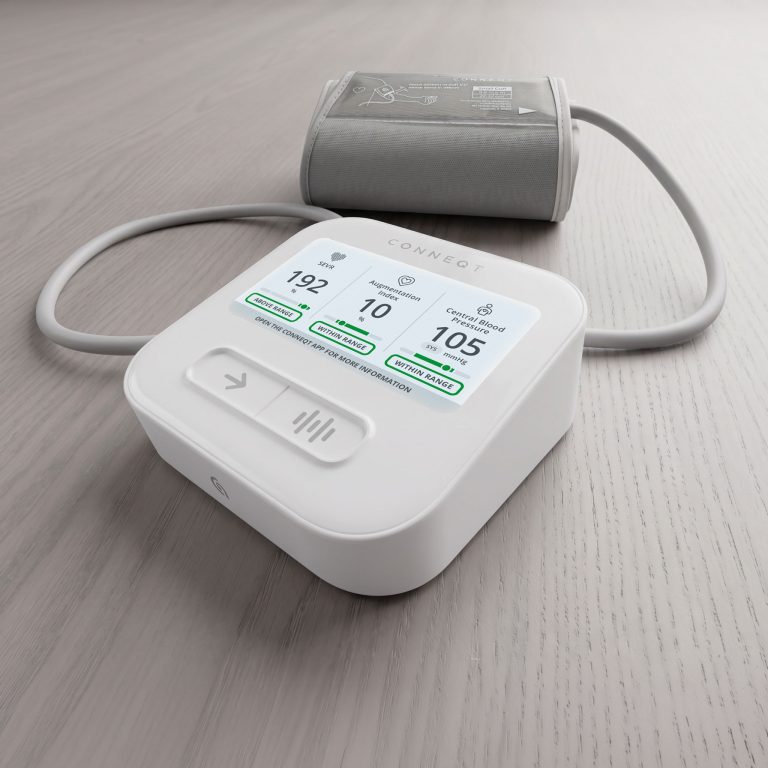
CONNEQT Pulse Review: What Central Blood Pressure and Arterial Stiffness Add
CONNEQT Pulse is an FDA-cleared upper-arm monitor that adds central blood pressure and vascular indicators to a standard cuff reading. Here is what the evidence supports, what the extra metrics…

How Adrian Woolfson Is Helping Medicine Move From Reading DNA to Writing It
Adrian Woolfson trained under a Nobel laureate at Cambridge, ran global oncology programs at the world’s largest pharmaceutical companies, and led research and development at Sangamo Therapeutics during the first…

Eight Sleep Pod 3 Cover: Active Thermal Sleep Optimization and Biometric Tracking
Your body temperature drops by nearly two degrees Fahrenheit as you fall asleep. What happens when technology learns to manage that drop for you? Presented By Our Partners Thermoregulation is…

The Daily Rounds: Longevity & Health Care Brief | April 29, 2026
🧫 Harvard Links Gut Bacteria to Depression via Inflammation: Morganella morganii produces a modified phospholipid that activates IL-6-driven immune inflammation, establishing a direct molecular pathway from gut bacteria to depression and creating new immune-targeted treatment targets. 🏥 FDA Launches Real-Time Clinical Trial Pilot: AstraZeneca and Amgen are feeding live trial data directly into FDA review systems in a landmark program that could compress cancer drug approval timelines by months and reshape how all clinical trials are conducted. 🌙 Fragmented Circadian Rhythms Accelerate Brain Shrinkage: Johns Hopkins researchers found that weaker daily rest-activity patterns in adults over 50 are directly tied to faster loss of memory-critical brain volume, making circadian health a modifiable and measurable neurodegeneration target. 😴 Chronic Insomnia Raises Dementia Risk by 40%: A six-year study of more than 2,700 adults links persistent insomnia to significantly greater amyloid buildup and white matter damage, reinforcing sleep quality as a primary dementia prevention strategy. 💰 Eli Lilly Bets $2.75 Billion on AI Drug Discovery: The massive Insilico Medicine commitment signals that major pharmaceutical companies now treat AI-designed drug candidates as legitimate pipeline assets, accelerating capital flow into the AI biotech sector ahead of critical Phase II readouts.

Zone 2 Training and the Mitochondrial Engine of Longevity: What the Science Says About Easy Cardio
The most powerful longevity intervention in exercise science is not the hardest workout. It is the easiest. Inside the science of Zone 2 training, the lactate shuttle, Iñigo San Millán’s…
Oura Ring Gen 4: Readiness Scoring, HRV Tracking, and Recovery Intelligence
Recovery does not announce itself with a sensation. It reveals itself in data: the subtle shift of autonomic balance that determines whether today is a day to push or a…
