-
AI Found the Trial Patient. That Was the Easy Part.
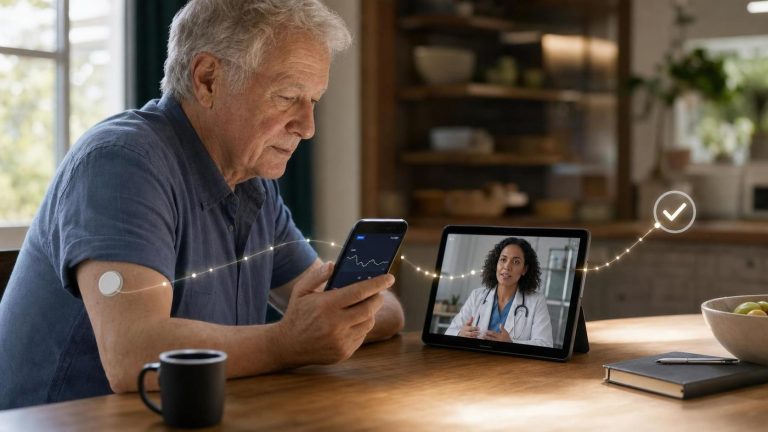
AI can identify clinical-trial candidates faster. The harder test is whether patients are contacted, enrolled, and able to complete the journey.
-
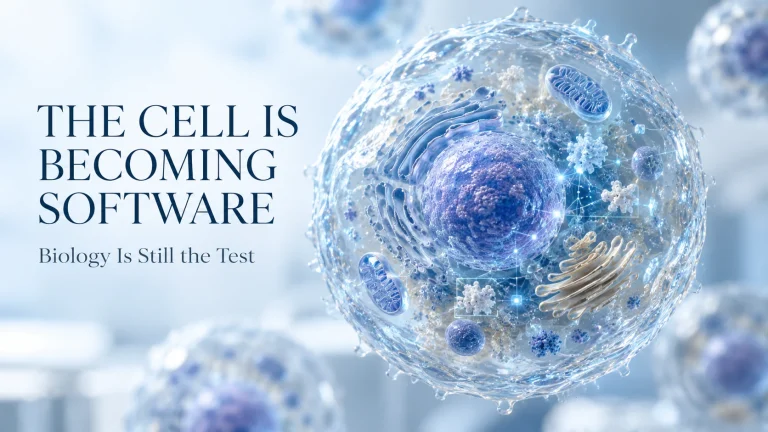
The Race to Build a Virtual Cell: Can AI Simulate Biology Before It Makes Medicine?
Biohub and its partners are investing $1.8 billion in virtual-cell research. Here is what AI can simulate today, what still requires a laboratory, and how discovery loops could change medicine.
-
The 72-Hour Promise
Newly released records from Medicare’s WISeR pilot show why AI-assisted prior authorization must be judged by timely, appropriate, completed care—not decision speed alone.
-
The Scan Is Not the Finish Line
AI can spot a suspicious lung nodule. The harder question is whether the health system can carry the patient from that signal to completed care.
-
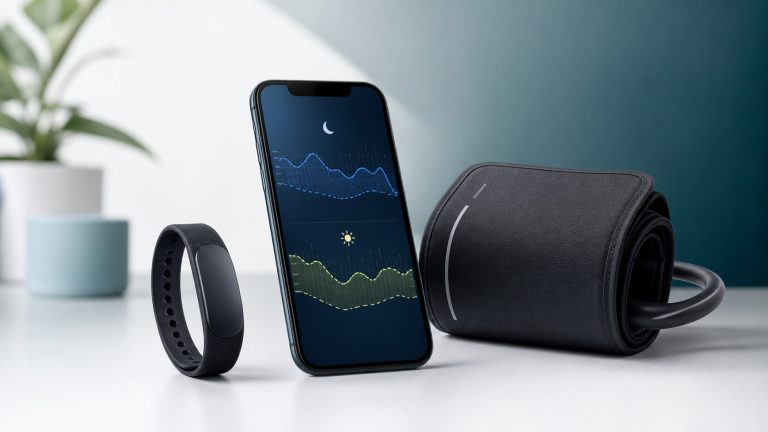
The Sleep Score Is Not Sleep: When the Machine Overrules the Body
Sleep trackers can estimate timing and duration, but new research finds they often miss sleep quality, especially in people with insomnia.
-
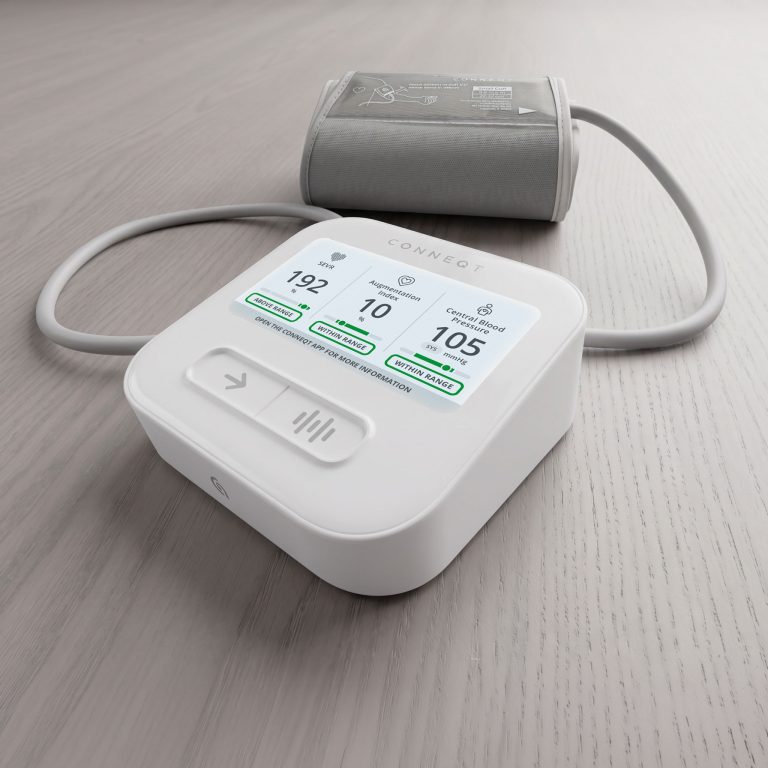
CONNEQT Pulse Review: What Central Blood Pressure and Arterial Stiffness Add
CONNEQT Pulse is an FDA-cleared upper-arm monitor that adds central blood pressure and vascular indicators to a standard cuff reading. Here is what the evidence supports, what the extra metrics…
-
Healthcare | Hormonal & Endocrine Health | Longevity Research | Nutrition & Metabolic Health | Peptides, Metabolic Health & Longevity Therapeutics
Longevity Claims, Decoded: What GLP-1s and Peptides Actually Prove
A scientific claim decoder for separating human outcomes from biomarkers, animal evidence, mechanisms, and marketing around GLP-1s, peptides, and longevity therapies.
-
The Gray Market Is Not a GLP-1 Care Path
How to distinguish accountable GLP-1 care from counterfeit products, research-use peptides, illegal online sellers, and poorly disclosed compounded offers.
-
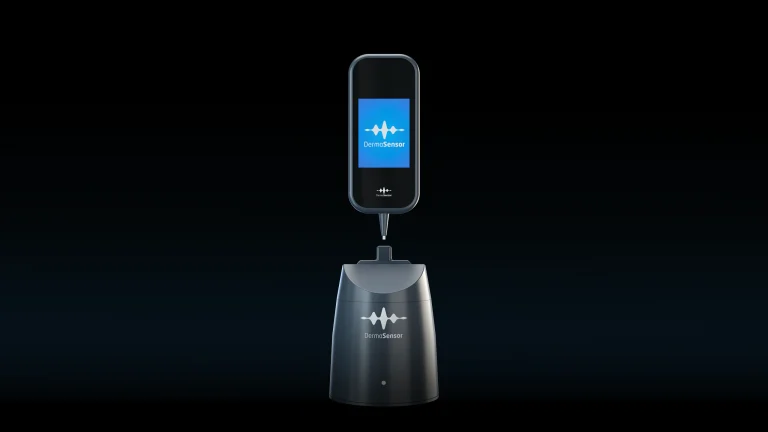
DermaSensor Review: What the FDA Cleared AI Skin Cancer Device Actually Tells a Doctor
DermaSensor is an FDA-authorized AI skin cancer assessment device for primary care. Review its cost, accuracy, melanoma sensitivity, specificity, and limits.
-
Before You Believe a GLP-1 Claim, Find Its Place on the Evidence Ladder
A seven-rung evidence ladder for separating FDA labels, clinical trials, real-world evidence, sponsor reports, testimonials, and unapproved GLP-1 sales claims.
-
The Metabolic-Drug Pipeline Is Not a Pharmacy Shelf
How to distinguish published trial evidence, regulatory review, FDA approval, and unapproved sales in the fast-moving metabolic-drug pipeline.
-
The AI Second Reader That Changed the Chart
A large liver-cancer study shows what happened after an AI system found overlooked lesions: reports changed, cases escalated, and care pathways moved—without yet proving better patient outcomes.
-
Healthcare | Nutrition & Metabolic Health | Peptides, Metabolic Health & Longevity Therapeutics | Pharma
The GLP-1 Trust Test: What an Online Provider Should Be Willing to Show You
Eight source-backed questions for checking an online GLP-1 provider’s clinical accountability, medication category, pharmacy, follow-up, claims, price, and commercial influence.
-
Healthcare | Nutrition & Metabolic Health | Peptides, Metabolic Health & Longevity Therapeutics | Pharma
Read the Label Before the GLP-1 Link: A Disclosure Decoder
A plain-language guide to affiliate, paid-placement, medication-category, price, and evidence disclosures on GLP-1 pages.
-
The Peptide Boundary Problem: Why GLP-1 Drugs and Research Peptides Are Not One Category
A source-backed guide to the six categories commonly blurred together in peptide marketing: FDA-approved drugs, compounded medication, investigational drugs, research-use products, longevity protocols, and supplements.
-
The GLP-1 Accountability Test: Who Is Responsible After the Prescription?
A source-backed guide to checking clinician responsibility, state authority, pharmacy identity, follow-up, escalation, and continuity in online GLP-1 care.
-
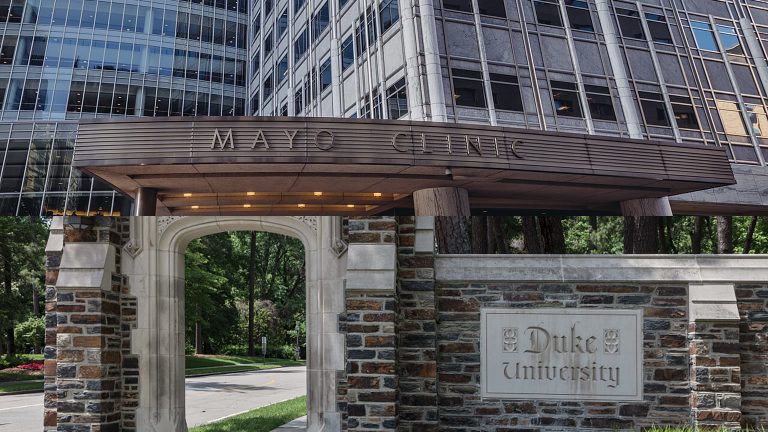
AI Can Export Mayo’s Intelligence. Can It Export Mayo’s Care?
A Mayo Clinic model may make elite medical reasoning available far beyond Rochester. But an answer is not the same thing as care—and an API cannot reorganize a hospital by…
-
GLP-1 Red Flags: When an Online Weight-Loss Offer Should Stop You
Six hard-stop safety signals and six serious caution flags to check before trusting an online GLP-1 medication offer.
-
Compounded GLP-1 Medication Is Not a Shortcut Around Medicine
What compounded GLP-1 medication means, why it is not an FDA-approved generic, how shortage rules changed, and what consumers should verify.
-
Before You Buy GLP-1 Medication Online, Slow the Page Down
A source-backed pre-purchase safety guide for verifying the medication, prescriber, pharmacy, total cost, follow-up, and fulfillment behind an online GLP-1 offer.
-
The GLP-1 Telehealth Transparency Scorecard: What a Platform Should Show Before You Trust It
A 20-point, source-backed framework for evaluating what a GLP-1 telehealth service discloses about medication identity, clinical accountability, pharmacy source, full cost, follow-up, claims, reviews, and commercial influence.
-
Healthcare | Nutrition & Metabolic Health | Peptides, Metabolic Health & Longevity Therapeutics | Pharma
GLP-1 Claim Decoder: How to Test the Evidence Behind the Promise
A practical evidence matrix for checking GLP-1 claims by exact product, approval, population, endpoint, trial design, care accountability, and commercial incentive.
-
Healthcare | Nutrition & Metabolic Health | Peptides, Metabolic Health & Longevity Therapeutics | Pharma
GLP-1 Intelligence Hub: Verify the Claim Before You Trust It
A source-backed verification hub for decoding GLP-1 claims, checking telehealth transparency, understanding compounded-product risks, and finding accountable care.
-
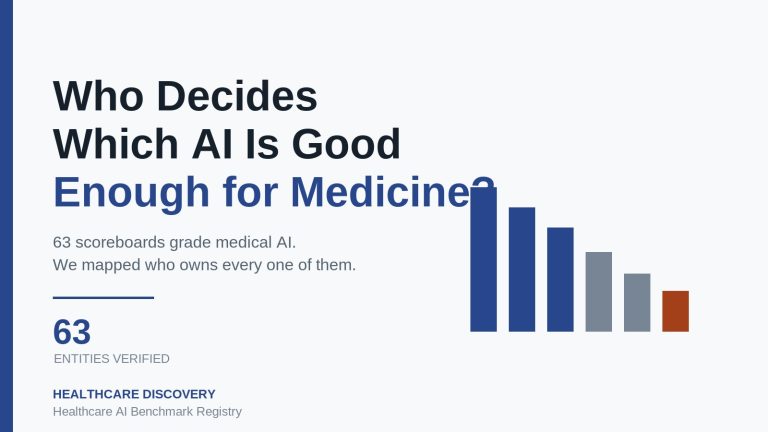
Who Decides Which AI Is Good Enough for Medicine?
Sixty-three separate scoreboards grade medical AI. Several are built or maintained by companies with a stake in the results, the scores cannot be compared to each other, and the most…
-
What Is HealthBench? How OpenAI’s Medical AI Benchmark Tests Models Against Doctors
HealthBench is becoming one of medical AI’s most influential scoreboards. Here is how physicians built it, what its model-versus-doctor results mean, and why a high score is not the same…
-
Garmin CIRQA Smart Band: Pricing, Features, and Accuracy
Garmin CIRQA is a $199.99 screen-free health and fitness band with no required subscription. Here is what it tracks, what it omits, and how its pricing compares.
-
Oura Ring 5 Price and Blood Pressure Signals: What $399 Actually Buys You
The Oura Ring 5 starts at $399 and ships with overnight blood pressure signals. It is not FDA cleared, and the reason why is a rule change most coverage skipped.
-
Signal Ring Blood Pressure Wearable: What the $399 Ring Actually Does
Signal Ring promises cuffless, calibration-free blood-pressure readings from a $399 titanium ring. Here is what it does, what the evidence shows, its FDA status, and what remains unproven.
-
The Protein Paradox: Why Less May Mean More for Longevity
A sweeping review of 350 studies says the protein supplement boom may be overselling something most sedentary adults do not actually need, and that eating less of it could activate…
-
The FDA’s New AI Experiment Asks a Better Question: Did the Patient Get Better?
The FDA and CMS are testing a new bridge from AI-enabled chronic-care technology to Medicare payment, real-world evidence, and measurable patient outcomes. The promise is real. The proof is not…
-
The Scan Found a Lung Nodule. Then the Hospital Had to Find the Patient.
A new emergency-department study shows where healthcare AI can matter: not simply spotting a signal, but helping a care team contact the patient and complete the next step.
-
The Gut-Joint Axis Proves Its Case: A Daily Fiber Supplement Reduced Knee Arthritis Pain in Six Weeks
A randomized controlled trial from the University of Nottingham has delivered a striking result: a simple, daily prebiotic fiber supplement reduced knee osteoarthritis pain in six weeks, rivaled the effects…
-
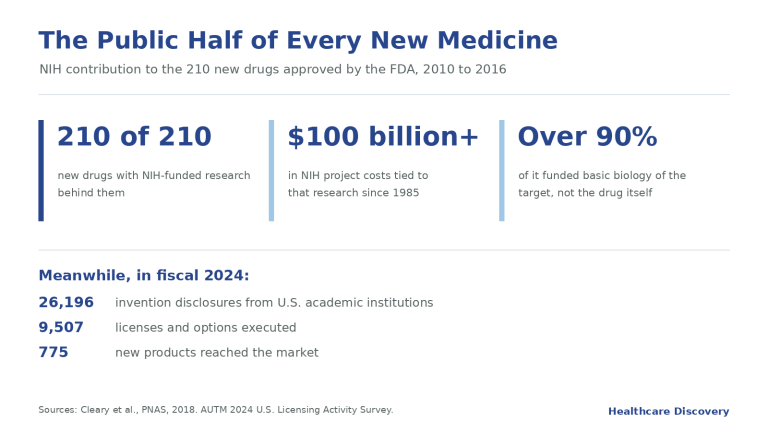
Why the Breakthrough You Read About Never Became a Treatment
Every new drug approved in the United States between 2010 and 2016 traced back to publicly funded science. Most discoveries never travel that far, and the reason usually has nothing…
-
Hilo Core Blood Pressure Wearable: What the U.S. System Actually Does
Hilo Core brings Aktiia’s optical blood-pressure technology to the United States in a $239.98 first-year system. The wristband is a wellness trend tool, while exact reference readings come from the…
-
Healthcare Delivery Venture Capital: Why Closing the Last Mile Creates Value
Healthcare delivery creates venture-scale value when access, clinical operations, evidence, reimbursement, and unit economics combine to close the last mile of care.
-
Generative Biology: The New Healthcare Venture Capital Stack
Generative biology connects foundation models, proprietary experimental data, automated laboratories, therapeutic assets, manufacturing, and clinical translation into a new healthcare venture-capital stack.
-
AI in Healthcare Venture Capital: Where the Durable Moats Are Forming
Healthcare AI models are becoming cheaper and more accessible. The durable venture moats are forming around workflow ownership, proprietary learning data, evidence, regulation, distribution, measurable economics, and platform expansion.
-
Healthcare Venture Capital in 2026: Where Capital Is Moving as Medicine Accelerates
Healthcare venture capital is concentrating around AI infrastructure, programmable biology, intelligent medical devices, evidence-driven care delivery, and companies that can translate innovation into adoption and measurable outcomes.
-
The 95 Percent Warning: What Healthcare AI Must Learn From Prior Authorization Appeals
When nearly every appealed skilled-nursing denial is reversed, the lesson for healthcare AI is clear: authorization systems must be judged by completed care, not processing speed.
-
Heart Health: What the Evidence Actually Shows
Roughly half of first heart attacks happen to people whose cholesterol panel looked fine. That is not a failure of the patients. It is a failure of what we were…
-
Nutrition and Metabolic Health: What the Evidence Actually Shows
The most consistent finding in nutrition science is also the least marketable: variety beats optimization. Presented By Our Partners Researchers running the American Gut Project, one of the largest citizen…
-
The Forest Is Not a Wellness Trend. It Is a Biological Environment.
Forest bathing does not replace medicine. It reminds medicine that environment is part of physiology — and the research on immune function, stress hormones, and the 120-minute nature dose is…
-
Healthcare | Lifestyle | Medical | Treatment
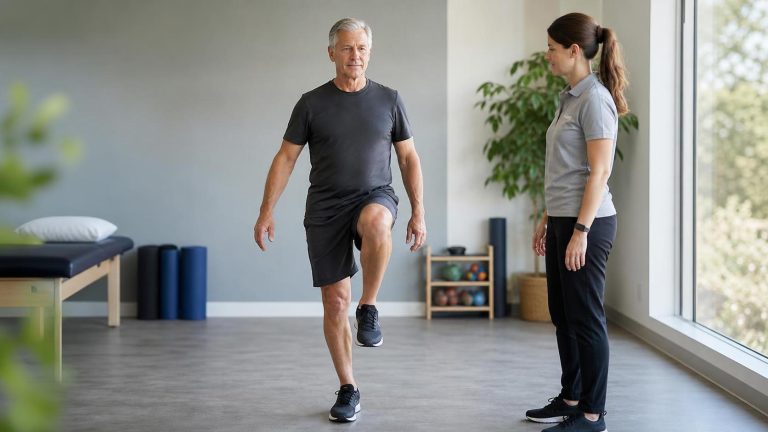
The Ten Second Test: Why Balance Predicts How Long You Live, and Why Walking Alone Will Not Save It
A ten second one legged stance predicts survival. Cochrane rates balance training high certainty for cutting falls by 24 percent. Walking programs remain unproven, and in some trials they increase…
-
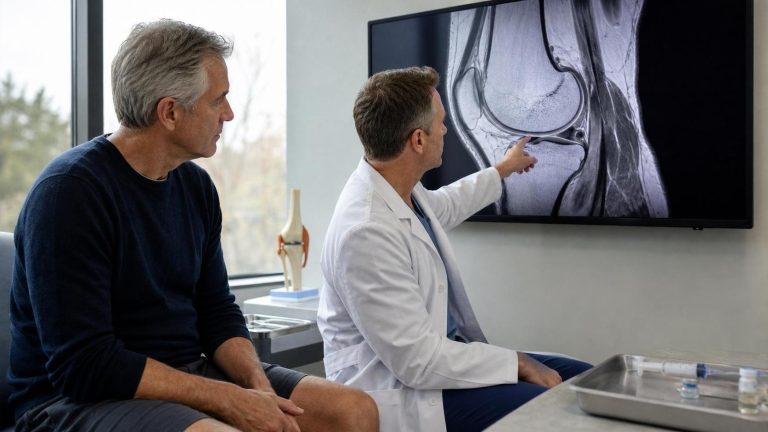
The Shot That Regrows Knee Cartilage: Inside the 15-PGDH Breakthrough
Stanford researchers switched off a single age-related enzyme and watched worn knee cartilage grow back. It happened in old mice, in injured mice, and in human tissue removed during knee…
-
The New Race in Healthcare AI Is Not to Detect More. It Is to Finish the Job.
Healthcare AI is getting better at finding signals. The harder test is whether those signals turn into accountable action, completed care, and measured outcomes.
-
What the Latest Heart Research Means for Cardiology Patients in 2026
Cardiology is moving unusually fast right now. Several large trials published in the last year are reshaping how doctors think about protecting the heart, especially for people who also live…
-
When AI Finds the Signal, Medicine Still Has to Finish the Job
The next serious test for healthcare AI is not whether it can notice something humans might miss. It is whether the health system can turn that notice into completed care.
-
The Machine That Learned to Read the Immune System
Harvard’s COMPASS model uses tumor gene activity to map cancer immunotherapy response, translating thousands of gene-expression signals into interpretable immune concepts.
-
The Healthcare AI Claim Decoder: How to Separate Signal From Story
A verification intelligence guide for reading healthcare AI claims with more discipline — and for separating real signal from narrative momentum.
-
The Medical AI Agent Has Entered the Chart. Now Prove It Can Finish the Job.
A new Nature paper on autonomous medical AI agents points beyond chatbots and prediction models. The real test is whether AI can safely help healthcare move from signal to accountable…
-
The Cash-Pay GLP-1 Trap: What to Check Before the Price Looks Cheap
A source-backed framework for comparing cash-pay GLP-1 offers: medication identity, total cost, clinical accountability, pharmacy verification, dose changes, cancellation, and continuity.
-
The 12-Hour Calm: What the 2025 Cold Water Immersion Evidence Really Says About Stress, Sleep, and Recovery
A 2025 PLOS One meta-analysis shows cold water immersion can cut stress for about 12 hours and aid sleep and recovery. Here is what the science says and how to…
-
The Mutations Hiding in Your Blood: How Clonal Hematopoiesis Quietly Drives Heart Disease, and the Rise of Precision Cardio-Hematology
Clonal hematopoiesis, a hidden buildup of mutated blood stem cells, raises heart disease risk independent of cholesterol and blood pressure. Inside the science of CHIP and the new field of…
-
The Four-Day Difference: What England’s AI Lung-Cancer Rollout Says About Healthcare Delivery
England’s national AI chest X-ray rollout is a useful test of healthcare AI’s real promise: not just detecting a signal, but moving patients faster from scan to diagnosis, follow-up, and…
-
The Missing Lipid: How Declining Phosphatidylcholine Shuts Down Your Cellular Power Grid
A landmark study from the Leibniz Institute on Aging identifies a specific membrane lipid as the upstream trigger for mitochondrial fragmentation — and shows that dietary intervention can reverse the…
-
The Daily Rounds: Longevity & Health Care Brief | June 15, 2026
💊 Glucosamine Warning for People With Early Cognitive Decline – A 65,000-patient Nature Metabolism analysis links glucosamine use to a 25% higher likelihood of Alzheimer’s progression in those with mild cognitive impairment, a finding with immediate clinical relevance for one of the most widely used supplements in older adults. 💪 Retatrutide Sets a New Ceiling for What Metabolic Drugs Can Achieve – Lilly’s triple agonist delivered an average 71-pound weight loss in Phase 3 while also reducing arthritis pain, establishing the drug as a potential platform therapy across metabolic and musculoskeletal aging simultaneously. 🥗 Oral GLP-1 Drugs Enter Their Most Competitive Phase Yet – Orforglipron beat oral semaglutide in a Lancet head-to-head trial and AstraZeneca’s elecoglipron advanced to Phase 3 on 10.5% weight loss data, creating a three-way race for the oral metabolic drug market. 🤖 SLAMF6 Could Unlock Immunotherapy for Patients Who Have Run Out of Options – A Nature study identifies a self-activating T cell brake that suppresses immunity independently of tumors, opening a new class of cancer treatment targets for patients most likely to fail existing checkpoint inhibitors. ❤️ Sleep Apnea Cardiovascular Risk Now Has a Gut Target – The bile acid receptor FXR, operating through gut microbiome signaling, is now identified as a mediator of arterial plaque buildup during sleep apnea, a finding that may eventually lead to gut-directed prevention strategies for cardiovascular disease in this high-risk population.
-
The Heat Prescription: What 20 Years of Finnish Sauna Data Reveal About Your Heart, Brain, and Recovery
Two decades of Finnish KIHD cohort data link frequent sauna bathing to a 50 percent lower risk of cardiovascular death and a 66 percent lower risk of dementia. Inside the…
-
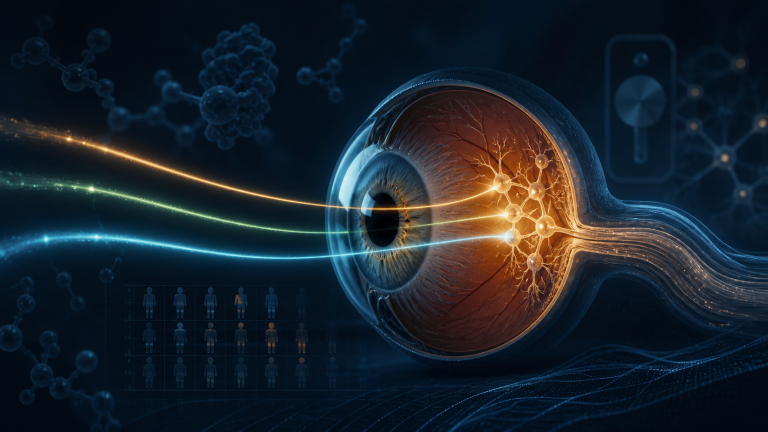
The First Human Reprogramming Trial Is an Eye Study—Not Proof of Age Reversal
ER-100 has entered an 18-person Phase 1 eye trial. Here is what partial epigenetic reprogramming has—and has not—shown in humans.
-
The Daily Rounds: Longevity & Health Care Brief | June 14, 2026
🧠 Brain Plasticity Has No Age Ceiling — A 4,000-person, three-year UT Dallas study confirms cognitive performance can improve well into the 90s, making brain health a genuinely actionable target at every life stage. 🧠 Blood Cancer Mutations May Be a Missing Alzheimer’s Mechanism — TET2, DNMT3A, and ASXL1 mutations in brain microglia create a destructive inflammatory environment in Alzheimer’s tissue, opening a new door to both screening and repurposed cancer therapies. 🤖 A Vaccine Designed to End the Fentanyl Crisis — Scripps Research’s cross-reactive fentanyl antibody platform blocks the drug before it reaches the brain and extends protection to designer analogs, with human trials already underway in 2026. 💪 GLP-1 Drugs Are Reducing Physical Activity, Not Increasing It — Fitbit data from ENDO 2026 shows step counts falling after GLP-1 initiation, making exercise counseling a critical and often missing element of metabolic treatment plans. 🥗 GLP-1 Drugs May Also Be Breast Cancer Prevention Tools — A 110,000-woman Penn Medicine cohort study found 30% lower breast cancer incidence in GLP-1 users, with a multisite prevention trial now being planned.
-
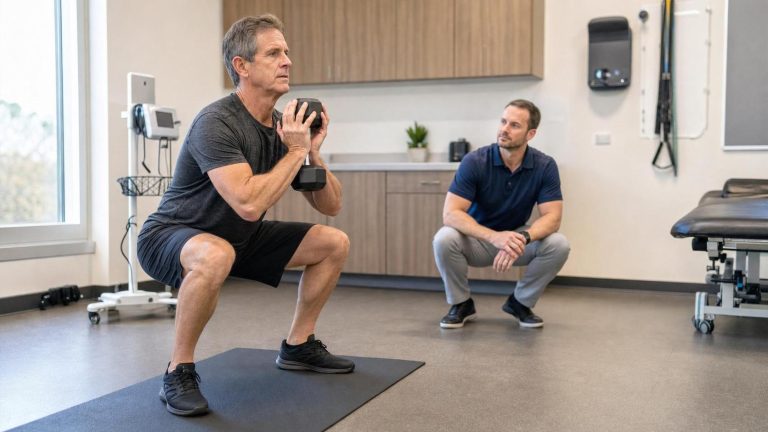
The Strength Training Sweet Spot: 30 Years of Data From 147,000 People Reveals the Exact Weekly Dose That Lowers Mortality Risk
A landmark British Journal of Sports Medicine analysis tracked 147,374 adults across three Harvard cohort studies for up to 30 years and found that 90 to 120 minutes of weekly…
-
Your Light Diet: How Bright Days and Dark Nights Shape Your Healthspan
A landmark UK Biobank study of 13 million hours of wrist-sensor data found that bright days and dark nights predict longer life. Here is the science of circadian light, and…
-
Sleep Regularity Beats Sleep Duration: The Overlooked Fundamental That Predicts How Long You Live
A wave of accelerometer studies in more than 130,000 adults shows that when you sleep matters more than how long. Inside the Sleep Regularity Index, the mortality and cardiovascular data,…
-
The NAD+ Decline: Inside the Cellular Energy Crisis of Aging and What the 2026 Trials Actually Show
NAD+, the coenzyme that powers every cell, falls steadily as we age. Inside the biology of the decline, the CD38 and mitochondrial mechanisms driving it, what the NMN and nicotinamide…
-
No Drug Has Ever Reversed Cartilage Loss. Stanford May Have Just Changed That.
A Stanford Medicine study published June 12 in Science found that blocking an aging protein called 15-PGDH regrew knee cartilage in old mice, prevented arthritis after ACL-type injuries, and triggered…
-
The Zone 2 Reckoning: What the 2025 Evidence Really Says About Slow Cardio and Longevity
For three years Zone 2 has been sold as the optimal longevity cardio. A July 2025 Sports Medicine review pushed back. Inside what the evidence actually shows about slow cardio,…
-
The Gut Molecule That Sabotages Your Metabolism: Inside Imidazole Propionate and the 2025 Atherosclerosis Breakthrough
A gut bacterial metabolite called imidazole propionate has gone from obscure molecule to validated driver of insulin resistance, type 2 diabetes, heart failure, and atherosclerosis. Inside the University of Gothenburg…
-
The Daily Rounds: Longevity & Health Care Brief | June 10, 2026
🧠 Ultra-Processed Foods Steal Your Focus: Even among healthy eaters, each 10% increase in ultra-processed food intake measurably impairs attention in a 2,100-person study. 🔬 A Single Gene Proves Evolution’s Aging Trade-Off: Hebrew University’s CRISPR study of vgll3 provides the first vertebrate experimental proof that fast early growth directly accelerates aging and cancer risk. ❤️ Finerenone Expands Protection to Millions More Patients: Three ERA Congress 2026 trials show the drug delivers significant heart and kidney protection to non-diabetic CKD patients with previously limited options. 🧠 ETH Zurich Discovers New Alzheimer’s Mechanism: Compound 10 blocks a newly identified GRK2 aggregation process that damages mitochondria and promotes amyloid formation in brain cells. 🥗 Vegetable Nitrates Deliver Targeted Heart Protection: Source matters; vegetable-derived nitrates cut cardiovascular disease risk 15% in 54,000 adults while processed meat nitrates show no comparable benefit.
-
Five Years of Proof: The Personalized mRNA Cancer Vaccine That Halved Melanoma Recurrence
Five-year data from the KEYNOTE-942 trial, presented at ASCO 2026, show that intismeran autogene plus Keytruda sustains a 49% reduction in melanoma recurrence risk and drives overall survival to 92.2%…
-
The Daily Rounds: Longevity & Health Care Brief | June 9, 2026
🤖 Pancreatic Cancer Gets Its Biggest Breakthrough in a Decade: Daraxonrasib nearly doubles median survival versus chemotherapy, earning a standing ovation at ASCO 2026 and advancing toward FDA submission. 🦠 Gut Bacteria Talk to Your Immune System in a Newly Discovered Molecular Language: A Helmholtz Munich team maps over 1,000 direct protein interactions between common gut bacteria and human cells, fundamentally reframing how the microbiome shapes immunity. ❤️ Night Owl Cardiac Risk Is Mostly Behavioral, Not Biological: AHA research shows the elevated heart disease risk for evening types is largely explained by modifiable lifestyle factors, making it genuinely actionable. 💪 Grip Strength Is a Mortality Predictor for Older Women, Period: The largest study of its kind confirms muscle strength protects women over 60 from early death regardless of how much aerobic exercise they do. 🥗 GLP-1 Success Depends on What You Keep, Not Just What You Lose: A new clinical framework urges practitioners to prioritize muscle preservation alongside weight loss in GLP-1 therapy to protect long-term function and metabolic health.
-
The Brain Has Its Own Immune System. Rejuvenating It May Be the Next Frontier in Cognitive Aging
A deep dive into neuroinflammageing and the 2025 to 2026 research showing the brain’s resident immune cells, the microglia, drive cognitive aging, and how scientists at Cedars-Sinai, UC Irvine, and…
-
The Daily Rounds: Longevity & Health Care Brief | June 8, 2026
🤖 AI-Designed Universal Coronavirus Vaccine Clears Phase 1 With Perfect Safety Record — The first entirely AI-designed vaccine targeting multiple coronavirus strains simultaneously passed its first human trial with zero…
-
The OPTIMA Verdict: Two-Thirds of High-Risk Breast Cancer Patients Can Safely Skip Chemotherapy
A landmark phase 3 trial of 4,429 patients showed the Prosigna 50-gene genomic test can safely spare two-thirds of clinically high-risk breast cancer patients from chemotherapy, with equivalent five-year survival…
-
Medicine Has Enough AI Pilots. It Needs a Power Grid.
Healthcare AI has enough pilots, alerts, and dashboards. The harder question is whether any of them close the loop from signal to ownership, action, completed care, and measured result.
-
The Zombie Cell Resistance: Why Senolytic Drugs Keep Failing, and the 2026 Mitochondrial Discovery That Could Change That
A landmark 2026 Nature Aging study reveals why senescent cells resist the drugs designed to kill them: the toughest zombie cells keep their mitochondria pristine. Inside the senolytics reckoning, the…
-
Ivonescimab Beats Immunotherapy in Lung Cancer: Inside the HARMONi-6 Trial That Rewrote the Standard of Care
A bispecific antibody that simultaneously targets PD-1 and VEGF just beat the standard immunotherapy regimen head-to-head in overall survival. It is the first time any drug has achieved this milestone…
-
The Daily Rounds: Longevity & Health Care Brief | June 7, 2026
🤖 KRAS Drug Nearly Doubles Pancreatic Cancer Survival. The first drug to meaningfully extend survival in metastatic pancreatic cancer was presented at ASCO 2026, ending four decades of failed attempts to target the KRAS oncogene. 🦠 Protective Gut Bacteria May Shield Infants From Autism and ADHD. Specific microbes like Lachnospira colonizing the infant gut in the first year of life appear to mitigate neurodevelopmental risk linked to early epigenetic patterns. ❤️ GLP-1 Drugs Cut Breast Cancer Risk by 30% in 112,000-Person Study. A Penn Medicine study adds breast cancer prevention to the expanding catalog of benefits associated with Ozempic-class medications. 💪 Strength Training Plus Cardio Is the Optimal Longevity Combination. A 30-year study of 147,000 adults confirms that 90 to 120 minutes weekly of resistance training paired with aerobic exercise delivers the lowest all-cause mortality risk. 🔬 Multi-Target Geroscience Outperforms Single-Pathway Aging Treatments. Combining senolytics, epigenetic reprogramming, and anti-inflammatory agents produces synergistic healthspan benefits that no single intervention achieves alone.
-
AI Designed This Lung Drug, and It Just Worked in Real Patients: Inside AI Drug Discovery’s 2026 Verdict
A drug whose target and molecule were both conceived by AI just improved lung function in a randomized Nature Medicine trial. Inside AI drug discovery’s 2026 clinical verdict, from Insilico’s…
-
Harvard Scientists Just Mapped the Universal Molecular Clock of Aging
A landmark Nature study from Mass General Brigham led by Alexander Tyshkovskiy and Vadim Gladyshev identifies gene expression signatures so fundamental to biological aging that they appear nearly identically across…
-
The Daily Rounds: Longevity & Health Care Brief | June 6, 2026
🤖 AI Coronavirus Vaccine Passes First Human Trial. An AI-designed pan-coronavirus vaccine produced broad immune responses in its first human safety study, marking a proof-of-concept milestone for AI-driven vaccine design against future variants. 🔬 Nature Transcriptomic Clocks Reveal Pathway-Level Aging Signals. New aging clocks built from over 11,000 gene expression profiles across four mammals map aging to specific biological pathways, enabling far more precise longevity research than prior single-number clocks. 🦠 GLP-1 Drugs Cut Overdose Deaths by 50% in Largest Addiction Study Yet. A BMJ study of 606,000 veterans showed GLP-1 medications dramatically reduce substance use disorders and overdose mortality across all major addictive substances. 🧠 UCLA Identifies Why Some Neurons Resist Alzheimer’s. Specific neuron populations activate protective transcriptional programs under amyloid burden, pointing toward new treatments that extend natural neuroprotection to vulnerable brain regions. 🔬 Genetics Drives Nearly Half of Lifespan Variation. A Science paper doubles prior heritability estimates for human lifespan, opening a substantially larger target space for longevity-focused drug and gene therapy development.
-
Fit at 18, Protected at 65: A Landmark Circulation Study Rewrites What We Know About Exercise and Heart Risk
A nationwide Swedish cohort tracked 1.1 million men from their teens into their 60s. The message to every runner, cyclist, and gym-goer who worried about their heart: the decades-long scare…
-
The Daily Rounds: Longevity & Health Care Brief | June 5, 2026
🤖 Daraxonrasib Nearly Doubles Pancreatic Cancer Survival — A pivotal Phase 3 NEJM trial showed the first RAS inhibitor extending median survival from 6.7 to 13.2 months, cutting death risk by 60% in a cancer with historically grim odds. 🦠 Colon Cancer Immunotherapy Achieves 33-Month Remission — NEOPRISM-CRC showed pre-surgery pembrolizumab kept 59% of MMR-deficient patients cancer-free at nearly three years, with zero recurrences among responders. 🔬 4-Week Diet Shift Reduces Biological Age Markers in Older Adults — A low-fat, plant-forward diet reduced biological age estimates across 20 biomarkers in adults aged 65 to 75 after just four weeks. 🥗 GLP-1 Drugs Trigger Nutritional Deficiencies Within 12 Months — Major health organizations now recommend structured dietary monitoring for all GLP-1 patients to prevent protein, vitamin D, and mineral deficits that may offset weight-loss benefits. 😴 Circadian Amplitude Is the New Sleep Treatment Target — Updated guidelines shift focus from sleep duration alone to strengthening biological clock signal strength through light exposure, meal timing, and new pharmacological tools.
-
The Daily Rounds: Longevity & Health Care Brief | June 4, 2026
🤖 Mayo Clinic AI Catches Pancreatic Cancer 3 Years Before Diagnosis: A landmark validation study in the journal Gut shows an AI model detecting pancreatic cancer on routine CT scans before symptoms appear, potentially transforming outcomes for one of medicine’s deadliest cancers. ❤️ Menopause HRT Use Has Fallen to Just 1.7%: New national data reveals a historic treatment gap driven by now-revised risk interpretations, with clinicians urging recalibration of patient counseling for women under 60. 🔬 vgll3 Gene Confirms Evolution’s Youth-Longevity Trade-Off: Experimental evidence shows that genes favoring early vitality and reproduction actively increase cancer and aging risk later in life, opening new anti-aging drug target territory. 💪 90 to 119 Minutes of Weekly Strength Training Cuts Mortality by 13%: A 30-year British Journal of Sports Medicine study quantifies how even modest weekly resistance exercise delivers substantial all-cause mortality benefits, averaging just 13 minutes per day. 🦠 NFIL3 Protein Identified as CAR-T Cell Exhaustion Trigger: Blocking this transcription factor keeps engineered immune cells active longer in tumor environments, pointing toward a new engineering target for more durable cancer immunotherapy.
-
The Sleep Regularity Verdict: Why a Consistent Bedtime Now Outpredicts Sleep Duration for How Long You Live
A landmark UK Biobank analysis of more than 10 million hours of accelerometer data found that how consistently you sleep predicts mortality more strongly than how long you sleep. Inside…
-
AI Is Making Body Scans Cheaper. Medicine Still Has to Decide What They’re For.
AI may make full-body MRI faster and cheaper, but lower scan prices do not automatically create better healthcare. The real test is evidence, follow-up, affordability, and whether discovery becomes useful…
-
Mayo’s AI Stack: From Microsoft’s Frontier Model to the Clinic Floor
Mayo Clinic’s Microsoft partnership is more than a frontier-model announcement. It reveals a broader AI stack connecting clinical data, foundation models, Phoenix campus expansion, Discovery Oasis, and the hard test…
-
The Youth Tax: Scientists Prove the Same Gene That Accelerates Growth Is Shortening Life
A landmark Nature Communications study from Hebrew University of Jerusalem delivers the first causal genetic proof that a single gene trades early-life advantages for accelerated aging and cancer, confirming a…
-
How to Shop for an MRI Without Getting Lost in the Price Maze
A practical guide to getting the right MRI at the right place without being blindsided by CPT codes, facility fees, radiologist bills, network rules, cash prices, and deductible math.
-
The Daily Rounds: Longevity & Health Care Brief | June 3, 2026
🦠 Akkermansia Muciniphila Cuts Post-Diet Weight Regain in Half: A Nature Medicine RCT shows pasteurized Akkermansia supplementation slows weight regain and preserves insulin sensitivity during a 24-week maintenance period after dieting. 🧠 Thymus Organ Predicts Longevity and Cancer Survival: Mass General Brigham’s study of over 25,000 adults links a healthy thymus to 50% lower mortality and 63% lower cardiovascular death risk throughout adulthood. 🔬 Naked Mole Rat Longevity Gene Successfully Transferred to Mice: University of Rochester demonstrates cross-species transfer of the HMW-HA-producing HAS2 gene extends median lifespan and reduces cancer risk in mice, establishing a proof of principle for interspecies longevity translation. ❤️ Ultra-Processed Foods Linked to 67% Higher Heart Attack Risk: A European Heart Journal consensus statement calls for immediate patient counseling to reduce ultra-processed food intake as a primary cardiovascular prevention measure. 😴 Weak Circadian Rhythms Drive Nearly 2.5x Dementia Risk: Neurology study confirms that circadian amplitude and timing, not just sleep hours, are major independent drivers of brain aging and dementia risk.
-
Muscle Span: Why Grip Strength Now Predicts How Long You Live, and the Protein and Strength Playbook to Build It Tonight
A February 2026 JAMA Network Open study of more than 5,000 women found that a firm hand grip predicted survival even in those who fell short of exercise guidelines or…
-
Sacituzumab Tirumotecan Slashes Lung Cancer Progression Risk by 65%: The TROP2 Breakthrough Just Published in The Lancet
A Phase III trial presented at ASCO 2026 and simultaneously published in The Lancet shows that pairing a precision TROP2-targeting weapon with the world’s most prescribed immunotherapy rewrites what is…