

Ice Barrel Cold Plunge Review: Passive Cold Water Immersion for Recovery Without Electricity
The Ice Barrel strips cold water immersion to its essential elements: cold water, your body, and nothing else.
Presented By Our Partners



Before cold plunges became a wellness industry, they were simply what humans did. Norse cultures broke through frozen lakes. Japanese practitioners stood under waterfalls. Hippocrates prescribed cold water for lassitude and swelling. The therapeutic use of cold predates every pharmaceutical intervention in modern medicine by millennia. What modern science has done is explain why it works, and the explanation is compelling. A 2025 meta analysis published in Life (Basel) by Ma et al. examined 24 randomized controlled studies involving 475 subjects and confirmed that cold water immersion at 10 to 15 degrees Celsius significantly reduced delayed onset muscle soreness, with a standardized mean difference of negative 0.37 for cold water immersion alone and negative 0.68 when combined with other recovery modalities. A separate 2000 study by Leppäluoto et al. in the International Journal of Circumpolar Health found that cold water immersion at 14 degrees Celsius produced a 200 to 300 percent increase in plasma norepinephrine, the neurotransmitter directly responsible for attention, focus, and mood elevation.
The Ice Barrel represents the most stripped down approach to accessing these benefits: no electricity, no chiller, no filtration system, no subscription. Just a barrel, ice, and water.
What Is the Ice Barrel?
The Ice Barrel is a standalone cold water immersion vessel designed for residential use. Manufactured in the United States, it is constructed from a single piece of recycled, UV stabilized polyethylene that is lightweight (approximately 55 pounds empty), durable, and insulated enough to maintain cold temperatures for extended periods without active cooling. The barrel stands upright and holds approximately 105 gallons of water. Users sit submerged with water reaching chest to shoulder level in a compact, upright position.
The Ice Barrel retails between $1,199 and $1,499 depending on model and accessories. There is no electricity requirement, no plumbing connection, and no moving parts. Users fill the barrel with cold water and add ice to reach their target temperature. In cooler climates or garages, the water may reach therapeutic temperatures (50 to 59 degrees Fahrenheit) without ice at all during fall, winter, and spring months. The barrel includes a drainage spigot for water changes and a fitted lid to keep debris out between sessions.
The design is intentionally simple. There is no digital interface, no temperature readout, no filtration system, and no app. An inexpensive waterproof thermometer (sold separately) is the only accessory most users add. The Ice Barrel’s philosophy is that the cold water does the work, and everything else is optional.
The Science Behind Cold Water Immersion
Cold water immersion activates a coordinated stress response that touches nearly every major physiological system. When skin temperature drops rapidly upon entering cold water, thermoreceptors trigger an immediate sympathetic nervous system activation. Heart rate rises, blood pressure increases, and peripheral blood vessels constrict, shunting blood from the extremities toward the core and vital organs. This vasoconstriction reduces edema and inflammatory swelling in exercised muscles. Upon exiting, the rebound vasodilation floods tissue with oxygenated blood, accelerating the clearance of metabolic waste products including creatine kinase and lactate.
The neurochemical response is equally significant. The norepinephrine surge documented by Leppäluoto et al. (200 to 300 percent increase) is one of the largest acute neurochemical responses achievable through a non pharmacological intervention. Norepinephrine plays a central role in attention, vigilance, and mood regulation. Dopamine levels also rise during cold exposure, contributing to the sense of alertness and well being that cold plunge practitioners consistently report.
The 2018 meta analysis by Dupuy et al. published in Frontiers in Physiology examined 99 studies across multiple recovery modalities and ranked cold water immersion among the most effective strategies for reducing perceived fatigue and muscle soreness, alongside massage and compression therapy. The authors noted that the evidence was most consistent for cold water immersion at temperatures between 10 and 15 degrees Celsius applied for 10 to 15 minutes post exercise.
Emerging longevity relevant research focuses on cold shock proteins, particularly RBM3 (RNA binding motif protein 3). A 2015 study published in Nature by Peretti et al. demonstrated that cold exposure activated RBM3, which prevented synapse loss in mouse models of neurodegenerative disease. While human translation remains early, this mechanism connects cold exposure to potential neuroprotection against one of The Four Villains in Healthcare Discovery‘s longevity framework: neurodegenerative disease.
Cold exposure also activates brown adipose tissue, the metabolically active fat that generates heat through non shivering thermogenesis. A 2014 study in Diabetes by Lee et al. showed that regular cold exposure increased brown fat volume and improved insulin sensitivity, connecting the practice to metabolic health and potentially reducing risk of metabolic dysfunction, another of The Four Villains.
What the Ice Barrel Does Well
The Ice Barrel’s greatest strength is the elimination of complexity. There is nothing to break, nothing to maintain electronically, and nothing that requires a power source. For users who value simplicity and self reliance in their wellness practice, this is not a limitation but a design philosophy. The barrel will function identically on day one and day one thousand, because there are no components that degrade, no pumps that fail, and no circuit boards that malfunction.
The upright seated position is more space efficient than horizontal tub designs. The Ice Barrel’s footprint is approximately 31 inches in diameter, requiring far less floor space than the Plunge or other tub style cold plunges. This makes it viable for apartments, small garages, patios, and balconies where a full tub would not fit.
Portability is a genuine advantage. At 55 pounds empty, the Ice Barrel can be moved by a single person, relocated between indoor and outdoor positions seasonally, or transported to a new residence without professional movers. No electric cold plunge offers this flexibility.
The insulation properties of the polyethylene construction are sufficient to maintain cold temperatures for 24 to 48 hours in moderate climates without ice replenishment. In cooler climates, users report maintaining sub 55 degree temperatures for days with a single ice addition. During winter months in northern climates, tap water alone may reach therapeutic temperatures, eliminating the ice requirement entirely.
Featured Partner
Invest in the Infrastructure Behind Modern Medicine
As healthcare expands beyond hospital walls, the buildings and campuses supporting that shift are generating compelling returns for investors who move early. The Healthcare Real Estate Fund offers qualified investors direct access to a curated portfolio of medical office, outpatient, and specialty care facilities.
Learn More →
The price point is the most compelling argument. At $1,199 to $1,499, the Ice Barrel costs roughly one quarter of the Plunge Cold Only ($4,990) while delivering an identical physiological stimulus. Cold water at 50 degrees Fahrenheit produces the same vasoconstriction, the same norepinephrine release, and the same recovery benefits regardless of whether the temperature was achieved by a $3,000 chiller or a $5 bag of ice.
Pricing, Access, and Practical Realities
The Ice Barrel retails between $1,199 and $1,499. There is no subscription, no electricity cost, and no ongoing fees beyond the ice itself. Ice costs vary by region and frequency: a 40 pound bag of ice costs $4 to $8 at most retailers, and most users require 40 to 80 pounds per session to bring water to therapeutic temperatures in warm ambient conditions. At daily use with 60 pounds of ice per session ($6 average), the annual ice cost is approximately $2,190. This is a critical consideration: while the upfront cost is low, the ongoing ice cost at daily use can exceed the annual electricity cost of an electric cold plunge within the first year.
In cooler climates, ice costs drop dramatically. Users in northern states report needing ice only during June through September, reducing annual ice expenditure to $500 to $800. In consistently warm climates (Arizona, Florida, Texas summers), the ice cost burden is highest and may make an electric chiller more economical over a two to three year horizon.
The device is a general wellness product with no FDA clearance. HSA and FSA eligibility is uncommon for cold plunge vessels but may be possible with a physician’s letter depending on plan administrator policies.
Water maintenance is the primary practical concern. Without a filtration or sanitation system, the Ice Barrel requires regular water changes (every 3 to 7 days depending on use frequency) and optional manual water treatment with small amounts of hydrogen peroxide or chlorine to prevent bacterial growth. This is more labor intensive than filtered systems but straightforward for users willing to invest 10 to 15 minutes of maintenance per week.
Who the Ice Barrel Is Best For
The Ice Barrel is ideal for anyone who wants to begin a cold water immersion practice without a four to five figure investment. It is the best entry point for people who are cold plunge curious and want to test whether they will maintain a consistent practice before committing to an electric system. Athletes, fitness enthusiasts, and biohackers who train regularly and want post exercise recovery will find the same physiological benefits as any electric system at a fraction of the upfront cost.
People who live in cooler climates (where tap water runs cold enough for therapeutic benefit during most of the year) will find the Ice Barrel particularly economical. Minimalists and those who prefer simple, unplugged wellness tools over technology dependent systems will appreciate the design philosophy.
The barrel is also excellent as a secondary or travel cold plunge for athletes who have an electric system at home but want an option for a vacation property, a training facility, or outdoor use during events and competitions.
Those who may want to look elsewhere include daily users in hot climates where ice costs will compound quickly. Anyone who finds the ice procurement, loading, and water maintenance burden prohibitive should consider an electric system for its set it and forget it convenience. People who want precise, repeatable temperature control will find the Ice Barrel’s temperature varies with ice quantity, ambient temperature, and time since loading, introducing variability that electric systems eliminate.
How the Ice Barrel Compares
Against the Plunge Cold Only ($4,990), the Ice Barrel costs roughly 75 percent less upfront but requires ongoing ice purchases and manual water maintenance. The Plunge delivers precise temperature control, integrated filtration, ozone sanitation, and always ready convenience. The physiological stimulus is identical at matching temperatures. The decision comes down to convenience versus cost: the Plunge is better for daily users in warm climates who value automation, while the Ice Barrel is better for budget conscious users, cooler climates, and those who do not mind the manual process.
Against DIY chest freezer conversions ($300 to $800), the Ice Barrel is safer (no electrical components near water), more aesthetically appropriate for outdoor living spaces, and more portable. Chest freezers require more technical knowledge to convert, carry electrical safety risks, and lack the Ice Barrel’s purpose built drainage and ergonomic design. The Ice Barrel costs more upfront but eliminates the safety and maintenance concerns of repurposed appliances.
Against cold showers (free), the Ice Barrel provides dramatically colder water temperatures, full body immersion rather than localized exposure, and a more intense sympathetic nervous system activation. Research on cold water immersion consistently uses full body or torso level immersion; cold showers do not replicate the same stimulus because water contact is partial, water temperature from household plumbing rarely drops below 55 to 60 degrees Fahrenheit, and exposure is not static.
Limitations and Open Questions
The most significant limitation is temperature inconsistency. Without an electric chiller, water temperature depends on ice quantity, ambient air and water temperature, barrel insulation, and time since ice was added. A session that starts at 45 degrees Fahrenheit may be at 52 degrees by the end if ice has melted significantly. This variability makes it difficult to follow precise temperature protocols and to replicate identical sessions day after day.
The ice logistics cannot be understated for daily users in warm climates. Purchasing, transporting, and loading 40 to 80 pounds of ice daily is a non trivial commitment that many users underestimate. The environmental impact of commercial ice production and transport is also a consideration for environmentally conscious users.
Without a filtration system, the water is susceptible to bacterial contamination from skin oils, sweat, and environmental debris. Regular water changes and optional chemical treatment mitigate this risk but add maintenance time. Users who share the barrel with multiple household members need to be more vigilant about water hygiene.
The upright seated position, while space efficient, does not allow full leg extension. Users over six feet tall may find the immersion depth less comfortable than tub style designs that allow a more relaxed position.
What This Means for Your Health
Cold water immersion is one of the most accessible evidence based recovery and health optimization modalities available. The Ice Barrel makes it even more accessible by removing the financial barrier that prevents many people from starting a cold exposure practice. The science does not care whether your water was cooled by a $3,000 chiller or a $5 bag of ice. The vasoconstriction, the norepinephrine release, the cold shock protein activation, the brown fat stimulation: these responses are triggered by cold water at the right temperature for the right duration, regardless of the container.
Within HealthcareDiscovery.ai’s Five Pillars framework, the Ice Barrel supports the same pillars as any cold immersion tool. It enhances Movement recovery, supports Sleep through parasympathetic rebound, trains Breathwork under stress, and builds Mindset through voluntary discomfort. The simplicity of the barrel may actually enhance the Mindset dimension: there is no technology to hide behind, no app to distract, no digital readout to obsess over. It is you and cold water.
The longevity implications of regular cold exposure are still being mapped, but the trajectory of the research is encouraging. Cold shock proteins, brown fat activation, improved insulin sensitivity, and neuroprotective mechanisms all suggest that deliberate cold exposure has relevance beyond immediate recovery. The 2015 Peretti et al. finding on RBM3 and synapse protection points toward potential protection against neurodegenerative disease, one of The Four Villains.
The Ice Barrel is not the most convenient cold plunge. It is not the most precise. It is not the lowest maintenance. But it is the most honest. It delivers the fundamental stimulus at a price that makes consistent cold exposure practice possible for people who would otherwise price themselves out of the modality. And in health, a practice you can actually maintain is worth more than a practice you cannot afford to start.
Frequently Asked Questions
How much ice do I need for the Ice Barrel?
The amount depends on your starting water temperature and target temperature. In warm conditions (tap water at 70°F or above), expect to use 40 to 80 pounds of ice to bring the 105 gallon capacity to a therapeutic range of 50 to 59°F. In cooler conditions (tap water at 55 to 60°F), 20 to 40 pounds may suffice. During winter months in northern climates, tap water alone may reach therapeutic temperatures without any ice. A 40 pound bag of ice costs $4 to $8 at most retailers, making the per session ice cost approximately $4 to $16 depending on conditions.
How often should I change the water in the Ice Barrel?
Without a filtration system, the Ice Barrel’s water should be changed every 3 to 7 days depending on usage frequency and the number of users. Single user barrels used daily can stretch to 5 to 7 days with good hygiene practices (showering before use, keeping the lid on). Multi user households should change water every 2 to 4 days. Adding a small amount of food grade hydrogen peroxide (1 to 2 cups per fill) can extend water freshness. The barrel’s drain spigot makes water changes straightforward, typically taking 15 to 20 minutes to drain, rinse, and refill.
Is the Ice Barrel better than a cold shower?
For recovery and neurochemical benefits, full body cold water immersion is significantly more effective than cold showers. Cold showers provide partial body coverage (water hits one side at a time), household water heaters rarely deliver water below 55 to 60°F, and the exposure is dynamic rather than static. Research by Leppäluoto et al. showed that static immersion at 14°C (57°F) produced a 200 to 300 percent increase in norepinephrine. Cold showers can provide a mild sympathetic nervous system stimulus, but they do not replicate the full body immersion, consistent temperature, and sustained cold exposure that the clinical research uses.
Can I use the Ice Barrel year round outdoors?
Yes. The Ice Barrel is constructed from UV stabilized, recycled polyethylene that withstands outdoor conditions including sun exposure, rain, and freezing temperatures. In hot climates, a shaded outdoor location helps the barrel retain cold temperatures longer after ice is added. In freezing climates, be aware that standing water can freeze solid if left unattended for extended periods; draining the barrel during prolonged cold snaps when it will not be used prevents potential ice expansion damage. Many users keep the barrel outdoors year round with the fitted lid in place to prevent debris accumulation.
Is the Ice Barrel worth it compared to the Plunge?
The Ice Barrel ($1,199 to $1,499) costs roughly 75 percent less upfront than the Plunge ($4,990 to $6,990). Both deliver identical cold water immersion benefits at matching temperatures. The Plunge adds electric cooling, precise temperature control, and integrated filtration that eliminates ice purchases and simplifies maintenance. For daily users in warm climates, the Plunge’s electricity cost ($30 to $60/month) is typically less than the Ice Barrel’s ice cost ($150 to $180/month). In cooler climates where ice needs are minimal, the Ice Barrel is dramatically more economical over its lifetime. Choose the Ice Barrel for budget, portability, and simplicity. Choose the Plunge for convenience and precision.
Ice Barrel Cold Plunge at a glance
- Hardware price
- $1,199 to $1,499
- Subscription
- None required
- First year total
- $1,199
- Form factor
- Cold plunge barrel (passive, ice-filled)
- FDA status
- Wellness device, no clearance
- HSA/FSA
- Not confirmed
Measures Cold immersion therapy
Maintained in the Healthcare Discovery device database and updated automatically.


Similar Posts
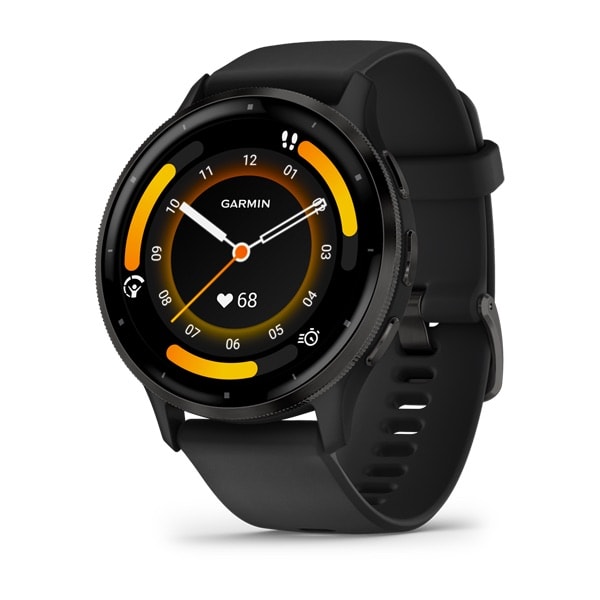
Garmin Venu 3 Sleep Tracking: Nap Detection, Sleep Coaching, and 14-Day Battery
The only mainstream smartwatch that detects naps automatically, coaches you on sleep debt, and tracks sleep for two weeks on a single charge, eliminating the battery anxiety that undermines overnight…

The Daily Rounds: Longevity & Health Care Brief | April 10, 2026
🔬 Aging Reframed as Coordination Loss: Scientists at the 2026 World Longevity Congress argue that preserving biological coordination across systems, not fixing individual defects, is the new paradigm for healthy aging. 🧠 Exercise Plus Sleep Cuts Dementia Risk: A new meta-analysis confirms that regular physical activity combined with 7 to 8 hours of nightly sleep significantly reduces dementia risk later in life. 🤖 AI Drug Pipeline Hits 173 Clinical Programs: AI-discovered drug programs are advancing rapidly, with over 173 now in clinical trials and up to 20 pivotal trials expected to launch in 2026. 🦠 Gut Bacteria Directly Reshape Human Immune Responses: Common gut microbes inject proteins into human cells, actively shaping immune behavior in ways potentially central to inflammatory disease and future therapies. 😴 Circadian Misalignment Under Study as Liver Cancer Driver: New Fred Hutch research will investigate whether disrupted internal body clocks increase risk of hepatocellular carcinoma, adding to the growing evidence linking circadian health to cancer risk.
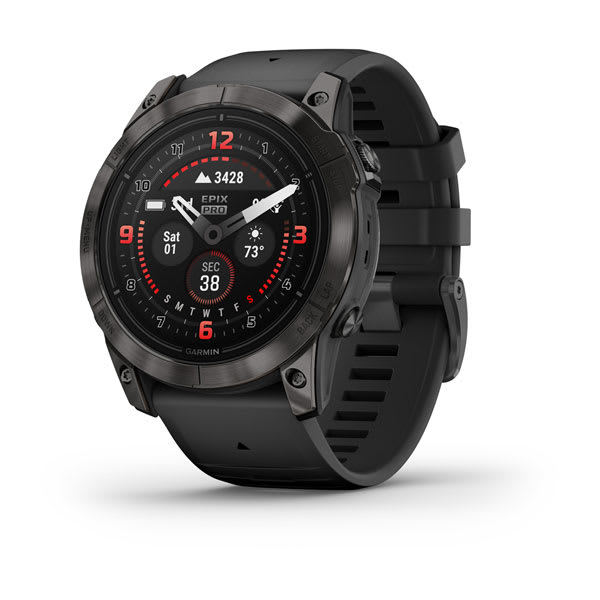
Garmin Epix Pro Gen 2: AMOLED Endurance Watch With FDA Cleared ECG and Advanced Navigation
Garmin’s premium AMOLED multisport watch pairs FDA cleared atrial fibrillation screening with deep training analytics, multi band GPS, and expedition grade durability in a display that finally matches the data…
The Daily Rounds: Longevity & Health Care Brief | April 29, 2026
🧫 Harvard Links Gut Bacteria to Depression via Inflammation: Morganella morganii produces a modified phospholipid that activates IL-6-driven immune inflammation, establishing a direct molecular pathway from gut bacteria to depression and creating new immune-targeted treatment targets. 🏥 FDA Launches Real-Time Clinical Trial Pilot: AstraZeneca and Amgen are feeding live trial data directly into FDA review systems in a landmark program that could compress cancer drug approval timelines by months and reshape how all clinical trials are conducted. 🌙 Fragmented Circadian Rhythms Accelerate Brain Shrinkage: Johns Hopkins researchers found that weaker daily rest-activity patterns in adults over 50 are directly tied to faster loss of memory-critical brain volume, making circadian health a modifiable and measurable neurodegeneration target. 😴 Chronic Insomnia Raises Dementia Risk by 40%: A six-year study of more than 2,700 adults links persistent insomnia to significantly greater amyloid buildup and white matter damage, reinforcing sleep quality as a primary dementia prevention strategy. 💰 Eli Lilly Bets $2.75 Billion on AI Drug Discovery: The massive Insilico Medicine commitment signals that major pharmaceutical companies now treat AI-designed drug candidates as legitimate pipeline assets, accelerating capital flow into the AI biotech sector ahead of critical Phase II readouts.

The Gut-Liver Axis: How a Younger Microbiome Reversed Hepatic Aging in 2026
A landmark study presented at Digestive Disease Week 2026 used autologous fecal microbiota transplant to restore a younger microbial fingerprint in aging mice, reversing core hallmarks of liver aging and…
The Daily Rounds: Longevity & Health Care Brief | May 8, 2026
🥚 Eggs and Alzheimer’s Risk — A 15-year, nearly 40,000-person study finds eating eggs five or more times weekly is linked to a 27% reduction in Alzheimer’s risk, driven by…
