
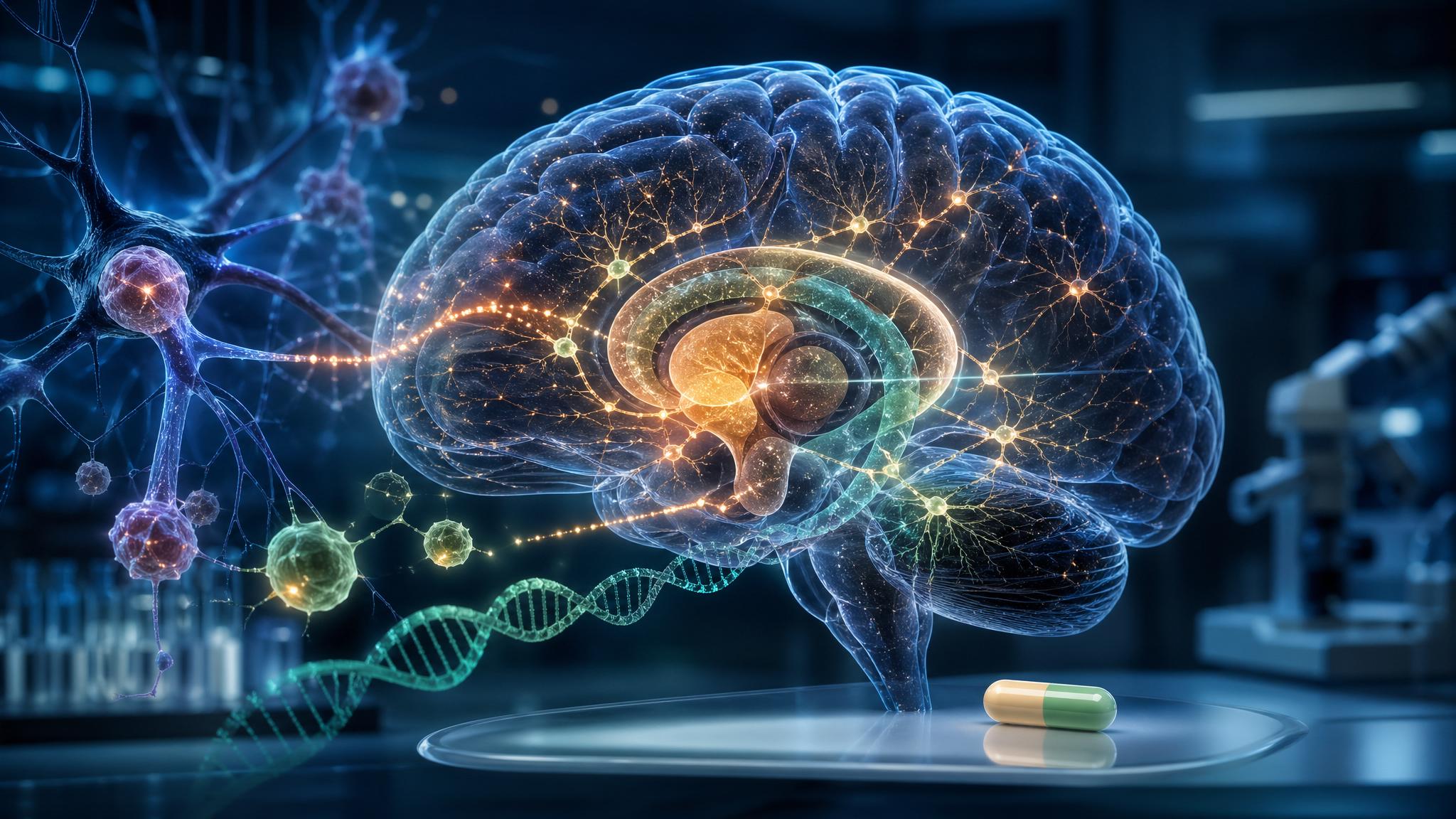
The Race to Replace Lost Neurons: How Stem Cell Therapies, Genetic Targeting, and a New Class of Oral Drugs Are Rewriting the Parkinson’s Playbook
Parkinson’s disease affects more than 10 million people worldwide. For over half a century, the central strategy for managing it has remained fundamentally unchanged: replace the dopamine that dying neurons can no longer produce, primarily through levodopa and its derivatives. The drugs help. They do not halt the disease. They do not replace what has been lost. And over time, they lose their effectiveness, leaving patients stranded in a narrowing window between symptom relief and disabling side effects.
Presented By Our Partners



In the spring of 2026, that picture is changing in ways that would have seemed implausible even five years ago. Three distinct therapeutic frontiers are converging on Parkinson’s disease simultaneously, each attacking the problem from a fundamentally different angle. Stem cell therapies are proving they can graft new dopamine-producing neurons directly into the human brain. Gene-targeted drugs are addressing the molecular roots of the disease in genetically defined patient populations. And a new class of selective oral dopamine agonist is moving toward what could become the first novel FDA-approved Parkinson’s drug in more than a decade.
None of these advances is a cure. But taken together, they represent the most significant expansion of the Parkinson’s treatment landscape since levodopa itself.
Stem Cells That Survive: Bemdaneprocel and the Nature Publication That Changed the Conversation
The idea of transplanting dopamine-producing cells into the brains of Parkinson’s patients is not new. Fetal tissue transplants were attempted in the 1980s and 1990s, with mixed and sometimes devastating results, including graft-induced dyskinesias that left some patients worse off than before. The field retreated, regrouped, and spent two decades refining the science of cell derivation, quality control, and surgical delivery.
The payoff arrived in a landmark publication in Nature in 2025. Researchers from BlueRock Therapeutics, a Bayer subsidiary, reported 18-month results from the Phase 1 clinical trial of bemdaneprocel, an off-the-shelf cell therapy derived from human embryonic stem cells (hES cells). Twelve patients with moderate Parkinson’s disease received bilateral grafts of cryopreserved dopaminergic neuron progenitor cells, surgically implanted into the putamen, the brain region most affected by dopamine loss.
The results were striking on multiple levels. First, the grafts survived. PET imaging confirmed that the transplanted cells engrafted and produced dopamine at 18 months post-surgery, with the high-dose cohort (2.7 million cells) showing the clearest imaging signal. Second, patients in the high-dose group showed measurable improvements in off-medication motor function, the clinical state that best reflects the underlying disease. Third, and perhaps most importantly, none of the 12 patients developed graft-induced dyskinesia, the complication that had derailed earlier fetal tissue approaches. The researchers attributed this to the absence of serotonergic neuron contaminants in the bemdaneprocel product, a quality-control achievement that preclinical studies had confirmed both in vitro and in vivo.
By 36 months, follow-up data presented at international neurology conferences showed that the safety profile remained favorable and positive efficacy trends continued. The grafts were not just surviving; they appeared to be doing their job.
These results were compelling enough to launch exPDite-2, the first pivotal Phase 3 trial of a pluripotent stem cell-derived therapy for Parkinson’s disease. The first patient was treated in September 2025, and results are expected in 2027. If successful, bemdaneprocel would become the first cell replacement therapy ever approved for a neurodegenerative disease.
A Second Entry: RNDP-001 and the iPSC Approach
BlueRock is not alone. Kenai Therapeutics, a company spun out of research at the University of California, San Diego, began dosing patients in December 2025 in the Phase 1 REPLACE trial of RNDP-001, a cell therapy built on a different stem cell platform.
Where bemdaneprocel uses human embryonic stem cells, RNDP-001 is derived from induced pluripotent stem cells (iPSCs), which are generated by reprogramming adult donor cells back to a pluripotent state. The distinction matters for both scientific and practical reasons. iPSC-derived therapies avoid the ethical complexities associated with embryonic tissue and, in theory, can be manufactured from a broader range of donor sources, potentially improving scalability.
The REPLACE trial is enrolling up to 12 patients with moderate to moderate-severe idiopathic Parkinson’s disease at three sites across the United States. Like the bemdaneprocel approach, the therapy involves surgically delivering progenitor cells directly into the brain, where they are expected to differentiate into dopaminergic neurons and begin producing dopamine.
The FDA has granted RNDP-001 Fast Track designation, reflecting the agency’s recognition of the urgent unmet need in Parkinson’s disease. Kenai received an $8 million grant from the California Institute for Regenerative Medicine (CIRM) to advance the program. Initial safety, tolerability, and brain imaging data from all patients are expected later in 2026.
A comprehensive clinical review published in early 2026 in the Journal of Parkinson’s Disease noted that the parallel advancement of both hES-derived and iPSC-derived dopaminergic cell therapies into human trials represents a watershed moment for the field. For the first time, two distinct manufacturing platforms are being tested head-to-head in clinical reality, allowing researchers to compare engraftment efficiency, immune response profiles, and long-term safety in ways that preclinical models alone could never resolve.
Targeting the Genetic Roots: GBA1 and the ACTIVATE Trial
While stem cell therapies aim to replace neurons that have already been lost, a parallel line of research is focused on preventing the neuronal death that drives Parkinson’s disease in the first place. The most advanced of these disease-modifying approaches targets a specific genetic vulnerability: mutations in the GBA1 gene.
Featured Partner
Invest in the Infrastructure Behind Modern Medicine
As healthcare expands beyond hospital walls, the buildings and campuses supporting that shift are generating compelling returns for investors who move early. The Healthcare Real Estate Fund offers qualified investors direct access to a curated portfolio of medical office, outpatient, and specialty care facilities.
Learn More →
Roughly 7 to 12 percent of Parkinson’s patients carry a pathogenic variant in GBA1, which encodes the enzyme glucocerebrosidase (GCase). When GCase function is impaired, sphingolipids accumulate inside neurons, disrupting lysosomal function and accelerating alpha-synuclein aggregation, the protein clumping process widely believed to be a central driver of Parkinson’s neurodegeneration. Patients with GBA1 mutations tend to develop Parkinson’s earlier, progress faster, and experience more severe cognitive decline than those without the mutation.
BIA 28-6156, developed by the Portuguese pharmaceutical company BIAL, is a first-in-class, orally administered, small-molecule allosteric activator of GCase. Rather than replacing the enzyme or suppressing its downstream effects, the drug works by binding to the existing GCase protein and boosting its catalytic activity, restoring the lipid recycling pathway that the mutation disrupts.
The Phase 2b ACTIVATE study is the most advanced clinical trial of a GCase activator in Parkinson’s disease. It enrolled 273 genetically confirmed GBA1 Parkinson’s patients across 85 clinical sites in 11 countries throughout Europe and North America, completing recruitment ahead of schedule. The primary endpoint is change in the Movement Disorders Society Unified Parkinson’s Disease Rating Scale (MDS-UPDRS) Parts II and III, the gold-standard measure of motor function, over the treatment period.
The last patient’s final visit is anticipated in April 2026, with topline results on track for release by mid-2026. Early safety data from Phase 1b showed the drug was well tolerated, with headache (15.2% vs. 9.5% placebo), back pain, and somnolence as the most common adverse events.
If ACTIVATE produces positive efficacy data, BIA 28-6156 would become the first drug to directly modify the underlying molecular cause of Parkinson’s disease in a genetically defined population. It would also validate the broader strategy of precision medicine in neurodegeneration, matching treatments to the specific biological mechanisms driving each patient’s disease.
LRRK2 Inhibitors: Another Genetic Target Under the Microscope
The GBA1 pathway is not the only genetic target in active clinical development. Mutations in the LRRK2 gene (leucine-rich repeat kinase 2) represent the most common genetic cause of familial Parkinson’s disease and also contribute to sporadic cases. Overactive LRRK2 kinase disrupts vesicle trafficking and lysosomal function, creating a cellular environment that favors neurodegeneration.
BIIB122, developed by Denali Therapeutics in partnership with Biogen, is a selective, brain-penetrant small molecule inhibitor of LRRK2. The Phase 2b LUMA trial enrolled approximately 650 participants with early-stage Parkinson’s disease, both with and without LRRK2 mutations, across 113 trial sites. Patients were randomized to receive BIIB122 tablets or placebo once daily for up to 144 weeks, with the primary outcome measuring changes in combined motor and daily living function scores over the full treatment period.
The LUMA trial’s completion was expected by March 2026, making results potentially imminent. The trial’s design is notable for its inclusiveness: by enrolling both LRRK2 carriers and non-carriers, researchers will be able to assess whether LRRK2 inhibition benefits Parkinson’s patients broadly or only those with the specific genetic vulnerability.
It is worth noting that the companion Phase 3 LIGHTHOUSE study was discontinued, not due to safety or efficacy concerns, but because of the study’s complexity and a projected completion date of 2031. The decision underscores a broader challenge in Parkinson’s drug development: disease-modifying trials require years of follow-up to demonstrate meaningful slowing of progression, testing both the patience and the financial reserves of the companies that fund them.
Tavapadon: A New Oral Drug on the FDA’s Doorstep
While the disease-modifying pipeline advances through mid-stage trials, one new symptomatic therapy is far closer to reaching patients. Tavapadon, developed by Cerevel Therapeutics (now part of AbbVie following its 2024 acquisition), is a once-daily oral dopamine D1/D5 receptor partial agonist that represents a genuinely new pharmacological mechanism for Parkinson’s symptom management.
Unlike existing dopamine agonists such as pramipexole and ropinirole, which primarily target D2 and D3 receptors, tavapadon selectively stimulates only D1 and D5 receptors. This selectivity matters clinically because D2/D3 agonists are associated with impulse control disorders, including compulsive gambling, hypersexuality, and binge eating, side effects that affect a significant minority of patients and can be socially devastating. By avoiding D2/D3 stimulation, tavapadon may offer motor symptom relief with a cleaner side-effect profile.
AbbVie submitted a New Drug Application (NDA) to the FDA in September 2025, supported by data from three randomized, placebo-controlled Phase 3 trials. The TEMPO-1 and TEMPO-2 studies evaluated tavapadon as monotherapy in early-stage Parkinson’s disease. TEMPO-3 assessed it as an add-on therapy to levodopa in patients with motor fluctuations. All three trials met their primary endpoints.
An FDA decision is expected in the first half of 2026. If approved, tavapadon would be the first novel oral Parkinson’s drug with a new mechanism of action to reach the market in over a decade, giving clinicians a meaningful new option for patients who cannot tolerate existing dopamine agonists or who need additional symptom control beyond what levodopa alone provides.
The GLP-1 Question: Promise, Disappointment, and Perseverance
No overview of the Parkinson’s pipeline would be complete without acknowledging the GLP-1 receptor agonist story, a line of research that generated enormous excitement before running into clinical reality.
Glucagon-like peptide-1 (GLP-1) receptor agonists, originally developed for type 2 diabetes and obesity, showed powerful neuroprotective effects in preclinical Parkinson’s models. The mechanism was compelling: GLP-1 receptor activation suppresses microglial production of pro-inflammatory cytokines such as TNF-alpha, IL-1 beta, and IL-6, shifting the brain’s immune environment from neurotoxic to neuroprotective. NLY01, a brain-penetrant, pegylated version of exenatide developed by Neuraly, was specifically designed to exploit this pathway.
The Phase 2 trial results, however, were sobering. NLY01 at both tested doses showed no improvement in motor or non-motor Parkinson’s features compared to placebo over 36 weeks. The negative result does not necessarily invalidate the GLP-1 hypothesis in neurodegeneration, since the trial may have been too short, the doses insufficient, or the patient population too heterogeneous. A 2025 editorial in the New England Journal of Medicine argued that the preclinical rationale remains strong and that larger, longer trials with better-defined patient subgroups are warranted.
Multiple other GLP-1 agonists and dual GLP-1/GIP agonists continue in development for neurodegenerative conditions. The question is not whether neuroinflammation matters in Parkinson’s, because the evidence that it does is overwhelming, but whether current GLP-1 drugs can reach the brain in sufficient concentrations and sustained durations to produce clinically meaningful effects.
What This Means for You
If you or someone you care about lives with Parkinson’s disease, the landscape in 2026 offers more reason for realistic optimism than at any point in the disease’s modern medical history. Here is how to think about what is happening.
Stem cell therapies are no longer theoretical. Two distinct approaches have reached human trials, with one already demonstrating graft survival and motor improvement at three years. The Phase 3 trial of bemdaneprocel is underway, and if successful, could bring the first neuronal replacement therapy to market before the end of this decade.
Gene-targeted therapies are entering the decisive phase. If you carry a GBA1 or LRRK2 mutation, or if you have a family history of Parkinson’s, ask your neurologist about genetic testing. The results may soon determine which treatments are available to you. The ACTIVATE and LUMA trials are testing drugs that address the root molecular cause of the disease in specific genetic subgroups, and their results, expected in 2026, will shape the next generation of treatment guidelines.
A new oral drug may arrive soon. Tavapadon’s FDA decision is expected imminently. If approved, it would provide a new symptomatic option with a potentially lower risk of the impulse control disorders that make existing dopamine agonists intolerable for some patients.
Clinical trials are accessible. The REPLACE trial for RNDP-001, the exPDite-2 trial for bemdaneprocel, and the ACTIVATE trial for BIA 28-6156 are all actively enrolling. The Michael J. Fox Foundation’s Fox Trial Finder (foxtrialfinder.org) remains the best starting point for identifying trials that match your diagnosis, location, and genetic profile.
The standard advice still applies. Exercise, particularly vigorous aerobic activity and resistance training, remains the only intervention with consistent evidence of slowing Parkinson’s progression across multiple large studies. No drug in the pipeline makes physical activity less important. If anything, the emerging science of neuroplasticity suggests that exercise may enhance the brain’s ability to integrate transplanted cells and respond to disease-modifying therapies.
The decades of frustration in Parkinson’s research have not ended. But the tools have changed, the science has matured, and the pipeline is deeper and more diverse than it has ever been. For the first time, the question facing Parkinson’s patients and their physicians is not whether better treatments will come, but which of several genuinely promising approaches will get there first.


Similar Posts

The Centenarian Gut: How Bile Acids, Akkermansia, and Microbial Diversity Are Rewriting Longevity Science in 2026
New 2026 research is reshaping longevity medicine through the gut. From Kenya Honda’s discovery of isoalloLCA in Japanese centenarians, to Patrice Cani’s Akkermansia muciniphila trials at UCLouvain, to the ARMOR…

The Cure Hiding in Plain Sight: How Every Cure Is Rewriting the Rules of Drug Discovery
Every Cure is a nonprofit using AI and drug repurposing to uncover treatments hidden inside existing medicines. Founded by physician-scientist David Fajgenbaum after a repurposed drug saved his own life,…

The Mitochondrial Decade: Urolithin A, NAD+, MOTS-c, and the 2026 Science of Cellular Aging
In 2026, mitochondria have moved from a footnote in biology textbooks to the central organelle of aging research. From urolithin A’s mitophagy revolution to new NAD+ trials, MOTS-c, and the…
The Alzheimer’s Blood Test Has Arrived: How Plasma p-Tau217 Is Rewriting Early Diagnosis in 2026
For decades, confirming Alzheimer’s disease required a spinal tap or a PET scan that few patients ever received. In 2025 the FDA cleared the first plasma p-tau217 blood test, and…

The PEARL Trial Is In: What Low-Dose Rapamycin Actually Did to Human Aging Over 48 Weeks
The most anticipated longevity drug trial in a generation has delivered its full one-year results. Here is what rapamycin actually did to lean muscle, pain, biological age, and overall healthspan…

Garmin Venu 3: FDA-Cleared ECG With 14-Day Battery and No Subscription
Battery life is not a specs race. For a health monitoring device, it determines whether you actually capture the data that matters most: your sleep, your recovery, and the hours…
