
Eli Health Hormonal Tracker: Daily Saliva-Based Hormone Monitoring for Perimenopause
Perimenopause can last a decade. For most of that time, standard lab work says everything is “normal” while the body tells a very different story.
Presented By Our Partners



The perimenopausal transition typically begins in a woman’s early to mid-40s and extends until menopause, defined as 12 consecutive months without menstruation, which occurs at an average age of 51. During this transition, estrogen, progesterone, and other reproductive hormones do not decline in a smooth, predictable curve. They fluctuate wildly, sometimes spiking to levels higher than peak reproductive years before crashing to near-menopausal levels, all within the same month. These erratic fluctuations drive hot flashes, sleep disruption, mood instability, cognitive changes, and cycle irregularity. Yet a standard blood draw on any given day captures only a single frame of this chaotic hormonal film, more likely to be misleading than informative. What perimenopausal women need is not a snapshot but a continuous narrative of their hormonal transitions, tracking how estrogen and progesterone shift from day to day and week to week across this prolonged and unpredictable life stage.
The Eli Health Hormonal Tracker is designed specifically for this purpose: continuous daily hormone monitoring through saliva, providing longitudinal data that reveals the trajectory of hormonal change in a way that periodic lab draws cannot.
What Is the Eli Health Hormonal Tracker?
The Eli Health Hormonal Tracker is an at-home saliva-based hormone analyzer that measures cortisol, estradiol, and progesterone from daily saliva samples. The device uses a compact analyzer unit paired with a smartphone app to process saliva collected onto proprietary test cartridges. Results are available within minutes and displayed through the app, building a longitudinal hormone profile that visualizes trends across days, weeks, and months.
The device costs $299 for the analyzer, with an ongoing subscription of $49 per month ($588 per year) for the test cartridges and app access. This makes Eli Health one of the higher-cost options in the hormonal testing category, but it is also the only device designed specifically for daily longitudinal hormone tracking rather than periodic point-in-time assessment.
Eli Health’s primary focus is on women in perimenopause who want to understand and track their hormonal shifts in real time. The device is FDA registered and targets the gap between reproductive-age fertility monitors (which track ovulation) and post-menopausal hormone assessment (which monitors stable low levels). Perimenopause, the volatile transition between these two states, is the specific clinical territory Eli Health addresses.
The Science Behind Daily Hormone Tracking in Perimenopause
The perimenopausal transition is characterized by increasing variability in the hypothalamic-pituitary-ovarian axis. As the follicular pool declines, the remaining follicles respond less predictably to FSH stimulation, producing erratic estrogen output. Some cycles may be anovulatory (no progesterone rise), some may produce exaggerated estrogen peaks followed by inadequate progesterone, and others may appear relatively normal. This variability makes single-point laboratory assessment unreliable for characterizing the hormonal landscape of perimenopause.
Research in reproductive endocrinology has established that perimenopausal hormone variability, not simply hormone decline, drives many of the symptoms women experience during this transition. Hot flashes correlate more strongly with estrogen withdrawal (rapid drops from high levels) than with absolute estrogen deficiency. Sleep disruption tracks with progesterone variability. Mood instability correlates with fluctuating, rather than stable low, estrogen exposure. These findings explain why many perimenopausal women feel worse during the transition than after menopause, when hormone levels stabilize at low but consistent levels.
A 2024 systematic review published in the Journal of Medical Internet Research by Lyzwinski et al. documented that wearable and at-home health technologies are increasingly incorporating longitudinal data collection models that capture dynamic physiological changes rather than static snapshots. The review identified menstrual cycle tracking technologies as a key growth area and noted that continuous monitoring approaches provide clinically superior data for conditions characterized by temporal variability.
Salivary hormone measurement is well validated for cortisol and has established clinical utility for estradiol and progesterone, particularly for tracking trends over time. While the absolute concentrations in saliva are lower than in serum, the correlation between salivary and serum free hormone levels has been demonstrated across multiple validation studies. For longitudinal tracking, where the clinical question is “how are my hormones changing?” rather than “what is my exact hormone level today?”, saliva provides a practical, noninvasive collection method suitable for daily use.
What the Eli Health Hormonal Tracker Does Well
Eli Health’s defining strength is its focus on longitudinal data. No other consumer device is designed specifically for daily hormone tracking across the perimenopausal transition. The ability to visualize estradiol, progesterone, and cortisol trends over weeks and months provides a level of temporal resolution that periodic lab work cannot approach. For women experiencing unpredictable symptoms, connecting those symptoms to visible hormonal shifts can be both clinically useful and psychologically validating.
The inclusion of cortisol alongside reproductive hormones acknowledges that perimenopause does not occur in an endocrine vacuum. Cortisol dysregulation is common during this transition, driven by sleep disruption, stress, and the metabolic changes that accompany declining estrogen. Tracking cortisol alongside estradiol and progesterone allows users to observe the interplay between stress response and reproductive hormone fluctuations.
The app-based visualization transforms raw hormone data into interpretable trend lines that users can share with their healthcare providers. For practitioners managing perimenopausal patients, having weeks or months of daily hormone data available at a consultation provides dramatically more information than a single-day lab panel, potentially informing treatment timing, hormone therapy dosing, and symptom management strategies.
Featured Partner
Invest in the Infrastructure Behind Modern Medicine
As healthcare expands beyond hospital walls, the buildings and campuses supporting that shift are generating compelling returns for investors who move early. The Healthcare Real Estate Fund offers qualified investors direct access to a curated portfolio of medical office, outpatient, and specialty care facilities.
Learn More →
Pricing, Access, and Practical Realities
The Eli Health analyzer costs $299 upfront, with a monthly subscription of $49 for test cartridges and app access. Annual cost of ownership is approximately $887 in the first year and $588 in subsequent years. This positions Eli Health as one of the more expensive at-home hormone monitoring options, comparable to or exceeding the annual cost of the DUTCH Test for users who test year-round.
The device is FDA registered. As with other FDA-registered (versus FDA-cleared) devices, this means the company has listed the product with the FDA and complies with quality system regulations, but it has not undergone the 510(k) premarket review process. Users should understand this regulatory distinction.
Daily testing requires a consistent collection routine: providing a saliva sample each morning, inserting the cartridge into the analyzer, and waiting for results. This daily commitment is more demanding than periodic testing platforms and may not suit users who find routine testing burdensome. However, for users motivated by the value of longitudinal data, the daily ritual is the mechanism that generates the clinical insight.
The subscription model means costs continue as long as the user wants to track. Unlike one-time tests that provide a snapshot and are done, Eli Health’s value proposition depends on sustained use over months. Users should evaluate whether they plan to track for long enough to justify the ongoing subscription cost.
Who the Eli Health Hormonal Tracker Is Best For
Eli Health is ideal for women in their late 30s to early 50s experiencing perimenopausal symptoms (irregular cycles, hot flashes, sleep disruption, mood changes) who want to understand the hormonal dynamics behind their symptoms. It is particularly valuable for women whose standard lab work has returned “normal” results that do not match their lived experience, as the longitudinal data can reveal day-to-day variability that single-point tests miss.
Women working with practitioners who manage perimenopause through hormone therapy will find Eli Health’s data especially useful for treatment monitoring. Daily hormone tracking can help practitioners identify optimal treatment timing and dosing, observe response to therapy, and adjust interventions based on real-time hormonal trends rather than periodic snapshots.
Women in stable reproductive years who simply need ovulation tracking should choose a fertility-focused monitor like Mira or Inito. Women seeking a one-time hormonal health assessment should use a panel test like Modern Fertility or Everlywell. Eli Health’s value proposition is specifically tailored to the volatility and unpredictability of the perimenopausal transition, and users outside this demographic may not find the daily tracking protocol and subscription cost justified.
How the Eli Health Hormonal Tracker Compares
No direct competitor offers the same daily saliva-based longitudinal hormone tracking specifically designed for perimenopause. The closest alternatives serve different clinical needs. Mira and Inito ($149 to $199 device plus consumables) track urinary hormones for fertility and ovulation, not perimenopausal transition monitoring. The DUTCH Test ($399 to $499) provides comprehensive metabolite analysis but captures a single time point. ZRT Laboratory ($99 to $299) offers practitioner-focused saliva panels that are not designed for daily longitudinal use.
Wearable devices like the Oura Ring can detect temperature and physiological changes associated with cycle phase transitions but cannot measure specific hormone concentrations. The Oura Ring’s 2025 validation study demonstrated 96.4% ovulation detection using physiological proxies, but this approach provides cycle phase estimation, not the direct hormone measurement that characterizes Eli Health’s approach.
The Base Hormone Subscription ($99 to $199 per month) offers monthly blood-based hormone tracking, which provides more frequent data than one-time panels but still captures only monthly snapshots rather than daily trends. Eli Health’s daily granularity is significantly higher, though at a different cost structure.
Limitations and Open Questions
Eli Health’s daily testing protocol requires consistent user compliance. Missing days creates gaps in the longitudinal data that reduce its clinical value. Users who find daily testing burdensome or who travel frequently may struggle to maintain the consistent data collection that the platform depends on.
The device measures three hormones (cortisol, estradiol, progesterone) but does not include FSH, LH, or thyroid markers. For a comprehensive perimenopausal assessment, users may need to supplement Eli Health’s daily tracking with periodic panel tests that include these additional markers. FSH trends, in particular, are clinically important for confirming the perimenopausal transition stage.
Published peer-reviewed clinical validation data specific to the Eli Health device is limited compared to established platforms. While saliva hormone measurement is well validated as a methodology, device-specific accuracy data, particularly for the miniaturized analyzer format, would strengthen the evidence base. Users and practitioners should weigh the conceptual value of daily tracking against the current maturity of the platform’s published validation.
The subscription cost of $588 per year means Eli Health is a significant financial commitment. Users should have a clear clinical objective (monitoring perimenopausal transition, guiding hormone therapy, tracking symptom-hormone correlations) to justify the ongoing expense. Casual curiosity about hormone levels may not warrant this level of investment.
What This Means for Your Health
The Eli Health Hormonal Tracker addresses what may be the largest underserved gap in women’s health technology: the perimenopausal transition. While the market is saturated with fertility-focused tools for women in their 20s and 30s, women in their 40s and early 50s navigating one of the most symptomatically challenging hormonal transitions of their lives have had remarkably few tools designed for their specific needs. Eli Health fills this gap with a device built explicitly for the volatility and unpredictability that characterize perimenopause.
Within Healthcare Discovery‘s Five Pillars framework, the perimenopausal transition is a period where foundational health practices become not just important but essential. Sleep quality, which declines as progesterone falls, can be supported through sleep hygiene and breathwork practices. Hot flash frequency and severity respond to regular exercise, stress management, and dietary strategies (phytoestrogens, reduced alcohol, stable blood sugar). Cognitive changes associated with fluctuating estrogen can be mitigated through movement, social engagement, and mindset practices. Eli Health’s daily hormone data provides the feedback mechanism that connects these interventions to measurable hormonal outcomes.
In the context of the Four Shadows, the perimenopausal transition is a critical window for cardiovascular and metabolic health. Declining estrogen removes a cardioprotective factor, accelerating arterial stiffness and LDL cholesterol elevation. Metabolic changes promote insulin resistance and visceral fat accumulation. Understanding the timing and pace of these hormonal shifts through daily tracking can inform the urgency and specificity of preventive interventions, helping women and their practitioners make informed decisions about when to intensify foundational practices, initiate hormone therapy, or pursue additional screening for the cardiovascular and metabolic risks that accelerate during this transition.
Frequently Asked Questions
What hormones does the Eli Health Hormonal Tracker measure?
Eli Health measures three hormones from daily saliva samples: cortisol, estradiol, and progesterone. These three markers provide insight into the reproductive hormone fluctuations and stress response changes that characterize perimenopause. The device does not measure FSH, LH, or thyroid hormones.
How much does the Eli Health Hormonal Tracker cost?
The analyzer costs $299. The monthly subscription for test cartridges and app access costs $49 per month ($588 per year). Total first-year cost is approximately $887. Subsequent years cost $588 if the subscription is maintained continuously.
Is the Eli Health device FDA cleared?
Eli Health is FDA registered, which means the company has listed the device with the FDA and complies with quality system regulations. It has not undergone the 510(k) premarket clearance process that FDA-cleared devices complete. FDA registration is a legitimate regulatory pathway but represents a different level of premarket review than FDA clearance.
How is the Eli Health Hormonal Tracker different from fertility monitors?
Fertility monitors like Mira and Inito are designed to identify the fertile window and confirm ovulation in women of reproductive age. Eli Health is designed for women in perimenopause who need to track the day-to-day hormonal fluctuations driving symptoms like hot flashes, sleep disruption, and mood changes. The clinical objectives and target populations are fundamentally different.
Can Eli Health help my doctor manage hormone therapy?
Daily hormone data from Eli Health can provide practitioners with significantly more information than periodic lab draws for managing perimenopausal hormone therapy. The longitudinal trends can help identify optimal timing for therapy initiation, monitor response to treatment, and guide dosage adjustments based on real-time hormonal patterns rather than single-point snapshots.


Similar Posts
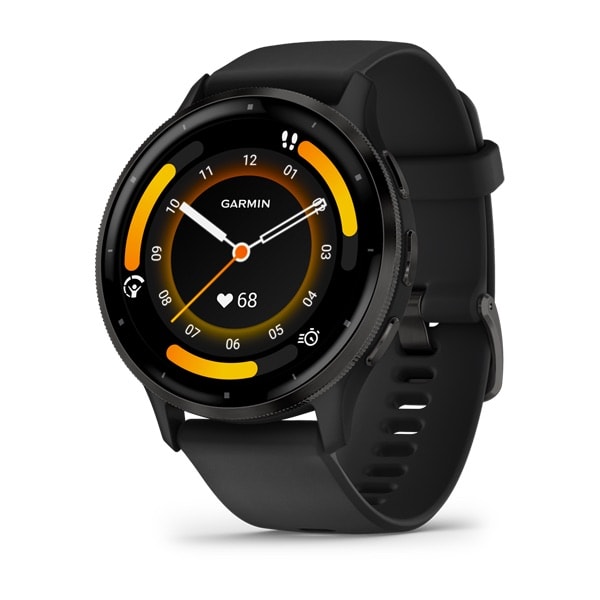
Garmin Venu 3 Sleep Tracking: Nap Detection, Sleep Coaching, and 14-Day Battery
The only mainstream smartwatch that detects naps automatically, coaches you on sleep debt, and tracks sleep for two weeks on a single charge, eliminating the battery anxiety that undermines overnight…

The AI Scientists Are Already Running the Lab: How Autonomous Multi-Agent Systems Are Reinventing Drug Discovery
A new generation of AI systems does not just assist scientists; it organizes itself into research teams, designs experiments, debates hypotheses, and identifies drug candidates at speeds no human laboratory…
The Daily Rounds: Longevity & Health Care Brief | March 28, 2026
🧬 Epigenetic reprogramming has entered human trials — Life Biosciences is now enrolling patients in the first FDA-cleared age-reversal study. 🧠 Two major Alzheimer's breakthroughs this week — a newly identified "death switch" molecule and CAR-astrocyte plaque cleaners. 🤖 AI co-scientists are validating drug discoveries in real time — Google's system confirmed AML drug candidates; NVIDIA + Lilly committed $1B to the space. 🦠 A single gut bacteria molecule doubled cancer immunotherapy response — Bac429 is moving toward human drug development. 😴 Sleep is about daytime function, not just nighttime hours — a new clinical framework is changing how insomnia is measured and treated.

SelfDecode: AI-Powered DNA Analysis and Personalized Health Recommendations From Your Existing Genetic Data
Upload your existing genetic data from 23andMe or AncestryDNA and unlock over 100 AI-generated health reports with personalized supplement and lifestyle recommendations. But how much clinical weight should you give…
The Daily Rounds: Longevity & Health Care Brief | April 2, 2026
🧬 - Epigenetic reprogramming has entered human clinical trials for the first time, with Life Biosciences receiving FDA clearance to test partial reprogramming in retinal degeneration patients, a landmark moment for the entire longevity field. 🤖 - An AI-designed drug for pulmonary fibrosis showed a 160 mL treatment differential in forced vital capacity versus placebo in Phase IIa, suggesting the drug may stop or reverse disease progression rather than merely slowing it. 🦠 - Gut bacteria use molecular syringe-like structures to inject proteins directly into human cells, and this bacterial protein transfer is now linked to elevated Crohn's disease risk, redefining how the microbiome communicates with the immune system. ❤️ - A new cardiovascular drug class reduces heart attack and stroke risk in older adults by nearly 20 percent by simultaneously targeting cholesterol, inflammation, and blood sugar, pointing toward a potential revision of current standard-of-care protocols. ⏰ - Circadian biology is entering the clinic, with evidence that vaccine timing, sleep medication evaluation, and cardiovascular risk management all benefit from treating the biological clock as a measurable and modifiable variable rather than background noise.

Tiny Health: The First Microbiome Test Designed for Babies, Children, and Pregnancy
Why the first 1,000 days of microbial colonization may be the most consequential window for lifelong health, and what parents can actually do about it Presented By Our Partners In…
