
ZRT Laboratory Hormone Kits: Saliva and Blood Spot Testing From a Pioneer in At-Home Diagnostics
Before the wave of consumer fertility monitors and direct-to-consumer testing startups, one Oregon laboratory was quietly building the scientific foundation for at-home hormone testing that practitioners would come to rely on for decades.
Presented By Our Partners


ZRT Laboratory was founded in 1998 by David Zava, PhD, a biochemist who recognized that saliva and dried blood spot samples could deliver clinically meaningful hormone data without the inconvenience, cost, and access barriers of traditional venous blood draws. At a time when at-home hormone testing was virtually nonexistent in the consumer market, ZRT was developing and validating saliva-based assays for steroid hormones and dried blood spot methods for thyroid and metabolic markers. The company has since processed millions of tests and established itself as a foundational reference laboratory in the functional and integrative medicine community. While newer direct-to-consumer brands have captured mainstream attention, ZRT remains the testing backbone behind many practitioner-ordered hormone assessments.
ZRT Laboratory Hormone Kits bring this two-decade laboratory heritage directly to consumers and practitioners through a range of at-home saliva, blood spot, and urine test panels covering reproductive hormones, thyroid function, adrenal health, and metabolic markers.
What Are ZRT Laboratory Hormone Kits?
ZRT Laboratory offers a modular system of at-home hormone tests using three collection methods: saliva (for steroid hormones like cortisol, DHEA, testosterone, estradiol, and progesterone), dried blood spot (for thyroid hormones, insulin, HbA1c, and vitamin D), and dried urine (for hormone metabolites). Kits range from $99 to $299 depending on the panel configuration, with individual hormone add-ons available to customize the testing profile.
The most commonly ordered panels include the Female/Male Hormone Profile (saliva panel measuring estradiol, progesterone, testosterone, DHEA-S, and cortisol), the Thyroid Panel (dried blood spot measuring TSH, free T4, free T3, and TPO antibodies), and combination panels that merge saliva and blood spot markers into comprehensive assessments. ZRT also offers a Weight Management Profile, Adrenal Stress Profile (four-point saliva cortisol), and Cardio-Metabolic Profile.
ZRT tests are processed in the company’s own CLIA-certified, CAP-accredited laboratory in Beaverton, Oregon. Results are delivered through ZRT’s online portal, with detailed reference ranges and interpretive comments. While the tests can be ordered by consumers in most states, ZRT’s primary channel is through healthcare practitioners who order tests on behalf of patients and provide clinical interpretation.
The Science Behind Saliva and Blood Spot Hormone Testing
Saliva hormone testing measures the “free” or bioavailable fraction of steroid hormones, the portion not bound to sex hormone binding globulin (SHBG) or other carrier proteins. This distinction is clinically meaningful because only free hormones can enter cells and exert biological effects. Serum blood tests typically measure total hormone levels (bound plus free), which can be misleading when SHBG levels are altered by oral contraceptives, obesity, liver disease, or aging.
The validation of saliva hormone testing for cortisol, testosterone, estradiol, progesterone, and DHEA has been established through decades of published research. Salivary cortisol, in particular, is recognized by the Endocrine Society as a valid method for evaluating adrenal function and is used in the diagnosis of Cushing’s syndrome (midnight salivary cortisol) and adrenal insufficiency. The multi-point salivary cortisol collection (morning, noon, evening, bedtime) captures the diurnal cortisol rhythm that single-point serum testing cannot.
Dried blood spot (DBS) collection involves placing small drops of capillary blood from a finger prick onto filter paper, which is then dried and shipped to the laboratory. DBS methodology has been validated for thyroid hormones, insulin, HbA1c, vitamin D, and other analytes. The advantages include room-temperature stability (no cold-chain shipping required), minimal blood volume needed, and suitability for mail-based testing. DBS technology was originally developed for newborn screening programs and has been adapted for at-home adult testing with validated correlation to standard venous blood draws.
ZRT has published numerous validation studies and contributed to the scientific literature on saliva and DBS hormone measurement. The laboratory’s long operational history and CAP accreditation (in addition to CLIA certification) provide an additional layer of quality assurance that newer market entrants may not yet have achieved.
What ZRT Laboratory Hormone Kits Do Well
ZRT’s primary strength is its laboratory heritage and analytical expertise. As a company that has been validating and processing at-home hormone samples for over 25 years, ZRT has refined its analytical methods, reference ranges, and quality control processes to a degree that newer competitors have not yet matched. The CAP accreditation (College of American Pathologists), in addition to standard CLIA certification, represents a higher tier of laboratory quality oversight.
The saliva collection method for steroid hormones offers a genuine clinical advantage for practitioners interested in bioavailable hormone levels. While most consumer platforms use finger-prick blood or urine, saliva specifically measures the free fraction that represents the biologically active portion of circulating hormones. For practitioners managing patients on bioidentical hormone therapy, saliva testing provides data on the hormones actually available to target tissues.
ZRT’s modular panel structure allows practitioners to customize testing precisely to the clinical question. Rather than purchasing a fixed panel that includes markers they do not need, practitioners can build a tailored test profile from individual analyte options. This flexibility is valuable for longitudinal monitoring where specific markers need tracking over time without retesting the entire panel.
Featured Partner
Invest in the Infrastructure Behind Modern Medicine
As healthcare expands beyond hospital walls, the buildings and campuses supporting that shift are generating compelling returns for investors who move early. The Healthcare Real Estate Fund offers qualified investors direct access to a curated portfolio of medical office, outpatient, and specialty care facilities.
Learn More →
Pricing, Access, and Practical Realities
ZRT panels range from $99 to $299 depending on configuration. Individual hormone add-ons typically cost $25 to $50 each. The Female Hormone Profile (five saliva hormones) costs approximately $149, the Thyroid Panel (four markers via blood spot) costs approximately $99, and comprehensive combination panels can reach $299. Custom configurations add up based on individual analyte pricing.
HSA and FSA eligibility is not universally confirmed for ZRT tests and may depend on the plan administrator and whether a practitioner has ordered the test. Users should verify eligibility with their specific HSA/FSA provider before purchasing.
ZRT tests are available through both direct consumer ordering and practitioner ordering, though the experience differs. Practitioner-ordered tests typically include clinical interpretation and treatment guidance, while consumer-ordered tests provide results with reference ranges and general interpretive comments but may lack the personalized clinical context that a practitioner provides.
Sample collection requires attention to timing. Saliva cortisol should be collected at specified times throughout the day (typically morning, noon, evening, and bedtime) for diurnal pattern assessment. Reproductive hormone saliva samples should be collected on specific cycle days for premenopausal women. Blood spot collection requires an adequate finger prick and proper blood application to the filter paper, which some users find challenging. Following collection instructions precisely is essential for reliable results.
Who ZRT Laboratory Hormone Kits Are Best For
ZRT is best suited for healthcare practitioners in functional, integrative, or naturopathic medicine who want a trusted laboratory partner for at-home hormone testing. The modular panel structure, saliva testing expertise, and practitioner-focused platform make ZRT the preferred choice for providers who routinely order hormone assessments and need customizable, reliable testing with validated reference ranges.
Patients working with practitioners who use ZRT should follow their provider’s testing recommendations, as the clinical interpretation provided by a trained practitioner significantly enhances the value of ZRT’s detailed results. Patients on bioidentical hormone therapy benefit particularly from ZRT’s saliva testing, which measures the bioavailable fraction relevant to treatment monitoring.
Consumers without a practitioner relationship who want a simple, self-interpreted hormone screening may find consumer-focused platforms like Everlywell or LetsGetChecked more accessible. These platforms provide more consumer-friendly interpretation interfaces and built-in clinical support (physician review, nurse consultations) that ZRT’s practitioner-focused model does not emphasize for direct consumer orders.
How ZRT Laboratory Hormone Kits Compare
The DUTCH Test ($399 to $499) provides deeper metabolite pathway analysis than ZRT’s standard panels, measuring how hormones are processed rather than just their levels. For practitioners seeking metabolic pathway data (estrogen metabolites, cortisol metabolites), the DUTCH Test is more comprehensive. For practitioners wanting straightforward hormone levels with the option to measure bioavailable fractions via saliva, ZRT provides a less expensive and simpler alternative.
Everlywell ($149 to $249) and LetsGetChecked ($99 to $199) use CLIA-certified laboratories and provide consumer-friendly results interpretation, but they primarily use finger-prick blood collection rather than saliva. They measure total hormone levels rather than free/bioavailable fractions. For consumer accessibility and ease of interpretation, these platforms have an advantage. For practitioners wanting saliva-based free hormone measurement, ZRT is the stronger choice.
Modern Fertility ($159) focuses specifically on reproductive health and includes AMH, which ZRT’s standard panels may not include in all configurations. For ovarian reserve assessment, Modern Fertility’s targeted panel is more focused. For comprehensive hormonal assessment including adrenal, thyroid, and reproductive axes, ZRT’s modular system offers broader coverage.
Limitations and Open Questions
Saliva hormone testing, while validated, has inherent limitations. Salivary flow rate, contamination from food or drink, blood contamination from gum disease, and collection timing can all affect results. Users must follow strict collection protocols (no eating, drinking, or brushing teeth before collection; no collection within 30 minutes of eating) to ensure reliable results.
ZRT’s practitioner-focused model means that consumers ordering directly may receive less clinical support than they would from consumer-oriented competitors. The results portal provides reference ranges and interpretive comments, but it does not include the nurse consultations (LetsGetChecked) or physician-reviewed interpretation (Everlywell, Modern Fertility) that consumer platforms build into their pricing.
The debate between saliva and serum hormone measurement remains active in endocrinology. While salivary cortisol is well accepted, salivary estradiol and progesterone have less universal endorsement from mainstream endocrine societies. Some endocrinologists prefer serum levels for clinical decision-making, viewing saliva results as supplementary rather than primary data. Practitioners and patients should be aware of this professional perspective when interpreting results.
ZRT’s online ordering interface and results portal are more clinical than consumer-friendly. Users accustomed to the polished digital experiences of newer direct-to-consumer brands may find ZRT’s platform more utilitarian. The company prioritizes analytical quality over consumer design polish.
What This Means for Your Health
ZRT Laboratory represents the scientific foundation upon which the at-home hormone testing industry was built. For practitioners and informed consumers who understand the clinical significance of saliva-based free hormone measurement and dried blood spot testing, ZRT provides a level of analytical credibility and testing flexibility that consumer-focused platforms are still working to match.
Within Healthcare Discovery‘s Five Pillars framework, ZRT’s saliva cortisol testing is directly relevant to stress management and sleep quality assessment. The diurnal cortisol curve captured through four-point saliva collection reveals how breathwork, meditation, sleep hygiene, and stress management practices are influencing the HPA axis. Reproductive hormone levels tracked through saliva reflect the bioavailable fraction responding to nutritional status, body composition, and exercise patterns. Thyroid markers assessed through blood spot collection connect to metabolic health and energy production.
For individuals committed to working with a knowledgeable practitioner to optimize their hormonal health through foundational practices, ZRT provides the analytical tools that make evidence-based, personalized health management possible. The key is pairing ZRT’s excellent laboratory science with clinical interpretation that translates numbers into actionable lifestyle and treatment strategies, transforming data into the kind of personalized health intelligence that supports long-term healthspan.
Frequently Asked Questions
What types of samples does ZRT Laboratory use?
ZRT uses three collection methods: saliva (for steroid hormones including cortisol, estradiol, progesterone, testosterone, and DHEA), dried blood spot from a finger prick (for thyroid hormones, insulin, HbA1c, and vitamin D), and dried urine (for hormone metabolites). The collection method depends on which hormones are being measured.
How much do ZRT Laboratory hormone kits cost?
Panels range from $99 to $299 depending on the configuration. The Female Hormone Profile costs approximately $149, the Thyroid Panel approximately $99, and comprehensive combination panels up to $299. Individual hormone add-ons cost $25 to $50 each, allowing customized panel building.
What is the difference between saliva and blood hormone testing?
Saliva measures the “free” or bioavailable fraction of steroid hormones, the portion available to enter cells and exert effects. Blood tests typically measure total hormone levels (free plus protein-bound). For practitioners monitoring bioidentical hormone therapy or assessing bioavailable hormone status, saliva provides information that blood tests cannot. For standard screening, both methods have clinical utility.
Do I need a doctor to order ZRT tests?
ZRT tests can be ordered by consumers directly in most states, but the company recommends working with a healthcare practitioner for clinical interpretation. Practitioner-ordered tests typically include more detailed interpretation and treatment guidance. Consumers ordering directly receive results with reference ranges and general interpretive comments.
How does ZRT compare to the DUTCH Test?
ZRT measures hormone levels (via saliva and blood spot), while the DUTCH Test measures hormone metabolites and metabolic pathways (via dried urine). The DUTCH Test provides deeper insight into how hormones are processed, while ZRT provides more straightforward hormone level assessments. ZRT costs $99 to $299; the DUTCH Test costs $399 to $499. For metabolite pathway analysis, choose DUTCH. For hormone level monitoring, ZRT is typically sufficient and more affordable.
ZRT Laboratory Hormone Kits at a glance
- Hardware price
- $99 to $299
- Subscription
- None required
- First year total
- $99
- Form factor
- At-home saliva/blood spot/urine test
- FDA status
- Wellness device, no clearance
- HSA/FSA
- Not confirmed
Measures Cortisol, DHEA, Estradiol, Progesterone, Testosterone, Thyroid
Maintained in the Healthcare Discovery device database and updated automatically.


Similar Posts

The Lp(a) Reckoning: Why the 2026 ACC/AHA Guidelines Just Rewrote the Rules of Heart Disease Prevention
For the first time in U.S. medical history, every adult is being told to measure a single genetic blood marker that explains a hidden quarter of heart attack risk. Inside…

La Roche-Posay UV Sense Review: Nail UV Sensor Status and Science
La Roche-Posay UV Sense is a battery-free thumbnail UV sensor L’Oreal unveiled in 2018. It appears discontinued; the science is sound, but sunscreen and shade still do the work.
The Daily Rounds: Longevity & Health Care Brief | May 19, 2026
🔬 Senolytic Decelerates Muscle Epigenetic Age by 68% — BI01 administration in aging skeletal muscle produced dramatic DNAmAGE deceleration, linking senolytic therapy directly to measurable epigenetic rejuvenation in tissue. ⌚ Wearable Monitors Four Biomarkers for 21 Days Without a Battery — UC Irvine's IREM-W2MS3 continuously tracks glucose, cortisol, lactate, and urea in sweat for three weeks, representing a new frontier in ambient metabolic monitoring. 🤖 Insilico Medicine Signs $2.75 Billion AI Discovery Deal With Eli Lilly — One of the largest AI-pharma partnerships ever signals pharmaceutical industry commitment to generative biology as a primary discovery engine. 😴 Irregular Bedtimes Tied to 2.57x Higher Liver Cirrhosis Risk — A study of 88,000 adults confirms that sleep timing regularity, not just duration, is independently linked to disease risk across 172 conditions. 🦠 Kimchi Probiotic Clears Microplastics Before They Reach Organs — Korean researchers identify a fermented-food bacterium that binds microplastics in the gut and promotes excretion, offering a dietary approach to reducing plastic body burden.
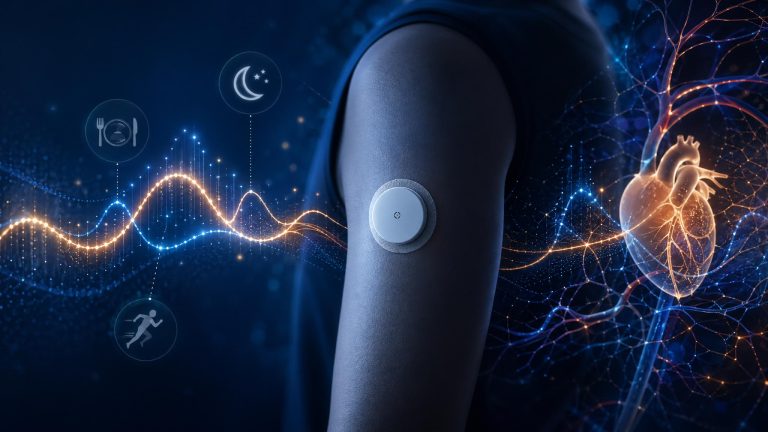
What Continuous Glucose Monitors Are Revealing About Metabolic Health in People Without Diabetes
New research from three landmark 2026 studies reveals that continuous glucose monitors can detect hidden metabolic dysfunction, predict cardiovascular risk, and personalize nutrition in people without diabetes. The science is…
No Drug Has Ever Reversed Cartilage Loss. Stanford May Have Just Changed That.
A Stanford Medicine study published June 12 in Science found that blocking an aging protein called 15-PGDH regrew knee cartilage in old mice, prevented arthritis after ACL-type injuries, and triggered…

Daraxonrasib Doubles Survival in Pancreatic Cancer: Inside ASCO 2026’s Most Consequential Result
A Phase 3 trial just cut the risk of death by 60 percent in metastatic pancreatic cancer, a disease that has resisted nearly every therapeutic advance for four decades. The…
