
The Daily Rounds: Longevity & Health Care Brief | April 24, 2026
Your daily briefing on the science of living longer, better. Covering the past 24 to 48 hours in longevity, medicine, and healthspan research.
Presented By Our Partners


❤️ CARDIOVASCULAR HEALTH
🏥 UTMB Launches Landmark Galveston Heart Study
The University of Texas Medical Branch has launched the Galveston Heart Study, a major new population health initiative that will follow thousands of Galveston County residents over many years to understand how cardiovascular health, brain health, and aging intersect. It is poised to become one of the largest and most inclusive cardiovascular research efforts in Texas, with scientists aiming to generate actionable prevention insights across diverse communities. The longitudinal design will capture biomarkers, lifestyle data, and risk factors across an extended follow-up period.
🥦 AHA Updates Dietary Guidance for Cardiovascular Health in 2026
The American Heart Association published updated dietary guidance for improving cardiovascular health in Circulation, refining recommendations around sodium, saturated fat, ultra-processed foods, and plant-forward eating patterns. The guidance builds on evolving evidence that overall dietary patterns, rather than individual nutrients, drive most of the cardiovascular benefit attributable to diet. Clinicians are encouraged to use this as a precision nutrition framework tailored to individual risk profiles.
💔 Type 2 Diabetes Physically Reshapes the Heart’s Structure
New research confirms that type 2 diabetes disrupts how heart cells produce energy, weakens the muscle’s structure, and triggers a buildup of stiff fibrous tissue that impairs pumping function. These structural changes appear distinct from those caused by hypertension or coronary artery disease, suggesting diabetes-specific therapeutic targets may be warranted. Researchers say early glycemic control and myocardial monitoring could intercept these changes before they become irreversible.
🧠 NEUROLOGY & COGNITIVE HEALTH
🧬 SuperAgers Produce Twice as Many New Neurons as Their Peers
Scientists studying adults over 80 with memory abilities matching those of 50-year-olds have found that these SuperAgers generate between two and two-and-a-half times more new neurons than their healthy aging peers and those with Alzheimer’s disease. The findings, published just yesterday, identify neurogenesis as a key biological mechanism of cognitive resilience. SuperAgers also show no significant cortical thinning and maintain a thicker anterior cingulate cortex than even younger adults.
🚶 Some Alzheimer’s Symptoms May Originate Outside the Brain
A new study finds that changes in balance, gait, and movement can appear years before cognitive decline in some Alzheimer’s patients, raising the possibility that the disease’s earliest processes may begin in the peripheral nervous system rather than the brain itself. Researchers say the finding could shift how clinicians screen for the disease, adding motor symptom surveillance to existing biomarker-focused approaches. If confirmed, it opens avenues for very early interventional trials targeting peripheral pathology.
☀️ Midlife Vitamin D Levels Linked to Lower Tau Protein Decades Later
People with higher vitamin D levels in midlife showed significantly lower tau protein concentrations in the brain decades later, according to new research published this week. Tau accumulation is one of the defining hallmarks of Alzheimer’s disease and a key driver of neuronal damage. Researchers say the findings add to a growing case for vitamin D optimization as a modifiable, low-cost strategy for reducing Alzheimer’s risk.
🦠 GUT MICROBIOME & IMMUNE HEALTH
🫁 Gut Bacteria Molecule Shown to Boost Lung Cancer Treatment Response
Researchers at UF Health discovered that a specific molecule produced by gut bacteria can substantially improve how patients respond to lung cancer treatment, highlighting the gut-tumor immune axis as a clinical lever. The finding builds on mounting evidence that microbiome composition influences chemotherapy and immunotherapy efficacy. The team is now working to identify the precise bacterial species and dosing strategies for use as an adjunct to standard cancer care.
🔬 Hidden Gut Bacteria Group Identified as Key Longevity Marker
University of Cambridge researchers identified a newly characterized group of gut bacteria called CAG-170 that appear far more often in healthy individuals and are significantly less common in people with chronic diseases. These microbes are stable over time, support neighboring bacterial communities, and produce vitamin B12, suggesting they play a central regulatory role in maintaining a balanced gut ecosystem. Researchers say CAG-170 abundance could serve as a future clinical biomarker of gut health and systemic resilience.
Featured Partner
Invest in the Infrastructure Behind Modern Medicine
As healthcare expands beyond hospital walls, the buildings and campuses supporting that shift are generating compelling returns for investors who move early. The Healthcare Real Estate Fund offers qualified investors direct access to a curated portfolio of medical office, outpatient, and specialty care facilities.
Learn More →
🔬 CELLULAR HEALTH, SENOLYTICS & EPIGENETICS
🧫 Organoid Research Maps New Senescence Pathways Across Diseases
A new study using organoid systems identifies key molecular pathways driving cellular senescence across multiple disease contexts, including p16INK4a/p21CIP1 signaling, SASP activation, mitochondrial dysfunction, and epigenetic drift. These tissue models allow researchers to test senolytic and senomorphic compounds in realistic environments before advancing to clinical trials. The work expands the therapeutic toolkit for targeting the aging cell biology underlying cancer, fibrosis, and neurodegeneration.
📌 Read more → MDPI Aging Biology
💉 Next-Generation Senolytics: From Small Molecules to Immunotherapy
A comprehensive new review in npj Aging maps the evolving landscape of senolytic therapies, tracing the progression from early pharmacological inhibitors like navitoclax and dasatinib/quercetin to emerging senolytic CAR-T cell immunotherapies targeting p16-positive senescent cells. The convergence of immunotherapy with senescence biology is expected to dramatically improve the precision and safety of these interventions. Authors predict the next three years will bring the first Phase III senolytic trials.
🤖 AI IN MEDICINE & DRUG DISCOVERY
🤝 Novo Nordisk and OpenAI Partner on AI-Driven Drug Discovery
Novo Nordisk has partnered with OpenAI to integrate frontier AI into its drug discovery workflows, enabling deeper analysis of complex biological datasets and faster movement of compounds from research to patient use. The partnership gives Novo access to OpenAI’s most capable models for protein function prediction, clinical data interpretation, and trial design optimization. As GLP-1 drugs mature, Novo sees AI as the engine behind the next generation of metabolic and cardiovascular therapies.
💊 NVIDIA and Eli Lilly Launch $1 Billion AI Drug Discovery Lab
NVIDIA and Eli Lilly announced a joint AI co-innovation lab backed by up to $1 billion in combined talent, compute, and infrastructure investment over five years to transform drug discovery. The lab will deploy NVIDIA’s BioNeMo platform alongside Lilly’s proprietary molecular databases to compress early-stage discovery timelines dramatically. The partnership is one of the largest dedicated AI-biology infrastructure investments announced in the life sciences sector to date.
📈 AI Drug Discovery Market to Reach $160 Billion by 2035
A new global market analysis places the AI in drug discovery sector at $24.51 billion in 2026 and projects growth to $160.49 billion by 2035, at a compound annual rate of 23.22%. More than 173 AI-discovered drug programs are currently in clinical development, with 15 to 20 expected to enter pivotal trials this year alone. The data reflects the sector’s rapid maturation from experimental tool to central pillar of pharmaceutical research and development.
⌚ WEARABLES, BIOMARKERS & PRECISION HEALTH
📊 Wearables Predict Insulin Resistance with 80% Accuracy in Major Study
The WEAR-ME study, a large remotely conducted trial with 1,165 participants, used time-series wearable data combined with routine blood biomarkers and deep neural networks to predict insulin resistance with an AUROC of 0.80, a sensitivity of 76%, and a specificity of 84%. Published in Nature, the study demonstrates that passive wearable monitoring can deliver clinically meaningful metabolic risk stratification without additional lab work. Researchers say the model could enable population-scale metabolic screening at near-zero marginal cost.
🧪 Reusable Sweat Sensor Delivers Real-Time Biomarker Display
Korea University researchers unveiled a reusable wearable sweat sensor that combines biochemical detection with a real-time colorimetric visual display, directly addressing the single-use limitation of conventional paper-based diagnostic kits. The device enables continuous monitoring of metabolic markers without blood draws and can be reset for repeat use. The team says this removes one of the key barriers to everyday adoption of biosensor-based health monitoring at scale.
📌 Read more → Electronics For You
🧠 AI and Wearables Converge for Early Alzheimer’s Detection
A new analysis examines how AI-powered wearables are enabling earlier detection of Alzheimer’s disease through continuous digital biomarker monitoring, including sleep pattern disruption, gait variability, and speech changes detected months or years before clinical diagnosis. The integration of ambient sensing with machine learning models is creating a new category of precision neurology tools that work passively in the background of daily life. Researchers say this convergence could shift Alzheimer’s from a disease diagnosed at symptom onset to one flagged and treated years earlier.
🥗 NUTRITION & METABOLIC HEALTH
🍽️ Fasting-Mimicking Diet Triggers Cellular Renewal in First Human Trial
The first human clinical trial of a fasting-mimicking diet found that participants showed increased autophagic flux, a measure of how actively cells clear and recycle internal waste, alongside weight loss, lower fasting blood glucose, improved insulin sensitivity, and higher ketone levels. The results suggest that short, cyclical fasting periods can trigger cellular renewal mechanisms previously documented only in animal models. Researchers describe the finding as a meaningful step toward clinically validated dietary interventions for longevity.
📌 Read more → Longevity Technology
🐟 Centenarian Offspring Reveal Dietary Clues to Living Past 100
Tufts University researchers studied the dietary patterns of adults whose parents lived past 100 and found they consistently ate more fish, fruits, and vegetables and substantially less sodium and sugar compared to peers without long-lived parents. The dietary patterns aligned most strongly with metabolic, cardiovascular, and cognitive health markers across all cohorts studied. The findings suggest that even modest dietary shifts toward whole foods and away from ultra-processed options may contribute meaningfully to healthspan extension.
💪 MUSCLE MASS, STRENGTH & METABOLIC HEALTH
🏋️ Strength Training Outperforms All Other Dieting Methods for Fat Loss Quality
A new study from Tel Aviv University confirms that strength training combined with appropriate nutrition produces the highest quality of weight loss, reducing body fat while preserving and increasing muscle mass, compared to cardio-only or diet-only approaches. The research highlights the systemic metabolic effects of muscle tissue, including its role in glucose uptake, resting metabolic rate elevation, and myokine-mediated organ protection. Researchers say the findings further cement resistance training as a therapeutic cornerstone for metabolic disease management.
📉 Every 10% Gain in Muscle Mass Cuts Insulin Resistance by 11%
A growing body of research synthesized in the 2026 Levels Guide to Exercise and Metabolic Health quantifies that every 10% increase in muscle mass corresponds to an 11% reduction in insulin resistance, and that men who do not strength train are 2.4 times more likely to be insulin resistant. The relationship is dose-responsive and appears regardless of body weight or BMI, suggesting that metabolic health optimization requires building muscle, not simply losing fat. Clinicians are increasingly incorporating muscle mass targets into metabolic disease management plans.
😴 SLEEP & CIRCADIAN HEALTH
🌙 Circadian-Aligned Fasting Extends Lifespan by 35% Beyond Caloric Restriction Alone
A study published in Science found that combining daily caloric restriction with circadian-aligned timing of feeding extended lifespan by 35% in male mice compared to caloric restriction alone with no timing control. Mice fed within an optimal circadian window showed better metabolic efficiency, reduced inflammation, and preserved circadian gene expression into old age. The findings provide the strongest evidence yet that when you eat may be as important as what you eat for longevity outcomes.
🌅 Evening Chronotype Independently Linked to Higher Mortality Risk
Longitudinal data confirm that individuals with evening-oriented chronotypes, those who naturally sleep and rise late, show measurably higher all-cause mortality risk compared to morning-type individuals across multiple cohorts. The mechanism involves chronic misalignment between internal circadian rhythms and social timing demands, leading to metabolic dysregulation, elevated inflammation, and sleep fragmentation over years. Researchers say chronotype is a significantly underutilized variable in cardiovascular and metabolic risk assessments.
📌 Read more → Frontiers in Clinical Diabetes and Healthcare
📌 TODAY’S TOP TAKEAWAYS
- 🧬 SuperAgers Grow Twice as Many New Neurons — Adults over 80 with 50-year-old-level memory generate up to 2.5 times more new neurons than peers, redefining what is biologically possible for the aging brain.
- 🤖 AI Drug Discovery Reaches Scale — Novo Nordisk joins OpenAI while NVIDIA commits $1 billion alongside Lilly, as 173-plus AI-discovered drug programs advance through clinical trials simultaneously.
- ⌚ Wearables Achieve Clinical-Grade Metabolic Prediction — The WEAR-ME study confirms consumer wearables predict insulin resistance with 80% accuracy, enabling population-scale metabolic screening without lab visits.
- 🌙 Circadian-Aligned Eating Extends Lifespan by 35% — A Science study shows that timing meals within the optimal circadian window delivers lifespan gains far beyond caloric restriction alone.
- 💪 Muscle Mass Is Metabolic Medicine — Every 10% gain in muscle mass reduces insulin resistance by 11%, with men who skip strength training 2.4 times more likely to develop metabolic disease.
Sources compiled from UTMB News, AHA Circulation, ScienceDaily, Medical Xpress, UF Health, Euronews Health, MDPI, npj Aging, CNBC, NVIDIA Newsroom, GlobeNewswire, Nature, Electronics For You, OneDayMD, Longevity Technology, Tufts Now, Medical Xpress, Levels Health, Science, and Frontiers in Clinical Diabetes and Healthcare. Published: April 24, 2026.


Similar Posts
Sacituzumab Tirumotecan Slashes Lung Cancer Progression Risk by 65%: The TROP2 Breakthrough Just Published in The Lancet
A Phase III trial presented at ASCO 2026 and simultaneously published in The Lancet shows that pairing a precision TROP2-targeting weapon with the world’s most prescribed immunotherapy rewrites what is…
Cosmed K5 CPET Review: The Gold Standard Portable Cardiopulmonary Exercise Testing System
When peer reviewed research, elite sports programs, and clinical trials need the most precise portable metabolic data, they turn to the Cosmed K5. Presented By Our Partners In clinical research…
The Daily Rounds: Longevity & Health Care Brief | June 8, 2026
🤖 AI-Designed Universal Coronavirus Vaccine Clears Phase 1 With Perfect Safety Record — The first entirely AI-designed vaccine targeting multiple coronavirus strains simultaneously passed its first human trial with zero…
Mira Fertility Monitor: Quantitative Hormone Tracking for Cycle Intelligence
When a simple positive or negative line is not enough, quantitative hormone data transforms fertility awareness from guesswork into precision health. Presented By Our Partners For decades, the fertility testing…
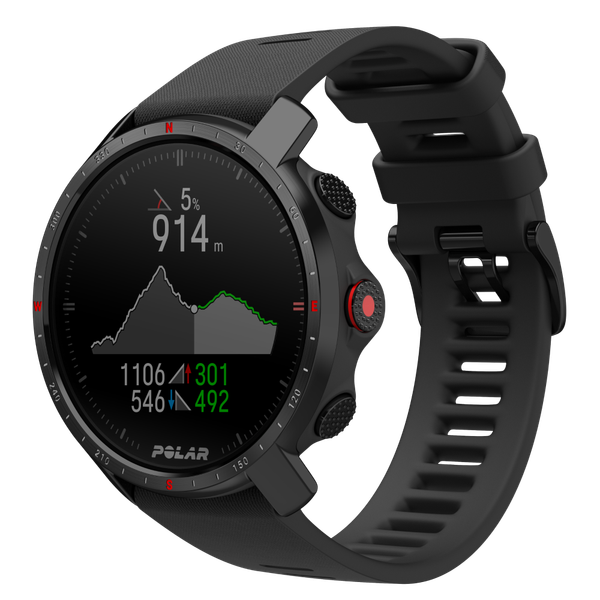
Polar Grit X Pro: Military Grade Outdoor Watch With Sapphire Glass and Advanced Navigation for Expedition Athletes
Polar’s toughest watch combines MIL STD 810G durability, sapphire crystal, and ultra long battery life with the same scientifically rigorous training and recovery analytics that have guided elite endurance athletes…
The Daily Rounds: Longevity & Health Care Brief | May 16, 2026
🧬 Arginine Targets Alzheimer’s Amyloid — An inexpensive, already-safe amino acid supplement reduces toxic amyloid protein buildup in the brain, positioning it as a compelling candidate for early-stage Alzheimer’s prevention…
