

Elemind Sleep Headband: Real-Time Alpha Wave Suppression for Faster Sleep Onset
An MIT-developed neurotechnology headband that measures brain EEG signals in real time and delivers phase-locked pink noise through bone conduction to suppress alpha waves and accelerate sleep onset, with clinical trials showing 76% of users falling asleep up to 48% faster.
Presented By Our Partners


Sleep onset insomnia, the difficulty falling asleep despite adequate opportunity, affects approximately 30% of adults and represents one of the most common complaints in primary care. The underlying neurophysiology is well characterized: the transition from wakefulness to sleep requires suppression of alpha band activity (8 to 12 Hz oscillations) in the cortex, a process that anxiety, rumination, and hyperarousal can disrupt. A 2023 meta-analysis published in Sleep Medicine Reviews by Baglioni et al. found that cognitive and somatic hyperarousal at bedtime is the strongest predictor of sleep onset latency, exceeding the predictive value of sleep hygiene practices, circadian factors, or environmental conditions (DOI: 10.1016/j.smrv.2023.101762).
A 2024 randomized controlled trial published in Scientific Reports by Tsoneva et al. evaluated a novel approach: using phase-locked auditory stimulation to suppress alpha oscillations and facilitate the wake-to-sleep transition. The study found that acoustic stimulation precisely timed to the ongoing phase of alpha brain waves significantly reduced sleep onset latency compared to sham stimulation, with weekly average sleep onset decreasing by 10.5 minutes (29.3%) in the treatment group (DOI: 10.1038/s41598-024-63385-1). This research forms the scientific foundation of the Elemind headband, a consumer neurotechnology device developed by MIT researchers that translates this phase-locked stimulation approach into an at-home wearable.
What Is the Elemind Sleep Headband?
The Elemind Sleep Headband is a wearable neurotechnology device developed by Elemind, a company founded by MIT neuroscientists, that uses real-time electroencephalography (EEG) measurement combined with phase-locked acoustic stimulation to accelerate the transition from wakefulness to sleep. The headband measures brain electrical activity, isolates alpha band oscillations (7.5 to 12.5 Hz), computes their instantaneous phase, and delivers precisely timed bursts of pink noise through a bone conduction driver to disrupt the alpha rhythms that keep the brain in a wakeful state.
The device weighs approximately 44 grams including its rechargeable lithium-polymer battery and contains custom electronics for EEG signal acquisition, real-time phase estimation algorithms, and pink noise generation. The bone conduction delivery method transmits sound vibrations through the skull directly to the inner ear, bypassing air conduction and allowing the headband to deliver acoustic stimulation without earbuds or speakers that could be uncomfortable during sleep.
The core technology is phase-locked stimulation: rather than delivering random or continuous sound, Elemind’s algorithm analyzes the real-time phase of the user’s alpha oscillations and times each pink noise burst to arrive at a specific phase angle designed to suppress the alpha wave. This precision timing is what distinguishes Elemind from white noise machines, meditation apps, or generic sound-based sleep aids, which deliver sound without reference to the brain’s ongoing electrical activity.
Elemind’s AI Sleep Tailor feature learns from the user’s sleep patterns over time, analyzing sleep data and personal feedback to optimize stimulation parameters. This adaptive approach means the headband’s stimulation strategy evolves with the user, potentially improving efficacy as the algorithm accumulates more data about individual sleep architecture and response patterns.
The Science Behind Alpha Wave Suppression
The transition from wakefulness to sleep follows a predictable neurophysiological sequence. During relaxed wakefulness, the brain produces alpha oscillations (8 to 12 Hz) predominantly in posterior cortical regions. As drowsiness increases, alpha power decreases and is replaced by theta oscillations (4 to 7 Hz), marking the onset of Stage N1 sleep. The persistence of alpha activity during the bedtime period is strongly associated with subjective and objective difficulty falling asleep.
In individuals with sleep onset insomnia, alpha activity often persists longer than normal at bedtime, reflecting cortical hyperarousal that prevents the natural suppression of waking rhythms. This alpha persistence is measurable on EEG and represents a physiological biomarker of the aroused state that keeps the mind “racing” even when the body is ready for sleep.
Phase-locked auditory stimulation exploits the brain’s tendency to entrain (synchronize) with rhythmic external stimuli. By delivering sound pulses at a specific phase of the ongoing alpha oscillation, it is possible to either enhance or suppress the rhythm depending on the timing. Elemind’s algorithm targets the suppressive phase relationship, delivering each pink noise burst at the moment calculated to maximally disrupt alpha coherence and facilitate the transition to theta-dominant (sleep onset) brain states.
The 2024 randomized controlled trial demonstrated this approach’s efficacy in a clinical setting. Of the subjects who completed the study, stimulation produced a significant reduction in sleep onset latency, with 76% of participants falling asleep faster during active stimulation nights compared to sham nights. The effect size, while variable across individuals, was clinically meaningful: participants fell asleep on average 48% faster, with some experiencing reductions of up to 74% in their time to fall asleep.
Pink noise was chosen over white noise because its frequency spectrum (inversely proportional to frequency, emphasizing lower frequencies) is less harsh and more similar to natural ambient sounds. Bone conduction delivery eliminates the need for in-ear devices that can be uncomfortable for side sleepers and avoids masking environmental sounds that some users prefer to remain aware of.
What the Elemind Sleep Headband Does Well
The closed-loop, real-time approach is Elemind’s fundamental advantage over passive sleep aids. White noise machines, sleep apps, meditation recordings, and even prescription sleep medications do not respond to the brain’s actual state in real time. Elemind measures what the brain is doing second by second and adjusts its intervention accordingly. This feedback loop means the stimulation is personalized not just to the individual but to the individual’s brain state at that exact moment.
The clinical validation in a peer-reviewed, randomized controlled trial (published in Scientific Reports) provides an evidence base that most consumer sleep technology lacks entirely. Many sleep gadgets make claims based on user surveys or proprietary data; Elemind’s efficacy claims rest on a sham-controlled trial with objective EEG-based outcome measures.
The bone conduction delivery system solves a practical problem that plagues many sleep technology devices: comfort during sleep. Earbuds fall out, headphones are uncomfortable for side sleepers, and speakers disturb bed partners. Bone conduction delivers sound directly through the skull, leaving the ears unobstructed and eliminating external sound that could disturb a sleeping partner.
The adaptive AI Sleep Tailor creates a device that improves with use. As the algorithm learns the user’s sleep patterns, response to stimulation, and individual alpha characteristics, it can optimize stimulation parameters beyond what the initial generic settings provide. This personalization pathway means early adopters may see improving results over weeks and months of use.
The drug-free mechanism of action is significant for the large population of insomnia sufferers who want to avoid pharmacological sleep aids due to dependency risks, morning grogginess, or interactions with other medications.
Featured Partner
Invest in the Infrastructure Behind Modern Medicine
As healthcare expands beyond hospital walls, the buildings and campuses supporting that shift are generating compelling returns for investors who move early. The Healthcare Real Estate Fund offers qualified investors direct access to a curated portfolio of medical office, outpatient, and specialty care facilities.
Learn More →
Pricing, Access, and Practical Realities
The Elemind Sleep Headband is priced at approximately $349 to $399 depending on the package. The higher price point includes the Elemind membership, which provides in-depth sleep analytics, historical tracking, and ongoing algorithm optimization through the AI Sleep Tailor. The device is available through Elemind’s website (elemindtech.com).
For comparison, other consumer sleep technology devices range from $49 (Hatch Restore alarm/sound machine) to $249 (Muse S Gen 2 sleep headband, which monitors brain activity but does not provide closed-loop stimulation). The Elemind occupies the premium tier but offers a fundamentally different technology: active brain wave modulation rather than passive monitoring or generic sound delivery.
The headband is designed to be worn at the forehead during sleep, which requires adjustment for users who sleep face-down or who find any head-worn device uncomfortable. The 44-gram weight is light enough for most sleeping positions, but individual tolerance for wearing a device on the head during sleep varies widely.
Battery life and charging requirements have not been extensively detailed in public specifications. Users should expect to charge the device regularly, with the rechargeable lithium-polymer battery lasting through one or more sleep sessions per charge.
The device does not require a prescription and is sold as a consumer wellness product, not a medical device. This means it has not undergone FDA clearance for the treatment of insomnia, though the underlying technology has been validated in a published clinical trial.
Who It Is Best For
The Elemind Sleep Headband is best suited for adults with sleep onset insomnia, specifically those who lie awake with a racing mind at bedtime and struggle to transition from wakefulness to sleep. The device targets the alpha wave persistence that characterizes this type of insomnia, making it most relevant for individuals whose primary sleep complaint is difficulty falling asleep rather than staying asleep or waking too early.
Individuals who have tried and failed with conventional sleep aids (melatonin, magnesium, white noise, sleep hygiene optimization, meditation apps) represent a natural audience for a technology-based intervention that addresses the neurophysiology of sleep onset directly.
People who want to avoid pharmacological sleep aids, including those concerned about dependency risk with benzodiazepines or Z-drugs, morning cognitive impairment from sedatives, or interactions with other medications, gain a drug-free alternative with a mechanism-based rationale.
Tech-forward health optimizers who are comfortable wearing a device to bed and engaging with app-based analytics will find the Elemind’s data feedback loop appealing. The AI Sleep Tailor feature rewards consistent use with improving personalization.
The device is less suited for individuals whose insomnia is primarily driven by sleep maintenance problems (waking in the middle of the night) or early morning awakening, as the alpha suppression mechanism is most relevant during the initial wake-to-sleep transition. It may also be less effective for insomnia driven by pain, respiratory disorders, or other medical conditions rather than cortical hyperarousal.
How It Compares
Against the Muse S Gen 2 ($249), which also uses EEG during sleep, Elemind offers active intervention (phase-locked stimulation to change brain activity) versus Muse’s passive approach (monitoring brain activity and providing guided meditation soundscapes). Muse tracks sleep stages but does not attempt to modify them in real time.
Against the Dreem headband (if available in the user’s market), both devices use EEG and auditory stimulation, but Elemind’s phase-locked alpha suppression is a more mechanistically specific approach than Dreem’s pink noise during slow-wave sleep. The devices target different sleep parameters: Elemind focuses on sleep onset, while Dreem focuses on slow-wave sleep enhancement.
Against prescription sleep medications (zolpidem, eszopiclone, suvorexant), Elemind offers a drug-free alternative without risks of dependency, tolerance, morning impairment, or complex sleep behaviors. Medications have stronger evidence for reducing sleep onset latency in clinical trials but carry side effect profiles that many patients find unacceptable for long-term use.
Against cognitive behavioral therapy for insomnia (CBT-I), which is the first-line recommended treatment, Elemind offers a complementary rather than competing approach. CBT-I addresses the cognitive and behavioral patterns that perpetuate insomnia, while Elemind addresses the neurophysiological mechanism directly. The two approaches are likely synergistic.
Limitations and Open Questions
The clinical trial, while promising, was relatively small (21 subjects in the analysis) and short-term. Larger, longer-duration studies with diverse populations would strengthen confidence in the device’s efficacy across different types of insomnia, age groups, and comorbidity profiles.
Individual response variability was notable in the trial data: while 76% of participants benefited, 24% did not show meaningful improvement. Predicting which individuals will respond to alpha phase-locked stimulation versus which will not is an open question that may require further research into individual neurophysiological profiles.
The device’s effectiveness for middle-of-the-night awakenings (sleep maintenance insomnia) is less established than for sleep onset. While Elemind’s website suggests utility for nighttime wake-ups, the published clinical trial focused specifically on sleep onset latency.
Comfort during sleep is inherently subjective. Some users will adapt quickly to wearing a headband during sleep; others may find it disruptive regardless of the device’s lightweight design. Side sleepers face additional challenges with head-worn devices.
Long-term neurological effects of nightly alpha suppression via acoustic stimulation have not been studied. While the intervention is non-invasive and uses a natural stimulus (sound), the chronic deliberate suppression of a brain rhythm raises theoretical questions about neural adaptation that would benefit from long-term safety data.
As a consumer wellness product without FDA clearance for insomnia treatment, the Elemind headband cannot make medical treatment claims. Users with clinically significant insomnia should seek professional evaluation rather than relying solely on a consumer device.
What This Means for Your Health
Sleep is the master regulator of health recovery, cognitive performance, immune function, and emotional regulation. Within Healthcare Discovery‘s Five Pillars framework, Sleep occupies a foundational position because inadequate sleep degrades every other pillar: it impairs exercise recovery (Movement), disrupts metabolic health and appetite regulation (Nutrition), elevates stress reactivity (Breathwork), and diminishes cognitive resilience and emotional regulation (Mindset).
The Elemind headband represents a new category of sleep intervention: targeted, closed-loop neurostimulation that addresses the brain’s actual state rather than applying generic, one-size-fits-all remedies. If the clinical results hold at scale, this approach could help the estimated 10 to 15% of adults who suffer from chronic insomnia and the much larger population who experience occasional difficulty falling asleep.
The broader significance is the emergence of consumer neurotechnology that can meaningfully interact with brain activity in real time. Alpha wave suppression for sleep onset is one application, but the underlying platform of EEG measurement, phase computation, and precisely timed stimulation could extend to applications in focus enhancement, stress reduction, and meditation deepening as the technology matures.
For individuals struggling with sleep onset, the practical implication is that a technology now exists that addresses the neurophysiological mechanism of their difficulty rather than masking it with sedation or ambient sound. Combined with sleep hygiene fundamentals (consistent schedule, cool dark room, limited screen time before bed), a brain-responsive device like Elemind offers a complementary tool that works with the brain’s own systems rather than overriding them pharmacologically.
Frequently Asked Questions
What is the Elemind Sleep Headband?
The Elemind Sleep Headband is a wearable neurotechnology device developed by MIT researchers that uses real-time EEG measurement to detect alpha brain waves and delivers precisely timed pink noise bursts through bone conduction to suppress alpha oscillations and accelerate the transition from wakefulness to sleep.
How much does the Elemind headband cost?
The Elemind Sleep Headband is priced at approximately $349 to $399, with the higher tier including Elemind membership for in-depth sleep analytics and AI Sleep Tailor personalization. It is available through elemindtech.com without a prescription.
Does the Elemind headband actually work?
A 2024 randomized controlled trial published in Scientific Reports found that 76% of participants fell asleep faster with Elemind’s phase-locked stimulation, on average 48% faster and up to 74% faster in some cases. However, the study was relatively small (21 subjects analyzed) and individual results vary.
Is the Elemind headband FDA approved?
No. The Elemind headband is sold as a consumer wellness product, not as an FDA-cleared medical device for insomnia treatment. The underlying technology has been validated in a published clinical trial, but the device itself has not undergone FDA clearance.
How is Elemind different from white noise machines?
White noise machines deliver continuous, generic sound without responding to brain activity. Elemind measures real-time EEG brain waves, computes the exact phase of alpha oscillations, and delivers pink noise bursts precisely timed to suppress the alpha rhythms that keep the brain awake. This closed-loop, brain-responsive approach targets the neurophysiology of sleep onset rather than simply masking environmental noise.


Similar Posts

Move More, Sit Smarter, Sleep Better: How Three Lifestyle Shifts Can Cut Your Dementia Risk by 25%
Two landmark studies published in April 2026, drawing on data from millions of adults, have converged on a striking finding: the daily decisions you make about moving, sitting, and sleeping…

The $2,500 MRI Question: Why Healthcare Prices Still Hide in Plain Sight
Why the same MRI can be a medical miracle, a billing maze, and a test case for whether healthcare price transparency can actually help patients before they book care.

Lp(a) and Heart Disease 2026: The Genetic Risk Factor Statins Cannot Touch and the New Wave of Therapies That Could Change Cardiology
An estimated 1.4 billion people globally carry elevated lipoprotein(a), a genetically inherited cardiovascular risk factor that statins do not lower. Inside the biology of Lp(a), why the science went quiet…
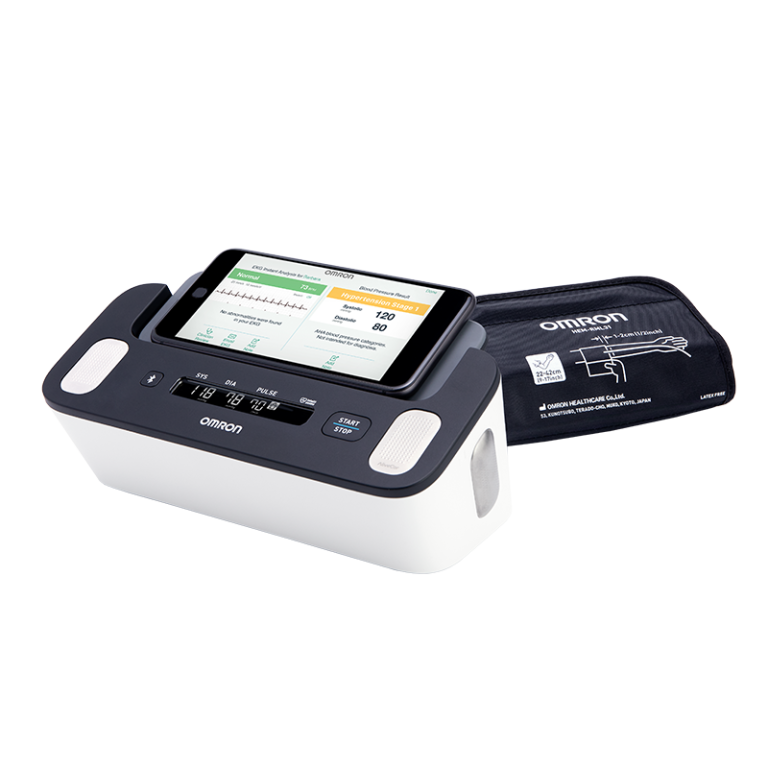
Omron Complete: FDA Cleared Blood Pressure Monitor With Built In ECG for AFib Detection
The most affordable FDA cleared device that combines upper arm blood pressure measurement with a single lead ECG for atrial fibrillation screening, built on AliveCor’s proven detection technology. Presented By…

The Daily Rounds: Longevity & Health Care Brief | April 2, 2026
🧬 - Epigenetic reprogramming has entered human clinical trials for the first time, with Life Biosciences receiving FDA clearance to test partial reprogramming in retinal degeneration patients, a landmark moment for the entire longevity field. 🤖 - An AI-designed drug for pulmonary fibrosis showed a 160 mL treatment differential in forced vital capacity versus placebo in Phase IIa, suggesting the drug may stop or reverse disease progression rather than merely slowing it. 🦠 - Gut bacteria use molecular syringe-like structures to inject proteins directly into human cells, and this bacterial protein transfer is now linked to elevated Crohn's disease risk, redefining how the microbiome communicates with the immune system. ❤️ - A new cardiovascular drug class reduces heart attack and stroke risk in older adults by nearly 20 percent by simultaneously targeting cholesterol, inflammation, and blood sugar, pointing toward a potential revision of current standard-of-care protocols. ⏰ - Circadian biology is entering the clinic, with evidence that vaccine timing, sleep medication evaluation, and cardiovascular risk management all benefit from treating the biological clock as a measurable and modifiable variable rather than background noise.

Game Ready GRPro 2.1: Clinical Cold and Compression Therapy for Acute Recovery
When a professional athlete tears an ACL on the field, the first device they encounter in the training room is almost always a Game Ready. There is a reason it…
