The Daily Rounds: Longevity & Health Care Brief | May 5, 2026
Your daily briefing on the science of living longer, better. Covering the past 24 to 48 hours in longevity, medicine, and healthspan research.
Presented By Our Partners


🧠 NEUROLOGY & COGNITIVE HEALTH
🩸 Blood Test May Detect Depression Early via Aging Immune Cells
A study published May 4 found that accelerated biological aging in monocytes (a type of white blood cell) is closely linked to emotional and cognitive symptoms of depression, including hopelessness and anhedonia, but not physical symptoms like fatigue. Researchers measured epigenetic aging of immune cells in 440 women, finding the biomarker predicted mood symptoms in both HIV-positive and HIV-negative participants. The findings bring researchers closer to a reliable blood-based test for detecting depression before it becomes clinically severe.
⚠️ Cochrane Review: Anti-Amyloid Alzheimer’s Drugs Show No Meaningful Benefit
A landmark Cochrane meta-analysis of 17 clinical trials involving 20,342 participants concluded that anti-amyloid drugs have no clinically meaningful effect on memory decline or dementia severity in early-stage Alzheimer’s patients, while also raising the risk of brain swelling and bleeding. The review has sparked major controversy, with the Alzheimer’s Association calling the methodology scientifically flawed, and defenders of lecanemab and donanemab arguing the review conflated failed compounds with approved drugs. The debate signals a pivotal moment for the amyloid hypothesis and billions in drug investment.
📌 Read more → ScienceDaily / Cochrane
🧠 Managing Weight Slows Brain Aging Within Two Years, 24-Year Study Finds
A 24-year cohort study in the Journal of Neurology tracking more than 8,200 adults over 50 found that higher sustained BMI accelerated cognitive decline in memory and executive function, with the strongest effects emerging after age 65. Participants who actively managed their weight saw meaningful improvements in their cognitive trajectory within just two years. Researchers say BMI is among the most actionable risk factors for brain aging, likely operating through chronic inflammation, reduced cerebral blood flow, and insulin resistance.
📌 Read more → Medical Xpress / Journal of Neurology
❤️ CARDIOVASCULAR HEALTH
🤰 Pregnancy Acts as a Stress Test for the Heart, New Research Confirms
Early results from NYU Langone’s dedicated Postpartum Cardiovascular Health Program, presented at ACC 2026, showed that high blood pressure during pregnancy predicts significantly elevated long-term heart disease risk that can be identified and managed immediately after delivery. Researchers found that women with hypertensive pregnancy disorders face substantially higher risks of future cardiovascular events compared to those with normal blood pressure in pregnancy. The program repositions the postpartum period as a critical window for early cardiovascular prevention in women.
📌 Read more → NYU Langone News
🔬 Cholesterol-Clearing Mechanism Revealed in New Breakthrough Study
Scientists at Clemson University and the Medical University of South Carolina uncovered the molecular pathway by which the human body clears excess LDL cholesterol, identifying new therapeutic targets for coronary artery disease and stroke prevention. The research provides mechanistic footing for developing more effective cholesterol treatments beyond statins, including approaches targeting the PCSK9 protein pathway with next-generation DNA-based molecules. Researchers say the findings could lead to a new class of precise, accessible cholesterol-lowering therapies with broad clinical applicability.
Featured Partner
Invest in the Infrastructure Behind Modern Medicine
As healthcare expands beyond hospital walls, the buildings and campuses supporting that shift are generating compelling returns for investors who move early. The Healthcare Real Estate Fund offers qualified investors direct access to a curated portfolio of medical office, outpatient, and specialty care facilities.
Learn More →
🔬 CELLULAR HEALTH, SENOLYTICS & EPIGENETICS
🫀 Thymus Revealed as Hidden Longevity Organ in Landmark Nature Study
Two papers published in Nature found that the thymus, long considered functionally dormant in adults after puberty, is a powerful regulator of aging, cancer risk, and immune resilience across more than 27,000 study participants. Adults with high thymic health scores had roughly 50% lower risk of death, 63% lower risk of cardiovascular death, and 36% lower risk of developing lung cancer compared to those with poor thymic health. Smoking, chronic inflammation, and high BMI were associated with the worst thymic function, while healthy lifestyle choices preserved thymic activity well into older adulthood.
📌 Read more → Mass General Brigham
🎯 Thymic Health Scores Predict Cancer Immunotherapy Response by 44%
Building on the Nature thymus papers, cancer immunotherapy patients with stronger thymic health had a 37% lower risk of cancer progression and a 44% lower risk of death, even after accounting for tumor type and prior treatment history. The findings suggest that thymic status should become a standard consideration in oncology, informing which patients are most likely to respond to immune checkpoint therapies. Researchers are now exploring whether thymic-boosting interventions could be used to prime patients for better immunotherapy outcomes before treatment begins.
📌 Read more → Harvard Medical School
🦠 GUT MICROBIOME & IMMUNE HEALTH
🧫 Harvard: Gut Bacteria Combined with Common Pollutant Triggers Depression Inflammation
Harvard researchers identified a specific gut bacterium, Morganella morganii, that interacts with a common environmental pollutant to produce an inflammation-triggering molecule strongly linked to depressive symptoms. The pathway offers a new mechanistic explanation for why gut dysbiosis and environmental exposures may contribute to mental health outcomes independent of genetic or psychological risk factors. The findings suggest future depression prevention strategies may need to address both microbiome composition and environmental pollutant exposure together.
📌 Read more → ScienceDaily / Harvard
🦠 Gut Bacteria Determine Whether Asparagine Feeds Tumors or Fuels Immune Attacks
Researchers at Weill Cornell Medicine found that gut bacteria play a decisive role in whether dietary asparagine fuels tumor growth or gets redirected to activate immune cells against cancer. The discovery adds a new dimension to the relationship between diet, microbiome, and cancer treatment outcomes, suggesting that microbiome state at the time of treatment may be a major variable in immunotherapy response. Teams are now exploring dietary and probiotic interventions that could shift asparagine metabolism toward immune activation rather than tumor support.
📌 Read more → Weill Cornell Medicine
🤖 AI IN MEDICINE & DRUG DISCOVERY
🖥️ AI Reads Routine CT Scans to Score Thymus Health and Predict Longevity
The landmark thymus research published this week was made possible by an AI system trained to analyze routine CT scans and generate thymic health scores at population scale, without requiring specialized imaging or biopsies. Applying this tool across more than 27,000 participants uncovered associations between thymic health and mortality, cardiovascular disease, and cancer that had been invisible to conventional methods. The approach demonstrates how AI-powered imaging analysis can extract major biological insights from datasets already collected for other clinical purposes.
🌍 EU Launches €60M AI Drug Discovery Partnership Across Nine Countries
A new public-private AI drug discovery platform funded with more than €60 million from the European Union has launched in 2026, bringing together 18 partners across nine countries to build shared datasets on protein-molecule binding and train next-generation AI models. The initiative is designed to accelerate treatments for diseases where commercial pipelines are limited, including neglected tropical diseases and rare genetic conditions. The collaboration operates under an open-science framework, with major European research universities, biotech firms, and pharmaceutical companies sharing datasets and model outputs.
💪 MUSCLE MASS, STRENGTH & METABOLIC HEALTH
🏋️ ACSM Releases First Resistance Training Guidelines Update in 17 Years
The American College of Sports Medicine published a landmark new Position Stand on resistance training, synthesizing 137 systematic reviews representing more than 30,000 participants and marking the first major update to its guidance since 2009. The core finding: training all major muscle groups at least twice weekly drives the vast majority of strength and hypertrophy benefits, and moving from no training to any form of resistance training produces far greater gains than optimizing advanced variables. The guidelines debunk prior assumptions that training to failure, specific equipment, and complex periodization are necessary for meaningful results in healthy adults.
⌚ WEARABLES, BIOMARKERS & PRECISION HEALTH
📱 AI Wearables Predict Alzheimer’s Progression Speed with 81% Accuracy
A 2026 systematic review in the Journal of Medical Internet Research found that AI-powered wearable devices and mobile health platforms can now predict how quickly individuals with mild cognitive impairment will progress toward Alzheimer’s disease, with the best models achieving 81% accuracy compared to standard clinical diagnosis. Continuous monitoring of activity patterns, sleep architecture, and heart rate variability through wearables provides digital biomarkers that appear to capture disease trajectory in ways cognitive tests alone cannot. Researchers see wearables as a scalable tool for catching early-stage cognitive decline before clinical symptoms become apparent.
📌 Read more → Journal of Medical Internet Research
📌 TODAY’S TOP TAKEAWAYS
- 🫀 Thymus Rewritten as Longevity Organ: Two Nature studies of 27,000 people found that adult thymic health predicts 50% lower mortality, 63% lower cardiovascular death, and 36% reduced lung cancer risk.
- 🩸 Blood Test Could Flag Depression Before Symptoms Peak: Accelerated aging in monocytes tracks closely with the cognitive and emotional symptoms of depression, pointing toward a future diagnostic blood biomarker.
- ⚠️ Alzheimer’s Drug Controversy Deepens: A Cochrane review of 17 trials found anti-amyloid drugs show no meaningful benefit on cognitive decline while raising brain bleed risk, drawing fierce pushback from researchers and manufacturers.
- 🧠 Weight Control Protects the Aging Brain: A 24-year study of 8,200 adults found that managing BMI can measurably slow cognitive decline within two years, making weight a frontline tool for brain health.
- 🏋️ Strength Training Simplified for Longevity: ACSM’s first resistance training update in 17 years finds that two sessions per week across major muscle groups is the primary driver of strength and metabolic health gains.
Sources compiled from ScienceDaily, Cochrane Review, Medical Xpress, Journal of Neurology, Nature, Mass General Brigham, Harvard Medical School, NYU Langone, Clemson News, UCL News, Weill Cornell Medicine, ACSM, Journal of Medical Internet Research. Published: May 5, 2026.
{ "@context": "https://schema.org", "@type": "FAQPage", "mainEntity": [ { "@type": "Question", "name": "What is the thymus and why does it matter for longevity?", "acceptedAnswer": { "@type": "Answer", "text": "Two papers published in Nature found that the thymus, long considered functionally dormant in adults, is a powerful regulator of immune resilience, cancer risk, and longevity. Adults with high thymic health scores had 50% lower risk of death and 63% lower risk of cardiovascular death. AI-powered CT scan analysis uncovered these associations in more than 27,000 study participants." } }, { "@type": "Question", "name": "Do anti-amyloid Alzheimer’s drugs work?", "acceptedAnswer": { "@type": "Answer", "text": "A major Cochrane meta-analysis of 17 clinical trials involving 20,342 participants concluded that anti-amyloid drugs show no clinically meaningful effect on memory decline or dementia severity in early-stage Alzheimer’s patients, while raising the risk of brain swelling and bleeding. The review has sparked significant controversy, with the Alzheimer’s Association and manufacturers of approved drugs like lecanemab pushing back against the methodology." } }, { "@type": "Question", "name": "Can managing your weight protect your brain as you age?", "acceptedAnswer": { "@type": "Answer", "text": "A 24-year cohort study in the Journal of Neurology tracking over 8,200 adults found that higher BMI accelerated cognitive decline, but participants who managed their weight showed measurable improvements in cognitive trajectory within two years. Researchers say BMI is one of the most modifiable risk factors for brain aging, acting through inflammation, insulin resistance, and reduced cerebral blood flow." } } ] }


Similar Posts

AI Is Now Building Drugs That Target Aging Itself: Inside the Longevity Board and the New Science of Healthspan Medicine
A Nobel laureate on its board. The world’s largest pharmaceutical company as a founding partner. And a scientific mission to build drugs that target aging itself. Inside Insilico Medicine’s Longevity…
IQAir AirVisual Pro: Indoor and Outdoor Air Quality Intelligence Platform
The air outside your window and the air inside your home tell different stories about your health. Most monitors can only read one of them. Presented By Our Partners In…
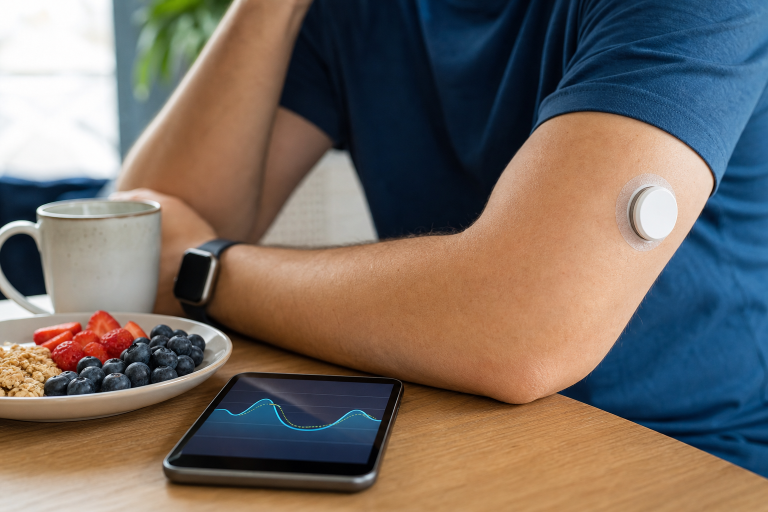
The Future of Wearable Blood Sugar Monitoring: From Glucose Tracking to Metabolic Intelligence
Wearable glucose monitoring is moving beyond diabetes management toward a broader era of metabolic intelligence, where CGMs, rings, watches, and AI begin to connect food, sleep, stress, and exercise into…
TruDiagnostic TruAge Complete: Epigenetic Age Testing and the Science of Measuring How Fast You Are Aging
The most comprehensive consumer epigenetic age test on the market measures not just how old your cells appear but how fast they are aging. Does the science of DNA methylation…

Longevity Escape Velocity, Explained Through Isomorphic Labs
Ray Kurzweil has spent two decades arguing that by 2029, medical progress will add more than a year to your remaining life expectancy for every year that passes. A Nobel-laureate…
Thorne Health Tests: Blood Biomarker Panels for Longevity Optimization
Understanding your metabolic health through blood science Presented By Our Partners The Hidden Language of Your Blood Your blood tells a story that standard doctor’s visits often miss. While annual…