

Abbott FreeStyle Libre 3: Affordable Continuous Glucose Monitoring in the Smallest Sensor
The sensor is the size of two stacked pennies. The data it produces could reshape how 88 million Americans with prediabetes understand their metabolic health.
Presented By Our Partners



In 2014, Abbott introduced the original FreeStyle Libre and created a new category of glucose monitoring. The concept was simple but transformative: a small adhesive patch worn on the upper arm, no bigger than a coin, could measure glucose continuously and transmit the data to a phone. No fingersticks. No blood. No waiting for lab results. Over the next decade, the technology shrank in size and grew in capability with each generation. The FreeStyle Libre 3, Abbott’s current generation sensor, represents the culmination of that miniaturization journey. At just 21mm in diameter and 2.9mm in height, it is the smallest continuous glucose monitor ever manufactured.
But the story of the Libre 3 is not really about size. It is about what happens when a clinical-grade medical sensor becomes small enough, affordable enough, and accurate enough to reach beyond the diabetic population it was designed for. A 2024 study published in Nature Medicine by Shilo and colleagues used continuous glucose monitors on 8,315 nondiabetic adults and revealed that 40% of those initially classified as having normal fasting glucose would have been reclassified into the prediabetic range based on sequential measurements. The day-to-day variability in fasting glucose was far greater than the medical community had assumed, with a standard deviation of 7.52 mg/dL within the same individual.
The FreeStyle Libre 3 is one of the sensors making this kind of population-level metabolic surveillance possible, and at $75 to $235 per month, it is doing so at a price point that brings continuous glucose monitoring within reach of a far larger audience.
What Is the Abbott FreeStyle Libre 3?
The FreeStyle Libre 3 is a continuous glucose monitoring system that measures interstitial glucose through a filament sensor inserted just beneath the skin of the upper arm. The sensor takes a new reading every minute, streaming data in real time to a compatible smartphone via Bluetooth. Each sensor lasts 14 days before requiring replacement, and application takes approximately one minute using a simple spring-loaded applicator.
The companion app, FreeStyle LibreLink, displays the current glucose level, a trend arrow showing the direction and rate of change, and an eight-hour glucose trace. Users can set customizable high and low glucose alerts that notify them when glucose moves outside their target range. The app also generates daily patterns, time-in-range summaries, and the Ambulatory Glucose Profile (AGP), a standardized clinical report format that physicians use to evaluate glycemic control.
The FreeStyle Libre 3 is FDA cleared for use by individuals with type 1 and type 2 diabetes and has icCGM (integrated continuous glucose monitoring) designation, which means it can be used for insulin dosing decisions. It requires a prescription for standard purchase. The sensor requires no calibration fingersticks, is water-resistant, and is designed for continuous wear during all normal activities including exercise and bathing.
The Science Behind Continuous Glucose Monitoring
Continuous glucose monitoring provides a fundamentally different picture of metabolic health than traditional testing methods. A fasting glucose test or HbA1c measurement captures a single data point or a three-month average, respectively. Neither reveals the dynamic fluctuations that occur throughout the day: the magnitude of postmeal glucose spikes, the speed of glucose clearance, nocturnal glucose patterns during sleep, and the real-time impact of exercise, stress, and meal timing on blood sugar regulation.
The Shilo et al. 2024 study in Nature Medicine quantified just how much a single fasting glucose measurement can miss. Among 8,315 nondiabetic adults wearing CGMs across 59,565 morning measurement windows, fasting glucose varied by a standard deviation of 7.52 mg/dL within the same individual from day to day. A person with a “true” fasting glucose near the diagnostic threshold could easily register as normal one day and prediabetic the next, with no actual change in metabolic status. Continuous monitoring eliminates this diagnostic noise by providing a complete picture rather than a snapshot.
Glycemic variability has emerged as an independent predictor of cardiovascular risk and metabolic dysfunction. The broader medical research community has demonstrated that repeated postprandial glucose spikes, even in individuals with normal average glucose levels, trigger oxidative stress and inflammatory pathways associated with endothelial damage and accelerated vascular aging. CGM is the only tool that captures these transient events, which are invisible on standard lab work.
The connection between glucose metabolism and longevity is direct. Metabolic dysfunction is recognized as one of the Four Villains, the primary chronic disease categories that threaten healthspan. Insulin resistance develops over years through a progression of subclinical stages: mildly elevated postmeal glucose, gradually rising fasting levels, and declining insulin sensitivity. By the time a diagnosis is made, the metabolic damage has often been accumulating for a decade or more. CGM makes these early stages visible, creating a window for intervention when lifestyle changes, particularly in nutrition and exercise, are most effective.
A 2024 study in Nature Communications by Brandhorst et al. showed that metabolic interventions can reduce biological age by 2.5 years as measured through biomarker panels. CGM provides the real-time feedback mechanism to guide and validate such interventions: when you can see how a specific meal, sleep pattern, or exercise session affects your glucose, you can optimize with a precision that population-level dietary guidelines cannot achieve.
That is the science. Here is how the FreeStyle Libre 3 applies it.
What the FreeStyle Libre 3 Does Well
The Libre 3’s most compelling advantage is its combination of clinical-grade accuracy and affordability. With a mean absolute relative difference (MARD) of approximately 7.9%, the Libre 3 is among the most accurate CGMs available, rivaling or slightly exceeding the Dexcom G7’s accuracy in some comparative studies. This level of precision supports insulin dosing decisions and provides reliable data for metabolic health tracking.
The 14-day sensor wear duration is a meaningful practical advantage. Longer sensor life means fewer replacements, lower friction, and less adhesive irritation over time. Two sensors cover a full month of monitoring, which simplifies inventory management and reduces the hassle of frequent sensor changes.
Size matters in wearable medical devices, and the Libre 3 is the smallest CGM on the market. The low-profile sensor is easy to conceal under clothing and comfortable enough that most users report forgetting they are wearing it after the first day. For individuals who value discretion in their health monitoring, this form factor is a significant advantage.
Real-time streaming via Bluetooth was a major upgrade from the Libre 2, which required users to scan the sensor with their phone to retrieve data. The Libre 3 sends glucose readings directly to the phone every minute, enabling continuous monitoring and proactive alert notifications without manual interaction. This makes it functionally equivalent to the Dexcom G7 in terms of data delivery.
Affordability rounds out the value proposition. At $75 to $235 per month depending on insurance coverage and purchasing channel, the Libre 3 is substantially less expensive than the Dexcom G7’s $350 to $400 cash price. For insulin-dependent diabetics with insurance coverage, out-of-pocket costs can be as low as $0 to $75 per month. For cash-pay users exploring metabolic health, the Libre 3 represents one of the most cost-effective paths to continuous glucose data.
Featured Partner
Invest in the Infrastructure Behind Modern Medicine
As healthcare expands beyond hospital walls, the buildings and campuses supporting that shift are generating compelling returns for investors who move early. The Healthcare Real Estate Fund offers qualified investors direct access to a curated portfolio of medical office, outpatient, and specialty care facilities.
Learn More →
Pricing, Access, and Practical Realities
The FreeStyle Libre 3 requires a prescription for purchase, which means a physician visit or telehealth consultation is necessary before getting started. Once prescribed, each sensor is typically purchased in boxes of two (covering 28 days). The cash price without insurance ranges from approximately $75 to $235 per month, depending on the pharmacy and purchasing channel. With insurance coverage for diabetes, copays are often significantly lower.
The device is HSA and FSA eligible, allowing pre-tax healthcare dollars to offset the cost. First-year cost of ownership at the cash price ranges from approximately $900 to $2,820, with the wide range reflecting the variation between insured and uninsured pricing.
The FreeStyle Libre 3 is FDA cleared as an icCGM for use by individuals with type 1 and type 2 diabetes. It is approved for insulin dosing decisions without a confirmatory fingerstick. For nondiabetic individuals interested in metabolic health monitoring, use is off-label, which means insurance coverage is unlikely and a physician must be willing to write the prescription for a non-standard indication.
The sensor is applied to the back of the upper arm using a spring-loaded applicator. The process takes under a minute and involves inserting a thin, flexible filament approximately 5mm beneath the skin surface. The filament measures glucose in the interstitial fluid, which is a close proxy for blood glucose with a typical lag of 5 to 15 minutes. No calibration fingersticks are required at any point during the sensor’s 14-day life.
Who the FreeStyle Libre 3 Is Best For
The FreeStyle Libre 3 is the optimal choice for individuals with type 1 or type 2 diabetes who want clinical-grade continuous glucose monitoring at the most affordable price point. It delivers accuracy comparable to the Dexcom G7 with a longer sensor life and lower cost, making it the most cost-effective clinical CGM currently available. Individuals with insurance coverage for CGMs will often find the Libre 3 available at minimal out-of-pocket expense.
Cash-pay consumers exploring metabolic health off-label will appreciate the lower monthly cost compared to the Dexcom G7. Athletes, longevity-focused individuals, and those running dietary experiments benefit from the same accurate glucose data at a friendlier price point. The 14-day sensor life and minimal size make it practical for extended monitoring periods.
Consumers who may want to look elsewhere include those who want over-the-counter access without a prescription (the Dexcom Stelo fills this role). Individuals who prioritize direct-to-watch display on Apple Watch or Garmin should note that the Libre 3’s smartwatch support is more limited than the G7’s. Users who want advanced software analytics, metabolic scoring, or dietitian coaching should consider platforms like Levels Health or Nutrisense, which typically use Libre sensors but add a significant software and coaching layer.
How the FreeStyle Libre 3 Compares
The Dexcom G7 is the Libre 3’s primary competitor. Both offer real-time streaming, trend arrows, customizable alerts, and icCGM clearance for insulin dosing. The G7 has a 10-day sensor (versus 14 for the Libre 3), direct-to-watch connectivity (which the Libre 3 supports more limitedly), and a cash price approximately 1.5 to 5 times higher. The Libre 3 matches or slightly exceeds the G7 in accuracy (MARD of approximately 7.9% versus 8.2%) and wins on sensor longevity and cost. The choice between them often comes down to insurance formulary, smartwatch preference, and whether the extended 14-day wear justifies foregoing the G7’s broader ecosystem.
The Dexcom Stelo is the OTC alternative for nondiabetic users. At $99 per month with a 15-day sensor and no prescription requirement, the Stelo is more accessible but lacks hypoglycemia alerts and insulin dosing clearance. For wellness-only monitoring, the Stelo is simpler to obtain. For anyone who needs or qualifies for a prescription CGM, the Libre 3 provides more clinical functionality.
The Medtronic Guardian 4 serves a specialized niche as the CGM that integrates with Medtronic’s MiniMed insulin pump for automated insulin delivery. It uses a shorter 7-day sensor and is primarily relevant for type 1 diabetics on pump therapy. It is not a practical competitor for the general metabolic health market that the Libre 3 addresses.
Limitations and Open Questions
The prescription requirement is the Libre 3’s most significant access barrier for nondiabetic users. While the device offers excellent value for diabetic patients covered by insurance, consumers interested in metabolic health monitoring must convince a physician to prescribe a CGM for off-label use and pay the full cash price. The Dexcom Stelo avoids this barrier entirely with its OTC clearance.
Smartwatch integration is more limited than the Dexcom G7. While the Libre 3 can display glucose data on select smartwatches through third-party apps, it does not offer the native direct-to-watch streaming that the G7 provides. For athletes and active users who want wrist-level glucose data during workouts, this is a meaningful gap.
Like all CGMs, the Libre 3 measures interstitial fluid glucose, which lags behind blood glucose by approximately 5 to 15 minutes. During periods of rapid glucose change, the displayed reading may not precisely reflect the current blood glucose level. This is a physiological limitation shared by all CGM devices, not specific to the Libre 3.
The FreeStyle LibreLink app provides solid basic analytics but lacks the advanced features of third-party platforms. There is no metabolic scoring, no AI-driven food response analysis, and no integrated coaching. Users who want these capabilities will need to use additional software or subscribe to a CGM-as-a-service platform.
What This Means for Your Health
The FreeStyle Libre 3 democratizes access to one of the most powerful feedback tools in personal health management. Within Healthcare Discovery‘s Five Pillars framework, glucose monitoring creates a direct, measurable connection between the nutrition pillar and biological outcomes. Every meal becomes a data point. Every dietary experiment becomes verifiable. The relationship between food choices and glucose response, which varies dramatically between individuals, becomes visible and actionable.
The connections extend beyond nutrition. Sleep quality is reflected in morning glucose patterns and overnight glycemic stability. Movement and exercise produce measurable glucose-lowering effects that CGM can quantify in real time. Stress management and breathwork practices influence cortisol-mediated glucose elevations that become visible on a CGM trace.
Metabolic dysfunction, one of the Four Villains identified by the broader medical research community as a primary threat to longevity, develops through years of subclinical progression that standard testing often misses. CGM makes this progression visible, creating the opportunity for early intervention through the lifestyle practices that form the foundation of a longevity strategy: whole-food nutrition, regular movement, quality sleep, stress regulation, and consistent self-monitoring.
The Libre 3 is not the most feature-rich CGM on the market, and it is not the most accessible (that distinction belongs to the OTC Dexcom Stelo). What it is, however, is the most cost-effective clinical-grade continuous glucose monitor available, delivering the accuracy and real-time data streaming that metabolic health monitoring requires at a price point that makes ongoing use financially sustainable. For individuals building an evidence-based health practice, that combination of accuracy and affordability makes the Libre 3 one of the most practical tools in the metabolic health toolkit.
Frequently Asked Questions
How accurate is the FreeStyle Libre 3?
The FreeStyle Libre 3 has a mean absolute relative difference (MARD) of approximately 7.9%, which means its readings are typically within 7.9% of a laboratory blood glucose measurement. This is highly accurate by CGM standards and is comparable to or slightly better than the Dexcom G7. The Libre 3 holds icCGM (integrated CGM) designation, meaning it is accurate enough for insulin dosing decisions without a confirmatory fingerstick.
How much does the FreeStyle Libre 3 cost per month?
The cash price without insurance ranges from approximately $75 to $235 per month for two 14-day sensors. With insurance coverage for diabetes, copays can be as low as $0 to $75 per month. The device is HSA and FSA eligible. First-year cash cost ranges from approximately $900 to $2,820 depending on the purchasing channel.
Do I need a prescription for the FreeStyle Libre 3?
Yes. The FreeStyle Libre 3 requires a prescription for purchase. It is FDA cleared for individuals with type 1 and type 2 diabetes. Nondiabetic users interested in metabolic health monitoring can ask their physician about off-label prescribing, though insurance is unlikely to cover this use. For over-the-counter access without a prescription, consider the Dexcom Stelo.
How long does each FreeStyle Libre 3 sensor last?
Each sensor lasts 14 days. Two sensors cover a full 28-day month. The sensor is applied to the back of the upper arm using a spring-loaded applicator and requires no calibration fingersticks. It is water-resistant and designed for continuous wear during all daily activities including showering, swimming, and exercise.
What is the difference between the FreeStyle Libre 3 and the Libre 3 Plus?
The FreeStyle Libre 3 Plus extends sensor wear from 14 days to 15 days and incorporates accuracy improvements over the standard Libre 3. Both devices share the same form factor, real-time streaming capability, and smartphone connectivity. The Libre 3 Plus represents Abbott’s latest iteration and may gradually replace the standard Libre 3 in the market.
Can I use the FreeStyle Libre 3 with a smartwatch?
The Libre 3 supports glucose data display on some smartwatches through third-party apps, but it does not offer the same native direct-to-watch streaming as the Dexcom G7. Apple Watch users can access Libre 3 data through apps like Diabnext or by using LibreLinkUp’s sharing features. For users who prioritize native watch connectivity, the Dexcom G7 provides a more integrated experience.
Is the FreeStyle Libre 3 better than the Dexcom G7?
Neither device is universally “better.” The Libre 3 offers a longer sensor life (14 vs 10 days), slightly better accuracy (7.9% vs 8.2% MARD), and a significantly lower price. The G7 offers direct-to-watch connectivity, a broader compatible device ecosystem, and a more established third-party app integration. The best choice depends on your priorities: cost and sensor longevity favor the Libre 3; watch connectivity and ecosystem breadth favor the G7.


Similar Posts

The Daily Rounds: Longevity & Health Care Brief | May 31, 2026
🧠 Long COVID Inflammation Theory Overturned — Brain imaging finds no widespread neuroinflammation in long COVID; emotional regulation regions are overactive instead, fundamentally redirecting treatment strategy. ❤️ Inflammation Is Heart Disease's Hidden Engine — Scientific American's May cover story highlights colchicine cutting cardiac events by 31 percent in trials, shifting cardiology toward anti-inflammatory protocols. 🧠 GPNMB Protein Drives Parkinson's Spread — A Neuron study maps a self-reinforcing alpha-synuclein propagation loop and a monoclonal antibody strategy that can interrupt it. 💪 Strength Decline Starts at 35 — A 47-year Swedish study confirms muscle loss begins earlier than guidelines acknowledge, but exercise started later in life still meaningfully extends healthspan. 🔬 Senolytics Reduce Biological Age in Blood — Senolytic compounds produce measurable reductions in epigenetic age estimates, directly linking zombie-cell clearance to molecular rejuvenation signatures.
The Daily Rounds: Longevity & Health Care Brief | May 11, 2026
⚖️ Weight Management Protects Cognition: A 24-year cohort study shows managing BMI can measurably slow cognitive decline within two years, making weight one of the most actionable levers against brain aging. 🐀 Longevity Gene Transfer Works Across Species: Transferring a naked mole rat longevity gene into mice extended lifespan by 4.4% with less inflammation and stronger cancer resistance, validating cross-species longevity research as a path toward human applications. 🦠 Young Microbiome Halts Liver Aging in Mice: Transplanting gut bacteria from young animals into aging ones stopped liver deterioration and reduced cancer risk, positioning microbiome rejuvenation as a potent preclinical anti-aging strategy. 🤖 AI Drug Discovery Set to Double by 2031: The global market will reach $2.3 billion by 2031, with 80% of pharma organizations increasing AI investment and marking full operational integration of AI into pharmaceutical R&D pipelines. 🌬️ Wim Hof Benefits Compound Over Time: A 404-person randomized trial confirms the Wim Hof Method produces dose-dependent, progressive improvements in stress resilience and mental clarity, with gains accelerating across successive days of practice.
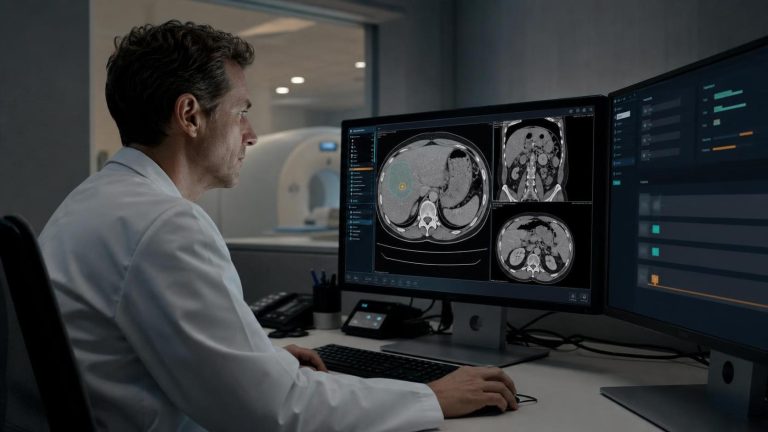
The AI Second Reader That Changed the Chart
A large liver-cancer study shows what happened after an AI system found overlooked lesions: reports changed, cases escalated, and care pathways moved—without yet proving better patient outcomes.

VO2 Max and the Longevity Prescription: What 2026 Research Reveals About Cardiorespiratory Fitness
In 2026, cardiorespiratory fitness is the most validated longevity marker in medicine. From Cleveland Clinic mortality data to Ulrik Wisløff’s 4 by 4 intervals and Iñigo San Millán’s zone 2…

Deep Sleep and the Brain’s Glymphatic System: What 2026 Sleep Science Reveals About Your Nightly Cleanup
New glymphatic research reveals that deep slow wave sleep drives the brain’s nightly clearance of amyloid and tau, with 2026 data linking sleep architecture to long term dementia risk and…
The Daily Rounds: Longevity & Health Care Brief | May 12, 2026
🧬 SuperAger Neurogenesis Decoded — 80-year-olds who stay cognitively sharp produce 2x more new hippocampal neurons than peers, revealing neurogenesis as a key driver of lifelong cognitive resilience. 🏮 Ancient Exercise Rivals Blood Pressure Meds — A year-long JACC trial confirms Baduanjin, an 800-year-old Chinese mind-body practice, lowers blood pressure as effectively as medications and walking programs alike. 💊 Semaglutide Proven Effective at 65+ — A pooled STEP program analysis at ECO 2026 shows adults over 65 achieve 15.4% weight loss on semaglutide with strong cardiometabolic improvements, resolving key uncertainty about the drug in older populations. 🩺 AI Stethoscopes Proven in National Trial — The UK TRICORDER trial across 205 NHS practices and 1.5 million patients confirms AI-enabled stethoscopes accelerate cardiovascular diagnoses, marking a milestone for clinical AI deployment at scale. 📊 Largest Wearables Dataset in History Goes Public — NIH's All of Us program releases a 59,000-participant, 14-year Fitbit dataset in Nature Medicine, giving researchers an unprecedented tool for digital biomarker discovery across diverse populations.
