The Daily Rounds: Longevity & Health Care Brief | November 11, 2026
Your daily briefing on longevity science, preventive care, and the technologies reshaping medicine. Curated from peer-reviewed research and clinical conference reporting for November 11, 2026.
Presented By Our Partners


🧠 NEUROLOGY & COGNITIVE HEALTH
🔬 Alzheimer’s Early Warning Signs Found Outside the Brain
New research suggests that early indicators of Alzheimer’s disease may appear in peripheral tissues long before cognitive symptoms emerge, opening a window for detection and intervention well ahead of diagnosis. Scientists identified measurable protein changes in blood and other non-brain tissues in patients who later developed the disease. The findings could inform next-generation blood-based screening tools now entering clinical validation.
📚 One Extra Year of Early Education Tied to Lower Dementia Risk Decades Later
A large observational study finds that each additional year of early-life education correlates with a small but statistically meaningful reduction in late-life dementia risk. Researchers believe educational attainment builds cognitive reserve that buffers against neurodegeneration over time. The association held after adjusting for socioeconomic factors, suggesting formal education itself may be a modifiable protective factor.
💊 HRT Shows a Complex Relationship With Biological Aging Clocks
A new analysis of hormone replacement therapy finds its effects on epigenetic aging clocks vary considerably by formulation, timing, and individual baseline biology. Some HRT regimens accelerated clock age in certain tissues while slowing it in others, complicating blanket recommendations. Researchers urge personalized approaches and longer-term studies to untangle the longevity implications of hormonal interventions.
❤️ CARDIOVASCULAR HEALTH
🫀 First-in-Human Coronary Bypass With a Bioengineered Vessel Debuts at AHA 2026
Humacyte presented early data at the American Heart Association Scientific Sessions 2026 on the first-ever coronary bypass surgery performed using a human acellular vessel (HAV), a bioengineered blood vessel grown from donated human cells. The graft integrates into the patient’s body over time and may reduce the risks associated with synthetic grafts or harvesting the patient’s own veins. If confirmed in larger trials, this approach could meaningfully expand bypass surgery options, especially for patients with limited usable vessels.
📊 AHA 2026 Takeaways: AI Tools Rise as High-Profile Trials Fail
Key trends from the American Heart Association Scientific Sessions 2026 include growing adoption of AI-powered diagnostic and risk-stratification tools alongside a string of negative results from anticipated cardiovascular trials. Cardiologists noted the contrast between technology optimism and sobering clinical trial outcomes as a defining feature of this year’s sessions. The field appears to be recalibrating expectations while accelerating data-driven care pathways.
📌 Read more → Cardiovascular Business
🔬 CELLULAR HEALTH, SENOLYTICS & EPIGENETICS
🧬 AI-Designed Anti-Fibrotic Drug Reduces Biological Clock Age Across Six Aging Measures
Rentosertib, an anti-fibrotic compound originally designed with AI assistance, has been shown in a human study to reduce proteomic clock age across six distinct aging clocks simultaneously. This is a noteworthy result because most interventions that affect one clock often leave others unchanged or move in the opposite direction. The finding adds weight to the hypothesis that targeting fibrosis pathways may deliver broad systemic anti-aging effects.
Featured Partner
Invest in the Infrastructure Behind Modern Medicine
As healthcare expands beyond hospital walls, the buildings and campuses supporting that shift are generating compelling returns for investors who move early. The Healthcare Real Estate Fund offers qualified investors direct access to a curated portfolio of medical office, outpatient, and specialty care facilities.
Learn More →
🌿 Mouse Toxicology Data Reveals Modest Lifespan Benefits From Hormetic Agents
Researchers mining existing mouse toxicology databases identified a cluster of compounds that appear to trigger hormetic responses, the kind of modest biological stress that prompts the body to repair and strengthen itself. The analysis found that low-dose exposure to these agents correlates with small but consistent lifespan extensions in rodents. The work highlights an underexplored data source for identifying longevity candidates before costly dedicated aging studies.
🤖 AI IN MEDICINE & DRUG DISCOVERY
🧪 Valo Health and Montai Therapeutics Merge to Build Human-Evidence AI Drug Discovery Platform
Valo Health and Montai Therapeutics announced a merger to create a unified AI-powered drug discovery platform anchored in human biological data rather than animal models. The combined company aims to accelerate translation from computational insights to clinical candidates by training algorithms on large-scale human omics datasets. The deal reflects growing investor conviction that human-evidence-first AI platforms can outperform traditional small-molecule discovery pipelines.
📌 Read more → Financial Content / BusinessWire
⌚ WEARABLES, BIOMARKERS & PRECISION HEALTH
🩸 Roche Blood Test Shows High Accuracy Ruling Out Alzheimer’s Amyloid Pathology
At the Clinical Trials on Alzheimer’s Disease (CTAD) 2026 conference, Roche presented expanded data showing its blood-based Alzheimer’s test achieves high accuracy in ruling out amyloid pathology, reducing the need for costly PET scans or invasive lumbar punctures in many patients. The test measures phosphorylated tau and amyloid ratios from a standard blood draw. If widely adopted, it could dramatically lower the cost and burden of Alzheimer’s screening and trial enrollment.
🤰 Portable Device Detects Preterm Birth Risk From a Small Blood Sample
Bioengineers have developed a compact, low-cost device capable of identifying biomarkers associated with preterm birth risk from a small blood sample, without requiring advanced laboratory infrastructure. The tool could make risk stratification accessible in resource-limited settings and routine prenatal visits. Early validation studies show strong concordance with laboratory-based reference methods.
🦠 GUT MICROBIOME & IMMUNE HEALTH
🥦 Diet-Gut Microbe Crosstalk Amplifies Cancer Immunotherapy Response in Mice
A new mouse study finds that the interaction between specific dietary patterns and gut microbial populations can significantly enhance responses to cancer immunotherapy. Certain fermentable fibers appeared to shift the microbiome toward species that prime immune cells for more effective tumor attack. If the effect translates to humans, it could support dietary co-interventions as a low-cost complement to checkpoint inhibitor therapy.
🔭 Hidden Genetic Variants in Gut Bacteria May Shape Individual Aging Rates
Researchers have identified subtle genetic differences within gut bacterial species, within-species variation previously overlooked in standard microbiome profiling, that appear to influence host metabolic aging rates. The findings suggest that species-level microbiome analysis may be missing functionally important genomic diversity. This opens a new avenue for precision microbiome interventions targeting specific bacterial strains rather than broader species categories.
🎗️ ONCOLOGY & BIOLOGICAL AGING
⚡ Chemotherapy Accelerates Biological Aging by Several Years in Breast Cancer Survivors
A study of breast cancer survivors finds that chemotherapy treatment is associated with an acceleration of biological aging equivalent to several additional years on epigenetic and proteomic aging clocks. The effect was most pronounced in patients who received more intensive regimens and remained detectable years after treatment completion. The findings underscore the importance of survivorship care and longevity-focused rehabilitation for cancer patients post-treatment.
😴 SLEEP & CIRCADIAN HEALTH
🌙 Disrupted Sleep-Wake Cycles Predict Dementia Risk Years Before Diagnosis
A JAMA-published study finds that irregularities in sleep-wake cycle patterns, measurable via wearable accelerometers, are associated with significantly elevated dementia risk in the years preceding clinical diagnosis. The association was independent of sleep duration, suggesting that circadian rhythm integrity, not just total sleep time, is a critical factor. Researchers propose that monitoring circadian disruption could serve as an early dementia screening signal in primary care.
📌 Read more → Medical Dialogues / JAMA
🫁 CARDIORESPIRATORY FITNESS
🏃 VO2 Max in Your 70s Predicts Brain Health a Decade Later
New research finds that cardiorespiratory fitness measured by VO2 max in adults in their 70s is a strong predictor of cognitive function and brain health trajectory over the following decade. Those with higher VO2 max showed less cortical thinning and better preserved white matter integrity on imaging. The study adds to mounting evidence that aerobic fitness is one of the most powerful modifiable factors for brain aging in older adults.
📌 TODAY’S TOP TAKEAWAYS
- Humacyte’s first-in-human coronary bypass with a bioengineered vessel marks a potential turning point in cardiac surgery, offering patients a living alternative to synthetic grafts or harvested veins.
- Rentosertib’s simultaneous reduction across six aging clocks in humans suggests AI-designed anti-fibrotics may deliver broad systemic rejuvenation, not just organ-specific effects.
- AHA 2026 delivered a reality check: AI cardiology tools are gaining ground, but several anticipated blockbuster trials failed, reshaping near-term treatment expectations.
- Roche’s blood test for Alzheimer’s amyloid pathology could replace expensive PET scans for initial screening, making early detection accessible at a fraction of current costs.
- VO2 max in your 70s and sleep-wake cycle regularity are emerging as two of the most accessible and actionable predictors of cognitive aging trajectory.
Sources compiled from peer-reviewed journals, clinical conference reports, and credentialed health science media. Published: November 11, 2026.


Similar Posts
Awair Element Air Quality Monitor: Indoor PM2.5, CO2, and VOC Tracking for Health
You spend roughly 90% of your life indoors, breathing air you cannot see and rarely measure. The pollutants in that air may be quietly accelerating the very diseases you are…

OpenAI Buys Orchestra Bio: Will AI Agents Speed Drug Development?
OpenAI acquired Orchestra Bio to run drug development operations with AI agents. What the company does, what is still unproven, and how the promise scores on the HYPE Index.

The Peptide Boundary Problem: Why GLP-1 Drugs and Research Peptides Are Not One Category
A source-backed guide to the six categories commonly blurred together in peptide marketing: FDA-approved drugs, compounded medication, investigational drugs, research-use products, longevity protocols, and supplements.
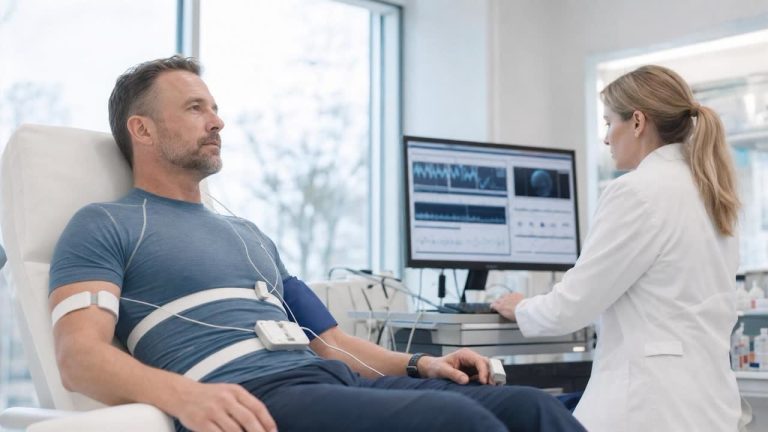
NMN Review 2026: Evidence Grade, Best Form, Side Effects
NMN does one thing reliably: it raises blood NAD. Every claim built on top of that, from longer life to sharper memory to better blood sugar, is either untested in…
The Daily Rounds: Longevity & Health Care Brief | May 9, 2026
⚖️ Weight and Brain Age: A 24-year study finds that sustained weight management may preserve brain age by up to two years, directly slowing the rate of memory and executive function decline. 💉 Gut Bacteria Inject Proteins Into Immune Cells: Scientists discover microbes use molecular injection systems to directly modulate immune cell behavior, explaining how microbiome composition drives systemic health outcomes. 🔓 OpenBind Opens AI Drug Discovery to Everyone: A UK consortium releases the first public AI model for atomic-level protein-drug binding prediction, leveling the pharmaceutical research playing field. 📊 Wearables Predict Insulin Resistance at 80% Accuracy: The WEAR-ME study shows wearable data plus standard blood tests can identify insulin resistance years before diabetes develops, using devices most people already own. 🏋️ Grip Strength Cuts Mortality Risk by 33% in Older Women: A JAMA study of 5,000 older women finds that high grip strength independently predicts survival, even among those who do not meet aerobic exercise guidelines.
Natural Cycles: The Only FDA-Cleared Digital Contraceptive App
In 2018, the FDA did something it had never done before: it cleared a smartphone app as a method of contraception. The decision was controversial, the science behind it was…