
Inito Fertility Monitor: Four-Hormone Cycle Analysis From Your Smartphone
A validation study of 100 women found that quantitative urinary hormone monitoring achieved 100% specificity for confirming ovulation, with correlation to laboratory assays within 5% variance.
Presented By Our Partners



The gap between what a laboratory can tell a woman about her reproductive hormones and what she can learn at home has been one of the most persistent inequities in clinical diagnostics. Serum hormone panels require a doctor’s order, a blood draw, a wait for results, and a follow-up appointment to interpret them. By the time the data arrives, the cycle it measured has already passed. A 2023 study published in Scientific Reports by Pattnaik et al. demonstrated that a new generation of smartphone-connected urinary analyzers can close this gap dramatically, delivering quantitative hormone measurements with coefficients of variation around 5% and an area under the ROC curve of 0.98 for distinguishing ovulatory from anovulatory cycles. The study validated 100 women across diverse cycle lengths and identified novel hormone patterns visible only through continuous quantitative tracking.
The Inito Fertility Monitor is the device validated in that study. It transforms a smartphone into a clinical-grade hormone analyzer, measuring four reproductive hormones from a single urine sample and delivering results in minutes rather than days.
What Is the Inito Fertility Monitor?
The Inito Fertility Monitor is an FDA-cleared at-home urine hormone analyzer that clips directly onto a smartphone, eliminating the need for a separate hardware device. It measures four hormones from urine: luteinizing hormone (LH), estrogen metabolite (E3G), progesterone metabolite (PdG), and follicle-stimulating hormone (FSH) using proprietary test strips. The smartphone’s camera reads the lateral flow immunoassay results and displays quantitative hormone concentrations through the Inito app.
The device costs $149 for the analyzer attachment, with test strips priced at approximately $49.99 per pack of 10. The smartphone-based design keeps the hardware footprint minimal and leverages the processing power and camera resolution already in the user’s pocket. Different strip types target different hormone combinations, allowing users to tailor their monitoring protocol to their specific needs, whether tracking ovulation for conception, confirming adequate progesterone after ovulation, or monitoring FSH as an ovarian reserve marker.
Inito’s distinguishing feature is its emphasis on ovulation confirmation rather than just prediction. Most consumer fertility tools focus on detecting the LH surge before ovulation, but Inito adds post-ovulatory PdG measurement that confirms ovulation actually occurred and that progesterone production is adequate. This three-phase approach (estrogen rise, LH surge, progesterone confirmation) provides a complete picture of each cycle’s hormonal health.
The Science Behind Quantitative Urinary Hormone Tracking
The clinical foundation for urinary hormone monitoring in reproductive health spans decades of research in reproductive endocrinology. Urinary metabolites of estrogen, progesterone, and LH have been validated as reliable proxies for serum hormone levels since the 1980s, and the World Health Organization has used urinary hormone assays as reference standards in multinational fertility studies.
The 2023 validation study by Pattnaik et al. in Scientific Reports specifically evaluated the Inito platform across 100 women aged 21 to 45 with cycle lengths ranging from 21 to 42 days. The study measured recovery percentages, inter-assay coefficients of variation, and correlation with laboratory ELISA for E3G, PdG, and LH. Results demonstrated average CVs of 5.05% for PdG, 4.95% for E3G, and 5.57% for LH, performance levels that approach clinical laboratory standards. The researchers also identified a novel early ovulation confirmation criterion with 100% specificity, meaning it never falsely identified an anovulatory cycle as ovulatory.
A 2024 systematic review published in the Journal of Medical Internet Research by Lyzwinski et al. examined the landscape of wearable and at-home reproductive health technologies and found that devices measuring physiological signals (temperature, heart rate, hormone metabolites) could differentiate between follicular, fertile, and luteal phases with high accuracy. The review noted that most devices achieved reliable detection of the fertile window, but emphasized that the field still needs larger validation studies and consumer perspective research.
A 2022 prospective study published in Reproductive Biology and Endocrinology by Yu et al. demonstrated that combining basal body temperature with heart rate data from wearable devices predicted the fertile window with 87.46% accuracy across 305 confirmed ovulatory cycles. However, accuracy dropped to 72.51% for irregular menstruators, highlighting a critical advantage of direct hormone measurement: it does not rely on physiological proxies that become unreliable when cycles deviate from typical patterns.
The broader reproductive endocrinology literature establishes that progesterone adequacy after ovulation is as clinically meaningful as ovulation detection itself. Luteal phase deficiency, affecting an estimated 3% to 10% of women with infertility, is characterized by inadequate progesterone production and can only be identified through post-ovulatory hormone assessment. Inito’s PdG measurement directly addresses this clinical need.
What the Inito Fertility Monitor Does Well
Inito’s strongest advantage is its validated quantitative accuracy. The 2023 Scientific Reports study confirmed that its measurements correlate closely with laboratory ELISA results, giving users confidence that the numbers displayed in the app reflect genuine hormone concentrations rather than approximations. The device’s 100% specificity for ovulation confirmation is particularly notable, as false positives in ovulation detection can lead to mistimed conception attempts and unnecessary anxiety.
The smartphone-attachment design is a practical strength. Rather than carrying a separate analyzer, users clip the Inito device onto their phone, insert a test strip with a urine sample, and receive results within five minutes. This design reduces friction compared to standalone devices and makes the system more portable for travel. The app builds longitudinal hormone curves that visualize patterns across multiple cycles, making it easy to spot trends or anomalies.
Featured Partner
Invest in the Infrastructure Behind Modern Medicine
As healthcare expands beyond hospital walls, the buildings and campuses supporting that shift are generating compelling returns for investors who move early. The Healthcare Real Estate Fund offers qualified investors direct access to a curated portfolio of medical office, outpatient, and specialty care facilities.
Learn More →
For women with PCOS or irregular cycles, Inito’s four-hormone approach is especially valuable. Standard LH-only tests frequently produce misleading results in PCOS, where elevated baseline LH levels or multiple false surges can make it impossible to identify the true fertile window. By tracking the estrogen rise before and the progesterone rise after, Inito provides contextual verification that a genuine ovulatory event occurred.
Pricing, Access, and Practical Realities
The Inito analyzer costs $149, positioning it as one of the more affordable quantitative fertility monitors on the market. Test strips run approximately $49.99 per pack of 10. Monthly consumable costs depend on testing frequency; most users testing 10 to 15 times per cycle will spend $50 to $75 monthly on strips. First-year total cost of ownership typically falls between $750 and $1,050, including the analyzer purchase.
Inito is HSA and FSA eligible, providing meaningful tax-advantaged savings for users with qualifying accounts. The device is FDA cleared as a fertility hormone monitor, validating its accuracy for measuring urinary reproductive hormones. As with all consumer fertility monitors, this clearance covers measurement accuracy, not diagnostic capability. The device is a monitoring tool, not a substitute for clinical evaluation by a reproductive endocrinologist.
The smartphone compatibility requirement means the device works only with compatible phone models. Users should verify their phone’s compatibility before purchasing. Battery consumption during testing is minimal, but the camera-based reading mechanism means adequate lighting and a clean camera lens are practical prerequisites for accurate results.
Who the Inito Fertility Monitor Is Best For
Inito is ideal for women trying to conceive who want clinically validated hormone data without the cost of repeated laboratory testing. It is particularly well-suited for women with irregular cycles, PCOS, or a history of anovulatory cycles where standard LH-only tests produce unreliable results. Women who have experienced unexplained early pregnancy loss and want to monitor progesterone adequacy will find Inito’s PdG confirmation tracking directly relevant.
Healthcare providers who want patients to collect hormone data between appointments will find Inito’s quantitative output more clinically useful than qualitative strip results. The app’s exportable data makes it easy to share cycle profiles during consultations.
Women who strongly prefer passive, wearable-based tracking without any daily testing ritual may find Inito’s strip-testing protocol more effort than they want. Each test requires urine collection, strip insertion, and a five-minute wait. Users seeking zero-effort cycle tracking may prefer ring or wristband-based wearable options, accepting the trade-off of indirect physiological proxies rather than direct hormone measurement.
How the Inito Fertility Monitor Compares
The Mira Fertility Monitor is Inito’s most direct competitor, offering the same four-hormone measurement capability (LH, E3G, PdG, FSH) at a higher device price point ($199 versus $149). Mira uses a standalone analyzer rather than a smartphone attachment, which some users may prefer for its dedicated design. Both platforms offer quantitative results and longitudinal cycle visualization. Inito’s 2023 clinical validation provides peer-reviewed accuracy data; Mira has a larger established user community and longer market presence.
The Oura Ring Gen 3 takes a fundamentally different approach, using skin temperature and biometric signals to estimate ovulation timing without any urine testing. A 2025 study by Thigpen et al. in the Journal of Medical Internet Research validated the Oura Ring’s physiology-based ovulation detection across 1,155 cycles, detecting 96.4% of ovulations with 1.26-day average error. The Oura Ring offers passive, effortless tracking but cannot measure specific hormone concentrations or confirm progesterone adequacy.
Standard LH ovulation predictor kits cost $20 to $50 per cycle but provide only binary surge detection. They cannot quantify hormone levels, track estrogen or progesterone, or confirm that ovulation occurred. For women with regular cycles and no specific clinical concerns, these simpler tests may be sufficient, but they leave significant information gaps that quantitative monitors like Inito address.
Limitations and Open Questions
Inito’s validation study, while rigorous, included 100 participants, a sample size that, while adequate for assay validation, would benefit from larger confirmatory studies across more diverse populations. Women with extreme cycle irregularity, recent hormonal contraception use, or perimenopause were not specifically studied, leaving questions about accuracy in these subpopulations.
Urinary hormone metabolites are influenced by hydration status, collection timing, and individual metabolic variation. While Inito’s validation showed strong correlation with laboratory assays under controlled conditions, real-world use introduces variables that may affect measurement precision. Users should test with first morning urine for the most consistent results and interpret trends across multiple data points rather than individual readings.
The consumable cost model means expenses scale with testing intensity. Heavy testers tracking all four hormones across complete cycles will spend meaningfully more than those using targeted testing protocols. There is no subscription fee for basic app functionality, but the per-strip cost creates an ongoing expense that passive wearable trackers do not.
What This Means for Your Health
The Inito Fertility Monitor represents what Healthcare Discovery‘s longevity framework calls the democratization of clinical-grade data. The ability to quantify reproductive hormones at home, with validated accuracy approaching laboratory standards, gives women a powerful tool for understanding one of the body’s most complex and health-revealing systems.
Menstrual cycle health is not merely a fertility concern. It is a biomarker for systemic metabolic, cardiovascular, and endocrine function. Irregular cycles, anovulation, and luteal phase deficiency are associated with increased risk of cardiovascular disease and metabolic dysfunction, two of the Four Shadows that represent the primary chronic disease threats to long-term healthspan. The World Health Organization has recognized menstrual regularity as a vital sign for women’s health, and tools like Inito make it possible to monitor that vital sign with granularity that was previously impossible outside a laboratory.
Within the Five Pillars framework, reproductive hormone health intersects with every pillar. Sleep disruption alters gonadotropin pulsatility. Nutritional deficiencies impair progesterone production. Chronic stress elevates cortisol at the expense of reproductive hormones. Movement patterns influence hormonal balance through their effects on insulin sensitivity and body composition. By tracking hormone patterns over time, women can observe how their foundational health practices translate into measurable reproductive function, creating a feedback loop that motivates and validates lifestyle optimization.
Frequently Asked Questions
How accurate is the Inito Fertility Monitor compared to laboratory testing?
A 2023 study published in Scientific Reports validated the Inito platform across 100 women and found coefficients of variation of approximately 5% for LH, E3G, and PdG measurements, with high correlation to laboratory ELISA assays. The study also demonstrated 100% specificity for confirming ovulation through a novel hormone criterion, with an AUC of 0.98.
How much does the Inito Fertility Monitor cost per year?
The analyzer costs $149. Test strips cost approximately $49.99 per pack of 10. With typical usage of 10 to 15 strips per cycle, annual consumable costs range from $600 to $900, bringing total first-year cost to approximately $750 to $1,050. The device is HSA and FSA eligible.
Can Inito help detect PCOS or anovulatory cycles?
Inito cannot diagnose PCOS, but it can reveal hormonal patterns consistent with anovulatory cycles. By measuring progesterone metabolite (PdG) after the LH surge, Inito can determine whether ovulation actually occurred. Women with PCOS who experience multiple LH surges without true ovulation can use Inito’s multi-hormone tracking to identify genuine ovulatory events versus false surges.
What is the difference between Inito and standard ovulation predictor kits?
Standard ovulation predictor kits detect only the LH surge and provide a binary positive or negative result. Inito measures four hormones (LH, E3G, PdG, FSH) quantitatively, providing specific concentrations rather than yes/no answers. This allows Inito to track the estrogen rise before ovulation, confirm the LH surge, and verify adequate progesterone production afterward.
Does Inito require a monthly subscription?
No mandatory subscription is required to use the Inito device and view hormone results in the app. The primary ongoing cost is test strip consumables. Premium coaching or interpretation features may be available at additional cost, but core hormone tracking functionality does not require a subscription.
Can Inito be used during perimenopause?
Inito’s FSH measurement capability makes it potentially useful for women entering perimenopause who want to monitor rising FSH levels, a hallmark of diminishing ovarian reserve. However, the device’s clinical validation was conducted in women aged 21 to 45 with cycle lengths of 21 to 42 days. Women with perimenopausal cycle irregularity outside this range should discuss Inito’s applicability with their healthcare provider.


Similar Posts
The Lp(a) Revolution: How 2026 Became the Year Cardiology Finally Learned to Treat Its Oldest Blind Spot
Phase 3 trials of pelacarsen, olpasiran, lepodisiran, and the first oral Lp(a) drug muvalaplin are ending cardiology’s sixty year blind spot on lipoprotein(a), a genetically determined particle that silently elevates…
Therabody SmartGoggles: Eye Massage, Heat Therapy, and Vagal Nerve Relaxation
The vagus nerve is the longest cranial nerve in the body, and stimulating it does not require an implanted device. It starts with the face. Presented By Our Partners Stress…
Bello 2 Fat Scanner: Handheld NIR Device for Localized Body Fat Measurement
The fat you can see is not the fat that kills you. A handheld scanner that peers beneath the skin surface is trying to change how we measure the difference….
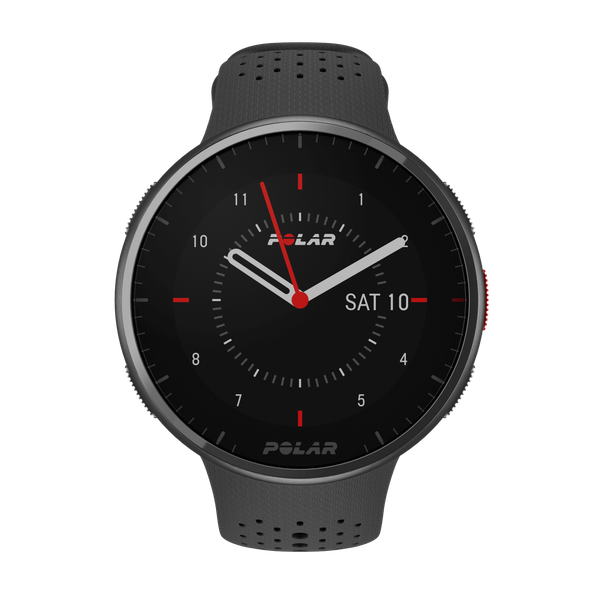
Polar Pacer Pro: Ultra Lightweight GPS Running Watch With Barometric Altitude and Training Analytics
At 41 grams with an integrated barometer, running power, and Polar’s full Training Load Pro analytics, the Pacer Pro delivers serious running science at $349.90 with no subscription required. Presented…

FDA AI in Radiology: Why Medical Imaging Became AI’s First Beachhead
Radiology dominates the FDA AI-enabled medical device list because medical imaging already turns the body into structured data, making it the first large proving ground for regulated medical AI.
Moxy Monitor: Real-Time Muscle Oxygen Saturation for Training Zone Precision
Heart rate tells you how hard your cardiovascular system is working. Muscle oxygen tells you how hard your muscles are actually working, and more importantly, when they are about to…
