
The Daily Rounds: Longevity & Health Care Brief | April 9, 2026
Your daily briefing on the science of living longer, better. Covering the past 24 to 48 hours in longevity, medicine, and healthspan research.
Presented By Our Partners


🧠 NEUROLOGY & COGNITIVE HEALTH
🧬 Aging Protein FTL1 Found to Weaken Brain Synapses and Memory
Scientists identified FTL1, a protein elevated in aging mouse brains, that progressively weakens synaptic connections between neurons and accelerates memory decline. The finding opens a promising new molecular target for interventions aimed at slowing age-related cognitive loss.
📌 Read more → ScienceDaily Neuroscience
🧠 Astrocytes Revealed as Active Architects of Fear Memory
New research overturns the long-held view that astrocytes are passive brain support cells, showing they actively participate in forming, recalling, and weakening fear memories. The findings could reshape approaches to treating trauma-related disorders and age-related memory dysfunction.
💤 Weak Circadian Rhythms Tied to 2.5x Higher Dementia Risk
A study published this week found that older adults with poorly regulated internal body clocks face a 2.5 times greater likelihood of developing dementia. The data reinforce circadian rhythm alignment as a modifiable and measurable risk factor for brain aging.
❤️ CARDIOVASCULAR HEALTH
💔 Long COVID Raises Heart Disease Risk Significantly, Including in Young Non-Hospitalized Adults
A Swedish study of over 1.2 million people, published this week in eClinicalMedicine, found that long COVID is associated with significantly elevated risks of arrhythmias, coronary artery disease, and heart failure, including in younger adults who were never hospitalized. Women with long COVID faced more than double the cardiovascular disease risk compared to women without it.
🔭 UTMB Launches Landmark Decade-Long Galveston Heart Study
The University of Texas Medical Branch kicked off a 10-year study tracking thousands of Galveston County residents to map connections between heart health, brain health, and aging trajectories. Data collected will include coronary calcium scores, cardiac biomarkers, genotypes, and advanced cardiac imaging.
🥗 American Heart Association Issues Updated Dietary Guidance for Cardiovascular Health
A new AHA scientific statement published in Circulation reinforces whole grains, legumes, fish, and plant proteins as foundational to cardiovascular disease prevention, and explicitly prioritizes dietary quality over simple calorie restriction. The guidance also emphasizes that ultra-processed food reduction is among the highest-yield dietary interventions available.
📌 Read more → Circulation / AHA Journals
🦠 GUT MICROBIOME & IMMUNE HEALTH
💉 Gut Bacteria Found to Inject Proteins That Directly Modulate Human Immunity
Research published in Nature Microbiology reveals that certain gut microbes use type III secretion systems to inject effector proteins directly into human cells, actively shaping immune responses rather than simply coexisting. The discovery offers new insight into how the microbiome drives inflammatory conditions such as Crohn’s disease and opens a novel class of therapeutic targets.
🧫 First Phase III Trial Tests Microbiome Capsule Alongside Cancer Immunotherapy
University Hospitals Seidman Cancer Center is enrolling patients in the S2419 BioFront study, the first SWOG Phase III trial to test a gut microbiome intervention (Clostridium butyricum CBM588) as part of cancer immunotherapy for renal cell carcinoma. Early-phase results showed encouraging survival signals when CBM588 was combined with immune checkpoint inhibitors.
Featured Partner
Invest in the Infrastructure Behind Modern Medicine
As healthcare expands beyond hospital walls, the buildings and campuses supporting that shift are generating compelling returns for investors who move early. The Healthcare Real Estate Fund offers qualified investors direct access to a curated portfolio of medical office, outpatient, and specialty care facilities.
Learn More →
🌿 Fasting-Mimicking Diet Reduces Crohn’s Inflammation in Randomized Controlled Trial
A Nature Medicine RCT of 97 Crohn’s disease patients found that just five days of low-calorie plant-based eating per month produced clinical response in nearly 70% of participants versus 44% in controls. Fecal calprotectin and inflammatory lipid mediators dropped significantly in the fasting group, pointing to a gut-restorative mechanism.
📌 Read more → ScienceDaily / Nature Medicine
🔬 CELLULAR HEALTH, SENOLYTICS & EPIGENETICS
🔬 World Longevity Congress Reframes Aging as Loss of Biological Coordination
At the 2nd World Congress on Targeting Longevity in Berlin (April 8 to 9, 2026), scientists shifted the central question from “fixing aging” to understanding how aging arises from progressive coordination failures across mitochondria, microbiota, redox biology, and immune systems. New therapeutic frameworks are targeting systemic restoration rather than isolated molecular pathways.
💊 Senolytics Combined with Epigenetic Modulators Offer Dual Healthspan Strategy
A new Biomolecules review highlights that senescent cells carry distinct epigenetic signatures including DNA hypermethylation and histone modifications that can be co-targeted to amplify senolytic efficacy. Combining compounds like dasatinib, fisetin, and quercetin with epigenetic modulators is emerging as a precision approach to reversing biological age markers in early human trials.
📌 Read more → MDPI Biomolecules
🤖 AI IN MEDICINE & DRUG DISCOVERY
🤖 AI Drug Discovery Enters Clinical Maturity with 173 Programs in Active Trials
More than 173 AI-discovered drug programs are now in active clinical development, with 15 already in Phase III, signaling that AI-driven drug discovery has moved well beyond proof-of-concept into clinical scale. Longevity medicine practices are being urged to integrate AI-assisted diagnostics and treatment selection into standard workflows.
🧬 AlphaFold and Protein Language Models Compress Years of Drug Design into Weeks
Deep learning platforms including next-generation AlphaFold derivatives and protein language models are enabling researchers to engineer complex biologic molecules with unprecedented speed and precision, turning multiyear discovery timelines into weeks. The AI pharmaceutical market grew 27% year-over-year in 2026, reaching $25.5 billion globally.
📌 Read more → The Medicine Maker
🏥 Insilico Medicine’s AI-Designed Drug Shows Positive Phase IIa Results for Pulmonary Fibrosis
Insilico Medicine reported positive Phase IIa clinical results for ISM001-055, its fully AI-designed TNIK inhibitor targeting idiopathic pulmonary fibrosis, one of the first AI-generated molecules to demonstrate clinical efficacy. The milestone is being widely cited as a proof-of-concept moment for generative AI in pharmaceutical development.
⌚ WEARABLES, BIOMARKERS & PRECISION HEALTH
⌚ Machine Learning Combines Wearables and Blood Tests to Predict Insulin Resistance
A Nature study called WEAR-ME demonstrated that ML models integrating wearable device data with routine blood biomarkers predict insulin resistance with 80% accuracy (AUROC 0.80), enabling early lifestyle intervention before progression to type 2 diabetes. The approach catches metabolic dysfunction years ahead of clinical diagnosis without requiring invasive testing.
📊 Whoop Advanced Labs Maps 60 Blood Biomarkers Against Longitudinal Fitness Data
Whoop’s new Advanced Labs platform, built with Quest Diagnostics, allows members to order curated blood panels covering roughly 60 biomarkers and view results mapped directly against months of strain, recovery, and sleep data from their wearable. The integration marks a significant step toward continuous, personalized metabolic monitoring outside clinical settings.
📌 Read more → Longevity.Technology
🥗 NUTRITION & METABOLIC HEALTH
🥦 Mediterranean Diet Named Top Pattern for Long-Term Health by 69% of Nutrition Experts
A Global Wellness Institute survey found that 69% of nutrition experts selected the Mediterranean diet as the most effective dietary approach for long-term health and chronic disease prevention in 2026. Increasing daily fiber intake was identified as the single highest-yield individual nutritional action for reducing disease risk.
📌 Read more → Global Wellness Institute
🍖 Low-Carb High-Fat Diet Improves Metabolic Health in Older Adults with Obesity
An eight-week clinical study found that a very low-carbohydrate, high-fat dietary pattern produced meaningful improvements in body composition, fat distribution, and metabolic health markers in older adults with obesity. Researchers highlighted implications for addressing age-related metabolic decline without pharmaceutical intervention.
🍺 Even Occasional Binge Drinking Raises Cardiometabolic Risk in Metabolically Vulnerable Adults
New April 2026 research found that occasional binge drinking elevates cardiovascular and metabolic risk in individuals with underlying metabolic dysfunction, challenging the common assumption that infrequent heavy alcohol use is safe for otherwise healthy people. The findings call for updated clinical guidance on alcohol use in at-risk populations.
📌 Read more → ScienceDaily Nutrition
😴 SLEEP & CIRCADIAN HEALTH
🌙 New ACS-Funded Study to Investigate Circadian Disruption as a Driver of Liver Cancer
Fred Hutchinson Cancer Center received American Cancer Society funding for a five-year study examining whether solar jet lag, a form of circadian misalignment common among night-shift workers, contributes to hepatocellular carcinoma risk. The study will pair electronic health records with a geospatial light exposure model to quantify the cancer-circadian link.
📌 Read more → Fred Hutchinson Cancer Center
📱 Smartphone Assessments Reveal That Treating Nighttime Sleep Is Not Enough for Insomnia
University of Maryland researchers found that smartphone-based daily assessments detect improvements in daytime insomnia symptoms including cognition, fatigue, and mood that standard nighttime sleep measures miss entirely. The findings suggest that effective insomnia treatment must also target daytime function, not just overnight sleep quality.
📌 Read more → University of Maryland School of Medicine
💤 Sleep and Circadian Alignment Now Recognized as Core Cardiovascular Risk Factors
A major review in Nature Reviews Cardiology establishes sleep quality, duration, and circadian rhythm alignment as fundamental determinants of cardiovascular resilience, with disrupted sleep tied to elevated rates of hypertension, arrhythmia, and atherosclerosis. Researchers are calling for standardized sleep assessment protocols to be built into all cardiovascular clinical trials going forward.
📌 Read more → Nature Reviews Cardiology
📌 TODAY’S TOP TAKEAWAYS
- 🧬 Aging Reframed as Coordination Failure: Scientists at the World Longevity Congress are shifting from single-target anti-aging interventions toward restoring coordination across the body’s biological systems.
- ❤️ Long COVID and the Heart: A 1.2-million-person Swedish study confirms long COVID significantly raises cardiovascular disease risk, including in younger non-hospitalized adults, with women facing more than double the risk.
- 🤖 AI Hits a Clinical Milestone: With 173 AI-discovered drugs now in clinical trials and Insilico’s AI-designed pulmonary fibrosis drug showing Phase IIa efficacy, generative AI in medicine has arrived at clinical scale.
- 🦠 Fasting for Gut Health: Just five days per month of low-calorie plant-based eating reduced gut inflammation and achieved clinical response in nearly 70% of Crohn’s disease patients in a Nature Medicine randomized trial.
- 😴 Circadian Health and Cancer: New ACS-funded research at Fred Hutch will investigate whether night-shift-driven solar jet lag is a driver of liver cancer, reinforcing circadian alignment as a cancer prevention frontier.
Sources compiled from Nature Medicine, Nature Microbiology, Nature Reviews Cardiology, eClinicalMedicine, ScienceDaily, EurekAlert, STAT News, Fred Hutchinson Cancer Center, American Heart Association, MedCity News, Global Wellness Institute, and University Hospitals. Published: April 9, 2026.


Similar Posts
Neurable MW75 Neuro: Brain-Sensing EEG Headphones with Focus and Fatigue Detection
Premium noise-cancelling headphones with 12-channel soft fabric EEG sensors that detect focus, fatigue, calmness, and anxiety in real time, providing Brain Age scoring, cognitive speed metrics, and burnout prevention alerts,…
BodySpec Mobile DEXA: Gold Standard Body Composition and Bone Density Scanning
When clinical precision matters more than convenience, DEXA remains the measurement against which every consumer device is judged. BodySpec brings that standard directly to you. Presented By Our Partners In…
New Penn State Study Shows How Your Core May Help Wash Your Brain
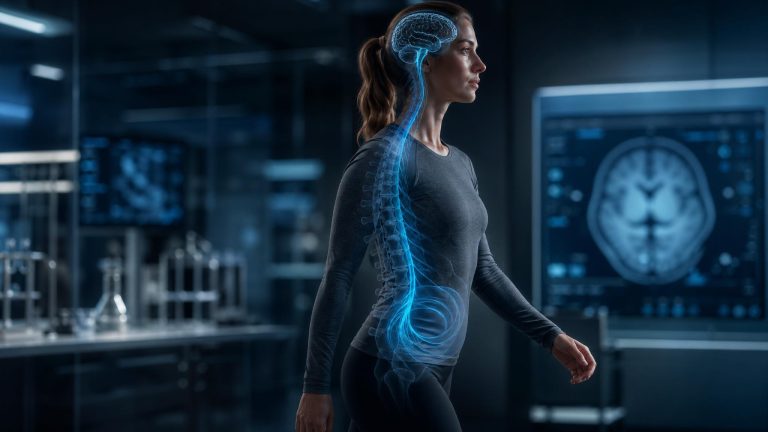
A new Nature Neuroscience study from Penn State suggests abdominal contractions and core movement may mechanically influence brain motion and cerebrospinal fluid flow. The real story is not stronger abs…
The Daily Rounds: Longevity & Health Care Brief | March 31, 2026
🧠 - Heidelberg scientists have identified a protein pairing that acts as a molecular "death switch" in Alzheimer's disease, and a new compound can break it apart, protecting neurons even as it reduces amyloid. 🧬 - The first-ever human trial of partial epigenetic reprogramming is now enrolling, with Life Biosciences testing ER-100 in patients with retinal degeneration in a trial that could redefine what it means to treat aging at the cellular level. 💊 - GLP-1 receptor agonists do not cause disproportionate muscle loss, and new data shows they actually increase mitochondrial proteins in skeletal muscle, suggesting metabolic benefits that go well beyond weight reduction. 🦠 - Gut bacteria are actively injecting proteins into human intestinal cells via molecular syringes, and this mechanism appears more prevalent in people with Crohn's disease, pointing to a new pathway for understanding and treating chronic gut inflammation. ⌚ - ARPA-H's new Delphi program is funding wearable biosensors that can continuously track cytokines and hormones in real time, a potential leap from tracking symptoms to detecting the earliest biological signals of disease and aging.

David Sinclair and the Battle Over the Future of Aging Science
David Sinclair helped make longevity science impossible to ignore. He also became one of its most contested public figures. Part II examines the criticism, contradictory evidence, and scientific arguments that…

How David Sinclair Helped Turn Aging Into a Serious Scientific Frontier
David Sinclair helped move aging research from the scientific margins into mainstream conversation. Through his Harvard lab, his work on sirtuins, NAD+ biology, epigenetic reprogramming, and his public role as…
