
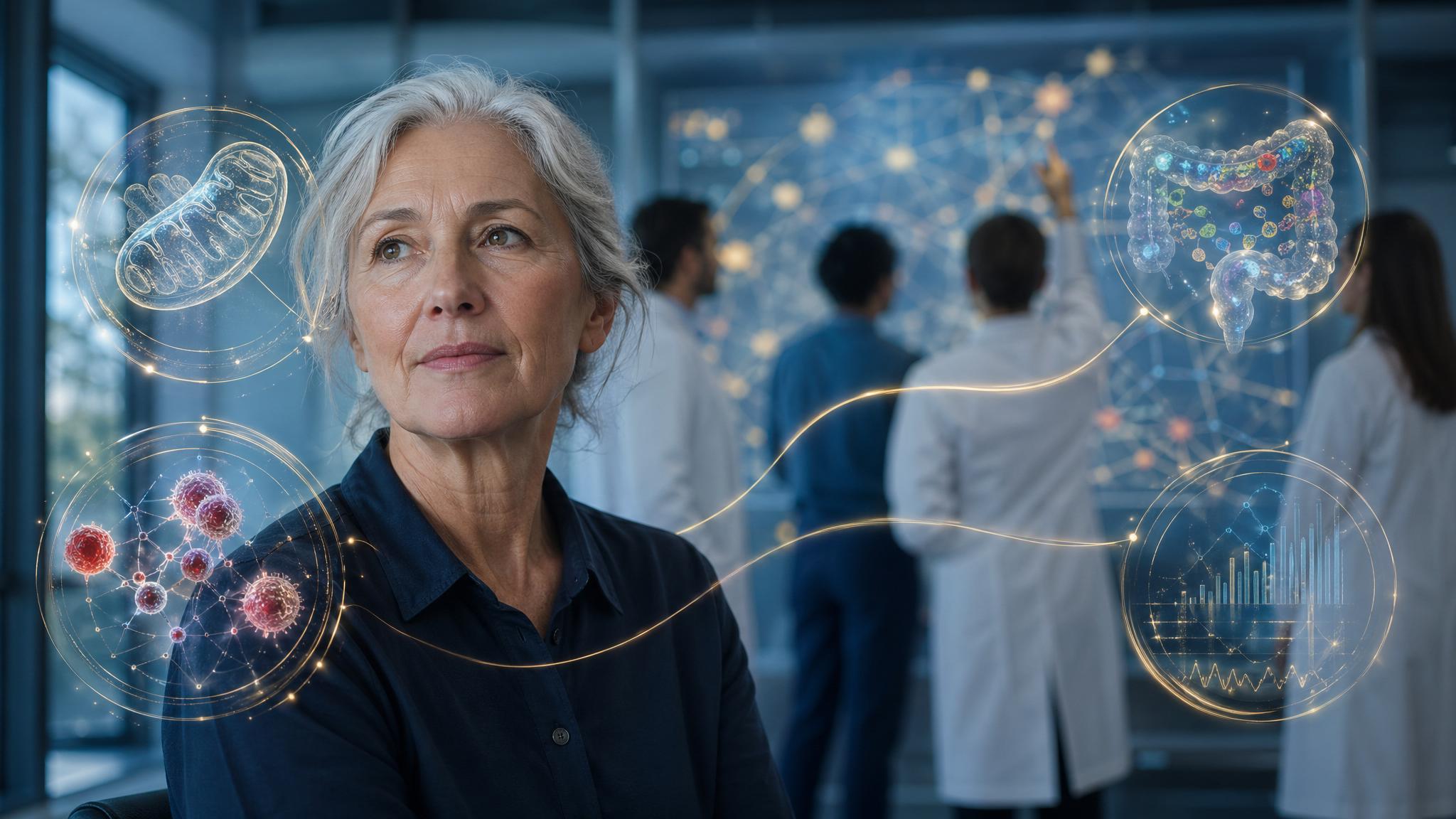
Longevity Science Is Having a Reckoning: Why the Next Breakthrough May Not Be a Drug
A landmark gathering of longevity researchers in Berlin issued a quiet challenge to three decades of conventional thinking: the next breakthrough in aging science may not be a molecule at all.
Presented By Our Partners



For three decades, the dominant theory in longevity science has been straightforward: find the molecular switch that drives aging, throw a drug at it, and extend healthy life. The field has produced extraordinary science along the way, from the mTOR pathway and rapamycin to senolytics that clear damaged cells and epigenetic clocks that measure biological age. Yet in April 2026, a gathering of leading researchers in Berlin delivered an uncomfortable verdict: despite the discoveries, clinical translation has remained stubbornly limited. The emerging consensus is that the problem may not be a shortage of data. It may be a flawed strategy.
The Berlin Reckoning
The 2nd World Congress on Targeting Longevity, organized by the World Mitochondria Society and the International Society of Microbiota, convened in Berlin on April 8 and 9, 2026. The congress brought together researchers working across disparate fields: mitochondrial biology, gut microbiome science, immunology, metabolic medicine, and comparative genomics. What emerged was a unified message that surprised many observers.
“Longevity research has produced extraordinary discoveries, yet implementation remains fragmented,” said Dr. Marvin Edeas, organizer and chairman of the scientific board. “We may need to rethink aging as a loss of biological coordination. The next phase of longevity science will likely focus on restoring resilience across interconnected systems.”
The congress concluded with what may be its most consequential contribution: not a new molecule or target, but a new frame. Rather than viewing aging as a sequence of isolated molecular failures, the Berlin consensus positions it as a systems-level loss of coordination, a progressive breakdown in communication between the body’s most fundamental biological networks. This framing has the potential to reshape how longevity research is funded, designed, and eventually applied in clinical medicine.
What “Biological Coordination” Actually Means
To understand why this framing matters, it helps to consider what these coordinating systems actually do and how their dialogue breaks down with age.
Mitochondria are far more than the cell’s powerhouses, a metaphor that has outlived its usefulness. They are signaling hubs, constantly broadcasting information about cellular energy status, redox balance, and metabolic capacity. When mitochondrial function declines, those signals become noisy or absent, and downstream systems lose their cues for when to activate repair, when to trigger inflammation, and when to stand down. Research presented at the congress showed how mitochondrial signaling influences inflammatory responses in senescent cells, creating a feedback loop that accelerates tissue aging across multiple organ systems.
The gut microbiome operates in parallel, producing short-chain fatty acids, neurotransmitter precursors, and immune-modulating compounds that influence systems far beyond the intestine. Research at the congress highlighted how microbiota-brain interactions shape aging trajectories, with disruptions in gut microbial composition driving neuroinflammation, metabolic dysregulation, and accelerated epigenetic aging. The diversity of the gut microbiome correlates with longevity outcomes across population studies, and its decline is one of the most consistent features of biological aging.
The immune system mediates the conversation between these networks. Chronic low-grade inflammation, now described in the scientific literature as “inflammaging,” does not arise from a single cause but from accumulated signals: damaged mitochondrial DNA that mimics a bacterial infection, senescent cells secreting inflammatory proteins, a gut barrier that becomes leaky with age. Each source amplifies the others in a cascade that drives the Four Shadows of chronic disease: cardiovascular disease, cancer, neurodegenerative conditions, and metabolic dysfunction.
Metabolism ties these threads together. The metabolic environment of a cell determines whether repair proceeds or is deferred, whether stem cells remain quiescent or exhaust themselves, whether the immune system triggers healing or chronic damage. When metabolic signals go wrong, coordination collapses at every level simultaneously.
Why Single-Target Therapies Have Struggled
The coordination framework offers a pointed explanation for one of longevity science’s most debated problems: why interventions that dramatically extend lifespan in animal models have repeatedly failed to translate cleanly to humans.
Rapamycin remains the most discussed example. The drug inhibits mTOR, a central cellular growth regulator, and has extended lifespan in mice, flies, and worms across dozens of independent studies. Early human data showed genuine promise for immune function in older adults, including improved vaccine responses and reduced upper respiratory infections. A 2025 systematic review in The Lancet Healthy Longevity confirmed these immune benefits but was notably cautious on broader claims: none of the completed human trials directly showed that rapamycin extends life or clearly slows the aging process in healthy adults. Side effects including glucose intolerance and hyperlipidemia complicate its use outside controlled settings, and the optimal dosing protocol for healthy aging remains an open question that multiple new clinical trials are now working to resolve.
Featured Partner
Invest in the Infrastructure Behind Modern Medicine
As healthcare expands beyond hospital walls, the buildings and campuses supporting that shift are generating compelling returns for investors who move early. The Healthcare Real Estate Fund offers qualified investors direct access to a curated portfolio of medical office, outpatient, and specialty care facilities.
Learn More →
Senolytics, which target and clear senescent cells, have followed a similar arc. Animal data is compelling. Human trials are accumulating, with early evidence suggesting that senolytic compounds can measurably lower epigenetic age markers in specific tissues. Rubedo Life Sciences recently moved its first senolytic targeting GPX4 mechanisms through a Phase 1 trial. But the question the Berlin congress pressed on is whether targeting senescence alone, without restoring the metabolic and mitochondrial context that drives cells toward senescence in the first place, is sufficient to produce the healthspan outcomes the field is seeking.
The researchers in Berlin were not dismissing these interventions. Rapamycin, senolytics, NAD+ precursors, and GLP-1 receptor agonists all have genuine evidence supporting them. The argument is more precise: applying a single intervention to a system that has lost coordination across four interlocking networks is like adjusting one instrument in an orchestra that has lost its conductor. The instrument may improve, but the symphony does not.
The Four Networks of Biological Aging
The coordination model that emerged from Berlin centers on four interlocking biological networks, all of which must function in concert to maintain what the researchers called “resilience”: the capacity of a living system to absorb disruption and maintain functional integrity across time.
The mitochondrial network drives metabolic health, cellular energy production, and redox balance. Healthy mitochondria communicate with the nucleus, immune cells, and neighboring cells through reactive oxygen species, mitokines, and mitochondrial-derived peptides. As this signaling becomes impaired, cells lose the ability to mount efficient repair responses and the cascade of aging accelerates. Mitochondrial transplantation, currently in human clinical trials for heart failure and stroke, represents one early attempt to directly restore this network’s function in aged tissue.
The microbial network extends the gut microbiome’s influence far beyond digestion. Specific bacterial taxa produce butyrate and other short-chain fatty acids that regulate intestinal barrier integrity, immune activation, and systemic inflammation. The microbiota-brain axis influences mood, cognitive function, and neurodegeneration risk in ways that researchers are only beginning to quantify. Aging microbiomes, characterized by reduced diversity and loss of butyrate-producing species such as Faecalibacterium prausnitzii and Akkermansia muciniphila, contribute directly to the inflammaging state that drives chronic disease progression.
The immune network becomes increasingly paradoxical with age. Immunosenescence, the gradual dysfunction of immune surveillance, leaves the aging body more vulnerable to infections, cancers, and autoimmune activity, while simultaneously generating higher levels of baseline inflammatory signaling. This dual failure, less capable at identifying real threats while producing more background inflammatory noise, is now understood to be a central driver of cardiovascular disease, neurodegeneration, and metabolic dysfunction.
The metabolic network governs cellular resource allocation across every tissue in the body. Impaired glucose regulation, mitochondrial inefficiency, and disrupted circadian metabolic signaling all converge to shift cells from maintenance mode toward stress response. A 2026 study in Nature Aging identified phosphoenolpyruvate (PEP), a glycolytic metabolite, as a natural brake on the cGAS-STING inflammatory pathway: as PEP levels decline with age, chronic inflammation accelerates and restoring PEP in animal models delayed aging phenotypes and improved cognition. This single finding illustrates how deeply metabolism and immune coordination are intertwined.
The Strategic Reset Debate
The Berlin congress emerged alongside a parallel conversation now circulating through the research community: a frank appraisal of whether longevity science has plateaued. A related EurekAlert release from researchers connected to the congress, titled “Is longevity science stuck?”, captures the debate directly: more knowledge than ever, but implementation remains fragmented. The field has produced thousands of interventions that extend lifespan in model organisms, but the roster of validated human longevity interventions remains remarkably short.
This is not a counsel of despair. It is a diagnosis. And diagnoses, when accurate, are the precondition for better treatment.
The researchers pressing for a strategic reset are not abandoning molecular biology. They are arguing that it needs a systems-level scaffold to organize its findings into coherent clinical interventions. A drug that modulates mTOR, combined with a strategy that also supports mitochondrial function, gut microbiome composition, and immune calibration, may produce outcomes that neither approach could achieve alone. The field is now beginning to design studies that test these combinations rather than individual agents.
Where AI Enters the Picture
The coordination model has a natural ally in artificial intelligence, and the timing is not coincidental. Modeling the interaction effects of four interlocking biological networks, each influenced by thousands of molecular variables, genetic background, environmental exposures, and individual lifestyle factors, is a problem that exceeds what conventional clinical trial design or clinical intuition can efficiently navigate.
AI-driven drug discovery platforms are already being applied to this challenge. Insilico Medicine’s rentosertib, which targets a fibrosis pathway identified entirely by AI, is now in Phase 2 human trials. Isomorphic Labs, Google DeepMind’s drug discovery spinoff, has built multi-billion dollar alliances with Eli Lilly and Novartis to apply its protein structure prediction capabilities to disease targets that were previously considered undruggable. These platforms are increasingly being directed not just at single targets but at identifying combination strategies that modulate multiple nodes of a biological network simultaneously.
The next decade may see AI longevity platforms capable of simulating individual biological coordination profiles from multi-omic data, identifying the specific interventions most likely to restore resilience in a given patient, and tracking the response across all four networks in real time. Precision longevity medicine, in other words, is not just about knowing your genome. It is about knowing the dynamic coordination state of your biology at any given moment.
Ancestral Practice and the Coordination Framework
What is striking about the biological coordination model is how closely it aligns with practices that have historically produced the most robust health outcomes across human populations. The five foundational pillars of nutrition, sleep, movement, breathwork, and mindset are each, when examined through the lens of the coordination framework, potent modulators of exactly the four networks that the Berlin researchers identified as central to biological aging.
Whole-food nutrition rich in fiber and fermented foods directly shapes gut microbiome composition, fueling the microbial network. Resistance training releases myokines including irisin and cathepsin B that drive mitochondrial biogenesis, improve insulin sensitivity, and reduce systemic inflammation across all four networks simultaneously. Deep sleep activates glymphatic clearance of amyloid and tau, consolidates immune memory, and supports mitochondrial repair in neural tissue. Breathwork and vagus nerve activation regulate immune tone, lower inflammatory biomarkers, and shift the metabolic environment toward repair. Mindset practices and sustained social connection modulate the neuroendocrine environment governing immune and metabolic function at the cellular level.
The ancestral intelligence embedded in these practices is not metaphorical. It is mechanistic. Human biology co-evolved with these inputs over millions of years. The coordination framework now provides the molecular vocabulary to explain precisely why their chronic absence drives the losses in biological coordination that longevity researchers are racing to restore pharmacologically.
What This Means For You
The Berlin findings arrive at a moment when longevity medicine is shifting from a research narrative to direct clinical relevance. Here is how to apply the coordination model to your own health strategy.
Think in networks, not targets. Rather than optimizing a single biomarker, assess the four coordination systems as a whole: mitochondrial function reflected in VO2 max, energy levels, and exercise capacity; gut health expressed through microbiome diversity, digestive regularity, and low-grade inflammation markers like hsCRP; immune calibration measured through frequency of illness, inflammatory biomarker trends, and autoimmune signals; and metabolic resilience tracked through fasting glucose, insulin sensitivity, and continuous glucose monitoring data.
Anchor your strategy in foundational practice first. The evidence that nutrition, sleep, movement, and breathwork each directly modulate all four coordination systems is robust and growing. No pharmaceutical intervention currently has a comparable evidence base for improving all four networks simultaneously. The biology validates this: these practices are not a fallback while you wait for better drugs. They are the foundation on which any pharmacological strategy will either succeed or fail.
Be proportionate about single-molecule optimism. This does not mean avoiding evidence-based supplements or medications where the data genuinely supports them. It means maintaining an honest accounting of what those interventions can and cannot do when the underlying coordination systems are not addressed. Rapamycin on a poor diet with poor sleep and sedentary behavior is working against a much larger biological tide.
Track trajectory, not snapshots. Longitudinal monitoring of biological age markers, organ-specific aging clocks, and resilience indicators will matter more than a single point-in-time measurement. Aging is a dynamic process of coordination loss, which means the rate of change matters as much as the current value. Tests like plasma p-tau217 for brain aging, organ biological age panels from blood protein analysis, and continuous metabolic monitoring are making this kind of trajectory tracking increasingly accessible.
The Berlin consensus does not diminish the extraordinary progress longevity science has made over the past three decades. It provides the organizing framework that may be needed to translate that progress into medicine that actually extends human healthspan at scale. The next breakthrough, as the researchers in Berlin argued, may not come from a single compound or a single target. It may come from understanding, and restoring, the conversation.


Similar Posts
The Daily Rounds: Longevity & Health Care Brief | April 3, 2026
🧬 - Epigenetic reprogramming enters human trials for the first time, with Life Biosciences' ER-100 receiving FDA clearance for a phase 1 study in optic nerve degeneration, marking the dawn of cellular rejuvenation medicine. 🫁 - An AI-designed molecule for idiopathic pulmonary fibrosis shows clinical promise in a phase 2a trial, proving that algorithmically discovered drugs can survive contact with human biology. 🦠 - Gut bacteria can inject proteins directly into human cells, a newly described mechanism now linked to Crohn's disease inflammation and poised to reshape microbiome therapeutics. 🧠 - Disrupted circadian rhythms are associated with 2.5 times the risk of dementia, reinforcing that sleep timing and biological clock integrity are modifiable targets for brain aging. 💊 - With more than 173 AI-discovered drug programs now in clinical trials and Eli Lilly committing $2.75 billion to AI drug development, the algorithmic era of medicine is no longer theoretical.

The Mosaic Body and Longevity: What Mutation Tracking Means for Healthspan
A capstone essay closing our series on the Mosaic Body. The new science of somatic mutation, clonal expansion, and mosaic aging is more than an interesting development in molecular biology….

Keto-Mojo GK+ Meter: Dual Glucose and Ketone Monitoring for Metabolic Health
Two biomarkers, one fingerstick. Measuring both glucose and ketones simultaneously reveals a metabolic picture that neither number can provide alone. Presented By Our Partners The ketogenic diet has moved from…
Stryd Running Power Pod: Precision Running Power Measurement for Performance and Longevity
Cyclists have trained by power for decades. Running is finally catching up, and the implications for both performance and longevity are significant. Presented By Our Partners A 2022 systematic review…
Muse 2 EEG Headband: Brain Sensing Technology for Meditation and Focus Training
A consumer EEG headband that translates your brainwave activity into real time audio feedback, turning meditation from a subjective practice into a measurable skill. Presented By Our Partners Most people…

The Nobel Ensemble: Inside the Lab Trying to End Disease
Five Nobel laureates are quietly orbiting Isomorphic Labs, the Alphabet-backed company trying to use artificial intelligence to end the world’s deadliest diseases. What they are building would have been science…
