

The Daily Rounds: Longevity & Health Care Brief | June 5, 2026
Your daily briefing on the science of living longer, better. Covering the past 24 to 48 hours in longevity, medicine, and healthspan research.
Presented By Our Partners


🤖 AI IN MEDICINE & DRUG DISCOVERY
🤖 Daraxonrasib Nearly Doubles Survival in Previously “Undruggable” Pancreatic Cancer
Revolution Medicines reported Phase 3 results from the RASolute 302 trial on June 4, 2026, showing that daraxonrasib extended median overall survival from 6.7 months to 13.2 months in patients with previously treated metastatic pancreatic cancer, reducing the risk of death by 60% compared to standard chemotherapy. The drug targets KRAS, a mutation present in roughly 90% of pancreatic tumors that was previously considered impossible to block directly, and works by binding to cyclophilin A to shut down KRAS signaling. Full FDA approval is expected later in 2026, following the agency’s expanded-access authorization in May.
📌 Read more → Revolution Medicines / Daraxonrasib Phase 3 RASolute 302 Trial Results
🤖 Robin AI Becomes First System to Autonomously Discover and Validate a Novel Drug Candidate
A study published in Nature in May 2026 describes Robin, an AI system that independently identified ripasudil as a candidate for repurposing to treat dry age-related macular degeneration and confirmed its efficacy in laboratory experiments without human intervention at any stage of the discovery process. This marks the first documented case of an AI system completing the full loop from target identification to experimental validation on its own. Researchers say the platform could dramatically accelerate drug repurposing efforts for conditions where no approved therapies currently exist.
📌 Read more → Crescendo AI / Robin AI Autonomous Drug Discovery System
🤖 Mount Sinai Finds Hidden Drug-Binding Pocket in Cancer Protein, Exposes AI Model Gaps
Scientists at Mount Sinai identified a previously unknown druggable site in PKMYT1, a kinase that regulates cancer cell division, and showed that leading AI structure prediction models had failed to reveal this pocket, underscoring both the promise and the current limits of AI-driven drug discovery. The hidden site opens a new avenue for PKMYT1 inhibitors in cancer therapy, while the findings serve as a reminder that AI models still benefit from experimental validation before clinical advancement. Researchers are calling for hybrid workflows that pair AI predictions with wet-lab confirmation as a standard step in the discovery pipeline.
📌 Read more → Mount Sinai / Hidden Drug-Binding Pocket in Cancer Protein PKMYT1
🧠 NEUROLOGY & COGNITIVE HEALTH
🧠 Immature Neurons May Explain Why 30% of Alzheimer’s Patients Never Develop Dementia
Researchers at the Netherlands Institute for Neuroscience found that approximately 30% of older adults who develop the pathological hallmarks of Alzheimer’s disease never experience cognitive symptoms, and that this cognitive resilience likely depends on how immature neurons respond to amyloid and tau damage. The team discovered that in resilient individuals, a specific population of newly generated neurons appeared more resistant to Alzheimer’s pathology, preserving circuit integrity even as disease burden accumulated. Understanding this mechanism could shift treatment goals from reversing damage to protecting the brain’s own resilience architecture.
🧠 Salk Institute Declares 2026 Its Year of Brain Health, Targeting Alzheimer’s at the Root
The Salk Institute for Biological Studies launched an accelerated 2026 brain health initiative focused on understanding how genetics, diet, inflammation, and infection interact to accelerate or prevent Alzheimer’s disease. Key projects map how the immune system and brain influence each other, with scientists searching for specific moments in the inflammatory cascade where intervention could slow or halt neurodegeneration. The institute aims to translate findings into preventive strategies testable in clinical settings within five years.
📌 Read more → Salk Institute / 2026: The Year of Brain Health Research
❤️ CARDIOVASCULAR HEALTH
❤️ AHA Projects 60% of U.S. Women Will Have Cardiovascular Disease by 2050
A major American Heart Association projection warns that nearly six in ten U.S. women will be living with some form of cardiovascular disease within 25 years, driven by rising obesity, diabetes, and sedentary behavior among women under 50. The report calls for immediate expansion of sex-specific cardiovascular research, noting that decades of CVD studies under-enrolled women and may not fully capture female cardiovascular biology. Clinicians are urged to begin earlier risk screening for women and to address the social determinants of heart health that disproportionately affect female patients.
Featured Partner
Invest in the Infrastructure Behind Modern Medicine
As healthcare expands beyond hospital walls, the buildings and campuses supporting that shift are generating compelling returns for investors who move early. The Healthcare Real Estate Fund offers qualified investors direct access to a curated portfolio of medical office, outpatient, and specialty care facilities.
Learn More →
📌 Read more → ScienceDaily / AHA Warns 60% of US Women Will Have Cardiovascular Disease by 2050
❤️ Androgen-Deprivation Therapy Makes Heart Disease the Leading Killer in Prostate Cancer Patients
New cardiovascular research confirms that androgen-deprivation therapy, one of the most widely used treatments for advanced prostate cancer, sharply elevates CVD risk by altering lipid profiles, increasing insulin resistance, and accelerating arterial stiffness. The result is that cardiovascular disease has become the primary cause of death in this patient population rather than the cancer itself. Cardiologists are calling for routine cardiovascular risk screening and preventive management to be integrated into standard prostate cancer care protocols.
📌 Read more → UDS Health / Navigating the 2026 Cardiovascular Health Landscape
🦠 GUT MICROBIOME & IMMUNE HEALTH
🦠 Gut Bacteria Linked to Autism and ADHD Protection via Epigenetic Programming at Birth
Scientists reported in June 2026 that epigenetic changes present at birth can shape how gut bacteria develop during infancy, with specific microbial populations appearing to protect against the neurodevelopmental pathways associated with autism and ADHD. The research connects prenatal epigenetic programming to postnatal microbiome composition, suggesting a mechanism through which early-life gut health influences long-term neurological development. Researchers believe the findings could eventually inform prenatal or early-infancy microbiome interventions designed to reduce neurodevelopmental risk.
🦠 NEOPRISM-CRC Trial: Pre-Surgery Immunotherapy Keeps Colon Cancer Patients Cancer-Free at 33 Months
Presented at AACR 2026 in San Diego, the NEOPRISM-CRC trial showed that 59% of patients with MMR-deficient stage 2 or 3 colon cancer had no detectable cancer after nine weeks of pembrolizumab before surgery, and none of those patients experienced recurrence at 33 months of follow-up. This marks the first trial demonstrating near-complete long-term remission in a significant proportion of colorectal cancer patients through a pre-operative immunotherapy-only approach, potentially eliminating chemotherapy for select patients. Disappearance of tumor DNA from blood emerged as the strongest predictor of durable cancer-free status.
📌 Read more → ScienceDaily / Colon Cancer Breakthrough Keeps Patients Cancer-Free for Nearly 3 Years
🔬 CELLULAR HEALTH, SENOLYTICS & EPIGENETICS
🔬 Precision Senolytics Outperform Broad-Spectrum Approaches in 2026 npj Aging Review
A major review published in npj Aging concludes that precision senolytic strategies targeting specific senescent cell populations in defined tissues are showing stronger clinical signals than broad-spectrum approaches that indiscriminately clear all senescent cells regardless of tissue context. CAR-T-based senolytic approaches are highlighted as a particularly promising frontier, citing early trial data showing durable senescent cell clearance in liver fibrosis and pulmonary aging models. Researchers are calling for biomarker-guided patient selection to move precision senolytics into late-stage trials before end of 2027.
🔬 4-Week Plant-Forward Diet Reduces Biological Age Markers in Adults 65 to 75
A University of Sydney study published in Aging Cell found that adults aged 65 to 75 who followed a low-fat, high-carbohydrate diet with 70% plant-based protein for just four weeks showed measurable reductions in biological age estimates calculated across 20 biomarkers including cholesterol, insulin, and inflammation levels. The omnivorous high-carbohydrate group showed the most notable improvements, with scientists noting the shift required no extreme dietary changes. Researchers emphasized these are early-stage findings and that longer studies are needed to determine whether the biomarker improvements translate to reduced disease risk over time.
🥗 NUTRITION & METABOLIC HEALTH
🥗 Dual GLP-1/Glucagon Agonist Survodutide Achieves 16.6% Weight Loss in Phase 3 Trial
Boehringer Ingelheim reported Phase 3 results showing survodutide, a dual glucagon and GLP-1 receptor agonist, produced average weight loss of 16.6% over 76 weeks compared to 3.2% in the placebo group, along with significant improvements in insulin sensitivity, liver fat, and cardiovascular risk markers. Unlike GLP-1 receptor agonists alone, the dual mechanism activates glucagon receptors to boost energy expenditure and fat oxidation in addition to suppressing appetite, potentially offering faster or more durable weight loss. The data position survodutide as a meaningful addition to the obesity pharmacotherapy pipeline beyond semaglutide and tirzepatide.
📌 Read more → Boehringer Ingelheim / Survodutide Phase 3 Trial Results in Obesity
🥗 GLP-1 Therapy Generates Nutritional Deficiencies in Most Patients Within 12 Months
New evidence shows that GLP-1 agonist therapy consistently reduces caloric intake enough to generate protein malnutrition, vitamin D deficiency, and mineral shortfalls in iron, calcium, magnesium, and potassium within 12 months, particularly for users who receive no dietary guidance alongside their prescription. A joint advisory from the American College of Lifestyle Medicine and the American Society for Nutrition now recommends structured nutritional monitoring and targeted supplementation as standard co-management for any patient initiated on GLP-1 therapy. Researchers flag that sarcopenia risk from protein insufficiency may offset some of the cardiovascular and metabolic benefits of weight loss achieved through these drugs.
📌 Read more → ScienceDirect / Nutritional Priorities to Support GLP-1 Therapy for Obesity
⌚ WEARABLES, BIOMARKERS & PRECISION HEALTH
⌚ Regenerative Wearable Sweat Sensor Tracks Multiple Biomarkers Continuously for 21 Days
Researchers demonstrated a regenerative wearable sweat sensor that continuously tracks glucose, lactate, uric acid, and other metabolic markers for up to 21 days without recalibration, addressing one of the biggest obstacles in long-term wearable biosensing. Unlike previous sensors that degraded within days, the regenerative design restores sensor function between readings, enabling sustained real-time monitoring suitable for chronic disease management and athletic performance tracking. Clinical-grade versions of these sensors are expected to enter regulatory review within 12 to 18 months.
💪 MUSCLE MASS, STRENGTH & METABOLIC HEALTH
💪 HIIT Outperforms All Other Exercise Modes for Reversing Sarcopenia in Older Adults
A systematic review and meta-analysis found that high-intensity interval training produced the strongest improvements in muscle quality, body composition, cardiorespiratory capacity, and functional strength in older adults with sarcopenia, outperforming steady-state resistance training, aerobic exercise, and moderate combined programs. The mechanism appears to involve HIIT’s unique ability to trigger muscle hypertrophy and mitochondrial biogenesis simultaneously, even in aged muscle tissue with blunted anabolic signaling. Researchers note that HIIT protocols for older adults require longer rest intervals and lower absolute intensities than those designed for younger populations.
😴 SLEEP & CIRCADIAN HEALTH
😴 New Treatments Target Circadian Amplitude Directly, Not Just Sleep Duration
A 2026 update on circadian rhythm sleep-wake disorders highlights a new generation of protocols that aim to improve the strength and consistency of the body’s 24-hour clock, building on prior research showing that circadian amplitude is an independent health variable separate from sleep duration. Pharmacological approaches now include timed melatonin receptor agonists and novel circadian clock modulators, while behavioral protocols focus on morning light anchoring, consistent meal timing, and evening light suppression. Researchers emphasize that patients in industrialized settings may be getting adequate sleep hours while still experiencing the health consequences of a weakened circadian rhythm.
📌 TODAY’S TOP TAKEAWAYS
- 🤖 Daraxonrasib Nearly Doubles Pancreatic Cancer Survival — A pivotal Phase 3 NEJM trial showed the first RAS inhibitor extending median survival from 6.7 to 13.2 months, cutting death risk by 60% in a cancer with historically grim odds.
- 🦠 Colon Cancer Immunotherapy Achieves 33-Month Remission — NEOPRISM-CRC showed pre-surgery pembrolizumab kept 59% of MMR-deficient patients cancer-free at nearly three years, with zero recurrences among responders.
- 🔬 4-Week Diet Shift Reduces Biological Age Markers in Older Adults — A low-fat, plant-forward diet reduced biological age estimates across 20 biomarkers in adults aged 65 to 75 after just four weeks.
- 🥗 GLP-1 Drugs Trigger Nutritional Deficiencies Within 12 Months — Major health organizations now recommend structured dietary monitoring for all GLP-1 patients to prevent protein, vitamin D, and mineral deficits that may offset weight-loss benefits.
- 😴 Circadian Amplitude Is the New Sleep Treatment Target — Updated guidelines shift focus from sleep duration alone to strengthening biological clock signal strength through light exposure, meal timing, and new pharmacological tools.
Sources compiled from Revolution Medicines, New England Journal of Medicine, Mount Sinai, Nature, ScienceDaily, Medical Xpress, Salk Institute, American Heart Association, npj Aging, Aging Cell, Boehringer Ingelheim, ScienceDirect, PMC, AACR. Published: June 5, 2026.


Similar Posts

Are GLP-1 Drugs the First True Longevity Medicines? What the Newest Science Reveals
A cluster of landmark studies is forcing scientists to ask a radical question: could the drugs that conquered obesity also slow the biological clock? The answer is more complicated, and…

Tiny Health: The First Microbiome Test Designed for Babies, Children, and Pregnancy
Why the first 1,000 days of microbial colonization may be the most consequential window for lifelong health, and what parents can actually do about it Presented By Our Partners In…

AI Outdiagnoses Emergency Room Doctors in Landmark Harvard Study: What It Means for the Future of Medical Care
A peer-reviewed study published in Science finds OpenAI’s o1 model correctly diagnosed 67% of real emergency room cases, beating two attending physicians and triggering one of the most consequential debates…
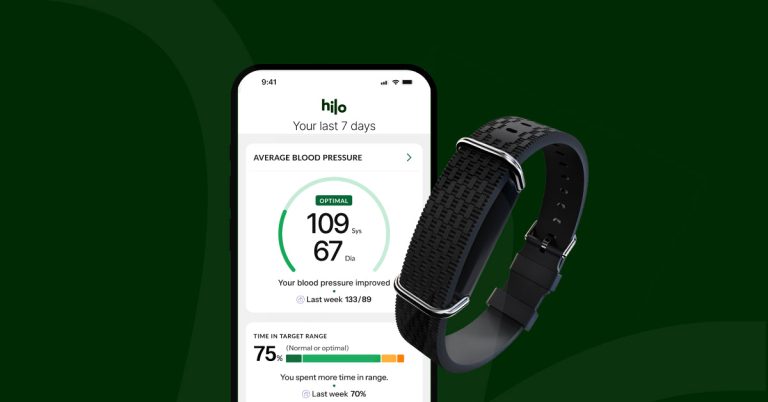
Aktiia Bracelet: 24/7 Cuffless Blood Pressure Monitoring From Your Wrist
A wrist worn bracelet that measures blood pressure continuously throughout the day and night using optical sensors, CE marked in Europe and awaiting FDA clearance in the United States. Presented…

The Protein Threshold for Aging Muscle: Why Adults Over 40 Need More Than Government Guidelines Suggest
Twenty years of research from Stuart Phillips, Donald Layman, and the PROT-AGE consortium has produced one of the cleanest signals in nutrition science: adults over 40 need more protein than…
Biobeat BB-613: FDA Cleared Cuffless Blood Pressure Monitoring for Clinical Use
The first FDA cleared cuffless blood pressure monitor designed for clinical and remote patient monitoring, using a chest worn patch to continuously track blood pressure, heart rate, respiratory rate, and…
