

The Daily Rounds: Longevity & Health Care Brief | April 4, 2026
Your daily briefing on the science of living longer, better. Covering the past 24 to 48 hours in longevity, medicine, and healthspan research.
Presented By Our Partners


🧠 NEUROLOGY & COGNITIVE HEALTH
🧠 Negative Valence Bias in the Brain Flags Depression and Anxiety Risk
A new study suggests that measuring a person’s “valence bias” — the brain’s tendency to interpret ambiguous situations as negative — could serve as an early biomarker for depression, anxiety, and other stress-related conditions. Researchers found that persistent negative valence bias in children and adults correlates with higher vulnerability to mental health disorders, opening a new window for early intervention. The findings underscore how subtle cognitive patterns may predict psychiatric risk long before clinical symptoms emerge.
📌 Read more → MedicalXpress
🧠 Treating High Blood Pressure May Significantly Cut Dementia Risk
A large study of nearly 34,000 adults aged 40 and older in rural China found that successfully controlling high blood pressure was associated with meaningful reductions in dementia risk. The research adds to a growing body of evidence linking cardiovascular risk factor management to long-term brain health. Hypertension control could become one of the most accessible and scalable tools in the global fight against cognitive decline.
📌 Read more → American Heart Association
❤️ CARDIOVASCULAR HEALTH
❤️ 60% of US Women Projected to Have Cardiovascular Disease by 2050
A new scientific statement published in Circulation projects that nearly 6 in 10 women in the United States will be living with some form of cardiovascular disease within the next 25 years. Researchers warn that rising obesity rates among girls as young as 2 to 19 years old are driving earlier and longer-lasting heart health risks. The findings call for urgent preventive action at the population level, particularly for younger female demographics.
📌 Read more → ScienceDaily
❤️ GLP-1 Medications Reduce Heart Attack and Stroke Risk by Up to 18%
A study published in Nature Medicine found that GLP-1 receptor agonists can reduce the risk of major cardiovascular events, including heart attack and stroke, by 13% to 18%. The research expands the known benefits of these drugs well beyond obesity and type 2 diabetes management. Cardiologists are increasingly considering GLP-1s as a frontline cardiovascular tool, not just a metabolic one.
📌 Read more → Circulation / AHA Journals
🫁 PULMONARY HEALTH & VO2 MAX
🫁 Aging Lung Cells Identified as the Engine Behind Severe COVID and Flu in Older Adults
Researchers at UC San Francisco discovered that aging lung fibroblasts trigger an exaggerated immune response to respiratory infections, creating clusters of inflammatory cells that damage lung tissue rather than protect it. In experiments, activating this aging signal in young mice caused their lungs to behave like those of older animals, producing severe illness. The study, published in Immunity, identifies specific cell populations that could become targets for drugs designed to protect older patients during respiratory illness.
📌 Read more → ScienceDaily
💪 MUSCLE MASS, STRENGTH & METABOLIC HEALTH
💪 Muscle Strength Strongly Predicts Longevity, Especially in Women Over 60
A study from the University at Buffalo found that women in the highest grip strength category had a 33% lower risk of death compared with those in the lowest group, and those with the fastest chair-stand times had a 37% lower mortality risk. Crucially, the protective effect held even among women who did not meet standard aerobic exercise guidelines. The research reinforces resistance training as a non-negotiable pillar of healthy aging, particularly for older females.
📌 Read more → UBNow / University at Buffalo
💪 Muscle Power Outperforms Strength as a Mortality Predictor
New research published in Mayo Clinic Proceedings compared muscle power and muscle strength as predictors of death in middle-aged and older adults. The hazard ratio for mortality comparing the lowest to highest categories of relative muscle power was 5.88 for men and 6.90 for women, making explosive power a stronger survival signal than raw strength alone. The findings suggest that training programs should incorporate power-focused movements, not just traditional resistance exercises.
📌 Read more → Mayo Clinic Proceedings
🦠 GUT MICROBIOME & IMMUNE HEALTH
🦠 Gut Bacteria Can Inject Proteins Directly Into Human Immune Cells
Scientists have discovered that certain gut microbes use microscopic injection systems to deliver proteins straight into human cells, actively modulating immune responses and metabolic pathways. The findings, published in March 2026, suggest this mechanism may play a key role in inflammatory conditions like Crohn’s disease. Understanding this bacterial communication channel could unlock a new class of microbiome-based therapies.
📌 Read more → ScienceDaily
Featured Partner
Invest in the Infrastructure Behind Modern Medicine
As healthcare expands beyond hospital walls, the buildings and campuses supporting that shift are generating compelling returns for investors who move early. The Healthcare Real Estate Fund offers qualified investors direct access to a curated portfolio of medical office, outpatient, and specialty care facilities.
Learn More →
🦠 Vitamin D May Help Rebalance the Immune System in IBD Patients
A 2026 study found that vitamin D supplementation in patients with inflammatory bowel disease and low baseline vitamin D levels was associated with a decrease in pro-inflammatory immune cells and an increase in regulatory T cells. These regulatory T cells help maintain immune tolerance, potentially easing the chronic gut inflammation characteristic of IBD. The results suggest vitamin D could serve as a low-cost adjunct to standard IBD treatment protocols.
📌 Read more → YourNews
🦠 Hidden Gut Bacteria Linked to Broad Markers of Good Health
A global study identified a mysterious bacterial group called CAG-170 that appears consistently in healthy individuals but is found at lower levels in people with a range of chronic diseases. Researchers believe CAG-170 could eventually serve as a reliable marker of gut microbiome health. Its discovery adds a new dimension to how clinicians might one day assess and optimize a patient’s gut ecosystem.
📌 Read more → ScienceDaily
🔬 CELLULAR HEALTH, SENOLYTICS & EPIGENETICS
🔬 Scientists Reframe Aging as a Loss of Biological Coordination, Not Cellular Defects
At the 2nd World Congress on Targeting Longevity, convening in Berlin April 8 to 9, 2026, researchers are advancing a new paradigm: aging may not be a collection of individual cellular defects but a progressive loss of coordination between biological systems including mitochondria, the microbiota, the immune system, and the epigenome. This systems-medicine view is reshaping drug development strategy by targeting cross-system communication rather than single molecular targets. The shift could accelerate the path to meaningful healthspan extension.
📌 Read more → EurekAlert
🔬 FDA Clears First Partial Epigenetic Reprogramming Trial in Humans
Life Biosciences, co-founded by Harvard geneticist David Sinclair, has secured FDA approval for a Phase 1 clinical trial using partial epigenetic reprogramming to restore vision in patients with glaucoma and other eye conditions. The therapy delivers a working copy of key reprogramming genes directly to retinal cells. It marks the first time “age reversal” biology has received a green light for a human clinical trial in the United States.
📌 Read more → Fortune
🔬 Senolytics and Senomorphics Advance With Dual Epigenetic Strategy
A new review in Biomolecules highlights the emerging convergence of senolytic therapy — which selectively destroys senescent cells — with epigenetic modulation, targeting the distinct DNA methylation and histone modification signatures that define these aging “zombie cells.” Combining epigenetic modulators with senolytics may offer greater precision than either approach alone, sparing healthy tissue while eliminating harmful senescent populations. Researchers are prioritizing clinical trials of combination strategies as the next frontier.
📌 Read more → Biomolecules / MDPI
🤖 AI IN MEDICINE & DRUG DISCOVERY
🤖 AI Unlocks Treatments for Previously Incurable Diseases
Researchers reported this week that artificial intelligence has enabled the discovery of two new antibiotic candidates effective against MRSA and drug-resistant gonorrhea, as well as new therapeutic strategies for Parkinson’s disease and rare lung disorders. The AI platform rapidly scanned massive chemical libraries to identify promising compounds, cutting discovery timelines from years to weeks. The findings represent a significant leap in AI’s ability to address diseases that have long resisted conventional drug development.
📌 Read more → Cambridge Today
🤖 Over 173 AI-Discovered Drug Programs Now in Clinical Development
As of early 2026, more than 173 drug candidates generated through AI-driven discovery are now in active clinical trials, with 80% to 90% Phase I success rates compared with the historical average of 40% to 65%. Between 15 and 20 of these programs are expected to enter pivotal trials this year alone. Industry analysts are calling 2026 a potential inflection point for AI-native medicines moving from labs to patients.
📌 Read more → MedCity News
🤖 MIT AI Screens Drug Targets 10 Million Times Faster Than Standard Methods
MIT researchers have developed an AI tool called DrugCLIP that can screen millions of potential drug compounds against thousands of protein targets in just a few hours, compared with years under conventional virtual screening. The tool combines contrastive learning with large biochemical datasets to match molecular structures to biological targets with unprecedented speed. Researchers say it could dramatically shorten the preclinical phase of drug development across virtually every disease category.
📌 Read more → MIT News
⌚ WEARABLES, BIOMARKERS & PRECISION HEALTH
⌚ Heart Rate Variability From Wearables Can Detect Systemic Inflammation
A systematic review published in Diagnostics confirmed that wearable-derived heart rate variability (HRV) data has meaningful clinical utility for detecting systemic inflammation, a key driver of aging and chronic disease. The review found consistent associations between low HRV and elevated inflammatory biomarkers across multiple study populations. As wearables become more accurate, HRV may emerge as a continuous, non-invasive inflammation monitor accessible to millions.
📌 Read more → Diagnostics / MDPI
⌚ Whoop Raises $575M From Abbott, Valuation Hits $10.1B
Health wearable maker Whoop closed a $575 million Series G funding round with medical device giant Abbott as a participant, bringing its valuation to $10.1 billion. The partnership signals deepening integration between consumer fitness tracking and clinical-grade health monitoring. Analysts expect the investment to accelerate Whoop’s push into precision health biomarkers, including continuous glucose monitoring and metabolic health scoring.
📌 Read more → MassDevice
🥗 NUTRITION & METABOLIC HEALTH
🥗 BMI Misclassifies More Than One-Third of Adults, DXA Study Finds
A new Italian study comparing BMI classifications with gold-standard DXA body-fat measurements found that over 34% of adults BMI-labeled as “obese” were actually in the overweight range, and more than half of those labeled “overweight” were in the wrong category entirely. The findings, set for presentation at the European Congress on Obesity in May 2026, call for routine inclusion of direct body-composition tools alongside BMI in clinical settings. The research adds momentum to a growing consensus that BMI alone is an inadequate health risk indicator.
📌 Read more → ScienceDaily
🥗 Japan’s “80% Full” Eating Practice Gains Scientific Traction
The traditional Okinawan practice of hara hachi bu — stopping eating when you feel 80% full — is attracting renewed scientific interest as a sustainable caloric restriction strategy linked to metabolic health and longevity. Researchers note that the practice promotes lower caloric intake without the psychological burden of strict dieting. Early findings suggest it may reduce inflammation and support healthy insulin signaling over time.
📌 Read more → ScienceDaily
🥗 Fasting-Mimicking Diet Shows Real Promise for Crohn’s Disease
A new clinical trial found that a five-day fasting-mimicking diet produced meaningful relief for patients with Crohn’s disease, a condition that has long lacked clear dietary interventions. Participants showed reduced markers of gut inflammation and reported symptom improvement during and after the dietary protocol. The findings open a potential non-pharmacological pathway for managing one of the most debilitating inflammatory bowel conditions.
📌 Read more → ScienceDaily
😴 SLEEP & CIRCADIAN HEALTH
😴 Stronger Circadian Rhythms Linked to Lower Risk of Heart Disease, Cancer, and Early Death
Analysis of UK Biobank actigraphy data found that individuals with higher circadian rhythm amplitude — meaning more pronounced daily activity-rest cycles — had significantly reduced risks across cardiovascular, metabolic, respiratory, and oncological outcomes, as well as lower all-cause mortality. The findings suggest that protecting and strengthening your body’s internal clock may be as important as diet or exercise for long-term health. Researchers are calling for circadian health to be integrated into standard preventive medicine frameworks.
📌 Read more → npj Biological Timing and Sleep / Nature
😴 Preventive Circadian Medicine Proposes Routine “Sleep Checkups”
A perspective published in npj Biological Timing and Sleep argues for a new model of preventive care built around regular assessment of circadian health, similar to how annual physicals track blood pressure or cholesterol. The authors outline tools and biomarkers that could standardize circadian evaluation in clinical practice. As research increasingly connects circadian disruption to accelerated aging, the case for proactive sleep medicine is growing stronger.
📌 Read more → npj Biological Timing and Sleep / Nature
📌 TODAY’S TOP TAKEAWAYS
- 🔬 Aging is a coordination failure — The 2026 World Congress on Targeting Longevity is reframing aging as a breakdown between biological systems, shifting strategy from single-target drugs to systems medicine.
- 🤖 AI drug discovery hits clinical scale — Over 173 AI-discovered drug programs are now in human trials with breakthrough Phase I success rates, and new tools can screen millions of compounds in hours.
- 🫁 Aging lung cells drive respiratory vulnerability — UCSF researchers pinpointed aging fibroblasts as the trigger for the deadly inflammatory overreaction that makes flu and COVID so dangerous in older adults.
- 🦠 Gut bacteria directly control immunity — Microbes inject proteins into human cells to manipulate immune responses, a discovery that could lead to an entirely new category of microbiome therapies.
- 💪 Muscle power predicts survival better than strength — Mayo Clinic Proceedings research shows explosive muscle power has a nearly 7x mortality differential between lowest and highest performers in older women.
Sources compiled from ScienceDaily, EurekAlert, Nature, MIT News, Mayo Clinic Proceedings, MedCity News, UC San Francisco, University at Buffalo, MassDevice, MDPI, and Fortune. Published: April 4, 2026.


Similar Posts
The Daily Rounds: Longevity & Health Care Brief | April 16, 2026
🔬 Senolytics Reduce Epigenetic Age: Lab data show senolytic compounds measurably lower biological age markers, with human pilot trials now exploring effects on mobility and cognition. 🧠 FTL1 Protein Drives Memory Decline: Scientists identified a specific protein that weakens brain cell connections with age, opening a new therapeutic target for cognitive preservation. 🤖 Novo Nordisk + OpenAI Partnership: The pharma giant is applying frontier AI to compress drug discovery timelines and accelerate patient access to novel medicines. 🦠 CAG-170 Bacteria Linked to Gut Health: A globally validated analysis found this rare bacterial group is a marker of health, producing B12 and stabilizing the gut ecosystem. 😴 Solar Jet Lag and Liver Cancer: A new federally backed study will probe whether circadian misalignment is an upstream cause of the most common form of liver cancer.
The Daily Rounds: Longevity & Health Care Brief | May 11, 2026
⚖️ Weight Management Protects Cognition: A 24-year cohort study shows managing BMI can measurably slow cognitive decline within two years, making weight one of the most actionable levers against brain aging. 🐀 Longevity Gene Transfer Works Across Species: Transferring a naked mole rat longevity gene into mice extended lifespan by 4.4% with less inflammation and stronger cancer resistance, validating cross-species longevity research as a path toward human applications. 🦠 Young Microbiome Halts Liver Aging in Mice: Transplanting gut bacteria from young animals into aging ones stopped liver deterioration and reduced cancer risk, positioning microbiome rejuvenation as a potent preclinical anti-aging strategy. 🤖 AI Drug Discovery Set to Double by 2031: The global market will reach $2.3 billion by 2031, with 80% of pharma organizations increasing AI investment and marking full operational integration of AI into pharmaceutical R&D pipelines. 🌬️ Wim Hof Benefits Compound Over Time: A 404-person randomized trial confirms the Wim Hof Method produces dose-dependent, progressive improvements in stress resilience and mental clarity, with gains accelerating across successive days of practice.

Genetic Mosaicism: Why No Two Cells in Your Body Are Identical
Genetic mosaicism is the condition of having different DNA in different cells of the same body. Every adult has it. A clear guide to mosaicism, chimerism, microchimerism, and the surprising…

Your Blood Sugar Is Aging You Faster Than You Think: What CGM Data From 10,000 Healthy Adults Reveals About Hidden Metabolic Decline
A landmark Nature study trained an AI model on over 10 million glucose readings from healthy adults and discovered that short-term blood sugar patterns predict diabetes and cardiovascular death up…
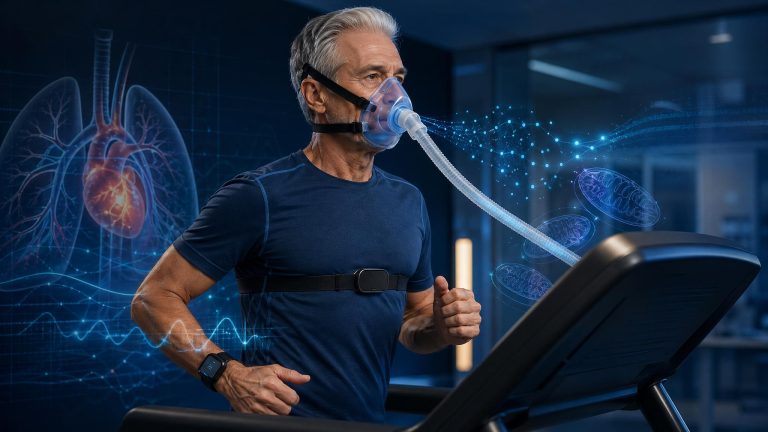
Your VO2 Max May Be the Single Best Predictor of How Long You Will Live: What 3.8 Million People and 58 Clinical Trials Reveal About Cardiorespiratory Fitness and the Science of Living Longer
A meta-analysis of 3.8 million people shows that each one-MET increase in cardiorespiratory fitness reduces all-cause mortality by 14 percent. A 2026 Cochrane review of 58 clinical trials confirms HIIT…

How to Shop for an MRI Without Getting Lost in the Price Maze
A practical guide to getting the right MRI at the right place without being blindsided by CPT codes, facility fees, radiologist bills, network rules, cash prices, and deductible math.
