PEP glycolytic metabolite suppresses cGAS-STING aging inflammation | Healthcare Discovery

Epigenetic Reprogramming Reaches Human Trials as AI Accelerates Longevity Drug Discovery

The FDA has cleared the first-ever human trial of epigenetic reprogramming longevity therapy, while an AI model published in Cell identifies new drug candidates at unprecedented speed. Together with a landmark Nature Aging study on epigenetic clocks, these breakthroughs signal that biological aging has become measurable, modifiable, and AI-acceleratable.
Age reversal and epigenetic longevity research | Healthcare Discovery
| |

Three Simultaneous Breakthroughs Are Rewriting the Science of Human Longevity

Three converging discoveries in longevity medicine are reshaping how scientists understand and target the aging process in 2026. From the first human epigenetic reprogramming trial to AI-driven drug discovery and a newly decoded gut-aging mechanism, these breakthroughs represent a pivotal convergence in the science of human longevity.

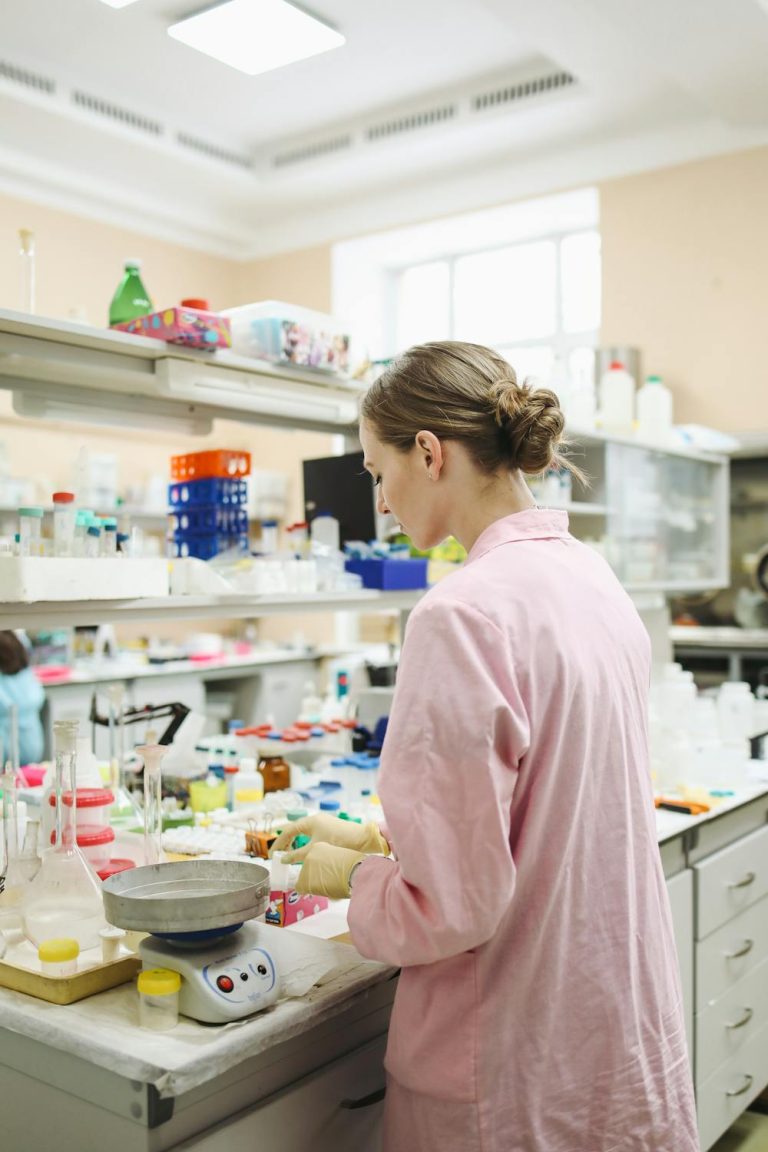
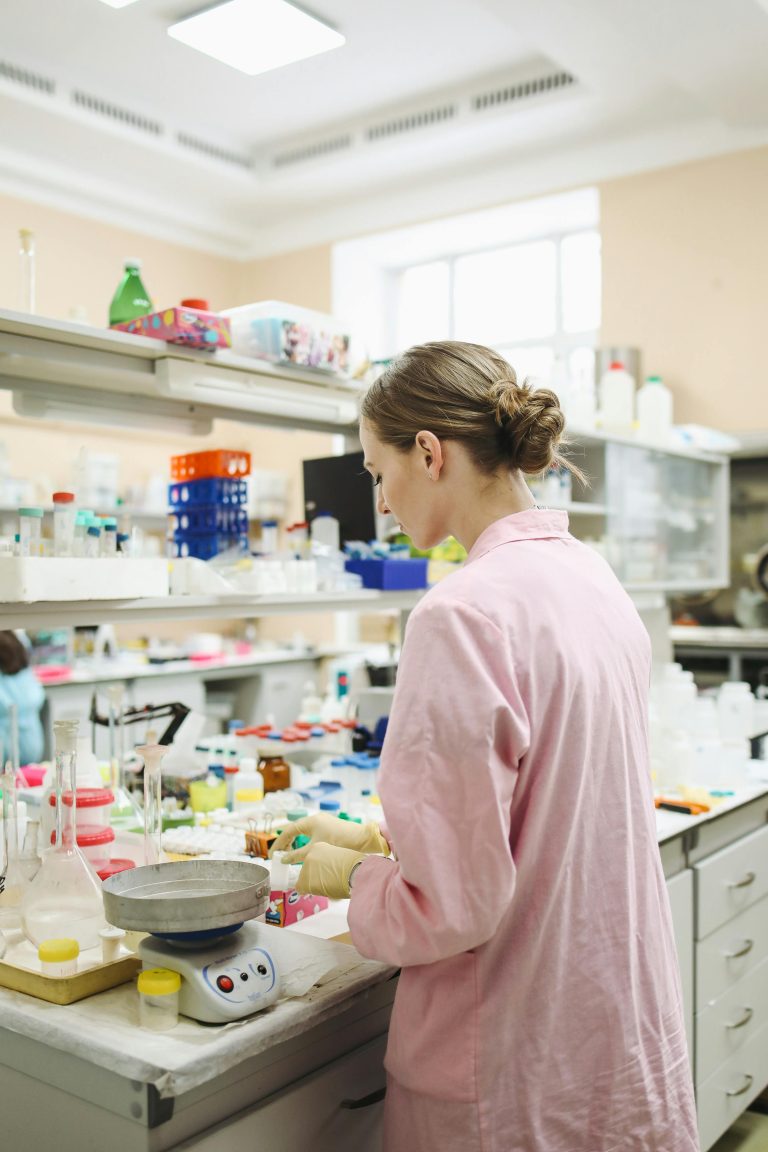
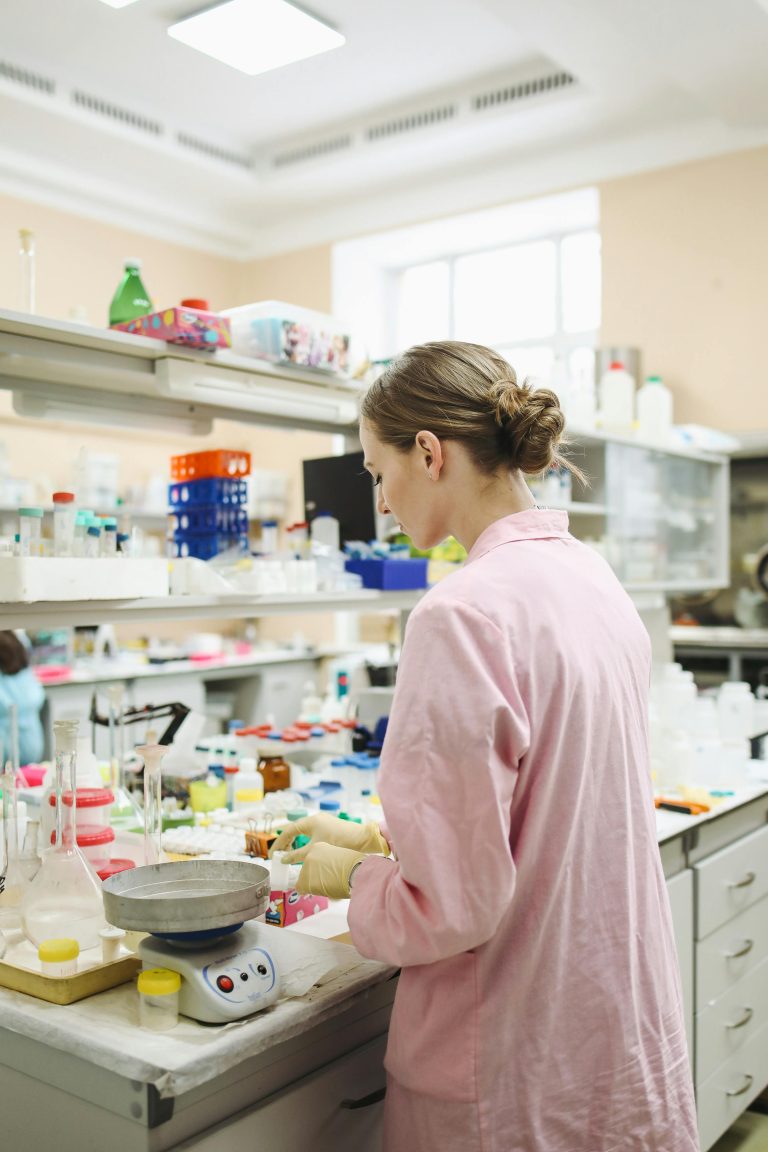
Scientist conducting AI drug discovery and biological aging research in a modern laboratory
| |

The Longevity Toolkit Takes Shape: AI Drug Discovery, Biological Age Clocks, and Microbiome Science Converge

A generative AI-designed drug has delivered clinical proof in a Phase IIa trial, while new biological age clocks and microbiome science are completing the precision longevity toolkit. Here is what it means for your health span.

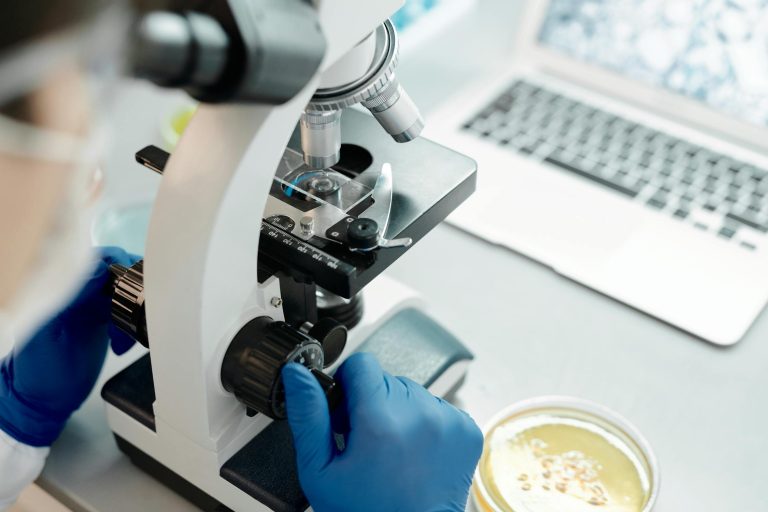
Scientist examining samples in a modern research laboratory representing longevity and epigenetic reprogramming breakthroughs
| |

Epigenetic Reprogramming Goes Human: Three Breakthroughs Signal a Turning Point for Longevity Science

The first human trial of partial epigenetic reprogramming has launched, an AI platform published in Cell is accelerating longevity drug discovery, and a landmark NEJM trial proves cardiovascular primary prevention works in patients who have never yet had a heart attack. Here is what it all means for the future of human healthspan.

Hand holding an hourglass against a natural backdrop, symbolizing epigenetic clocks and the velocity of biological aging
| |

Biological Aging Reversal in 2026: Gut Bacteria, NAD+ Balance, and Epigenetic Clocks Point the Way

Three landmark studies in late 2025 and early 2026 reveal that gut bacteria, cellular NAD+ balance, and epigenetic clock acceleration are key drivers of biological aging and, in animal models, can be reversed. Here is what the science means for the future of longevity medicine and for how you live today.

Scientist examining DNA and cellular reprogramming data in a longevity research laboratory
| |

Longevity’s Reprogramming Moment: AI Drugs, Cellular Epigenetics, and Gut Microbiome Science Converge

Three landmark breakthroughs in longevity reprogramming research 2026 are reshaping what science knows about human aging. An AI-designed drug proves itself in clinical trials, the first human epigenetic reprogramming trial launches, and gut bacteria are engineered into longevity factories.

Abstract 3D visualization of a digital brain and neural network representing AI-driven longevity medicine breakthroughs in heart disease, drug discovery, and Alzheimer's research
| |

Heart Disease at 30, AI-Discovered Cures, and Reversed Alzheimer’s: Longevity Medicine’s Landmark Week

Three landmark developments are rewriting the rules of longevity medicine: cardiovascular prevention now starting at age 30, an AI platform published in Cell discovering treatments for liver cancer and pulmonary fibrosis, and a compound that fully reverses advanced Alzheimer’s disease in animal models. The convergence of precision diagnostics, AI-accelerated drug discovery, and cellular energy science marks a turning point in the science of aging.

AI-powered gut microbiome stool test for colorectal cancer screening | Healthcare Discovery
| |

Longevity Breakthroughs 2026: Gut Bacteria, Epigenetic Reprogramming, and AI Converge at a Historic Inflection Point

Three landmark discoveries in early 2026 reveal how gut bacteria drive brain aging, epigenetic reprogramming enters its first human trial, and AI accelerates longevity science toward escape velocity.

Scientist studying biological age reversal research including epigenetic reprogramming and gut-brain axis data in a modern laboratory
| |

Gut Bacteria, NAD+, and AI Therapeutics: Three Breakthroughs Point Toward Reversing Biological Aging

New research from Stanford, Oslo, and Insilico Medicine reveals how gut bacteria, NAD+ depletion, and AI drug discovery are converging on reversing biological aging. Three breakthroughs, one accelerating frontier.

Scientist studying aging reversal and gut-brain axis connections in a modern biomedical laboratory
| |

From the Gut to the Genome: Three Converging Breakthroughs Redefine Aging Reversal in 2026

A landmark Nature study, the first FDA-cleared epigenetic reprogramming trial, and a next-generation AI drug discovery model converged in early 2026, signaling that aging reversal science has crossed into clinical reality. Here is what each breakthrough means and why together they matter more than any one alone.