From the Gut to the Genome: Three Converging Breakthroughs Redefine Aging Reversal in 2026
For decades, longevity science operated largely in the realm of hypothesis. Researchers identified pathways, proposed mechanisms, and generated compelling mouse data, but human translation remained elusive. The field was rich with promise and thin on clinical proof.
Presented By Our Partners



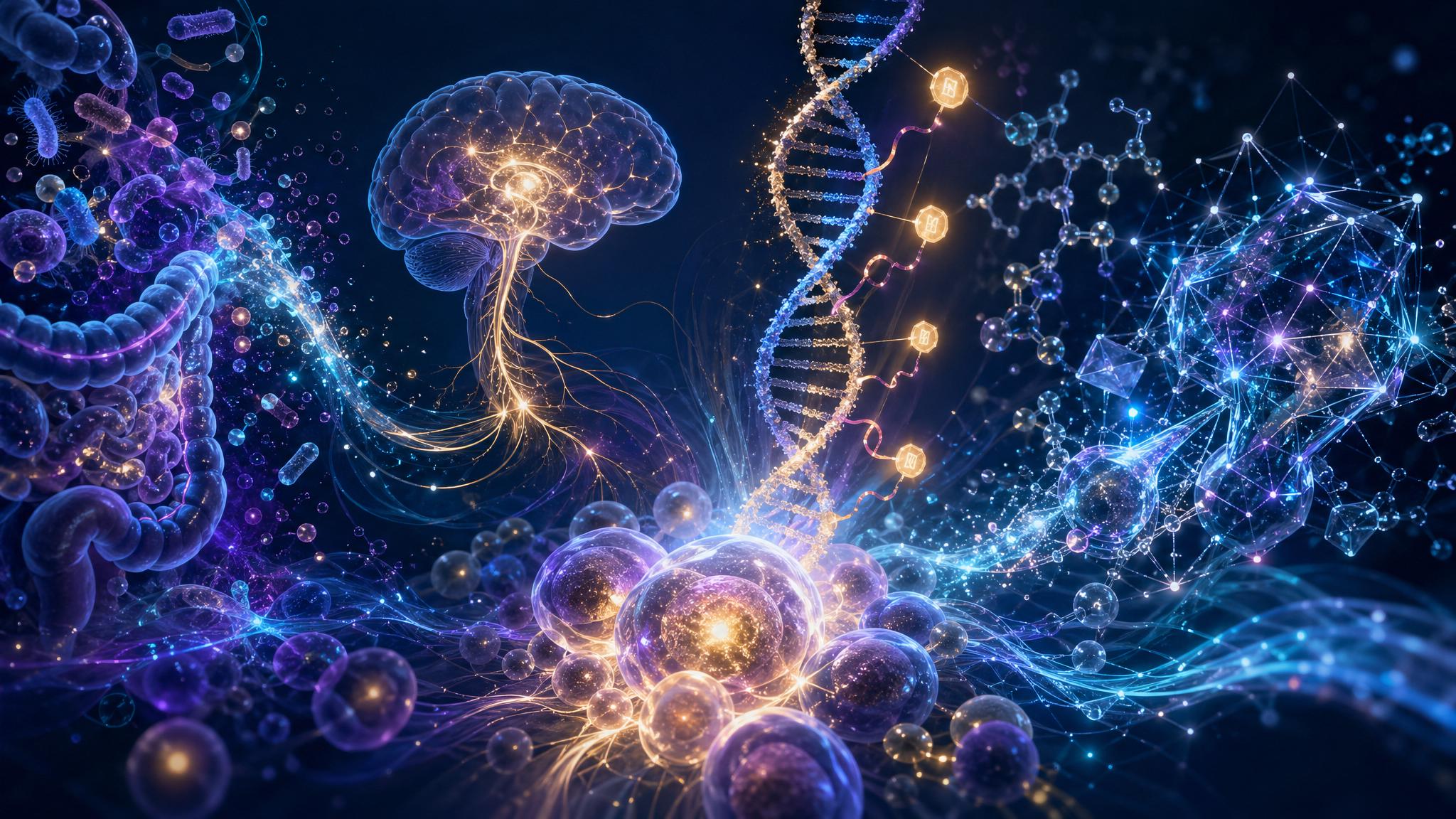
That ratio is shifting. In the first weeks of 2026, three developments landed in rapid succession: a landmark Nature study revealing how a specific gut bacterium hijacks the brain’s memory circuitry during aging, the first FDA-cleared human trial of epigenetic reprogramming technology, and a new AI model that outperforms systems ten times its size at drug discovery while running entirely on private infrastructure. Taken individually, each is significant. Taken together, they point to something larger: we are developing the tools to intervene in aging at multiple biological levels simultaneously. For those who track the concept of Longevity Escape Velocity, the idea that science can eventually extend healthy lifespan faster than time passes, 2026 is beginning to feel like a year of convergence.
A Bacterium That Steals Your Memory
The connection between the gut microbiome and brain health has been a subject of intense research interest for years. What has been harder to establish is a specific, mechanistic causal link: not just that gut composition changes with age and cognitive function declines with age, but that the former actually drives the latter through a defined molecular pathway. A study published on March 11, 2026, in Nature provides that link with unusual clarity.
The research, led by Timothy O. Cox and conducted under senior authors Christoph Thaiss of Stanford Medicine and the Arc Institute, and Maayan Levy, an innovation investigator at the Arc Institute, maps the aging microbiome with high resolution and traces its functional consequences across the full lifespan of mice. The paper, titled “Intestinal interoceptive dysfunction drives age-associated cognitive decline” (DOI: 10.1038/s41586-026-10191-6), identifies a specific culprit: as mice age, the relative abundance of a bacterium called Parabacteroides goldsteinii rises sharply in the gut.
What follows is a precisely mapped molecular cascade. P. goldsteinii produces medium-chain fatty acids, which activate a receptor called GPR84 on peripheral myeloid cells, the immune system’s frontline responders. That activation drives inflammation in the gastrointestinal tract, which impairs the function of vagal afferent neurons, the sensory fibers carrying signals from gut to brain along the vagus nerve. The interoceptive signal reaching the brain grows weaker, hippocampal function declines, and memory encoding deteriorates.
To confirm that the microbiome was causing these changes rather than merely accompanying them, the researchers co-housed young mice (two months old) with old mice (eighteen months old). Proximity caused the animals to exchange gut bacteria. Young mice that acquired an “old” microbiome performed significantly worse on novel object recognition tests and maze navigation challenges than peers who had not been exposed to aged gut communities. A microbial transfer had transferred a cognitive phenotype. This is what the research team and outside commentators at the journal called a “tour de force” experimental design: simple in execution, decisive in implication.
The Vagus Nerve as a Longevity Highway
The implications of this mechanism would be limited if the pathway ran in only one direction. The Cox et al. study found otherwise. Multiple distinct interventions could reverse the cognitive decline by restoring gut-brain communication. Antibiotic reduction of the bacterial burden, bacteriophage therapy targeting P. goldsteinii with precision, pharmacological inhibition of GPR84, and reactivation of vagal signaling through agents including capsaicin, cholecystokinin, GLP-1 agonists, and liraglutide all showed meaningful cognitive benefits in aged mouse models. Stimulating vagal activity in old mice restored their memory performance to levels comparable with much younger animals. The forgetful became sharp again.
This finding sits at the intersection of two of the six core longevity pillars: Gut Microbiome and Neurology. It does not merely describe a correlation; it provides actionable molecular targets. GPR84 inhibitors, GLP-1 agonists (a drug class already in widespread clinical use for metabolic conditions), and phage therapies targeting specific bacterial strains are all approaches either in practice or in advanced development. The translation distance between this mouse study and a viable human intervention strategy is shorter than typical. Research published in the Journal of Biomedical Science earlier this year by Floris de Waal and colleagues reinforces the context: centenarians who age well tend to maintain gut microbiomes that resemble those of people two to three decades younger, characterized by high diversity and low inflammatory burden. The Cox et al. paper now offers one specific mechanism by which that dysbiosis accelerates cognitive aging.
Featured Partner
Invest in the Infrastructure Behind Modern Medicine
As healthcare expands beyond hospital walls, the buildings and campuses supporting that shift are generating compelling returns for investors who move early. The Healthcare Real Estate Fund offers qualified investors direct access to a curated portfolio of medical office, outpatient, and specialty care facilities.
Learn More →
Resetting the Biological Clock: The First Human Epigenetic Reprogramming Trial
On January 28, 2026, Life Biosciences announced that the U.S. Food and Drug Administration had cleared its Investigational New Drug application for ER-100, making it the first cellular rejuvenation therapy using partial epigenetic reprogramming to receive FDA authorization to enter human clinical trials. The Phase 1 study (NCT07290244) will enroll patients with open-angle glaucoma and non-arteritic anterior ischemic optic neuropathy (NAION), two conditions in which optic neurons age, deteriorate, and lose function.
The science behind ER-100 draws on work pioneered by Shinya Yamanaka, who received the 2012 Nobel Prize in Physiology or Medicine for discovering that adult cells could be reprogrammed to a stem-like state by introducing four transcription factors, now known collectively as the Yamanaka factors. The challenge with full reprogramming is that it erases cellular identity, creating risks including uncontrolled proliferation and tumor formation. Life Biosciences, co-founded by Harvard Medical School professor of genetics David Sinclair and led by CEO Jerry McLaughlin, developed a partial approach: its Partial Epigenetic Reprogramming (PER) platform uses three of the four factors, OCT4, SOX2, and KLF4 (collectively referred to as OSK), in a controlled expression system designed to restore a younger epigenetic profile to cells without stripping them of their specialized function.
The choice of the eye as the first clinical target reflects strategic caution. The retina is immunologically privileged and anatomically isolated, minimizing systemic exposure during an early-stage safety study. ER-100 is delivered via intravitreal injection directly into the eye. In preclinical nonhuman primate studies, the platform demonstrated both safety and measurable improvement in visual outcomes, providing the evidence base required for FDA clearance. The Phase 1 trial began enrolling patients in the first quarter of 2026, with initial results expected by late 2026 or early 2027.
The meaning of this milestone reaches far beyond ophthalmology. Sinclair’s foundational Information Theory of Aging proposes that aging is driven not by mutations in the DNA sequence itself but by the progressive loss of epigenetic information: the system of molecular marks that instructs each cell which genes to express. If ER-100 can safely restore a younger epigenetic state in living human tissue, even in a single organ and a single disease indication, the platform principle becomes validated for potential application across tissues throughout the body. This is Cellular Health research operating at its most fundamental level, and it is now in human beings for the first time.
AI Drug Discovery Reaches a New Performance Threshold
While molecular biologists and clinicians work at the level of individual mechanisms and trials, a parallel revolution is advancing at the computational layer. On March 3, 2026, Insilico Medicine and Liquid AI announced a strategic partnership producing LFM2-2.6B-MMAI, a lightweight scientific foundation model built specifically for pharmaceutical research and deployable entirely on private, on-premise infrastructure.
The model’s headline achievement is performance efficiency at a scale previously unseen in the field. A single checkpoint with 2.6 billion parameters matches or outperforms systems ten times its size across the entire drug discovery pipeline, from ADMET (absorption, distribution, metabolism, excretion, and toxicity) screening to complex retrosynthesis planning to multi-parameter molecular optimization. On industry benchmarks, LFM2-2.6B-MMAI outperformed TxGemma-27B, a model with more than ten times the parameter count, on 13 of 22 pharmacokinetics and toxicology tasks, reached success rates of up to 98.8 percent on the MuMO-Instruct multi-parameter optimization benchmark, and delivered stronger correlation scores on molecular affinity prediction than several frontier general-purpose language models.
“With LFM2-2.6B-MMAI, we have shown that efficient architecture design, not just scale, is what makes foundation models practical for the sciences,” said Ramin Hasani, CEO of Liquid AI. “Our collaboration with Insilico is proof that you can reduce the cost of intelligence while raising the quality bar.” Alex Zhavoronkov, CEO of Insilico Medicine, added that highly efficient liquid science models “will make it easier for more scientists to achieve their goals in order to compress discovery timelines and ultimately help patients.”
The on-premise deployment capability carries substantial practical consequence. Drug discovery depends on proprietary molecular data, unpublished assay results, and competitive intellectual property that pharmaceutical companies cannot transmit to external cloud servers without legal and competitive risk. LFM2-2.6B-MMAI is compact enough to run on local hardware, placing frontier AI capabilities within reach of smaller biotech firms, academic research groups, and international institutions that lack the resources for large cloud-based pipelines. This democratizes access to discovery-grade AI.
For longevity science in particular, Insilico Medicine carries direct relevance. Its lead drug candidate, ISM001-055 (rentosertib), an AI-designed TNIK inhibitor for idiopathic pulmonary fibrosis, has completed Phase IIa clinical trials, becoming one of the first generative AI-designed drugs to reach advanced testing in humans. Research has also shown that the compound attenuates cellular senescence markers and the senescence-associated secretory phenotype (SASP), the inflammatory signal that senescent cells emit and that drives age-related tissue deterioration across multiple organs. Zhavoronkov has described 2026 as “the year of benchmarks,” with Insilico running up to a thousand benchmarks per program to identify dual-purpose targets that treat specific diseases while simultaneously modulating aging pathways.
Three Entry Points Into the Same Biology
Placed side by side, these three developments trace the full arc of the longevity pillar framework. The Cox et al. Nature paper operates within the Gut Microbiome and Neurology pillars, providing a defined microbial target, a molecular target, and a pathway target for cognitive aging. Life Biosciences operates within the Cellular Health pillar, initiating the first test of whether epigenetic reprogramming can restore biological youth in living human tissue. And the LFM2 model operates across all six pillars simultaneously, providing computational infrastructure to accelerate discovery wherever the science leads.
The deeper significance is systemic. Aging does not fail through a single mechanism; it fails through the progressive, cascading breakdown of coordination between biological systems. That reality is why single-target interventions have historically underperformed in aging research, and why the field’s current momentum comes from multi-pronged approaches attacking multiple nodes at once. The gut-brain axis paper shows how a microbial shift drives inflammatory cascades that disrupt neural signaling. The epigenetic reprogramming trial tests whether resetting the cellular clock can break a different link in that cascade. The AI model accelerates the discovery of molecules that could target any of these nodes, and do so faster than any human team working alone. These are not three separate stories. They are three coordinates on the same map.
What This Means for You
None of these developments represent interventions available at your pharmacy today. The ER-100 trial is in its earliest human safety phase; the gut-brain findings come from mouse models; and LFM2 is a research platform rather than a clinical product. What they represent, however, is the compression of timelines. Mechanisms that were theoretical five years ago are being tested in humans today. GLP-1 agonists, which restored memory in aged mice via vagal reactivation in the Cox et al. study, are already in widespread clinical use for metabolic health. The aging gut microbiome is already accessible to measurement and modification through dietary strategy, targeted probiotics, and emerging phage therapies. The actionable insight from this week’s research is that the biology of cognitive aging and the biology of cellular aging are not fixed trajectories. They are addressable systems, and the tools to address them are arriving on an accelerating curve.
The Horizon Ahead
Ray Kurzweil has long argued that Longevity Escape Velocity, the point at which science extends healthy lifespan faster than time elapses, will arrive within the current generation. The developments of early 2026 make that trajectory feel less speculative and more like a sequence of measurable checkpoints. A specific gut bacterium has been shown to drive cognitive aging through a reversible molecular pathway. The first human test of biological age reversal is now enrolling patients. An AI model capable of powering the discovery of tomorrow’s interventions is running on private servers today. Longevity science is no longer asking whether aging can be addressed. It is asking, at every level of biology simultaneously, how quickly.
Sources:
Cox T.O., Thaiss C.A., Levy M. et al., “Intestinal interoceptive dysfunction drives age-associated cognitive decline,” Nature, March 11, 2026. DOI: 10.1038/s41586-026-10191-6
PubMed: Intestinal interoceptive dysfunction drives age-associated cognitive decline. PMID: 41813891
Stanford Report: “Gut bacteria changes linked to memory decline in aging mice,” March 2026
Arc Institute: “We Found That The Gut Can Drive Age-Associated Memory Loss. Now What?” March 2026
Life Biosciences: “FDA Clearance of IND Application for ER-100 in Optic Neuropathies,” GlobeNewswire, January 28, 2026
ClinicalTrials.gov: NCT07290244, Evaluating ER-100 for Optic Neuropathies, Phase 1
Fortune: “Life Biosciences Gets FDA Approval for First Partial De-Aging Human Trial,” January 30, 2026
Insilico Medicine and Liquid AI: “Strategic Partnership Delivering Lightweight Scientific Foundation Models for Drug Discovery,” PR Newswire, March 3, 2026
Zhavoronkov A. et al., “A generative AI-discovered TNIK inhibitor for idiopathic pulmonary fibrosis: a randomized phase 2a trial,” PubMed. PMID: 40461817
De Waal F. et al., “From dysbiosis to longevity: a narrative review into the gut microbiome’s impact on aging,” Journal of Biomedical Science, 2025


Similar Posts
MIT, ASU, and the New Frontier of Protein Motion: Why Drug Discovery Is Moving Beyond Static Structure
Two university-led advances point to the next chapter in AI-enabled drug discovery. MIT’s VibeGen designs proteins by their motion profiles. ASU’s fast sampling method accelerates access to conformational landscapes. Together,…

How Adrian Woolfson Is Helping Medicine Move From Reading DNA to Writing It
Adrian Woolfson trained under a Nobel laureate at Cambridge, ran global oncology programs at the world’s largest pharmaceutical companies, and led research and development at Sangamo Therapeutics during the first…

The AI Scientists Are Already Running the Lab: How Autonomous Multi-Agent Systems Are Reinventing Drug Discovery
A new generation of AI systems does not just assist scientists; it organizes itself into research teams, designs experiments, debates hypotheses, and identifies drug candidates at speeds no human laboratory…

Your Immune System Is Aging Because Your Mitochondria Are Failing: How Mitophagy Activation Is Reversing Immune Decline in Clinical Trials
A landmark clinical trial published in Nature Aging shows that urolithin A, a natural mitophagy activator, rejuvenated immune cell populations in middle-aged adults in just 28 days. The MitoImmune trial…
Myokines and the Muscle Brain Axis: What 2026 Research Reveals About Strength Training and Longevity
New 2026 research on myokines, the signaling proteins released by contracting muscle, shows why strength training is a cognitive intervention. Here is what the science reveals about irisin, cathepsin B,…

Seven Days Off Plastic Cut Endocrine Disruptors in Half: Inside the PERTH Trial
A new Nature Medicine randomized controlled trial shows seven days of avoiding plastic in food, kitchenware, and personal care cut urinary phthalates by more than 44 percent and bisphenols by…