
Gut Bacteria, NAD+, and AI Therapeutics: Three Breakthroughs Point Toward Reversing Biological Aging
Aging has long been understood as a single, inevitable trajectory. You grow older; your organs wear down; medicine manages the symptoms as best it can. That framing is becoming obsolete. In the span of just a few weeks, three landmark research developments have arrived from Stanford University, the University of Oslo, and the world of AI-powered drug development, each attacking a different root mechanism of biological aging. Together, they represent something far more significant than isolated scientific curiosity. They represent a convergence: the beginning of an era in which aging’s underlying machinery can be identified, interrupted, and in some cases reversed.
Presented By Our Partners



For those tracking the path toward Longevity Escape Velocity, the rate at which science gains ground on aging faster than individuals age, this moment matters. The tools are no longer theoretical. Clinical trials are publishing positive results. Animal models are showing reversal. Expert consensus published in Nature Aging is coalescing around specific molecular targets. The frontier is moving, and it is moving fast.
The Gut Has Been Running Your Brain All Along
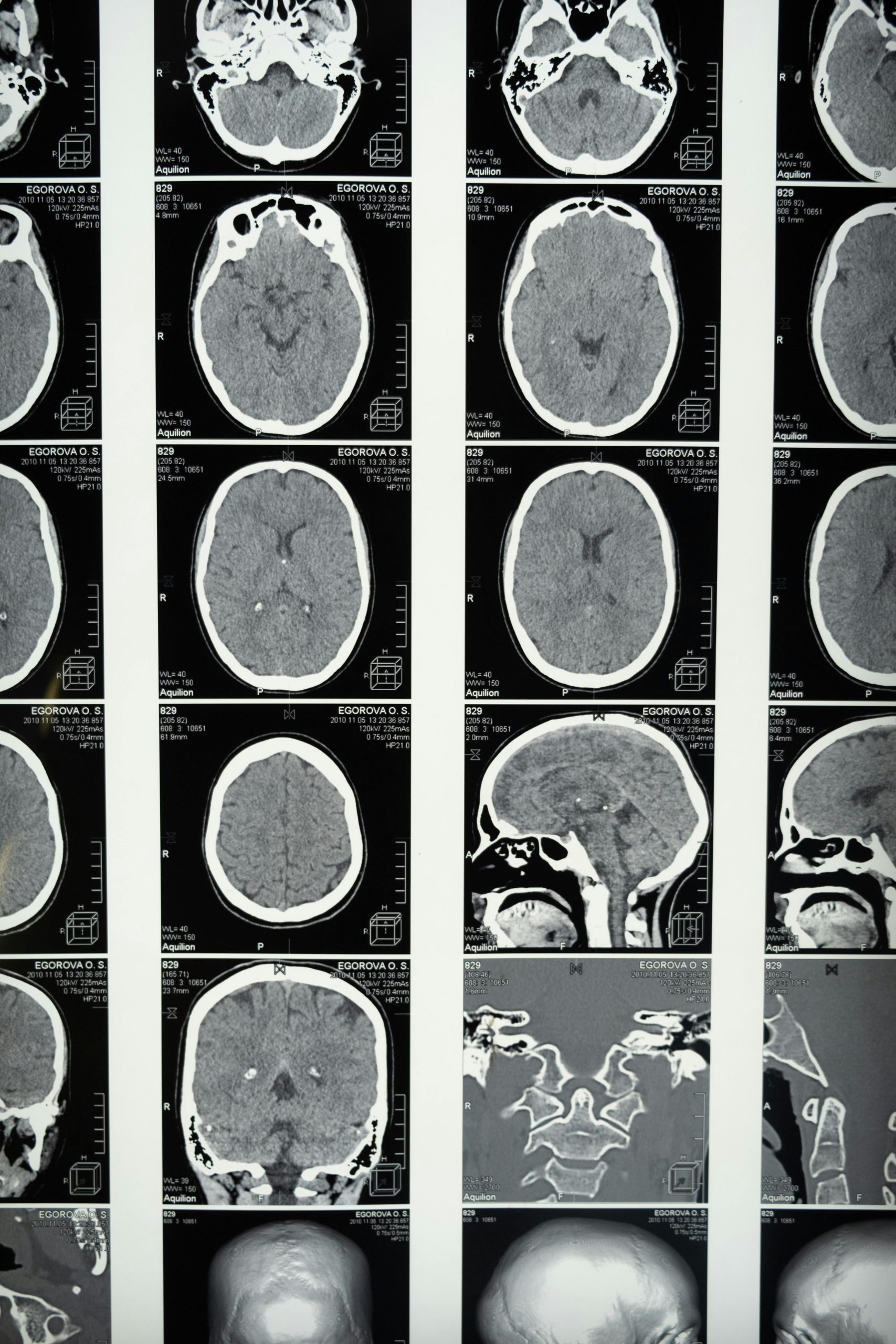
The most striking finding of the week comes from the laboratories of Stanford Medicine and the Arc Institute in Palo Alto. Published March 11 in Nature, the study identified a precise, step-by-step biological pathway through which changes in the aging gut microbiome directly cause cognitive decline in the brain. It is not merely a correlation. Researchers traced a causal chain from specific gut bacteria to inflammatory signaling to vagus nerve disruption to memory failure in the hippocampus, and then, crucially, they reversed it.
The mechanism works as follows. As mammals age, the composition of bacteria in the gut shifts. One bacterium in particular, Parabacteroides goldsteinii, becomes increasingly prevalent in older animals. This bacterial imbalance drives the accumulation of metabolites called medium-chain fatty acids, which in turn trigger gut immune cells to initiate a low-grade but persistent inflammatory response. That inflammation travels upward through the vagus nerve, the long neural highway connecting the digestive system to the brain. The hippocampus, the seat of memory formation and spatial navigation, receives degraded signals. Old mice lose their ability to remember novel objects and navigate mazes. They become, in measurable, testable terms, cognitively old.
What happened when researchers stimulated vagus nerve activity directly in these aged animals? The forgetful mice performed as nimbly as young ones. Spatial memory returned. Object recognition normalized. The researchers were not slowing cognitive decline. They were reversing it, by restoring the quality of communication between gut and brain.
The Stanford Medicine and Arc Institute researchers are now investigating whether this same gut-vagus-hippocampus pathway operates in humans. Early indicators suggest it does. The clinical implications are enormous: interventions targeting gut microbiome composition, vagal tone enhancement through breathwork and electrical stimulation, and reduction of medium-chain fatty acid accumulation could become frontline strategies in the prevention and treatment of age-related cognitive decline, including Alzheimer’s disease.
Inflammation Is the Link, and the Gut Is the Source
The Stanford findings sit within a rapidly expanding body of work on what researchers call “inflammaging,” the chronic, low-grade inflammatory state that accumulates with age and drives pathology across virtually every organ system. A comprehensive review published in the Journal of Biomedical Science by Springer Nature in early 2026 traced the relationship between age-related gut dysbiosis and systemic inflammation through several molecular pathways, including TNF-alpha signaling and the disruption of the gut-intestinal barrier.
What the Stanford paper adds is specificity. Rather than describing inflammaging as a diffuse systemic phenomenon, researchers have now identified a named bacterium, a named class of metabolites, and a named neural pathway. That level of mechanistic detail transforms the field. It means interventions can be designed with precision rather than hope. It means biomarkers can be developed to detect early dysfunction long before cognitive symptoms emerge. It means the path from gut health to brain health is no longer a hypothesis; it is a mapped circuit.
The implications extend beyond neurology. Age-related gut dysbiosis has been linked to cardiovascular disease, metabolic disorders, and immune dysfunction. The Stanford pathway is one branch of a larger tree. Researchers studying centenarian populations have consistently noted elevated levels of Akkermansia muciniphila, Bifidobacterium, and Oscillospira, bacteria associated with gut barrier integrity and reduced inflammatory signaling. The message from the microbiome literature is increasingly clear: the health of your gut in middle age will substantially determine the trajectory of your brain in older age.
Featured Partner
Invest in the Infrastructure Behind Modern Medicine
As healthcare expands beyond hospital walls, the buildings and campuses supporting that shift are generating compelling returns for investors who move early. The Healthcare Real Estate Fund offers qualified investors direct access to a curated portfolio of medical office, outpatient, and specialty care facilities.
Learn More →
NAD+: The Cellular Fuel That Powers Every System
While Stanford was mapping the gut-brain axis, researchers in Oslo were publishing a different kind of landmark work. An expert review authored by scientists at the University of Oslo and Akershus University Hospital, published in Nature Aging in late March 2026, synthesized years of evidence on nicotinamide adenine dinucleotide, known as NAD+, and its role in age-related disease.
NAD+ is not a supplement trend. It is a fundamental coenzyme present in every living cell, required for energy metabolism, DNA repair, mitochondrial function, and cellular communication. The problem is that NAD+ levels decline steadily with age, often by 50 percent or more between the ages of 40 and 70. This decline correlates with the hallmarks of aging: mitochondrial dysfunction, accumulating DNA damage, impaired cellular cleanup (autophagy and mitophagy), and the onset of neurodegenerative disease.
The Oslo review, whose lead author Dr. Jianying Zhang stated that “fine-tuning NAD+ metabolism holds promise for delaying age-related health decline as well as diseases such as premature ageing diseases,” drew a direct line between declining NAD+ levels and the progression of Alzheimer’s and Parkinson’s disease. Neurons are among the most metabolically demanding cells in the body. When their NAD+-dependent energy production falters, the consequences cascade through memory, motor control, and cognition.
The clinical evidence is no longer limited to animal models. A double-blind, randomized, crossover, placebo-controlled trial conducted by researchers at Chiba University and published in Aging Cell in 2025 evaluated daily nicotinamide riboside (NR) supplementation in patients with Werner syndrome, a rare genetic condition that causes accelerated aging. The results were striking: 1,000 mg of NR daily raised blood NAD+ levels by approximately 140 percent. Patients showed improved cardiovascular function (measured by cardio-ankle vascular index), reduced skin ulcer area, and decreased plasma creatinine, a marker of kidney function. Adverse events were minimal and resolved upon discontinuation.
Werner syndrome is, in essence, a compressed version of normal aging, making it a uniquely valuable model for anti-aging interventions. When NR demonstrably reverses markers of cardiovascular aging, skin tissue breakdown, and kidney decline in Werner patients, the signal for its broader application in healthy aging becomes considerably stronger. The Oslo reviewers noted that NR and its related compound NMN (nicotinamide mononucleotide) represent the most clinically accessible means of restoring NAD+ levels in humans, while calling for more research on optimal dosing and long-term safety profiles.
AI Writes Its First Prescription
The third pillar of this week’s longevity science convergence arrived not from a university laboratory but from an AI platform. Published in Nature Medicine in 2025 and now representing the clearest proof of concept in the field, Insilico Medicine’s Phase IIa trial of rentosertib (formerly ISM001-055) marked a genuine historical milestone: the first randomized, controlled clinical trial of a drug in which both the disease target and the molecular compound were discovered entirely by generative artificial intelligence.
The target in question is TNIK, a kinase whose role in idiopathic pulmonary fibrosis (IPF) was identified through Insilico’s proprietary generative AI platform, Pharma.AI. IPF is a progressive and fatal scarring of the lungs for which existing treatments slow progression but do not reverse it. TNIK’s involvement was not known from prior human research. The AI found it by analyzing disease biology at a scale no human research team could replicate.
The GENESIS-IPF trial enrolled 71 patients with IPF across 22 sites in China, randomizing them to placebo or three dose levels of rentosertib over 12 weeks. The highest dose group, receiving 60 mg once daily, showed a mean improvement in forced vital capacity (FVC, a key measure of lung function) of +98.4 mL. The placebo group declined by an average of 20.3 mL. That is a reversal, not a slowing. Exploratory biomarker analyses confirmed that the AI-identified TNIK mechanism was operating as predicted, validating both the target identification and the therapeutic approach.
The broader significance reaches far beyond pulmonary fibrosis. The Insilico result establishes that generative AI can compress the drug discovery timeline from a decade or more to a fraction of that time, can identify targets that human researchers would not have found, and can produce compounds with genuine clinical efficacy. Multiple other AI-designed drugs are now in clinical trials across therapeutic areas ranging from oncology to metabolic disease. Zasocitinib (TAK-279), an AI-originated tyrosine kinase 2 inhibitor, has advanced into Phase III trials. The pipeline is not a curiosity; it is a functioning industry.
Where Three Breakthroughs Meet: The Six Pillars of Longevity
The reason these three stories matter together, rather than in isolation, is that they illuminate the six longevity pillars from multiple directions simultaneously. Stanford’s gut-brain findings speak directly to the Neurology and Gut Microbiome pillars, demonstrating that the pathway from microbial health to cognitive performance is not metaphorical but mechanistic, traceable, and reversible. The NAD+ review and Werner trial illuminate the Cellular Health pillar, showing that the energy infrastructure of the aging cell is addressable through accessible, safe supplementation. The Insilico rentosertib data belongs to the Pulmonary pillar while simultaneously advancing the frontier of AI-accelerated drug discovery that will eventually reach every pillar, including Cardiovascular, Muscular, and beyond.
What binds these three together is a shared philosophical shift: from aging as destiny to aging as mechanism. Each breakthrough identifies a specific lever, a bacterial species, a coenzyme, an AI-discovered kinase, rather than offering a vague directive to “live healthier.” The science is becoming precise enough to generate interventions, measure their effects, and iterate toward better outcomes. That is the operational definition of accelerated discovery.
The gut-brain-vagus axis points toward microbiome therapeutics, vagal nerve stimulation devices, and dietary strategies targeting specific bacterial populations. NAD+ research points toward precision supplementation protocols tied to biological age testing and NAD+ blood level monitoring. The AI drug discovery paradigm points toward a future in which thousands of disease targets are simultaneously explored by computational systems, and the drugs that emerge are purpose-built at the molecular level for maximum efficacy and minimum off-target effects.
What This Means for You
The practical takeaways from this week’s research are not abstract. Protecting and cultivating a diverse gut microbiome through fiber-rich nutrition, fermented foods, and reduced inflammatory inputs is not merely digestive hygiene; it is active neuroprotection. Monitoring and supporting NAD+ levels, whether through targeted supplementation with NR or NMN, consistent aerobic exercise (a proven NAD+ booster), and adequate sleep, is cellular maintenance with direct relevance to brain and cardiovascular longevity. And following the AI drug discovery pipeline, particularly as trials move into Phase III and begin targeting aging itself rather than its downstream diseases, is the most rational way to anticipate the interventions that will be available within this decade.
A Frontier Advancing Faster Than We Age
Ray Kurzweil’s concept of Longevity Escape Velocity, the point at which science adds more than a year of healthy life expectancy for every year that passes, has long seemed like optimistic futurism. The research of March 2026 makes it feel less distant. When a gut bacterium’s metabolic output can be identified as a cause of Alzheimer’s-like cognitive decline and then reversed in a living animal, when a supplement can raise cellular energy currency by 140 percent and reverse cardiovascular aging markers in a human clinical trial, when an AI system can discover both a drug target and its molecular antidote and prove efficacy in a randomized controlled trial, the arc of progress is bending sharply. The next decade of longevity medicine will not look like the last. The machinery of aging is being decoded, one mechanism at a time, and the pace of that decoding is accelerating.
Sources:
Stanford Medicine, “Enhancing gut-brain communication reversed cognitive decline, improved memory formation in aging mice,” March 2026
Stanford Report, “Gut bacteria changes linked to memory decline in aging mice,” March 2026
EurekAlert, “Enhancing gut-brain communication reversed cognitive decline, improved memory formation in aging mice,” March 2026
Insilico Medicine et al., “A generative AI-discovered TNIK inhibitor for idiopathic pulmonary fibrosis: a randomized phase 2a trial,” Nature Medicine, 2025
PubMed, “A generative AI-discovered TNIK inhibitor for idiopathic pulmonary fibrosis: a randomized phase 2a trial,” 2025
Shoji et al., “Nicotinamide Riboside Supplementation Benefits in Patients With Werner Syndrome: A Double-Blind Randomized Crossover Placebo-Controlled Trial,” Aging Cell, 2025
ScienceDaily, “Scientists say NAD+ could slow aging and fight Alzheimer’s and Parkinson’s,” March 24, 2026
Journal of Biomedical Science, “From dysbiosis to longevity: a narrative review into the gut microbiome’s impact on aging,” 2025
npj Metabolic Health and Disease, “The role of NAD+ metabolism and its modulation of mitochondria in aging and disease,” 2025


Similar Posts

The U.S. Government Just Made Its Biggest Bet on Healthy Aging: Inside ARPA-H’s $144 Million PROSPR Program
ARPA-H’s $144 million PROSPR program is testing rapamycin, semaglutide, and dapagliflozin in 726 healthy older adults, funding a first-in-humans trial of a retrotransposon-silencing HIV drug, and building a validated biological healthspan score. It is the largest federal commitment to extending human healthspan ever assembled.

Study Reveals the Three Waves of Aging: When Your Body Shifts Gears at 44, 50, and 60
Two landmark studies reveal that human aging is not gradual. Your body undergoes three distinct molecular upheavals around ages 44, 50, and 60, with blood vessels leading the decline. Here is what the science says and what you can do about it before these waves hit.
Abbott FreeStyle Libre 3 Plus: Extended 15-Day Continuous Glucose Monitoring
One extra day of sensor wear may not sound transformative. Across millions of users, it changes the economics and convenience of continuous glucose monitoring. Presented By Our Partners In the world of continuous glucose monitoring, sensor longevity is one of the most consequential design variables. Every sensor change introduces a gap in data, a moment…
Naked Labs 3D Body Scanner: Full-Body 3D Scanning and Visual Body Composition at Home
A number on a scale cannot show you where your body is changing. A 3D scan can show you exactly where you are gaining muscle and losing fat, down to the millimeter. Presented By Our Partners Body composition measurement has historically been a numbers game: body fat percentage, muscle mass in kilograms, visceral fat ratings….
Hyperice Hypervolt 2 Pro: Smart Percussive Therapy with HyperSmart Sensor Technology
The best massage gun is the one that adapts to what your body needs, not the one that simply delivers the most force. Presented By Our Partners Percussive therapy has grown from a niche athletic recovery tool into a mainstream wellness category, with devices available at every price point from $30 to $600. Amid this…
Fitbit Sense 2: Continuous Stress Monitoring With ECG and Electrodermal Activity at an Accessible Price
The only mainstream smartwatch combining FDA cleared ECG with continuous electrodermal activity sensing, Fitbit Sense 2 brings clinical grade heart rhythm screening and real time stress biology monitoring to a sub $250 price point. Presented By Our Partners Chronic psychological stress does not stay psychological. It rewires the body. Sustained elevation of cortisol and adrenaline…
