
The Daily Rounds: Longevity & Health Care Brief | May 12, 2026
Your daily briefing on the science of living longer, better. Covering the past 24 to 48 hours in longevity, medicine, and healthspan research.
Presented By Our Partners



🧠 NEUROLOGY & COGNITIVE HEALTH
🧬 SuperAgers Produce Twice as Many New Brain Neurons as Their Peers
A landmark study published in Nature reveals that adults in their 80s and beyond who maintain memory performance comparable to people decades younger generate between two and two-and-a-half times more new hippocampal neurons than typical older adults, including those with Alzheimer’s disease. Northwestern researchers identified a distinct “resilience signature” in SuperAger brains involving changes to astrocytes and CA1 neurons that sustain neurogenesis and protect cognitive function into late life. The findings open new therapeutic avenues targeting hippocampal neurogenesis to prevent age-related memory decline.
🕐 Fragmented Circadian Rhythms Accelerate Brain Atrophy in Older Adults
Johns Hopkins Bloomberg School of Public Health researchers found that older adults with disrupted rest-activity circadian rhythms experience measurably faster brain volume loss over time compared to those with regular daily activity patterns. The association was independent of sleep duration, suggesting that circadian rhythm fragmentation operates as a distinct pathway to neurodegeneration beyond simply inadequate sleep. Researchers say the findings add circadian regularity to the growing list of modifiable factors that may slow age-related brain atrophy.
📌 Read more → Johns Hopkins Bloomberg School of Public Health
❤️ CARDIOVASCULAR HEALTH
🏮 800-Year-Old Chinese Exercise Matches Medications for Blood Pressure Control
A multicenter randomized controlled trial published in JACC found that Baduanjin, a traditional mind-body practice combining slow structured movements, breathing, and meditation, reduced 24-hour systolic blood pressure by approximately 3 points and office-measured BP by 5 points — outcomes comparable to both a brisk walking program and front-line antihypertensive medications. The yearlong study across 216 participants with stage 1 hypertension found the benefits appeared within three months and were sustained through the end of the trial. Researchers say the results make Baduanjin a clinically credible, equipment-free option for primary blood pressure management.
📌 Read more → ScienceDaily / JACC
💊 Semaglutide Delivers 15% Weight Loss and Cardiometabolic Benefits in Adults Over 65
A new pooled analysis of the STEP clinical trial program presented at the European Congress on Obesity 2026 found that adults aged 65 or older taking semaglutide 2.4 mg lost an average of 15.4% of body weight over 68 weeks, versus 5.1% on placebo, with nearly half surpassing 15% weight loss and significant improvements in cardiometabolic markers. The safety profile matched that of the broader trial population, addressing longstanding uncertainty about whether GLP-1 agonists are equally effective and tolerable in older patients. Clinicians say the findings significantly strengthen the case for semaglutide as a first-line metabolic intervention for older adults managing obesity-related cardiovascular risk.
📌 Read more → ScienceDaily / ECO 2026
💪 MUSCLE MASS, STRENGTH & METABOLIC HEALTH
🚶 New Analysis Identifies 8,500 Daily Steps as Key Threshold for Sustained Weight Maintenance
A new international analysis finds that walking approximately 8,500 steps per day is strongly associated with successfully keeping weight off after dieting, offering a concrete and achievable activity target for the tens of millions who regain lost weight within two years of diet-based interventions. The step threshold appears to activate metabolic and hormonal regulatory mechanisms that buffer against the body’s natural drive to restore prior weight following caloric restriction. Researchers say the finding gives clinicians a practical behavioral prescription that can significantly improve long-term weight management outcomes.
🏋️ Salk Institute Links Both Aerobic and Strength Training to Reduced Alzheimer’s Risk Via Muscle-Brain Signaling
Researchers at the Salk Institute are investigating how aerobic exercise and resistance training activate shared molecular pathways that protect cognitive function, including mechanisms by which muscle-derived signaling molecules appear to shield the aging brain from neurodegeneration. The research program is examining why muscle strength independently predicts lower Alzheimer’s risk, pointing toward myokines and metabolic crosstalk as candidate mediators. Scientists say understanding these pathways could yield both exercise-based prescriptions and pharmacological targets that replicate exercise’s neuroprotective effects.
Featured Partner
Invest in the Infrastructure Behind Modern Medicine
As healthcare expands beyond hospital walls, the buildings and campuses supporting that shift are generating compelling returns for investors who move early. The Healthcare Real Estate Fund offers qualified investors direct access to a curated portfolio of medical office, outpatient, and specialty care facilities.
Learn More →
🔬 CELLULAR HEALTH, SENOLYTICS & EPIGENETICS
🧪 Three-Day Senolytic Treatment Measurably Reduces Epigenetic Age in Human Immune Cells
New research demonstrates that a brief, three-day senolytic treatment protocol applied to human peripheral blood mononuclear cells produced a measurable reduction in epigenetic age as assessed by DNA methylation clocks, providing direct cellular-level evidence that clearing senescent cells reverses molecular aging signatures. The findings suggest that short-burst senolytic regimens, rather than chronic dosing, may be sufficient to produce meaningful epigenetic rejuvenation while minimizing systemic side effects. Researchers say the results support advancing senolytic pilot trials focused on epigenetic aging endpoints alongside traditional functional and clinical outcomes.
📌 Read more → Biomolecules / MDPI
🔭 ACS Pharmacology Review Maps Multi-Target Geroscience Strategies for Delaying Multimorbidity
A new review published in ACS Pharmacology and Translational Science maps out the translational geroscience landscape for addressing multimorbidity, arguing that targeting several aging hallmarks simultaneously including senescence, inflammation, and mitochondrial dysfunction offers significantly greater clinical benefit than single-pathway interventions. The authors highlight senolytics, mTOR inhibitors, NAD+ precursors, and epigenetic modulators as the most advanced candidates for combination geroscience therapy. The review calls for clinical trial designs that measure biological aging endpoints alongside disease-specific outcomes to better capture the full therapeutic benefit of anti-aging interventions.
📌 Read more → ACS Pharmacology & Translational Science
🤖 AI IN MEDICINE & DRUG DISCOVERY
🩺 UK TRICORDER Trial: AI Stethoscopes Speed Cardiovascular Diagnosis Across 1.5 Million Patients
Imperial College London researchers completed the TRICORDER trial, the first national-scale cluster randomized implementation trial of a clinical AI technology in the NHS, deploying AI-enabled stethoscopes across 205 GP practices serving more than 1.5 million patients to detect early signs of heart failure, arrhythmias, and valve disease. When used as intended, the AI stethoscope was associated with substantially faster and more frequent cardiovascular diagnosis, though real-world impact was partially limited by adoption and workflow integration challenges. Researchers say the trial establishes both the clinical promise and the implementation barriers that must be addressed before AI-enabled auscultation achieves population-level impact.
📌 Read more → Imperial College London
🎯 AI-Designed CDK12/13 Inhibitors Show Activity Against Treatment-Resistant Cancers
An AI-powered drug discovery program has generated a novel class of CDK12/13 inhibitor compounds that show promising activity against cancer types that have developed resistance to existing targeted therapies, with preclinical data demonstrating selective kinase inhibition and tumor cell killing. The program used machine learning to navigate chemical space more efficiently than traditional medicinal chemistry, identifying candidates that would have been difficult to reach through conventional screening. Researchers say the findings validate AI-guided small molecule design as a viable path to tackling the resistance mechanisms that defeat many current cancer drugs.
📌 Read more → Drug Target Review
⌚ WEARABLES, BIOMARKERS & PRECISION HEALTH
📊 All of Us Program Releases World’s Largest Wearables Dataset: 59,000 Participants, 14 Years of Data
The National Institutes of Health All of Us Research Program published one of the most comprehensive wearable health datasets ever assembled in Nature Medicine, covering Fitbit data from more than 59,000 participants spanning 14 years, including over 39 million step observations and 31 million sleep observations, with nearly half also contributing electronic health records, genomics, and biospecimen data. The dataset’s unprecedented demographic diversity and longitudinal depth make it a resource for studying how physical activity, sleep, and physiological patterns relate to chronic disease across populations that have historically been underrepresented in health research. Researchers say the release will accelerate discovery of digital biomarker signatures for conditions ranging from metabolic disease to neurodegeneration.
⌚ Nature Medicine Editorial: Wearables Crossing Threshold From Fitness Gadgets to Health Custodians
A major editorial in Nature Medicine argues that wearable devices are crossing a clinical threshold, moving from consumer fitness tools to genuine personal health custodians capable of continuous biomarker monitoring, pre-symptomatic risk detection, and longitudinal physiological tracking at population scale. The editorial highlights advances in interstitial fluid analysis, hormone-sensing patches, and AI integration as the forces driving wearables beyond step counting toward precision health applications. Editors call for updated regulatory and clinical validation frameworks that match the pace of wearable technology’s expanding medical capabilities.
🦠 GUT MICROBIOME & IMMUNE HEALTH
💉 Gut Bacteria Found to Inject Proteins Directly Into Human Cells, Actively Shaping Immunity
Scientists have discovered that many common, non-pathogenic gut bacteria carry type III secretion systems enabling them to inject proteins directly into human intestinal cells, directly influencing immune signaling pathways rather than merely communicating through secreted metabolites. The findings reframe the gut-immune axis as a far more active, mechanistic relationship than previously understood, with potential implications for inflammatory conditions like Crohn’s disease and broader immune dysregulation. Researchers say identifying which bacterial species deploy this mechanism and what proteins they inject opens a new frontier for microbiome-targeted immune therapies.
😴 SLEEP & CIRCADIAN HEALTH
⏰ Weakened Circadian Clock Activity Identified as Early Biomarker for Dementia
Research found that older adults with weaker, less robust 24-hour activity rhythms had dramatically elevated dementia risk, with those whose activity peaked later in the day showing a 45% higher risk compared to those with strong, early-peaking circadian patterns. The weakened circadian signal appeared in participants who had not yet developed cognitive symptoms, suggesting circadian rhythm strength may function as a pre-symptomatic biomarker that predates clinical dementia by years. Scientists say wearable-based circadian monitoring could enable earlier identification of at-risk individuals before irreversible neurodegeneration occurs.
🌬️ BREATHWORK & STRESS PHYSIOLOGY
🌀 Circular Breathwork Triggers Psychedelic-Like Altered States Through CO2 Reduction
A study published in Communications Psychology found that circular breathwork, a technique involving continuous rhythmic breathing without the usual pause between inhale and exhale, induces altered states of consciousness similar in character to low-dose psychedelic experiences, mediated primarily through reductions in blood CO2 saturation. Acute physiological and psychological dynamics during sessions, including the degree of CO2 reduction, predicted sustained mental health benefits in follow-up assessments, suggesting that breathwork’s therapeutic potential is mechanistically linked to its capacity to alter neurochemical states. Researchers say the findings provide a physiological framework for understanding and designing breathwork protocols as clinical mental health interventions.
📌 Read more → Communications Psychology / Nature
📌 TODAY’S TOP TAKEAWAYS
- 🧬 SuperAger Neurogenesis Decoded — 80-year-olds who stay cognitively sharp produce 2x more new hippocampal neurons than peers, revealing neurogenesis as a key driver of lifelong cognitive resilience.
- 🏮 Ancient Exercise Rivals Blood Pressure Meds — A year-long JACC trial confirms Baduanjin, an 800-year-old Chinese mind-body practice, lowers blood pressure as effectively as medications and walking programs alike.
- 💊 Semaglutide Proven Effective at 65+ — A pooled STEP program analysis at ECO 2026 shows adults over 65 achieve 15.4% weight loss on semaglutide with strong cardiometabolic improvements, resolving key uncertainty about the drug in older populations.
- 🩺 AI Stethoscopes Proven in National Trial — The UK TRICORDER trial across 205 NHS practices and 1.5 million patients confirms AI-enabled stethoscopes accelerate cardiovascular diagnoses, marking a milestone for clinical AI deployment at scale.
- 📊 Largest Wearables Dataset in History Goes Public — NIH’s All of Us program releases a 59,000-participant, 14-year Fitbit dataset in Nature Medicine, giving researchers an unprecedented tool for digital biomarker discovery across diverse populations.
Sources compiled from Nature, Johns Hopkins Bloomberg School of Public Health, ScienceDaily, JACC, ECO 2026, Salk Institute, Biomolecules, ACS Pharmacology and Translational Science, Imperial College London, Drug Target Review, Nature Medicine, Communications Psychology. Published: May 12, 2026.


Similar Posts
The Daily Rounds: Longevity & Health Care Brief | June 5, 2026
🤖 Daraxonrasib Nearly Doubles Pancreatic Cancer Survival — A pivotal Phase 3 NEJM trial showed the first RAS inhibitor extending median survival from 6.7 to 13.2 months, cutting death risk by 60% in a cancer with historically grim odds. 🦠 Colon Cancer Immunotherapy Achieves 33-Month Remission — NEOPRISM-CRC showed pre-surgery pembrolizumab kept 59% of MMR-deficient patients cancer-free at nearly three years, with zero recurrences among responders. 🔬 4-Week Diet Shift Reduces Biological Age Markers in Older Adults — A low-fat, plant-forward diet reduced biological age estimates across 20 biomarkers in adults aged 65 to 75 after just four weeks. 🥗 GLP-1 Drugs Trigger Nutritional Deficiencies Within 12 Months — Major health organizations now recommend structured dietary monitoring for all GLP-1 patients to prevent protein, vitamin D, and mineral deficits that may offset weight-loss benefits. 😴 Circadian Amplitude Is the New Sleep Treatment Target — Updated guidelines shift focus from sleep duration alone to strengthening biological clock signal strength through light exposure, meal timing, and new pharmacological tools.

The Stanford Fermented Foods Study: What It Means for Gut Health, Inflammation, and Longevity
A landmark 2021 Stanford study found that a diet rich in fermented foods increased gut microbiome diversity and lowered 19 inflammatory proteins, while a high fiber diet did not. Here…

Lumen Metabolic Analyzer: Real-Time Breath CO2 Tracking for Metabolic Flexibility
A handheld device that measures your breath CO2 concentration to determine whether your body is burning fat or carbohydrates, turning the concept of metabolic flexibility from a laboratory metric into…
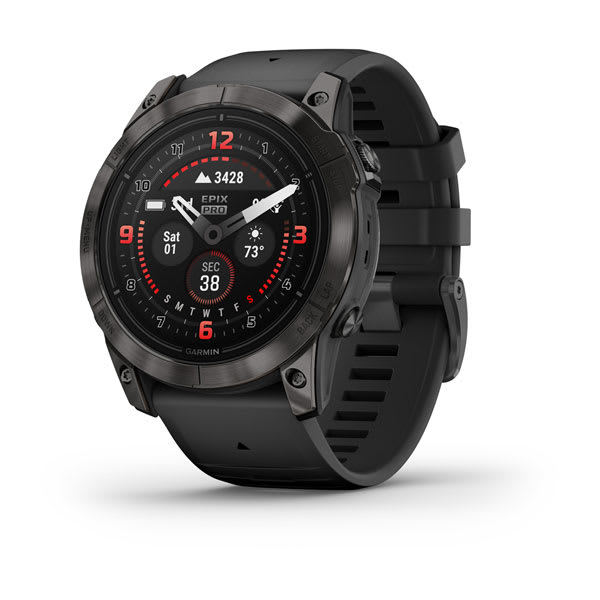
Garmin Epix Pro Gen 2: AMOLED Endurance Watch With FDA Cleared ECG and Advanced Navigation
Garmin’s premium AMOLED multisport watch pairs FDA cleared atrial fibrillation screening with deep training analytics, multi band GPS, and expedition grade durability in a display that finally matches the data…
Awair Element Air Quality Monitor: Indoor PM2.5, CO2, and VOC Tracking for Health
You spend roughly 90% of your life indoors, breathing air you cannot see and rarely measure. The pollutants in that air may be quietly accelerating the very diseases you are…

AI Case Finding: The Healthcare Delivery Use Case That Finds Patients Medicine Keeps Missing
AI case finding may be one of the most important healthcare delivery use cases of 2026: finding patients who already qualify for proven care but remain invisible to the system.
