
The Daily Rounds: Longevity & Health Care Brief | May 19, 2026
Your daily briefing on the science of living longer, better. Covering the past 24 to 48 hours in longevity, medicine, and healthspan research.
Presented By Our Partners



🧠 NEUROLOGY & COGNITIVE HEALTH
🧠 APOE2 Gene Found to Shield Neurons From Stress and Age-Related Damage
Researchers have uncovered evidence that the APOE2 gene variant helps brain cells better withstand cellular stress and age-related damage, offering a potential molecular explanation for why APOE2 carriers have consistently lower Alzheimer’s disease risk than the broader population. The finding suggests APOE2 may act as an active neuroprotective agent rather than simply a neutral baseline, opening therapeutic avenues aimed at mimicking APOE2 function in carriers of higher-risk APOE variants. Scientists say identifying the full protective mechanism could guide the development of gene therapy and small-molecule strategies designed to replicate APOE2 biology across genotypes.
🧠 Salk Institute Confirms Muscle Strength and Aerobic Exercise Share Brain-Protective Pathways
The Salk Institute’s 2026 “Year of Brain Health” research program is revealing that muscle strength and aerobic exercise protect cognition through overlapping molecular pathways, with data showing that individuals with higher muscle mass have significantly lower Alzheimer’s risk independent of cardiovascular fitness levels alone. Scientists are building a cellular map of how aging alters cognitive support systems and exploring how muscle-building pathways may directly shield neurons from neuroinflammation and amyloid accumulation. The research adds mechanistic support to the growing clinical consensus that resistance training belongs alongside aerobic exercise in dementia prevention protocols.
❤️ CARDIOVASCULAR HEALTH
❤️ Pivotal Trials Launch for Lp(a)-Lowering Drugs Lepodisiran and Olpasiran in High-Risk Patients
Two new pivotal cardiovascular trials are enrolling patients in 2026: one evaluating lepodisiran’s efficacy in reducing cardiovascular risk in participants with elevated lipoprotein(a), and another comparing olpasiran against placebo on risk for coronary heart disease death, myocardial infarction, and urgent revascularization in patients with atherosclerotic cardiovascular disease. Lipoprotein(a) is a largely inherited driver of cardiovascular risk affecting an estimated 20 to 25 percent of the global population, and no approved therapies specifically targeting it currently exist. Cardiologists say these trials could generate the first evidence base to support Lp(a)-targeted treatment as a distinct pillar of cardiovascular prevention alongside cholesterol and blood pressure management.
📌 Read more → UCSD Clinical Trials
❤️ Pre-Surgery Pembrolizumab Keeps Colorectal Cancer Patients Relapse-Free at 33 Months
The NEOPRISM-CRC clinical trial found that a nine-week course of pembrolizumab given before surgery led to strong and durable responses in stage two and three colorectal cancer patients, with none of the treated patients experiencing a relapse after 33 months of follow-up. Patients with mismatch repair-deficient colorectal cancer appear to be particularly responsive to pre-operative checkpoint blockade, with some achieving complete pathological responses that may eventually reduce the need for surgery altogether. Researchers say the data suggest neoadjuvant immunotherapy could become the standard-of-care approach for this colorectal cancer subtype within the next few years.
🔬 CELLULAR HEALTH, SENOLYTICS & EPIGENETICS
🔬 Senolytic BI01 Decelerates Epigenetic Age in Aging Skeletal Muscle by Up to 68%
A study published in Aging Cell found that administration of the senolytic BI01 decelerated DNA methylation clock age in aged and injured skeletal muscle by up to 68% during the regeneration phase, with specific methylation changes affecting Col, Hdac, Hox, and Wnt gene families associated with improved muscle repair. The findings provide direct epigenetic evidence that clearing senescent cells from muscle tissue has downstream effects on biological age clocks, not just on functional performance metrics. Scientists say the data strengthen the case for targeting senescent cell burden in aged muscle as a strategy to simultaneously improve physical function and reduce tissue-level biological age.
📌 Read more → Aging Cell / PubMed
🔬 Fisetin Senolytic Preserves Muscle Mass on Par With Pharmaceutical Agents in Animal Models
Preclinical research shows that fisetin, a natural flavonoid found in strawberries and apples, preserves muscle mass and strength by clearing senescent cells from muscle tissue with efficacy comparable to pharmaceutical senolytics in aging animal models, while producing a more favorable safety profile. The compound works through multiple complementary mechanisms including apoptosis induction in senescent cells and reduction of the senescence-associated secretory phenotype that exposes neighboring healthy cells to chronic inflammatory signaling. Scientists note that most fisetin research remains at the animal stage and human dose optimization trials are needed, but the compound’s existing safety record supports expedited clinical testing.
🤖 AI IN MEDICINE & DRUG DISCOVERY
🤖 USF Study in Nature Machine Intelligence Flags Real-World Reliability Gaps in AI Immune Prediction Tools
A study from the University of South Florida published in Nature Machine Intelligence examined how well current AI tools can predict the immune system’s ability to recognize foreign proteins, finding that while performance in controlled settings is impressive, deployment without rigorous external validation can produce misleading or biased results with clinical consequences. Researchers call for standardized benchmarking frameworks that test AI immune prediction tools across diverse patient populations and clinical environments before implementation in drug discovery and immunotherapy design workflows. Scientists say the findings highlight that AI validation is becoming as important as AI development as adoption accelerates across the pharmaceutical pipeline.
Featured Partner
Invest in the Infrastructure Behind Modern Medicine
As healthcare expands beyond hospital walls, the buildings and campuses supporting that shift are generating compelling returns for investors who move early. The Healthcare Real Estate Fund offers qualified investors direct access to a curated portfolio of medical office, outpatient, and specialty care facilities.
Learn More →
🤖 Insilico Medicine Signs $2.75 Billion Discovery Partnership With Eli Lilly
Insilico Medicine announced a discovery agreement with Eli Lilly valued at nearly $2.75 billion in milestone payments and royalties, in which Insilico’s generative biology platform will be deployed to identify novel drug targets across therapeutic areas of mutual interest. The deal is among the largest AI-pharmaceutical partnerships announced to date and signals that major pharmaceutical companies are placing major financial bets on AI-generated targets rather than treating AI as a supplementary discovery tool. Insilico’s first fully AI-designed drug, INS018_055, is currently in Phase II clinical trials, providing real-world validation that the platform can produce clinically viable candidates.
⌚ WEARABLES, BIOMARKERS & PRECISION HEALTH
⌚ Battery-Free Wearable Sweat Sensor Monitors Four Biomarkers Continuously for 21 Days
Researchers at the University of California, Irvine published results in Nature Biomedical Engineering describing the IREM-W2MS3, a wireless, battery-free, multimodal wearable sweat sensor that regenerates its sensing surfaces in situ and monitors urea, lactate, glucose, and cortisol in real-time across naturalistic settings for up to 21 days without replacement. The device can also induce perspiration on demand to enable sampling when wearers are not actively sweating, significantly expanding the window of continuous metabolic monitoring available outside a clinical setting. Scientists say long-duration multianalyte sweat sensors could transform chronic disease management and sports performance monitoring by giving clinicians and athletes continuous biochemical data streams without blood draws.
📌 Read more → Nature Biomedical Engineering
⌚ Analysis of 11 Million Days of Wearable Data Uncovers Novel Health Predictors
A longitudinal analysis of over 11 million days of wearable device data published on medRxiv identified novel patterns in activity, heart rate variability, and sleep that predict future health outcomes in ways that cross-sectional clinical measurements miss, including early signals of metabolic deterioration and cardiovascular stress appearing weeks before clinical symptoms. The scale of the dataset enables discovery of rare event associations and long-lag health trajectories that smaller wearable studies cannot detect, providing a new class of population-level health intelligence. Researchers say the findings validate the long-term public health value of longitudinal wearable data and call for coordinated data infrastructure to enable this scale of analysis beyond individual studies.
🦠 GUT MICROBIOME & IMMUNE HEALTH
🦠 Kimchi Probiotic Bacterium Flushes Microplastics Before They Accumulate in Organs
Scientists in South Korea discovered that a probiotic bacterium found in kimchi may help the body clear ingested microplastic particles before they can build up in organs, with the bacterium binding to microplastics in the digestive tract and facilitating their excretion rather than allowing systemic absorption. The finding opens a potential dietary and probiotic intervention strategy for reducing microplastic body burden, a growing concern as evidence accumulates linking microplastic tissue accumulation to inflammation, endocrine disruption, and cardiovascular disease. Researchers say the mechanism is biologically plausible but human dose and durability studies are needed before specific dietary recommendations can be established.
🦠 Sleep Deprivation Consistently Reduces Gut Microbiome Diversity Across Human and Rodent Studies
A 2026 systematic review and meta-analysis published in the Journal of Sleep Research found that sleep deprivation reproducibly reduces gut microbiome diversity and shifts taxonomic composition across both human and rodent studies, with decreases in short-chain fatty acid-producing bacteria including Faecalibacterium prausnitzii representing the most consistent finding across methodologically diverse study designs. The gut-sleep axis appears to be bidirectional, with gut dysbiosis also disrupting sleep quality through vagal nerve transmission, disordered tryptophan metabolism, and neuroinflammatory cytokines. Researchers say the evidence is sufficient to consider sleep optimization as a component of microbiome health interventions, not just the reverse.
📌 Read more → Journal of Sleep Research
🥗 NUTRITION & METABOLIC HEALTH
🥗 Ultra-Processed Foods Linked to Intramuscular Fat Accumulation in Thigh Muscles
A new study found that higher intake of ultra-processed foods was significantly associated with greater fat infiltration inside thigh muscles, a form of ectopic fat deposition linked to insulin resistance, reduced muscle function, and higher cardiometabolic risk independent of overall body weight. The finding adds to growing evidence that ultra-processed food consumption impairs muscle quality as well as quantity, with implications for physical performance, metabolic health, and fall risk in aging populations. Scientists say the research supports dietary quality, not just caloric content, as a key variable in muscle health strategies for preventing sarcopenia and metabolic dysfunction.
🥗 Two Weeks of Daily Grape Consumption Alters Skin Gene Expression and Reduces Oxidative Stress
A controlled study found that volunteers who consumed grapes daily for two weeks showed measurable changes in skin gene expression, including upregulation of pathways related to UV protection and reduction of oxidative stress markers, suggesting that dietary polyphenols from whole grapes can modify skin biology at the genomic level within a clinically meaningful timeframe. The study adds to a body of evidence on the photoprotective potential of grape-derived polyphenols and raises the possibility of diet-based skin health protocols as a complement to topical sun protection strategies. Scientists note that the findings were replicated across a diverse volunteer group but larger trials are needed to determine dose-response relationships and long-term skin health outcomes.
😴 SLEEP & CIRCADIAN HEALTH
😴 Irregular Bedtimes Linked to 2.57x Higher Liver Cirrhosis Risk in 88,000-Person UK Biobank Study
A groundbreaking study analyzing objective sleep data from 88,461 UK Biobank adults found significant associations between sleep irregularity and 172 different diseases, with irregular bedtimes after 00:30 linked to a 2.57-fold higher risk of liver cirrhosis and low interdaily circadian stability linked to a 2.61-fold higher risk of gangrene. The researchers argue that sleep regularity, not just duration or quality in isolation, should become a core component of clinical sleep health assessment, as the disease associations for irregular timing rivaled or exceeded those for insufficient sleep hours. Scientists say chronic circadian disruption likely operates through shared biological mechanisms including systemic inflammation, dysregulated cortisol, and impaired hepatic metabolic timing.
😴 SAM-Producing Probiotic L. helveticus Restores Cognitive Function After Sleep Deprivation
Researchers identified that Lactobacillus helveticus CCFM1320, a high-SAM (S-Adenosylmethionine)-producing probiotic strain, improved cognitive and memory impairments caused by sleep deprivation in animal models, pointing to the gut-brain axis as a modifiable target for protecting cognitive performance during periods of disrupted sleep. The strain produces SAM, a key methyl donor involved in neurotransmitter synthesis and epigenetic regulation, suggesting a plausible mechanism by which the probiotic influences brain function through metabolic rather than direct neural pathways. Scientists say the research points toward next-generation probiotics engineered for specific neurological outcomes rather than broad gut health benefits.
🌬️ BREATHWORK & STRESS PHYSIOLOGY
🌬️ Resonant Breathing at 6 BPM Improves HRV High-Frequency Power by 65% and Reduces Anxiety
Research confirms that breathing at a resonant frequency of approximately 6 breaths per minute produces a 65% improvement in HRV high-frequency power, a key indicator of parasympathetic nervous system tone, while also significantly reducing anxiety scores and cortisol levels in both young and older adults after just one session. The resonant breathing frequency appears to maximize coupling between respiratory rhythm and heart rate oscillations, producing unusually large HRV amplitude responses that serve as a training stimulus for vagal tone over repeated practice. Researchers say the protocol is accessible, requires no equipment, and could serve as a non-pharmacological adjunct for anxiety, hypertension, and stress-related cardiovascular risk reduction.
📌 Read more → PMC / Frontiers in Psychology
🌬️ A52 Breath Method Review Validates Slow Diaphragmatic Breathing for Long-Term Stress Resilience
A narrative review in Wiley’s Stress and Health journal analyzed 30 studies on the A52 Breath Method and related slow, nasal, diaphragmatic breathing techniques, finding significant and consistent improvements across stress resilience, HRV, cortisol, and autonomic nervous system regulation with regular practice. Practitioners with at least 8 weeks of consistent breathwork showed lasting improvements in baseline vagal tone, suggesting structural changes in autonomic regulation rather than temporary relaxation effects alone. Scientists say the evidence base for prescribed breathwork is now mature enough to support clinical integration as a standalone or adjunctive intervention for stress-related health conditions.
📌 Read more → Stress and Health / Wiley
📌 TODAY’S TOP TAKEAWAYS
- 🔬 Senolytic Decelerates Muscle Epigenetic Age by 68% — BI01 administration in aging skeletal muscle produced dramatic DNAmAGE deceleration, linking senolytic therapy directly to measurable epigenetic rejuvenation in tissue.
- ⌚ Wearable Monitors Four Biomarkers for 21 Days Without a Battery — UC Irvine’s IREM-W2MS3 continuously tracks glucose, cortisol, lactate, and urea in sweat for three weeks, representing a new frontier in ambient metabolic monitoring.
- 🤖 Insilico Medicine Signs $2.75 Billion AI Discovery Deal With Eli Lilly — One of the largest AI-pharma partnerships ever signals pharmaceutical industry commitment to generative biology as a primary discovery engine.
- 😴 Irregular Bedtimes Tied to 2.57x Higher Liver Cirrhosis Risk — A study of 88,000 adults confirms that sleep timing regularity, not just duration, is independently linked to disease risk across 172 conditions.
- 🦠 Kimchi Probiotic Clears Microplastics Before They Reach Organs — Korean researchers identify a fermented-food bacterium that binds microplastics in the gut and promotes excretion, offering a dietary approach to reducing plastic body burden.
Sources compiled from ScienceDaily, Nature Biomedical Engineering, Nature Machine Intelligence, Journal of Sleep Research, Aging Cell, pharmaphorum, USF Health, Salk Institute, GlobalRPH, Engineering, Stress and Health, PMC, UCSD Clinical Trials, medRxiv. Published: May 19, 2026.


Similar Posts

Therabody RecoveryAir JetBoots: Sequential Pneumatic Compression for Athletic Recovery
Professional athletes do not leave recovery to chance. They compress, flush, and restore their legs with the same intentionality they bring to every training session. Presented By Our Partners The…
Color Health Genetic Testing: Clinical-Grade Hereditary Cancer Screening With Genetic Counseling Included
Unlike consumer genetics services that test a handful of variants, Color screens the full coding regions of genes linked to hereditary cancer and heart disease, with genetic counseling included in…
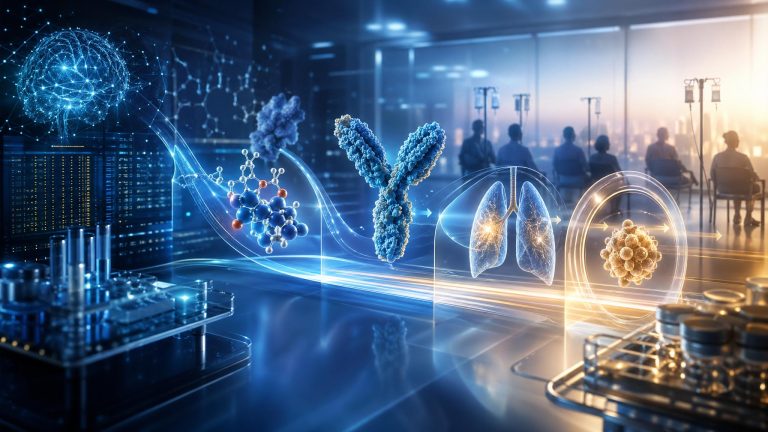
Sacituzumab Tirumotecan Slashes Lung Cancer Progression Risk by 65%: The TROP2 Breakthrough Just Published in The Lancet
A Phase III trial presented at ASCO 2026 and simultaneously published in The Lancet shows that pairing a precision TROP2-targeting weapon with the world’s most prescribed immunotherapy rewrites what is…
The Daily Rounds: Longevity & Health Care Brief | May 10, 2026
🫀 Thymus as Longevity Organ: AI analysis of CT scans across 25,000 adults finds that healthy thymus tissue predicts a 50% lower risk of all-cause death and 63% lower cardiovascular death risk, reframing this overlooked organ as a modifiable longevity target. 🧠 Cognitive Disability Rising Fast in Young Adults: Self-reported cognitive disability in US adults under 40 has nearly doubled since 2013, making younger adults the primary driver of overall cognitive impairment for the first time on record. 🖨️ Adhesive-Free Wearable Tracks Metabolism Continuously: A 3D-printed University of Arizona device, published in Nature Communications on May 10, monitors dehydration, metabolic shifts, and stress through skin gas emissions with no adhesive and no skin irritation. 💊 Eli Lilly Goes All-In on AI Drug Discovery: A $2.75 billion deal with Insilico Medicine signals that Big Pharma has moved from piloting AI to fully integrating AI-first companies as primary R&D partners. ⏱️ Fasting Windows Alone Do Not Boost Metabolism: A controlled study finds that intermittent fasting without calorie reduction produces no measurable metabolic or cardiovascular benefit, confirming that caloric balance, not timing alone, is the key driver.
InBody H20N: Professional-Grade Body Composition Analysis in a Home Smart Scale
The same company whose devices measure body composition in 65,000 hospitals and research facilities worldwide has built a consumer scale. The question is how much clinical precision survives the transition….
KORR CardioCoach Review: Portable Clinical Grade VO2 Max Testing for Fitness Centers and Cardiac Rehab
The KORR CardioCoach brings direct VO2 max measurement out of the hospital laboratory and into fitness centers, coaching offices, and cardiac rehabilitation clinics. Presented By Our Partners There is an…
