
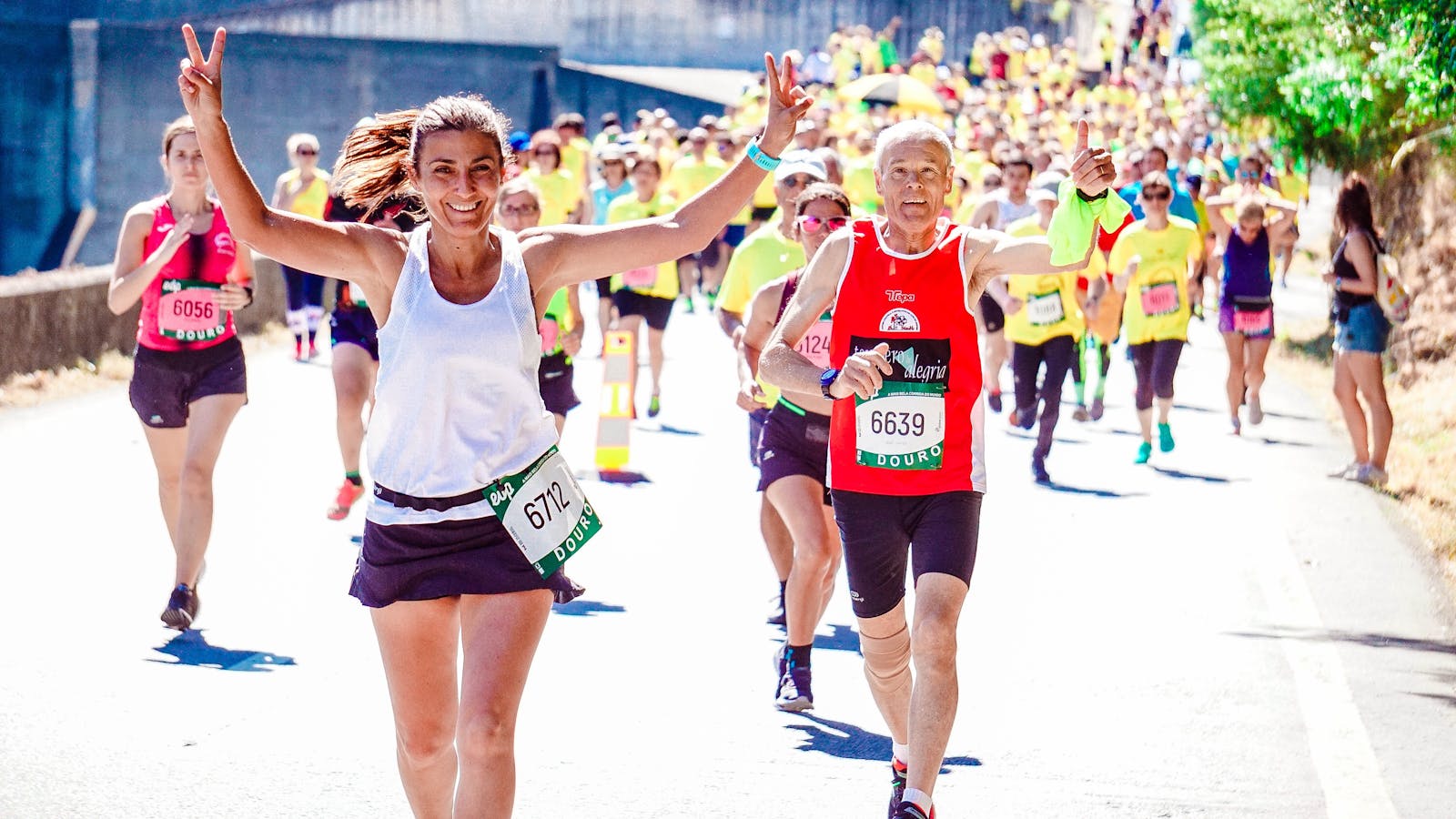
VO2 Max and Longevity: Why Cardiorespiratory Fitness Is the Strongest Predictor of How Long You Live
In 2018, a team of cardiologists at the Cleveland Clinic published a study in JAMA Network Open that should have rewired how primary care thinks about prevention. They followed 122,007 patients who had completed a treadmill stress test between 1991 and 2014 and watched what happened over an average of 8.4 years of follow-up. The finding was stark. Compared with elite-fitness adults, people with the lowest cardiorespiratory fitness had a hazard ratio for all-cause mortality of 5.04. That is a higher relative risk than smoking, type 2 diabetes, hypertension, and end-stage kidney disease combined.
Presented By Our Partners



Read that again. The single most powerful predictor in their dataset was not LDL, not blood pressure, not whether someone smoked. It was a number most adults have never had measured. It was VO2 max.
Six years later, that finding has become the central argument behind a quiet but profound reorientation in longevity medicine. The most consequential thing you can do for your decade of life expectancy may not be a drug, a supplement, or a wearable. It may be the active maintenance and progressive improvement of your aerobic capacity. This article walks through the science of why, and what to actually do about it starting tomorrow.
What VO2 Max Actually Is
VO2 max is the maximum volume of oxygen your body can consume per minute during all-out exertion. It is reported in milliliters of oxygen per kilogram of body weight per minute (mL/kg/min). A sedentary 50-year-old man might score in the high 20s. An elite endurance athlete in the same age bracket can exceed 70.
Mechanistically, VO2 max is the product of two things, articulated in the Fick equation. First, cardiac output, the volume of blood your heart pumps per minute, which itself is the product of stroke volume and heart rate. Second, the arteriovenous oxygen difference, which is how efficiently your working muscles extract oxygen from that blood. To improve VO2 max, you must improve one or both. To preserve it, you must train both.
This is why VO2 max sits at a remarkable physiological intersection. It is a measurement of the heart, lungs, blood, vascular system, mitochondria, and skeletal muscle, all working together at the edge of their capacity. A high VO2 max means many systems are intact. A collapsing VO2 max means one or more of them is failing. Cardiorespiratory fitness, in this sense, is a downstream readout of nearly every system in the body that ages.
That is the mechanistic reason it predicts mortality so well. It is not the cause of long life. It is the integrated signal of the systems that produce long life.
The Norwegian Evidence and the Dose Response Curve
The Cleveland Clinic study was not an outlier. It joined a body of work going back to the 1989 Steven Blair Aerobics Center Longitudinal Study, which first showed that low fitness carried a relative risk of death higher than the conventional risk factors. The modern picture comes from the Norwegian HUNT cohort, the work of Peter Kokkinos with the United States Veterans Affairs cohort, the FRIEND registry, and a 2016 American Heart Association scientific statement that argued cardiorespiratory fitness should be treated as a clinical vital sign.
A few of the key findings deserve specific attention.
In 2018, Letnes and colleagues published a 25-year follow-up of the Norwegian HUNT cohort in the European Heart Journal. After adjustment for traditional risk factors, every 1-MET increase in estimated VO2 max corresponded to a 9 percent reduction in cardiovascular mortality and a 9 percent reduction in all-cause mortality. One MET is roughly 3.5 mL/kg/min of oxygen consumption, the metabolic cost of sitting at rest. A typical adult can move from 8 METs to 12 METs of fitness with consistent training over a year or two. That kind of shift is associated, in the HUNT data, with mortality reductions in the same neighborhood as quitting smoking.
In 2022, Kokkinos and colleagues confirmed a steep dose response in the Veterans Exercise Testing Study. Across more than 750,000 person-years of follow-up, mortality fell continuously as fitness rose. There was no inflection point at which additional fitness stopped paying dividends. Even at the highest fitness category, more was better.
In 2018, Mandsager and colleagues, the Cleveland Clinic group, made the comparison to traditional risk factors explicit. A patient with low fitness carried about three times the mortality risk of a patient with diabetes. The risk attributable to elite versus low fitness was greater than the risk attributable to coronary disease. They wrote, in language that sounded almost confessional for the journal, that "cardiorespiratory fitness is inversely associated with long-term mortality with no observed upper limit of benefit."
The signal is consistent across population, sex, age, and time period. Cardiorespiratory fitness predicts how long you live with a power that nothing else in routine clinical practice currently matches.
The Aging Trajectory and Why It Matters
Here is where it becomes urgent rather than abstract.
The Fleg cohort study from the Baltimore Longitudinal Study of Aging, published in Circulation in 2005, established the modern picture of how VO2 max changes with age. Cardiorespiratory fitness declines roughly 10 percent per decade in untrained adults starting in the 30s. The decline accelerates in the 60s and 70s. By the 80s, it can reach 20 to 25 percent per decade.
This decline is not a constant. It is dose dependent on training. Sedentary adults lose VO2 max fastest. Recreationally active adults lose it more slowly. Trained masters athletes can hold the line for decades, with some maintaining VO2 max in their 60s that exceeds the average sedentary 25-year-old. The Tanaka and Seals work from the University of Colorado showed that endurance-trained men maintained roughly 50 percent higher VO2 max than sedentary peers across the lifespan, with the absolute decline rate similar but the starting point dramatically different.
Featured Partner
Invest in the Infrastructure Behind Modern Medicine
As healthcare expands beyond hospital walls, the buildings and campuses supporting that shift are generating compelling returns for investors who move early. The Healthcare Real Estate Fund offers qualified investors direct access to a curated portfolio of medical office, outpatient, and specialty care facilities.
Learn More →
What this means for your practice is that the trajectory of your VO2 max from age 35 onward is one of the most consequential variables in your lifespan. Two adults can have the same VO2 max at age 50, but if one is detraining and one is improving, their projected VO2 max at age 75 will diverge by 10 to 15 mL/kg/min. That gap, by the data above, corresponds to a difference of years in life expectancy and decades in healthspan. A VO2 max below approximately 18 mL/kg/min is the threshold below which independent living becomes difficult. The further you sit above that floor at 70, the longer you can climb stairs, carry groceries, get up from the floor, and live without a caregiver.
How to Measure or Estimate Your Number
The gold standard is a graded cardiopulmonary exercise test (CPX or CPET) at a sports medicine clinic or hospital exercise physiology lab. You wear a mask, you ride a bike or run on a treadmill at progressively harder stages, and the lab measures your inspired and expired gas concentrations directly. Cost in the United States typically runs from 150 to 600 dollars and the test takes about 15 minutes of actual exercise. If you have the option, do this. The number you receive is the most actionable single biomarker most adults can obtain.
If a lab test is not available, useful estimates exist.
The Cooper 12-minute test, used by the United States military since 1968, has reasonable validity. Run as far as you can in 12 minutes. The distance covered, in meters, plugs into the formula (distance minus 504.9) divided by 44.73 to estimate VO2 max in mL/kg/min. The Rockport one-mile walk test is gentler. Walk one mile as fast as you can, record your time and the heart rate at the finish line, and use the published equation to estimate cardiorespiratory fitness.
Modern wearables now estimate VO2 max passively. Apple Watch, Garmin, Polar, and the Oura Ring all attempt this, and the better implementations correlate reasonably well with lab values. The published validation literature on consumer wearable VO2 max estimation suggests the better devices are within 10 to 15 percent of laboratory measurement on average for healthy adults, though they tend to be less accurate at the extremes. For someone tracking change over time, the trend line is more useful than the absolute number.
Whichever method you use, the key is to measure. You cannot manage what you do not see.
How to Train It
The good news is that VO2 max is one of the most trainable physiological variables we know of. Sedentary adults who begin a structured program can typically improve VO2 max by 15 to 25 percent within six months. Even adults in their 70s can register 10 to 15 percent gains. The training stimulus that drives this adaptation is well characterized. It requires intensity.
The single most studied protocol in the literature is the Norwegian 4 by 4 interval. Developed at the Norwegian University of Science and Technology under Jan Helgerud and Ulrik Wisloff in the early 2000s, it has been replicated in dozens of randomized trials. The protocol is simple. After a 10-minute warm-up, perform four bouts of four minutes of effort at roughly 85 to 95 percent of maximum heart rate, separated by three minutes of active recovery at 60 to 70 percent. Cool down for five minutes. Total session time is 38 minutes. Frequency is two to three sessions per week.
A 2020 meta-analysis in the British Journal of Sports Medicine compared this protocol to moderate continuous training in over 700 adults across 28 trials. The 4 by 4 produced roughly twice the gain in VO2 max for the same total exercise duration. The signal was robust across age, sex, and baseline fitness.
The complementary stimulus is large volumes of low-intensity aerobic work. This is what athletes call Zone 2 training, and what physiologists describe as training at or below the first lactate threshold, which is roughly the highest intensity at which fat oxidation is still climbing. Zone 2 builds mitochondrial density, capillary density, and stroke volume. It is the substrate on which 4 by 4 intervals can act. Most of the elite endurance literature, from the Stephen Seiler polarized training model to the practical observations of Inigo San Millan, converges on a roughly 80 to 20 ratio. Eighty percent of weekly training time is Zone 2 or easier. Twenty percent is hard. Very little is in the moderately hard middle.
A practical weekly template that fits most working adults looks like this. Three to four Zone 2 sessions of 30 to 60 minutes per week, in any modality you enjoy. Cycling, brisk walking on an incline, jogging, rowing, swimming, hiking. One Norwegian 4 by 4 session per week, or a 30 by 30 alternative such as ten rounds of 30 seconds hard, 30 seconds easy. Two strength sessions per week, because muscle is the engine that lets you do everything else. Recovery as needed.
This is approximately 4 to 5 hours of structured exercise per week. The Mandsager curve flattens between 8 and 10 METs of fitness, roughly the difference between sedentary and recreationally active. The biggest mortality wins are not at the elite end. They are at the bottom of the distribution. Moving from sedentary to recreationally fit produces the largest single risk reduction available in clinical medicine.
The Fundamentals Bridge
VO2 max sits at the intersection of all four fundamentals of health, not just movement.
Sleep is where cardiac and mitochondrial adaptation actually occurs. Training is the stimulus, sleep is when the body consolidates the adaptation. Adults who sleep less than 6 hours per night blunt their training response measurably. The Reynolds laboratory at Penn State and the Fullagar review in Sports Medicine both showed that sleep restriction reduces hormonal responses to exercise, lowers VO2 max gains over weeks, and increases injury risk.
Nutrition fuels the work. Adequate protein at roughly 1.6 grams per kilogram of body weight per day supports the muscle adaptations that translate into a higher arteriovenous oxygen difference. Iron status matters. Anemia caps VO2 max regardless of training. Carbohydrate availability for hard sessions and adequate hydration both meaningfully affect what the cardiopulmonary system can produce on a given day.
Recovery is the cap on training tolerance. Heart rate variability, measured at rest each morning, reflects autonomic nervous system readiness. Hard sessions on suppressed HRV produce less adaptation per unit of effort and more cumulative stress. The wearable revolution has made it trivial to track this. Whoop, Oura, Apple Watch, and Garmin all surface morning HRV trends now.
Breath is both an output and an input. VO2 max is, by definition, a respiratory measurement. But breath training, particularly nasal breathing during easy sessions and slow exhale dominant breathing during recovery, increases parasympathetic tone. The Stanford cyclic sighing trial we covered earlier this month showed that just five minutes per day of structured breathwork lowered respiratory rate, mood scores, and heart rate, all of which are downstream of the same vagal pathway that aerobic training also reinforces.
The four fundamentals are not parallel. They are interdependent. Improving one without the others produces a fraction of the gain available when all four are aligned around the same target.
What This Means For Your Practice
Here is the practical synthesis.
First, measure. Get a real number for your VO2 max. If you can access a lab CPX, do it. If not, use a consumer wearable or run a Cooper test, and treat the resulting number as a starting trend line, not an absolute. Re-measure every three to six months.
Second, set a target. The most useful frame is not the absolute number but the percentile for your age and sex. Free percentile tables from the FRIEND registry are easily searchable. Aim to move up at least one decile per year of training. Most adults can do this if they are below the 50th percentile. Above the 75th percentile, gains slow but still pay clinical dividends.
Third, build a weekly template you can sustain. Three Zone 2 sessions, one high-intensity session in the 4 by 4 format, two strength sessions. Total time roughly four to five hours per week. The Mandsager and Kokkinos curves both suggest the greatest marginal gain in life expectancy comes from the first three to four hours of exercise per week. Beyond that, marginal returns diminish, though they remain positive.
Fourth, protect sleep. Shoot for seven to nine hours, with a consistent wake time. Restrict alcohol, especially within three hours of bed. Treat sleep apnea aggressively if it is suspected. The strongest training program in the world cannot offset chronic sleep deprivation.
Fifth, eat for the work. Adequate protein, sufficient carbohydrate for hard sessions, iron and B12 status checked annually if there is any reason to suspect deficiency. Hydration and electrolytes, particularly sodium, are non-negotiable for hot sessions.
Sixth, breathe. Five minutes of slow exhale dominant breathing, twice per day, costs nothing and supports the autonomic environment in which aerobic adaptation happens.
Seventh, recheck the number. The single biggest predictor of consistency in the literature is feedback. People who track VO2 max in any format keep training. People who do not, drift.
The aerobic engine is not an amenity. It is the most consequential single biomarker most adults can move under their own power, with a dose response curve that does not flatten and a trainability that persists into the eighth and ninth decades of life. The Cleveland Clinic finding has become uncomfortable for the conventional risk factor framework precisely because it places so much of the variance in mortality outside the medication aisle and inside the running shoes, the rowing machine, and the back of the gym.
A 50-year-old who decides this year to add four hours per week of structured aerobic training has, on the available data, made one of the largest single bets on healthspan that modern medicine knows how to make. The instrument is the body. The dose is intensity and consistency. The window is now.
Sources and Further Reading
Mandsager K et al., JAMA Network Open, 2018. Letnes JM et al., European Heart Journal, 2018. Kokkinos P et al., JAMA Network Open, 2022. Fleg JL et al., Circulation, 2005. Helgerud J, Wisloff U et al., Medicine and Science in Sports and Exercise, 2007. Tanaka H, Seals DR, Journal of Physiology, 2008. Ross R et al., AHA Scientific Statement on Cardiorespiratory Fitness as a Clinical Vital Sign, Circulation, 2016. Wen H et al., British Journal of Sports Medicine, 2020 meta-analysis on interval training.


Similar Posts

The Centenarian Gut: How Bacterial Bile Acids From the World’s Oldest People Are Rewriting Longevity Science
A 2021 Nature paper from Kenya Honda’s lab at Keio University identified a chemically distinct bile acid called isoalloLCA in the stool of Japanese centenarians. Five years of follow up…
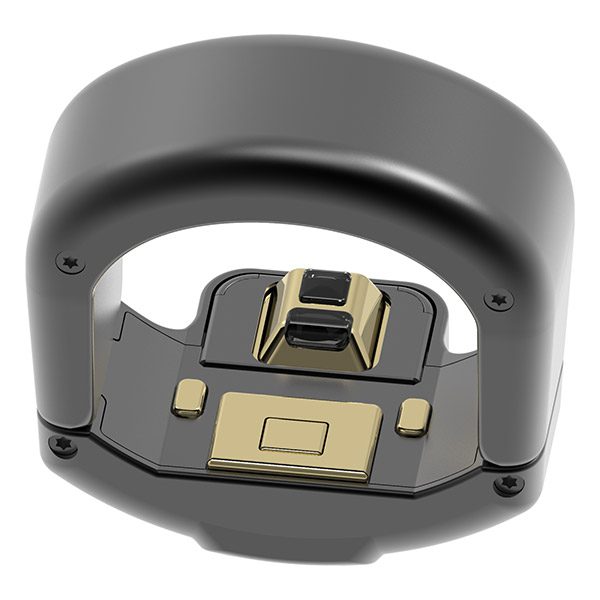
Bodimetrics Circul+ Ring: Continuous Overnight SpO2 Monitoring in a Smart Ring
A smart ring designed for continuous overnight blood oxygen monitoring, targeting the sleep apnea screening gap that fingertip oximeters cannot fill. Presented By Our Partners Obstructive sleep apnea affects an…

The Daily Rounds: Longevity & Health Care Brief | June 8, 2026
🤖 AI-Designed Universal Coronavirus Vaccine Clears Phase 1 With Perfect Safety Record — The first entirely AI-designed vaccine targeting multiple coronavirus strains simultaneously passed its first human trial with zero…
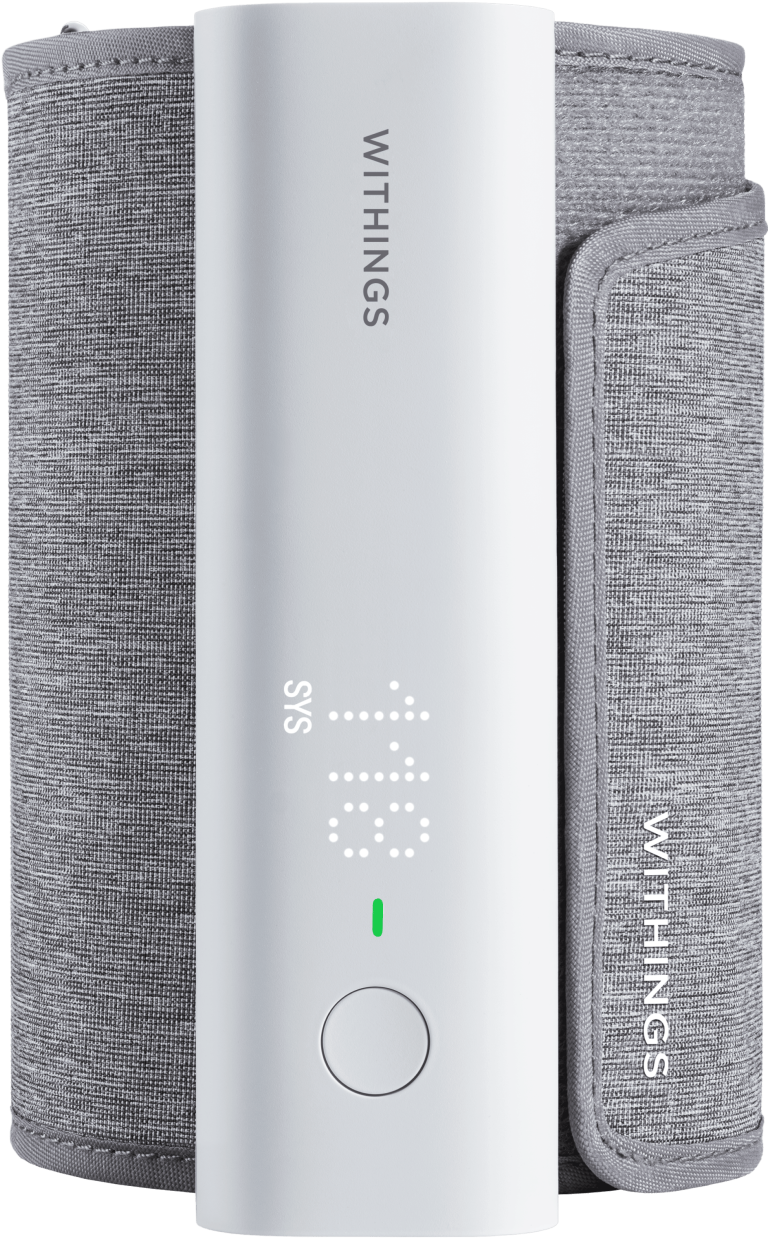
Withings BPM Connect: The Connected Blood Pressure Monitor That Syncs Automatically
An FDA cleared upper arm blood pressure monitor with Wi-Fi and Bluetooth sync that eliminates the compliance gap between home monitoring and clinical follow up. Presented By Our Partners Hypertension…
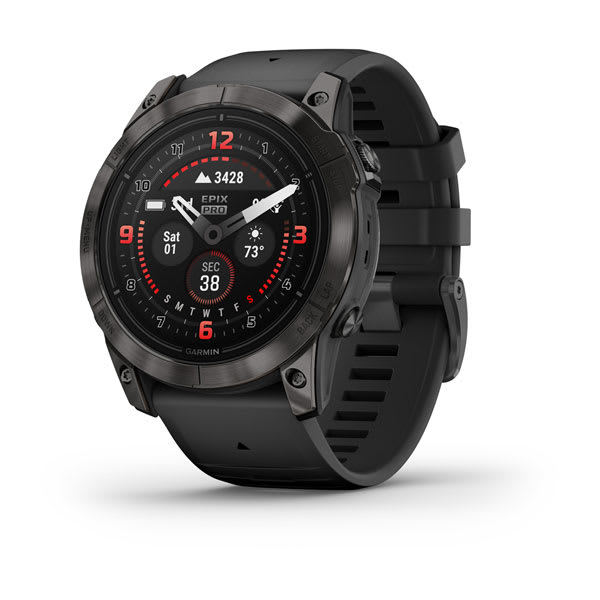
Garmin Epix Pro Gen 2: AMOLED Endurance Watch With FDA Cleared ECG and Advanced Navigation
Garmin’s premium AMOLED multisport watch pairs FDA cleared atrial fibrillation screening with deep training analytics, multi band GPS, and expedition grade durability in a display that finally matches the data…
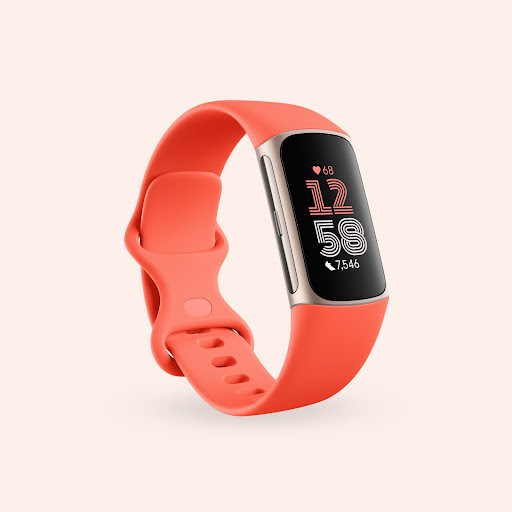
Fitbit Charge 6: The Most Affordable FDA Cleared ECG Tracker With Google Integration
At $159.95, the Fitbit Charge 6 delivers FDA cleared ECG and irregular heart rhythm detection in a slim fitness band, making clinical grade cardiac screening accessible to the widest possible…
