

Tempdrop 2.0 Fertility Monitor: Wearable BBT Tracking for Cycle Intelligence
Continuous overnight temperature sensing is transforming how women understand their cycles, but the science behind basal body temperature reveals both remarkable potential and persistent gaps.
Presented By Our Partners



Every month, roughly 800 million women of reproductive age worldwide experience a hormonal cascade so precise that it shifts their core body temperature by fractions of a degree. That shift, just 0.28 to 0.56 degrees Celsius in most women, marks the transition from the fertile window to the luteal phase. For decades, the only way to detect it reliably was an oral thermometer, a notepad, and the discipline to measure at the exact same time each morning before moving, speaking, or even sitting up in bed. A 2024 narrative review published in the American Journal of Obstetrics and Gynecology by Cromack and Walter identified 23 nonprescription wearable devices and personal technologies now commercially available in the United States for tracking the fertile window, noting that the majority rely on basal body temperature (BBT) or urinary hormone measurements. The review also acknowledged that research validating the accuracy of these consumer devices remains “scant.” That tension between the promise of continuous physiological monitoring and the reality of limited clinical validation defines the current landscape of fertility wearables.
Tempdrop 2.0 enters that landscape with a specific proposition: eliminate the behavioral burden of traditional BBT charting by measuring skin temperature continuously while you sleep, then applying a proprietary algorithm to filter noise and deliver a single, clinically meaningful temperature reading each morning.
What Is Tempdrop 2.0?
Tempdrop 2.0 is an armband worn wearable sensor designed to measure basal body temperature overnight through continuous skin temperature monitoring. The device attaches to the upper arm using a soft fabric armband and contains a medical grade thermistor that samples temperature throughout the night. Unlike oral or tympanic BBT thermometers that require a single point in time measurement, Tempdrop collects thousands of data points during sleep and applies a machine learning algorithm to determine the user’s true basal temperature, filtering out environmental factors like room temperature fluctuations, blanket adjustments, and restless sleep.
The device syncs via Bluetooth to a companion smartphone app, which displays the calculated BBT reading each morning along with charting tools for cycle tracking. Tempdrop is compatible with several popular fertility awareness method (FAM) apps and exports data in formats recognized by practitioners who teach sympto-thermal methods. The Gen 2.0 hardware introduced improved sensor accuracy, a smaller form factor, and extended battery life compared to the original device. Priced between $149 and $199 depending on the armband configuration, Tempdrop requires no ongoing subscription for core BBT charting features, which distinguishes it from many competitors in the fertility wearable space. The device is FSA and HSA eligible.
The Science Behind Basal Body Temperature and Fertility Tracking
Basal body temperature charting is not a new idea. It dates to the 1930s, when researchers first documented the biphasic temperature pattern across the menstrual cycle. The physiological mechanism is well established: after ovulation, the corpus luteum produces progesterone, which acts on the hypothalamic thermoregulatory center to raise the body’s set point temperature. This postovulatory rise, typically 0.2 to 0.5 degrees Celsius above the follicular phase baseline, persists through the luteal phase until menstruation begins or pregnancy is established.
What makes BBT both valuable and limited is its retrospective nature. The temperature shift confirms that ovulation has already occurred; it does not predict ovulation in advance. This distinction matters enormously for conception timing, since the fertile window closes shortly after ovulation. For contraceptive use, BBT charting identifies the safe postovulatory phase with reasonable reliability, but the preovulatory fertile window must be estimated using other indicators such as cervical mucus patterns or urinary hormone tests.
A 2022 prospective observational study published in Reproductive Biology and Endocrinology by Yu et al. tracked 89 regular menstruators and 25 irregular menstruators across 382 confirmed ovulatory cycles. By combining BBT with heart rate data from a wearable device, their machine learning algorithm achieved 87.46% accuracy in predicting the fertile window among regular menstruators, with a specificity of 92.00% and an AUC of 0.8993. For irregular menstruators, however, accuracy dropped to 72.51% with an AUC of just 0.5808, highlighting a persistent challenge in the field.
A larger 2019 prospective longitudinal study published in the Journal of Medical Internet Research by Goodale et al. studied 237 conception seeking women wearing a wrist based sensor that tracked skin temperature, heart rate, respiratory rate, HRV, and skin perfusion simultaneously. Their machine learning model detected the fertile window with 90% accuracy (95% CI 0.89 to 0.92), demonstrating that multi-parameter wearable sensing can meaningfully improve upon single variable BBT charting.
The broader clinical context is important. According to PubMed, a 2025 scoping review by Li et al. published in Revista da Escola de Enfermagem concluded that research into BBT based fertility tracking applications “remains in the preliminary stage,” calling for higher quality prospective cohort studies. The underlying physiology is sound, but the translation from laboratory grade temperature measurement to consumer wearable accuracy continues to be an active area of investigation.
That is the science. Here is how Tempdrop 2.0 applies it.
What Tempdrop 2.0 Does Well
Tempdrop’s core strength is solving the compliance problem that has plagued BBT charting for nearly a century. Traditional oral BBT requires waking at the same time every day, measuring before any activity, and accepting that a single disrupted night (a bathroom trip, a child waking, alcohol consumption) can invalidate the reading. Tempdrop eliminates this entirely. The device records continuously while the user sleeps, and its algorithm accounts for movement, environmental temperature changes, and sleep disruptions to extract a filtered basal reading.
The armband form factor is a deliberate design choice. Upper arm skin temperature correlates more closely with core body temperature than wrist skin temperature, which is subject to greater peripheral vasomotion and environmental interference. This positioning also avoids the discomfort some users report with wrist worn sleep trackers.
Tempdrop’s algorithm improves over time. The company states that the first 30 to 60 days represent a learning period during which the algorithm calibrates to the individual user’s temperature patterns. After this calibration window, the device retroactively adjusts earlier readings, and subsequent charts tend to show cleaner, more interpretable biphasic shifts. The device’s compatibility with third party FAM apps (including Read Your Body, Kindara, and Fertility Friend) makes it accessible to users who already practice sympto-thermal methods and want better temperature data without changing their charting workflow.
Featured Partner
Invest in the Infrastructure Behind Modern Medicine
As healthcare expands beyond hospital walls, the buildings and campuses supporting that shift are generating compelling returns for investors who move early. The Healthcare Real Estate Fund offers qualified investors direct access to a curated portfolio of medical office, outpatient, and specialty care facilities.
Learn More →
Perhaps most significantly, Tempdrop operates without a subscription. The hardware purchase includes full access to the app’s BBT charting, cycle tracking, and data export features. In a market where competing devices often layer $5 to $30 monthly fees on top of hardware costs, this represents meaningful long term value.
Pricing, Access, and Practical Realities
Tempdrop 2.0 retails between $149 and $199, with the price variation reflecting different armband materials and accessories rather than sensor hardware differences. The core device and algorithm are identical across configurations. With no subscription required, the first year total cost of ownership is simply the hardware price, making Tempdrop one of the most affordable continuous temperature monitors on the market over a multi-year timeframe.
The device is confirmed FSA and HSA eligible, which can reduce effective out of pocket cost for users with these accounts. Replacement armbands are available separately, as the fabric bands do wear over time with nightly use.
Tempdrop is classified as a general wellness device. It is not FDA cleared for medical use, contraception, or fertility treatment guidance. This means the device cannot legally claim to diagnose ovulation, predict fertility, or serve as a contraceptive method. Users who employ Tempdrop as part of a fertility awareness based method do so under their own decision making, often with the guidance of a trained FAM instructor. The regulatory distinction matters: general wellness positioning allows faster market entry and lower cost, but it also means the device has not undergone the rigorous clinical validation required for FDA clearance.
Battery life on the 2.0 hardware is rated at approximately one year of nightly use, after which the sealed unit requires replacement. This is a consideration for long term cost planning, as the device is not designed with a user replaceable battery.
Who Tempdrop 2.0 Is Best For
Tempdrop is best suited for women who already practice or want to learn sympto-thermal fertility awareness methods but find traditional oral BBT charting burdensome or unreliable. Shift workers, parents of young children, and anyone with irregular sleep schedules will benefit most from continuous overnight monitoring that does not require waking at a consistent time. Women tracking cycles for conception timing, natural family planning, or general menstrual health insight are the primary audience.
The device also appeals to users who prefer a focused, single purpose tool over a multi-function wearable. Tempdrop does one thing (overnight temperature monitoring) and integrates with existing cycle tracking apps rather than trying to replace them.
Women who want predictive ovulation alerts, real time fertility status updates, or multi-biomarker tracking (heart rate, HRV, respiratory rate) may want to consider alternatives. Tempdrop provides retrospective BBT confirmation, not prospective fertile window prediction. Users seeking a device that also functions as a general health or fitness tracker will not find those features here. Women with highly irregular cycles should also note the research limitations: wearable BBT algorithms perform significantly better for regular menstruators than irregular menstruators based on the published evidence.
How Tempdrop 2.0 Compares
The most direct comparison is with the Oura Ring Gen 3, which also tracks skin temperature overnight but from the finger rather than the upper arm. Oura provides a temperature deviation from baseline (not an absolute BBT reading), which many FAM practitioners find less useful for traditional charting methods. Oura also requires a $5.99/month subscription for full data access, adding $72 annually on top of a $299 to $499 hardware cost. Tempdrop’s no subscription model and absolute temperature output make it more aligned with established fertility awareness protocols.
The Ava Bracelet (now discontinued for consumer sales in the US) was Tempdrop’s closest historical competitor, combining wrist skin temperature, heart rate, and respiratory rate into a multi-parameter fertile window prediction. The 2019 Goodale et al. study demonstrating 90% fertile window detection accuracy was conducted using the Ava device. Its departure from the consumer market has left a gap that Tempdrop and Oura partially fill, though neither replicates Ava’s multi-sensor approach.
Natural Cycles, an FDA cleared contraceptive app, uses a standard oral BBT thermometer paired with an algorithm. It holds the distinction of being the only digital contraceptive with FDA De Novo clearance, giving it a regulatory advantage over Tempdrop. However, it still requires the behavioral discipline of daily oral measurement, which is precisely the problem Tempdrop was designed to solve. The total cost of Natural Cycles ($100/year subscription plus a one time thermometer cost) is comparable to Tempdrop’s hardware cost spread over two to three years.
Limitations and Open Questions
Tempdrop’s algorithm is proprietary and has not been validated in a peer reviewed clinical trial. While the company references internal data and user community reports, the absence of published, independent validation against gold standard ovulation confirmation (transvaginal ultrasound or serum progesterone) is a meaningful gap. The 2024 Cromack and Walter review specifically noted the “scant” research validating consumer fertility trackers, and Tempdrop is not exempt from this critique.
The 30 to 60 day calibration period means the device is not immediately useful at full accuracy. Users who purchase Tempdrop during an active conception attempt may find the learning curve frustrating. The sealed battery design means the entire device must be replaced after approximately one year, which introduces recurring hardware cost that partially offsets the no subscription advantage.
Skin temperature measured at the arm is a proxy for core body temperature, and the correlation between peripheral and core temperature varies with ambient conditions, body composition, and individual physiology. The device cannot account for temperature elevations caused by illness, alcohol, or certain medications, which can produce false biphasic patterns. Finally, BBT charting of any kind, whether manual or wearable assisted, remains retrospective. It confirms ovulation after the fact rather than predicting it in advance.
What This Means for Your Health
Fertility awareness is, at its core, a form of physiological literacy. Understanding the rhythms of your own cycle, the temperature shifts that signal ovulation, the hormonal cascades that govern menstruation, provides a foundation for health decisions that extend well beyond conception timing. Irregular cycles can be early indicators of thyroid dysfunction, polycystic ovary syndrome, or hypothalamic amenorrhea. Temperature pattern disruptions may reveal sleep quality issues, chronic stress, or metabolic changes. In the framework of Healthcare Discovery‘s Five Pillars, cycle tracking intersects with sleep (circadian rhythm alignment), mindset (body awareness and self advocacy), and nutrition (metabolic health markers that influence hormonal balance).
Tempdrop 2.0 lowers the barrier to consistent BBT charting, which has historically been the method’s greatest weakness. A tool that automates the measurement while you sleep removes the most common point of failure in fertility awareness practice. For women navigating the intersection of reproductive health and the broader longevity question, understanding cycle regularity provides one more data stream in the project of staying healthy long enough to benefit from the medical advances arriving in the coming decade.
The Four Shadows that define the major threats to healthspan, cardiovascular disease, cancer, neurodegenerative disease, and metabolic dysfunction, may seem distant from fertility tracking. But hormonal health is deeply intertwined with metabolic and cardiovascular health. Progesterone and estrogen influence vascular function, bone density, and glucose metabolism. Tracking the cycle is, in this sense, tracking one expression of systemic health. Tempdrop does not replace a physician, a blood panel, or a comprehensive health strategy. It does offer a quiet, unobtrusive way to listen to what your body is already telling you.
Frequently Asked Questions
Is Tempdrop 2.0 FDA cleared for fertility tracking or contraception?
No. Tempdrop is classified as a general wellness device and is not FDA cleared for medical use, contraception, or fertility treatment guidance. Users who incorporate Tempdrop into a fertility awareness method do so based on their own decision making, often with guidance from a trained FAM instructor. Natural Cycles is currently the only digital fertility product with FDA De Novo clearance for contraceptive use.
How accurate is Tempdrop compared to an oral BBT thermometer?
Tempdrop measures upper arm skin temperature continuously and uses a proprietary algorithm to calculate basal body temperature. The company reports accuracy within clinical BBT charting standards, but independent peer reviewed validation has not been published. A 2024 review in the American Journal of Obstetrics and Gynecology noted that clinical research validating consumer fertility wearables remains limited across the entire product category.
Does Tempdrop require a monthly subscription?
No. The hardware purchase ($149 to $199) includes full access to the Tempdrop app’s BBT charting, cycle tracking, and data export features with no ongoing subscription. This distinguishes Tempdrop from competitors like Oura Ring ($5.99/month) and Natural Cycles ($100/year). The main recurring cost is device replacement after approximately one year when the sealed battery is depleted.
How long does the Tempdrop 2.0 calibration period take?
Tempdrop’s algorithm requires approximately 30 to 60 days to calibrate to your individual temperature patterns. During this period, readings may be less precise, and the algorithm may retroactively adjust earlier data points as it learns. For best results, begin using Tempdrop at least one to two cycles before relying on its data for conception timing or fertility awareness charting.
Can Tempdrop detect ovulation in advance?
No. Like all BBT based methods, Tempdrop confirms ovulation retrospectively by detecting the postovulatory temperature rise caused by progesterone production. It does not predict ovulation before it occurs. A 2022 study by Yu et al. in Reproductive Biology and Endocrinology found that combining BBT with heart rate data improved fertile window prediction to 87.46% accuracy, but Tempdrop measures temperature only and does not incorporate additional physiological parameters.
Is Tempdrop 2.0 HSA or FSA eligible?
Yes. Tempdrop 2.0 is confirmed eligible for purchase using Health Savings Account (HSA) and Flexible Spending Account (FSA) funds, which can reduce the effective out of pocket cost for users enrolled in qualifying health plans.


Similar Posts

HigherDOSE PEMF Mat Review: Pulsed Electromagnetic Field Therapy Combined with Infrared and Crystal Healing
The HigherDOSE PEMF Mat layers pulsed electromagnetic fields over far infrared heat and a bed of amethyst and tourmaline crystals, targeting recovery, pain relief, and relaxation in a single mat….

Microplastics in the Human Body: What 2026 Cardiovascular and Brain Evidence Reveals About the Synthetic Particles Now Inside Us
A 257 patient New England Journal of Medicine study found microplastics in 58 percent of carotid plaques, with a 4.5 fold higher rate of heart attack, stroke, and death. A…
Cionic Neural Sleeve 2: FDA Cleared AI Powered Wearable for Neurological Mobility Disorders
The first and only FDA cleared wearable that simultaneously activates muscle movement and relaxes spasticity, using AI powered functional electrical stimulation embedded in a full leg garment to restore walking…
Emotiv EPOC X: 14 Channel Research Grade EEG for Brain Mapping and Cognitive Science
The most channel dense consumer EEG headset available, offering 14 sensors that approach the spatial resolution of clinical brain monitoring systems at a fraction of the cost and complexity. Presented…

The Lp(a) Reckoning: Why the 2026 ACC/AHA Guidelines Just Rewrote the Rules of Heart Disease Prevention
For the first time in U.S. medical history, every adult is being told to measure a single genetic blood marker that explains a hidden quarter of heart attack risk. Inside…
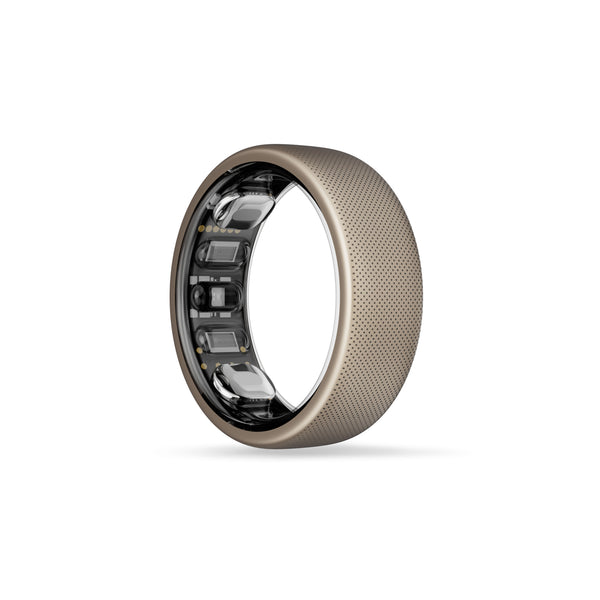
Amazfit Helio Ring: Affordable Titanium Smart Ring with EDA Stress Sensing
A titanium alloy smart ring offering heart rate, HRV, SpO2, skin temperature, sleep staging, and electrodermal activity (EDA) stress sensing at $149.99 when bundled with an Amazfit watch or $299.99…
