
The Daily Rounds: Longevity & Health Care Brief | May 31, 2026
Your daily briefing on the science of living longer, better. Covering the past 24 to 48 hours in longevity, medicine, and healthspan research.
Presented By Our Partners



🧠 NEUROLOGY & COGNITIVE HEALTH
🧠 Long COVID Brain Inflammation Theory Challenged by New Imaging Data
Researchers at the University of Turku used advanced TSPO PET brain imaging to investigate whether long COVID patients show signs of widespread neuroinflammation and found no such evidence, upending a leading hypothesis about persistent post-COVID symptoms. Instead, the most severe long COVID symptoms were associated with heightened activity in brain regions governing mood and emotional regulation, suggesting the condition may be better addressed through stress and emotional therapies than anti-inflammatory treatments. The findings, published in the Journal of Neurology 2026, mark a significant pivot in long COVID research and could reshape clinical care protocols for the millions still experiencing prolonged post-infection symptoms.
📌 Read more → ScienceDaily / Long COVID Neuroimaging Study
🧠 CBD May Slow Alzheimer’s by Calming the Brain’s Overactive Immune Response
A new study released in late May 2026 found that cannabidiol may slow Alzheimer’s disease progression by suppressing overactive microglial immune responses in the brain, building on prior mouse model research showing CBD reduced tau and amyloid accumulation and restored synaptic structure. The mechanism appears to involve CBD binding to the FRS2 protein and stabilizing the TrkB-FRS2 signaling complex, activating neuroprotective pathways independently of BDNF. Scientists say the findings support expanding CBD research into clinical trials for early-stage Alzheimer’s, where halting neuroinflammation could preserve cognitive function before widespread damage occurs.
📌 Read more → ScienceDaily / CBD and Alzheimer’s Neuroinflammation
🧠 Key Protein GPNMB Identified as Driver of Parkinson’s Disease Spread
A study published in Neuron identified GPNMB, an immune-related glycoprotein secreted by damaged neurons, as a key accelerant of alpha-synuclein spread in Parkinson’s disease, creating a self-reinforcing feedback loop where protein aggregation triggers GPNMB release that worsens further spread. Critically, the researchers showed that monoclonal antibodies targeting GPNMB can block this propagation cycle, providing a concrete drug target with an existing antibody platform. Elevated GPNMB levels were specifically linked to Parkinson’s and not to other neurodegenerative conditions like Alzheimer’s, giving the finding strong disease-specificity and accelerating its therapeutic relevance.
📌 Read more → Neuroscience News / GPNMB and Parkinson’s Disease
❤️ CARDIOVASCULAR HEALTH
❤️ Scientific American Cover Story: Chronic Inflammation Is the Hidden Engine of Heart Disease
Scientific American’s May 2026 cover story “Your Heart In Flames” spotlights a paradigm shift in cardiovascular medicine: chronic low-grade inflammation, rather than cholesterol alone, may be the underlying engine driving heart attacks and strokes, particularly in the quarter of patients who have no traditional risk factors. Inexpensive anti-inflammatory drugs like colchicine are emerging as promising cardiac treatments after large clinical trials demonstrated a 31 percent reduction in major cardiovascular events with low daily doses. The cover story signals that inflammation testing and targeted anti-inflammatory therapy may soon become standard elements of cardiovascular risk management alongside LDL and blood pressure measurement.
📌 Read more → Scientific American / Heart Disease and Inflammation
❤️ Wearable Ring Estimates Vascular Age During Sleep Using Overnight Pulse Data
Research highlighted in April-May 2026 found that pulse signals captured overnight by a consumer wearable ring can reliably estimate vascular age, providing a passive, non-invasive window into cardiovascular health previously accessible only through clinical testing. Vascular age reflects arterial stiffness and blood vessel health independently of chronological age, making it one of the most actionable predictors of long-term heart disease and stroke risk. The finding represents a meaningful expansion of what smart rings can contribute to preventive cardiology entirely outside of hospital settings.
📌 Read more → Medical Xpress / Wearable Ring and Vascular Age
🦠 GUT MICROBIOME & IMMUNE HEALTH
🦠 Akkermansia muciniphila Shows Metabolic Benefits in Early Human Trials
Specific probiotic strains, particularly Akkermansia muciniphila, are showing promising metabolic effects in early human trials at high doses, with improvements in glucose regulation and systemic inflammation markers suggesting this gut bacteria species deserves accelerated clinical investigation. Research published in 2026 places Akkermansia at the center of a growing body of work connecting microbiome composition to metabolic disease risk, with the bacterium associated with leaner body composition, lower cardiovascular risk, and better insulin sensitivity. Scientists caution that while results are encouraging, microbiome modulation remains a complement to lifestyle intervention rather than a standalone treatment for metabolic conditions.
Featured Partner
Invest in the Infrastructure Behind Modern Medicine
As healthcare expands beyond hospital walls, the buildings and campuses supporting that shift are generating compelling returns for investors who move early. The Healthcare Real Estate Fund offers qualified investors direct access to a curated portfolio of medical office, outpatient, and specialty care facilities.
Learn More →
📌 Read more → Tutela Medical / Gut Microbiome and Metabolism 2026
🦠 Frontiers Review: Nutrition and Microbiome Share a Bidirectional Dialogue That Shapes Lifelong Disease Risk
A comprehensive synthesis published in Frontiers in Nutrition establishes that the relationship between diet and the gut microbiome is deeply bidirectional, with the microbiome not only responding to nutritional inputs but actively shaping appetite, immune function, and metabolic homeostasis across the lifespan. Fermentable prebiotic fibers, polyphenol-rich plant foods, and diverse dietary patterns consistently promote colonization of health-associated bacterial species, while ultra-processed foods and antibiotic exposure significantly erode microbiome resilience. The authors argue that dietary guidelines should explicitly incorporate microbiome diversity as a measurable health outcome alongside traditional markers like BMI and blood lipids.
📌 Read more → Frontiers in Nutrition / Gut Microbiome and Disease
🔬 CELLULAR HEALTH, SENOLYTICS & EPIGENETICS
🔬 Senolytics Measurably Reduce Epigenetic Age Estimates in Blood
Research published in PMC demonstrated that treatment with senolytic compounds, which selectively clear senescent “zombie” cells from the body, produced measurable reductions in epigenetic age estimates derived from blood samples, with effects likely attributable to preferential targeting of more highly senescent cell populations. The finding links clearance of dysfunctional cells directly to a reversal of biological age signatures at the molecular level, providing the clearest evidence yet that senolytics do more than improve physical function. Researchers say combining senolytics with epigenetic monitoring could create a feedback loop for personalized longevity interventions, guiding treatment timing and dosing based on measured biological age response.
📌 Read more → PMC / Senolytic Compounds and Epigenetic Age
🔬 Fisetin Reduces Cellular Senescence in Skeletal Muscle and Improves Physical Function
New research confirms that fisetin, a natural flavonoid found in strawberries and apples, significantly decreases markers of cellular senescence in skeletal muscle in aging subjects while producing measurable improvements in physical function, positioning it as one of the most accessible naturally-derived senolytics under active investigation. The compound appears to work through multiple pathways including suppression of senescence-associated secretory phenotype signaling, the inflammatory cascade that causes senescent cells to damage surrounding healthy tissue. Researchers are calling for larger randomized controlled trials to determine optimal dosing protocols and long-term safety in elderly populations.
📌 Read more → MDPI Biomolecules / Epigenetics and Senolytics in Aging
🤖 AI IN MEDICINE & DRUG DISCOVERY
🤖 AI Compresses Drug Discovery From Years to Weeks Across the Pharmaceutical Industry
A comprehensive PMC review published in 2026 documents how AI is compressing the earliest and most expensive phases of drug discovery from years-long processes into weeks, with machine learning now supporting target identification, lead optimization, and drug repurposing with speed and accuracy that is fundamentally altering pharmaceutical R&D economics. The review highlights how multi-omics data integration with clinical records via AI is enabling smarter patient stratification, better predictive biomarker discovery, and more reliable identification of molecular candidates that translate from lab to clinic. Industry analysts say early-mover pharmaceutical companies that integrated AI into discovery pipelines three to five years ago are now reporting meaningful competitive advantages in pipeline productivity.
📌 Read more → PMC / AI in Drug Discovery: Lab to Clinic
🤖 AI Trial Platforms Achieve Better Patient Matching and Endpoint Consistency
Emerging AI platforms like TrialMatchAI are demonstrating measurable improvements in patient-to-trial matching accuracy and endpoint consistency, addressing two of the most costly failure modes in clinical research: enrollment of mismatched patients and inconsistent endpoint measurement that obscures real treatment effects. The 2026 Clinical Trials Arena report highlights that AI-driven tools are simultaneously expanding the representativeness of trial populations, which is critical for ensuring that approved therapies work across real-world patient demographics. Researchers say these gains could cut the average Phase III trial timeline by 12 to 18 months while reducing per-patient costs.
📌 Read more → Clinical Trials Arena / AI Breakthroughs in Trials 2026
💪 MUSCLE MASS, STRENGTH & METABOLIC HEALTH
💪 Simple Chair-Stand Test Predicts Longevity as Accurately as Complex Fitness Assessments
Research published in May 2026 found that the sit-to-stand test, the ability to rise from a chair quickly and repeatedly, predicts long-term mortality risk with accuracy comparable to far more elaborate fitness assessments, validating a simple clinical tool that requires no equipment and takes under two minutes to administer. The test captures integrated lower-body power, balance, and neuromuscular coordination that decline predictably with age and accelerating disease, making it one of the most efficient screening tools for frailty and longevity risk available to primary care physicians. The findings reinforce that functional strength, not just aerobic fitness, is a critical and independent determinant of healthspan.
📌 Read more → ScienceDaily / Chair-Stand Test and Longevity
💪 47-Year Swedish Study: Strength Decline Begins at 35, but Late Exercise Still Delivers Real Gains
A sweeping longitudinal study tracking nearly five decades of physical performance data found that measurable declines in muscular strength, fitness, and endurance begin around age 35, earlier than most clinical guidelines acknowledge, but crucially found that individuals who begin or resume regular exercise later in life still achieve meaningful gains in function and longevity outcomes. The data challenge a common fatalistic view that exercise benefits are limited to those who start young, reinforcing that strength training initiated in midlife or beyond remains one of the highest-return health investments available. Researchers say the findings argue for making strength assessment and exercise prescription a routine component of medical care beginning in the mid-thirties.
📌 Read more → ScienceDaily / 47-Year Fitness and Strength Study
😴 SLEEP & CIRCADIAN HEALTH
😴 Machine Learning Identifies Core Sleep Biomarkers Predicting Cardiometabolic Risk Before Symptoms Emerge
A new study used machine learning applied to consumer wearable sleep data to identify a set of core sleep biomarkers, including respiratory disturbance index, minimum oxygen saturation, and sleep fragmentation patterns, that reliably predict early cardiometabolic risk in otherwise healthy individuals before clinical symptoms emerge. The research signals a shift in sleep medicine from focusing on sleep duration alone toward aggressive screening of subclinical sleep-disordered breathing and nocturnal hypoxemia, conditions now detectable through sophisticated consumer wearables at scale. Researchers say deployment of these predictive algorithms into mainstream wearable platforms could enable population-level early detection of cardiovascular and metabolic disease at minimal cost.
📌 Read more → medRxiv / Sleep Biomarkers and Cardiometabolic Risk
😴 Wearable Sleep Data Predicts COPD Pulmonary Rehab Engagement with Machine Learning
A proof-of-concept study published in PMC found that wearable sleep data collected passively at home can be used with machine learning to predict which COPD patients are most likely to disengage from home-based pulmonary rehabilitation programs, enabling proactive clinical intervention before dropout occurs. The finding demonstrates a cross-domain value of sleep data: it is not only predictive of sleep disorders but also reflects physiological and behavioral patterns that govern adherence to demanding chronic disease management programs. Researchers say this approach could be extended to other chronic conditions where rehabilitation adherence is a major barrier to improved outcomes.
📌 Read more → PMC / Wearable Sleep Monitoring and Pulmonary Rehab
📌 TODAY’S TOP TAKEAWAYS
- 🧠 Long COVID Inflammation Theory Overturned — Brain imaging finds no widespread neuroinflammation in long COVID; emotional regulation regions are overactive instead, fundamentally redirecting treatment strategy.
- ❤️ Inflammation Is Heart Disease’s Hidden Engine — Scientific American’s May cover story highlights colchicine cutting cardiac events by 31 percent in trials, shifting cardiology toward anti-inflammatory protocols.
- 🧠 GPNMB Protein Drives Parkinson’s Spread — A Neuron study maps a self-reinforcing alpha-synuclein propagation loop and a monoclonal antibody strategy that can interrupt it.
- 💪 Strength Decline Starts at 35 — A 47-year Swedish study confirms muscle loss begins earlier than guidelines acknowledge, but exercise started later in life still meaningfully extends healthspan.
- 🔬 Senolytics Reduce Biological Age in Blood — Senolytic compounds produce measurable reductions in epigenetic age estimates, directly linking zombie-cell clearance to molecular rejuvenation signatures.
Sources compiled from ScienceDaily, Scientific American, Neuroscience News, Medical Xpress, Frontiers in Nutrition, PMC, medRxiv, Clinical Trials Arena, Tutela Medical, Neuron. Published: May 31, 2026.


Similar Posts

Tim Ferriss’s Health and Longevity Stack: The Biohacker Who Got More Conservative
Tim Ferriss’s current health and longevity stack is less extreme than many expect: sleep, exercise, food quality, creatine, vitamin D, metabolic experiments, mitochondrial health, and cautious interest in rapamycin, ketones,…
Elvie Trainer: Premium Pelvic Floor Biofeedback Device with Real-Time Visualization
Half of all women who attempt Kegel exercises perform them incorrectly. The most common error, bearing down instead of lifting, can actually worsen the pelvic floor dysfunction the exercises are…
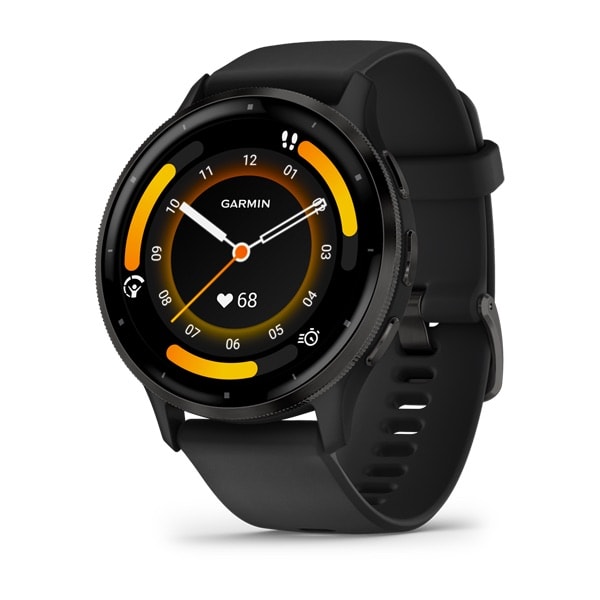
Garmin Venu 3 Sleep Tracking: Nap Detection, Sleep Coaching, and 14-Day Battery
The only mainstream smartwatch that detects naps automatically, coaches you on sleep debt, and tracks sleep for two weeks on a single charge, eliminating the battery anxiety that undermines overnight…
Are GLP-1 Drugs the First True Longevity Medicines? What the Newest Science Reveals
A cluster of landmark studies is forcing scientists to ask a radical question: could the drugs that conquered obesity also slow the biological clock? The answer is more complicated, and…

Your Immune System Is Aging Because Your Mitochondria Are Failing: How Mitophagy Activation Is Reversing Immune Decline in Clinical Trials
A landmark clinical trial published in Nature Aging shows that urolithin A, a natural mitophagy activator, rejuvenated immune cell populations in middle-aged adults in just 28 days. The MitoImmune trial…
Vitruvian Trainer+: Adaptive Resistance Technology and the Science of Progressive Overload at Home
A floor-based smart cable machine delivering up to 440 pounds of adaptive resistance with AI-driven programming. Can a platform the size of a yoga mat replace the barbell for serious…
