
The Daily Rounds: Longevity & Health Care Brief | June 9, 2026
Your daily briefing on the science of living longer, better. Covering the past 24 to 48 hours in longevity, medicine, and healthspan research.
Presented By Our Partners



🤖 AI IN MEDICINE & DRUG DISCOVERY
🤖 Daraxonrasib Doubles Median Survival in Metastatic Pancreatic Cancer at ASCO 2026
A Phase 3 trial of daraxonrasib, an oral once-daily inhibitor targeting the active form of RAS proteins, cut the risk of death by 60% compared to standard chemotherapy in patients with metastatic pancreatic cancer, extending median overall survival from 6.7 months to 13.2 months. The results, presented at the ASCO Annual Meeting to a standing ovation, mark the most consequential shift in pancreatic cancer treatment in more than a decade. The data will be submitted to the FDA to support a new drug approval for this notoriously difficult-to-treat malignancy.
📌 Read more → ecancer / Daraxonrasib Doubles Median Overall Survival in Metastatic Pancreatic Cancer
🤖 OpenAI Reasoning Model Matches or Outperforms Physicians in Clinical Diagnosis Study
Researchers at Harvard Medical School and Beth Israel Deaconess Medical Center found that a reasoning AI model developed by OpenAI matched and often outperformed physicians in diagnostic accuracy and patient care decision-making, surpassing earlier AI models including GPT-4. The study adds to a growing body of evidence that AI can serve as a meaningful clinical decision support tool, though separate research from Mass General Brigham found that generative models still struggle with complex differential diagnoses. Investigators say real-world clinical integration remains the key challenge ahead.
📌 Read more → NPR / An AI Model Beat Doctors at Diagnosing Patients in a New Study
🤖 Personalized mRNA Vaccine Plus Keytruda Sustains 49% Melanoma Recurrence Reduction Over Five Years
Updated five-year data from the KEYNOTE-942 trial, presented at ASCO 2026, confirmed that combining Moderna’s personalized mRNA cancer vaccine intismeran autogene with pembrolizumab reduces the risk of melanoma recurrence or death by 49% compared to Keytruda alone, raising five-year overall survival from 71.3% to 92.2%. The vaccine is custom-built for each patient using genetic information from their tumor to target cancer-specific antigens. Researchers describe these results as the strongest evidence yet that personalized mRNA immunotherapy delivers durable cancer protection after surgery.
📌 Read more → ecancer / Cancer Vaccine Sustains 49 Percent Melanoma Reduction After 5 Years
❤️ CARDIOVASCULAR HEALTH
❤️ Survodutide Phase III: Dual Glucagon/GLP-1 Agonist Achieves 16.6% Sustained Weight Loss With Cardiometabolic Gains
Boehringer Ingelheim’s survodutide, a novel dual agonist targeting both glucagon and GLP-1 receptors simultaneously, achieved sustained average weight loss of 16.6% after 76 weeks in adults with obesity or overweight, with full data presented at the 2026 ADA Scientific Sessions. Beyond weight reduction, the drug delivered meaningful improvements across a broad panel of cardiometabolic markers, distinguishing it from single-target GLP-1 receptor agonists. The results position survodutide as a potential next-generation therapy in the increasingly competitive metabolic disease space.
❤️ Night Owl Chronotype Raises Heart Disease Risk Primarily Through Modifiable Behaviors
A new American Heart Association study found that evening-type people face meaningfully higher cardiovascular disease risk, but the gap is largely explained by modifiable behaviors including poorer diet quality, higher smoking rates, and more irregular sleep patterns rather than the chronotype itself. The findings suggest that targeted interventions around diet improvement, smoking cessation, and sleep regularity could substantially close the cardiac risk differential between morning and evening types. Researchers say this reframes the night owl risk profile from a fixed biological trait to a genuinely manageable behavioral challenge.
📌 Read more → American Heart Association / Being a Night Owl May Increase Your Heart Risk
🦠 GUT MICROBIOME & IMMUNE HEALTH
🦠 Gut Bacteria Use Protein Injection Systems to Directly Program Human Immune Cells
Researchers at Helmholtz Munich and international partners published a landmark discovery in Nature Microbiology showing that common gut bacteria carry specialized protein injection systems, previously thought to belong almost exclusively to disease-causing pathogens, and use them to deliver proteins directly into human cells and actively shape immune responses. The team mapped more than 1,000 direct interactions between bacterial proteins and human proteins, revealing a previously unknown molecular communication layer between the microbiome and the immune system. The findings advance understanding of how gut bacteria contribute to inflammatory diseases like Crohn’s disease and shift microbiome research from correlation toward causation.
Featured Partner
Invest in the Infrastructure Behind Modern Medicine
As healthcare expands beyond hospital walls, the buildings and campuses supporting that shift are generating compelling returns for investors who move early. The Healthcare Real Estate Fund offers qualified investors direct access to a curated portfolio of medical office, outpatient, and specialty care facilities.
Learn More →
🦠 Nine-Week Pre-Surgical Pembrolizumab Keeps All Colon Cancer Patients Relapse-Free After Three Years
Updated data from the NEOPRISM-CRC trial, presented at AACR 2026, found that patients with MMR-deficient colorectal cancer who received just nine weeks of pembrolizumab before surgery have remained completely cancer-free for nearly three years, challenging the standard approach of surgery followed by months of chemotherapy. The trial enrolled 32 patients with stage 2 or 3 bowel cancer and achieved zero recurrences across more than 33 months of follow-up. Researchers are now using personalized blood tests and immune profiling to identify which patients doing well may be candidates for less intensive treatment going forward.
📌 Read more → ScienceDaily / Colon Cancer Breakthrough Keeps Patients Cancer-Free for Nearly 3 Years
🔬 CELLULAR HEALTH, SENOLYTICS & EPIGENETICS
🔬 Fisetin Senolytic Preserves Muscle Mass and Strength in Aging by Clearing Zombie Cells
Emerging evidence shows that fisetin, a naturally occurring flavonoid found in strawberries and apples, performs on par with pharmaceutical senolytic compounds at preserving skeletal muscle mass and improving physical function in aging by selectively flushing senescent cells from muscle tissue. Intermittent supplementation protocols are proving particularly effective at reducing cellular senescence markers without the toxicity concerns associated with drug-based senolytics. Researchers highlight fisetin’s favorable safety profile as making it a compelling candidate for upcoming human trials targeting age-related muscle decline.
🔬 Senolytic Field Pivots From Broad Cell Clearing to Precision Cellular Reprogramming
A major review published in npj Aging outlines how the senolytic field is evolving from broad-spectrum approaches that indiscriminately clear all senescent cells toward precision reprogramming strategies that selectively restore normal function to specific cell populations without eliminating them. The shift reflects growing concern that blanket senolytic therapy may destroy beneficial senescent cells involved in wound healing and tissue repair. Authors argue that a combinatorial approach integrating targeted senolytics, senomorphics, and metabolic enhancers offers the most promising path toward meaningful healthspan extension.
💪 MUSCLE MASS, STRENGTH & METABOLIC HEALTH
💪 Grip Strength Alone Predicts Mortality in Women Over 60 Regardless of Aerobic Exercise
The largest study to date examining muscle strength and longevity in older women, published in JAMA Network Open and led by University at Buffalo researchers, found a consistent association between grip strength and lower mortality risk in women over 60 that held even among those who did not meet standard aerobic exercise guidelines. The findings underscore that resistance training and strength preservation are independent protective factors for longevity in older women, not merely accessories to cardiovascular fitness. Researchers recommend that clinicians prioritize grip strength assessment as a routine longevity biomarker in this population.
📌 Read more → University at Buffalo / For Women Over 60, Muscle Strength Matters
💪 Optimal Longevity Formula: 90 to 120 Minutes of Strength Training Plus Regular Cardio Weekly
After tracking more than 147,000 adults for up to 30 years, researchers publishing in the British Journal of Sports Medicine found that 90 to 120 minutes per week of resistance training combined with regular aerobic activity was associated with the lowest all-cause mortality risk across all age groups studied. Even those who began strength training in midlife or later still achieved meaningfully lower mortality compared to sedentary peers. The study provides the clearest population-level exercise prescription yet for longevity optimization.
📌 Read more → SciTechDaily / The Best Exercise Combination for Longevity According to a 30-Year Study
🥗 NUTRITION & METABOLIC HEALTH
🥗 GLP-1 Era Review: Quality Weight Loss Means Preserving Muscle, Not Just Losing Pounds
A comprehensive narrative review published in Pharmaceuticals in June 2026 argues that the explosive growth of GLP-1 receptor agonist therapies has outpaced clinical guidance on preserving skeletal muscle during drug-induced weight loss, creating risk that patients shed functional muscle alongside fat. The authors propose a framework for high-quality weight loss that integrates precision nutrition, resistance training, and adequate protein intake to protect neuromuscular function and cardiometabolic health throughout treatment. They call for updated prescribing guidelines that go beyond BMI reduction as the primary treatment metric.
🥗 NIH Identifies Novel Hindbrain Pathway Explaining How Semaglutide Drives Weight Loss
NIH researchers have identified that semaglutide drives weight loss primarily through cAMP-dependent mechanisms acting on GLP-1 receptor-expressing neurons in the hindbrain, providing a clearer mechanistic map of how the drug works beyond simple appetite suppression. The discovery opens a new avenue for designing next-generation GLP-1 therapies that more precisely target this neurological pathway to enhance efficacy while reducing side effects. Understanding this pathway may also help explain why some patients respond more robustly to GLP-1 drugs than others despite similar dosing.
📌 Read more → NIH / Researchers Identify Avenue for Enhanced GLP-1 Induced Weight Loss
😴 SLEEP & CIRCADIAN HEALTH
😴 Circadian Rhythm Digital Therapeutic Shows Feasibility and Real Symptom Improvement for Insomnia
A feasibility study published in PMC examined a digital therapeutic designed around circadian rhythm principles for treating chronic insomnia and found it to be both acceptable to patients and associated with meaningful within-subject improvements in insomnia severity scores. The app-based intervention targets circadian misalignment as the root cause of poor sleep rather than relying on sedation, aligning with growing evidence that sleep timing and rhythm strength matter as much as total sleep duration. Researchers recommend larger randomized controlled trials to validate the approach at scale.
📌 Read more → PMC / The Circadian Rhythm for Sleep Digital Therapeutic for Insomnia: Feasibility Study
😴 Industrial Societies Sleep Longer but Have Weaker Circadian Function Than Traditional Populations
A large cross-population study published in PMC found that people in modern industrial societies sleep longer on average than individuals in small-scale non-industrial communities, yet show significantly weaker circadian rhythmicity and less consistent sleep timing across days. The paradox suggests that modern environments, despite enabling longer sleep, may undermine the circadian regulation that anchors sleep quality and downstream health outcomes. Researchers point to artificial light exposure, irregular daily schedules, and reduced outdoor time as key drivers of circadian dysfunction in high-income societies.
⌚ WEARABLES, BIOMARKERS & PRECISION HEALTH
⌚ Multiplexed Wearable Biosensors Edge Toward Clinical Use With Simultaneous Multi-Biomarker Tracking
A 2026 review in Lab on a Chip highlights emerging wearable biosensor technologies capable of simultaneously measuring glucose, lactate, and hydration levels using microfluidic systems and combined electrical and optical sensing, representing a major advance beyond single-metric consumer wearables. Leveraging AI to interpret the resulting multi-parameter data streams, these devices show promise as early disease indicators across metabolic, cardiovascular, and neurological applications. Researchers identify the convergence of multiplexed sensing and edge computing as the remaining barrier before clinical-grade continuous biomarker monitoring becomes widely accessible.
📌 TODAY’S TOP TAKEAWAYS
- 🤖 Pancreatic Cancer Gets Its Biggest Breakthrough in a Decade: Daraxonrasib nearly doubles median survival versus chemotherapy, earning a standing ovation at ASCO 2026 and advancing toward FDA submission.
- 🦠 Gut Bacteria Talk to Your Immune System in a Newly Discovered Molecular Language: A Helmholtz Munich team maps over 1,000 direct protein interactions between common gut bacteria and human cells, fundamentally reframing how the microbiome shapes immunity.
- ❤️ Night Owl Cardiac Risk Is Mostly Behavioral, Not Biological: AHA research shows the elevated heart disease risk for evening types is largely explained by modifiable lifestyle factors, making it genuinely actionable.
- 💪 Grip Strength Is a Mortality Predictor for Older Women, Period: The largest study of its kind confirms muscle strength protects women over 60 from early death regardless of how much aerobic exercise they do.
- 🥗 GLP-1 Success Depends on What You Keep, Not Just What You Lose: A new clinical framework urges practitioners to prioritize muscle preservation alongside weight loss in GLP-1 therapy to protect long-term function and metabolic health.
Sources compiled from ecancer, NPR, Boehringer Ingelheim, American Heart Association, Helmholtz Munich, ScienceDaily, University at Buffalo, SciTechDaily, Pharmaceuticals (MDPI), NIH, PMC / National Library of Medicine, Lab on a Chip (RSC). Published: June 9, 2026.


Similar Posts

Bloomlife Pregnancy Monitor: Wearable Contraction and Fetal Movement Tracker
Pregnant women have been told to “count the contractions” for generations, but timing contractions with a stopwatch during active labor is like measuring a hurricane with a rain gauge. A…

Sleep Regularity Beats Duration: Why When You Sleep May Matter More Than How Long
A 60,977-person UK Biobank study found that sleep regularity predicts all-cause mortality more powerfully than sleep duration. Inside the science of the Sleep Regularity Index, social jet lag, slow-wave sleep,…
The Daily Rounds: Longevity & Health Care Brief | June 2, 2026
🧠 Blood Test Predicts Alzheimer's 3 to 4 Years Out: Washington University's p-tau217 blood model gives clinicians a non-invasive early warning window years before cognitive symptoms appear, now being incorporated into Alzheimer's Association screening guidelines. ❤️ Microplastics Under Major NIH Investigation for Heart Toxicity: UC Cincinnati receives $3.3M to map the pathways by which microplastics drive atherosclerosis, building on findings that microplastic-laden arterial plaque quadruples the risk of cardiovascular events. 🦠 Young Gut Bacteria Reverses Liver Aging in Animal Study: Fecal microbiota transplantation from young to old mice reversed hepatic aging markers and reduced cancer risk signals at Digestive Disease Week 2026, opening a new pathway for gut-based organ rejuvenation research. 🔬 Largest Human Rapamycin Trial Now Underway: 720 participants receiving two years of weekly low-dose rapamycin represent the most rigorous human longevity intervention test yet conducted, with frailty and systemic inflammation as primary endpoints. ⌚ Lab-on-Skin Wearables Enter the Market: Microneedle biosensors delivering real-time interstitial fluid biochemistry have entered commercial availability, bringing continuous metabolic monitoring out of the clinic and onto the wrist.
Imaware At-Home Blood Tests: Autoimmune and Metabolic Screening Made Accessible
Twenty-four million Americans have autoimmune disease. On average, it takes 4.5 years and five doctor visits to get a diagnosis. What if the first test could be done at home?…
OhmBody: Dual-Pathway Auricular Neurostimulation Wearable for Menstrual Wellness
The first consumer wearable designed to simultaneously engage vagus and trigeminal nerve pathways through ear-based neurostimulation for drug-free menstrual comfort, with pilot studies showing 88% of participants experiencing greater comfort,…
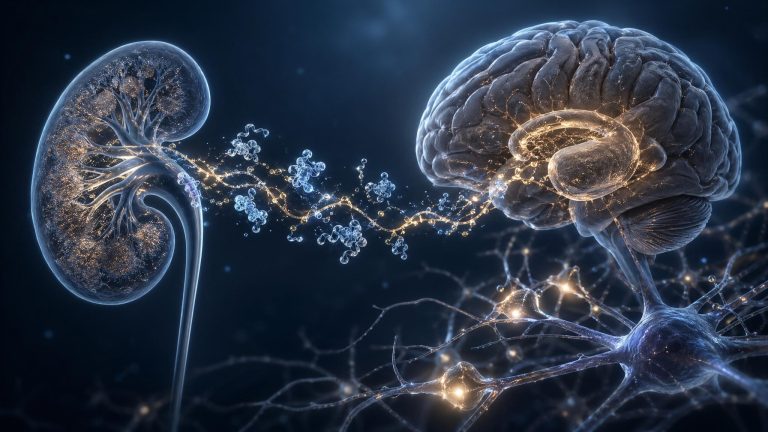
The Klotho Protein: How a Single Longevity Hormone Is Reshaping Brain Aging Research in 2026
Discovered almost by accident in 1997 and named after the Greek fate that spins the thread of life, klotho is the longevity hormone that may connect kidney biology, cognitive aging,…
