
The Daily Rounds: Longevity & Health Care Brief | June 2, 2026
Your daily briefing on the science of living longer, better. Covering the past 24 to 48 hours in longevity, medicine, and healthspan research.
Presented By Our Partners



🧠 NEUROLOGY & COGNITIVE HEALTH
🧠 Blood Test Now Predicts Alzheimer’s Symptom Onset Within 3 to 4 Years
Researchers at Washington University School of Medicine have validated a blood-based model using phosphorylated tau 217 (p-tau217) that can predict when Alzheimer’s disease symptoms are likely to begin, with a predictive window of roughly three to four years, even when brain imaging appears normal. Higher p-tau217 levels track with faster amyloid accumulation and accelerating cognitive decline, giving clinicians a non-invasive early warning tool years before memory loss becomes clinically apparent. The Alzheimer’s Association has moved to incorporate blood-based tau biomarker testing into updated clinical screening guidelines.
📌 Read more → Mass General Brigham / Blood Test Predicts Alzheimer’s Before Symptoms
🧠 Sex Differences in Circadian Preference Significantly Shape Cognitive Aging Trajectories
A new PMC study reveals significant sex differences in how morning versus evening chronotypes interact with age-related cognitive and metabolic changes, with women showing distinct patterns of circadian drift and sleep architecture shifts that diverge from male aging trajectories beginning in midlife. The findings suggest that sex-specific chronobiology must be incorporated into precision medicine approaches for cognitive decline prevention, as blanket sleep recommendations may underperform when applied uniformly across biological sexes. Authors call for circadian phenotyping to become a routine part of cognitive health assessments in older adults.
📌 Read more → PMC / Rhythm and Rest: Sex, Circadian Preference, and Sleep During Aging
❤️ CARDIOVASCULAR HEALTH
❤️ University of Cincinnati Secures $3.3M NIH Grant to Study Microplastics and Heart Toxicity
The National Institute of Environmental Health Sciences has awarded a five-year, $3.3 million grant to University of Cincinnati researchers to conduct the most comprehensive preclinical study yet on how microplastics and nanoplastics accumulate in cardiac tissue and accelerate cardiovascular disease. Prior research found polyethylene particles in the arterial plaque of over half of carotid artery disease patients, with those patients experiencing 4.5 times higher risk of heart attack, stroke, or death over three years. This new study will map the specific biological pathways through which microplastic exposure drives atherosclerosis, oxidative stress, and endothelial dysfunction.
📌 Read more → University of Cincinnati / Microplastics and Heart Health Grant
❤️ Pregnancy Hypertension Predicts Long-Term Cardiovascular Risk, NYU Program Reports
NYU Langone’s dedicated Postpartum Cardiovascular Health Program has found that women who experience high blood pressure during pregnancy face elevated long-term heart disease risk that can be identified through specialized screening in the months immediately following delivery. The data reveal a critical and underutilized clinical window, as standard postpartum care typically ends at six weeks, long before most cardiovascular risk factors are formally assessed in this population. Researchers presented findings at ACC.2026 and are calling for expanded cardiovascular monitoring protocols for all women who experience pregnancy-related hypertension.
📌 Read more → NYU Langone / Postpartum Cardiovascular Health at ACC.2026
🦠 GUT MICROBIOME & IMMUNE HEALTH
🦠 Young Gut Bacteria Transplanted Into Aged Mice Reverses Liver Aging and Reduces Cancer Risk
New research presented at Digestive Disease Week 2026 shows that transplanting gut microbiota from young mice into aged mice successfully reversed markers of liver aging, reduced age-related tissue damage, and lowered indicators of cancer risk, suggesting the gut microbiome may be a tractable therapeutic target for hepatic aging. The findings build on the emerging understanding that the liver’s aging trajectory is substantially influenced by gut bacteria composition and the metabolites they produce through the gut-liver axis. Researchers say the results support further investigation into fecal microbiota transplantation as a strategy for organ-level rejuvenation in aging humans.
📌 Read more → ScienceDaily / Young Gut Bacteria Reverses Liver Aging
🔬 CELLULAR HEALTH, SENOLYTICS & EPIGENETICS
🔬 Largest Human Rapamycin Longevity Trial Now Enrolling 720 Participants
The most ambitious human trial of low-dose rapamycin for longevity is now actively underway, with 720 participants receiving two years of weekly dosing and clinical endpoints focused on frailty transition and systemic inflammation rather than surrogate biomarkers alone. The study builds on the completed PEARL trial, which confirmed safety and suggested benefits particularly for women, and on decades of animal data showing rapamycin extending lifespan by 50 to 60 percent in mice when initiated in midlife. Positive results would represent the most direct human evidence yet that mTOR inhibition meaningfully extends healthspan.
📌 Read more → Healthspan / Largest Human Rapamycin Longevity Trial
🔬 Single Protein Stabilization Makes Aging Mice Measurably Stronger and Healthier
University at Buffalo scientists have published findings in Aging and Disease showing that genetically stabilizing one key regulatory protein in elderly mice produced measurable improvements in strength, mobility, and systemic health markers, without requiring broad genetic reprogramming. The protein targets a node involved in muscle maintenance and systemic stress response, and the pathway has clear human orthologs that could be modulated pharmacologically. The study adds to growing evidence that precise single-node interventions in aging biology can produce surprisingly broad physiological benefits across multiple organ systems.
Featured Partner
Invest in the Infrastructure Behind Modern Medicine
As healthcare expands beyond hospital walls, the buildings and campuses supporting that shift are generating compelling returns for investors who move early. The Healthcare Real Estate Fund offers qualified investors direct access to a curated portfolio of medical office, outpatient, and specialty care facilities.
Learn More →
📌 Read more → ScienceDaily / Protein Boost Strengthens Aging Mice
🤖 AI IN MEDICINE & DRUG DISCOVERY
🤖 Insilico Medicine’s AI-Designed Drug Completes Phase 2a Proof-of-Concept Trial
Insilico Medicine announced at BIO 2026 that Rentosertib, the world’s first AI-discovered anti-fibrotic drug candidate with a novel mechanism of action, has completed its Phase 2a proof-of-concept trial, with the company also reporting early data on ISM5411 for inflammatory bowel disease and multiple oncology programs reaching first-in-patient dosing. The milestone confirms that AI-native drug discovery has crossed from computational demonstration into clinical proof, with early human data now available to test whether computational design advantages translate to improved efficacy outcomes. Across the broader industry, 173 AI-discovered programs are currently in clinical development, with Phase I success rates of 80 to 90 percent versus the historical baseline of 40 to 65 percent.
📌 Read more → EurekAlert / Insilico Medicine at BIO 2026
🤖 AI-Derived PPG Age Validated as Real-Time Cardiovascular Digital Biomarker
Researchers have validated an AI model that derives a physiological “PPG age” from photoplethysmography waveforms captured by consumer wearables, producing a continuous digital biomarker for cardiovascular health that correlates with established clinical risk factors including arterial stiffness and vascular aging. The model detects subclinical vascular aging invisible to standard annual screenings, enabling passive monitoring of cardiovascular biological age without blood draws or clinic visits. Researchers describe PPG age as a candidate for a new class of wearable-derived vital signs in precision cardiovascular medicine and primary care risk stratification.
📌 Read more → arXiv / AI-Derived PPG Age as Cardiovascular Biomarker
💪 MUSCLE MASS, STRENGTH & METABOLIC HEALTH
💪 Grip Strength Joins Standard Vital Signs in Primary Care Offices Nationwide
A growing number of primary care clinics are now incorporating dynamometer-measured grip strength into standard vital sign assessments, driven by evidence that for every 7 kg increase in grip strength, there is a 12 percent reduction in all-cause mortality risk. Grip strength functions as a reliable proxy for overall musculoskeletal health and systemic resilience, and its measurement is inexpensive, non-invasive, and immediately actionable in clinical conversations about longevity-focused preventive care. The shift reflects broader recognition that muscle health belongs alongside blood pressure and resting heart rate as a core indicator in routine health evaluations.
📌 Read more → Washington Post / Muscle Strength as Longevity Predictor
💪 New Biochemistry Review Confirms Resistance Training Addresses Multiple Hallmarks of Aging
A comprehensive review published in MDPI confirms that skeletal muscle training adaptations operate through multiple molecular pathways to deliver systemic longevity benefits, including mitochondrial biogenesis, anti-inflammatory myokine signaling, improved insulin receptor sensitivity, and neuroprotective effects via brain-derived neurotrophic factor. The review positions strength training not merely as a musculoskeletal intervention but as a systemic biological recalibration that targets several hallmarks of aging simultaneously, including inflammation, metabolic dysregulation, and neurodegeneration. Authors argue that muscle mechanics should be studied as a core component of longevity biology alongside cellular senescence and epigenetic aging research.
📌 Read more → MDPI / Muscle Mechanics in Metabolic Health and Longevity
🥗 NUTRITION & METABOLIC HEALTH
🥗 Swedish 25-Year Study Links Full-Fat Dairy to Improved Brain Health Outcomes
A major longitudinal study tracking nearly 28,000 Swedish adults over 25 years found an unexpected protective association between full-fat dairy consumption and brain health outcomes, challenging dietary guidance that has positioned saturated fat from dairy as uniformly harmful across all health domains. The mechanism under investigation involves dairy-associated bioactive compounds including specific fatty acids, vitamin K2, and fermentation-derived metabolites that may modulate neuroinflammation and cerebrovascular function. Researchers say the findings warrant reconsideration of blanket recommendations against full-fat dairy, particularly in aging populations where brain health is a primary concern.
📌 Read more → ScienceDaily / Full-Fat Dairy and Brain Health Research
🥗 Vitamin D Levels in Midlife Linked to Lower Tau Pathology Later in Life
New research indicates that adults who maintained higher vitamin D levels during their 30s and 40s show measurably lower concentrations of tau protein in later life, a biomarker closely associated with Alzheimer’s disease progression. The findings move beyond earlier epidemiological links between vitamin D deficiency and dementia risk by identifying a downstream effect on the proteins that define Alzheimer’s pathology specifically. Researchers emphasize that the midlife window is especially critical, as tau accumulation begins silently decades before clinical symptoms emerge, making early dietary and supplementation choices consequential for long-term brain aging trajectories.
📌 Read more → ScienceDaily / Vitamin D Midlife and Brain Aging
🥗 Current B12 Guidelines May Be Insufficient to Protect the Aging Brain
New research suggests that recommended daily intakes of vitamin B12, designed primarily to prevent deficiency symptoms like anemia and peripheral neuropathy, may be inadequate to protect cognitive function in aging adults. Brain-protective effects appear to require plasma B12 levels significantly above the minimum threshold currently defined as sufficient by most national health guidelines. Researchers are calling for updated age-stratified B12 recommendations that account for the declining absorption efficiency and increased neurological vulnerability that characterize older adults.
📌 Read more → UF/IFAS Extension / Diet Changes and Brain Health
😴 SLEEP & CIRCADIAN HEALTH
😴 ICU Research Establishes Sleep and Circadian Disruption as a Driver of Multi-System Failure
A review published May 29 in Frontiers in Neurology establishes that sleep and circadian rhythm disruption in critically ill patients directly impairs immune response, metabolic regulation, cardiovascular stability, and neurocognitive recovery, making sleep preservation a clinical priority on par with standard ICU interventions. Researchers call for systematic integration of circadian-aware care protocols, including controlled light management, noise reduction, and sedation timing strategies, into critical care medicine. The review reinforces that circadian health is a physiological foundation for recovery across every organ system, not an optional comfort measure.
📌 Read more → Frontiers in Neurology / Sleep and Circadian Rhythms in Critical Care
😴 Industrial Societies Sleep Long but Show Dangerously Weak Circadian Function, Study Warns
A large-scale analysis published in PMC finds that while modern populations maintain relatively long sleep durations by historical standards, they exhibit significantly weakened circadian amplitude and coherence, largely driven by artificial light exposure, irregular schedules, and predominantly indoor living. Weak circadian function, rather than short sleep duration, may be the more consequential health risk in contemporary populations, driving hormone dysregulation, metabolic disruption, and immune suppression independently of sleep quantity. Researchers argue that public health messaging needs to shift from hours-slept targets toward circadian rhythm optimization strategies including morning light exposure, consistent meal timing, and reduced artificial light at night.
📌 Read more → PMC / Industrial Societies, Long Sleep, and Weak Circadian Function
⌚ WEARABLES, BIOMARKERS & PRECISION HEALTH
⌚ Lab-on-Skin Microneedle Wearables Reach Commercial Market in 2026
Advanced wearable biosensors using microneedle arrays to continuously sample interstitial fluid have entered commercial availability in 2026, enabling real-time tracking of glucose, lactate, alcohol levels, and pharmaceutical drug concentrations without blood draws or clinic visits. The lab-on-skin paradigm represents a fundamental shift in personal health monitoring, moving beyond heart rate and step counting toward continuous biochemical profiling that was previously accessible only in clinical settings. Researchers expect the technology to accelerate precision nutrition, metabolic disease management, and athletic performance optimization by providing dynamic biomarker data continuously throughout the day.
📌 Read more → Future Insights / Wearable Health Trackers and Medical Diagnostics 2026
⌚ AI Analysis of Everyday Wearable Data Predicts 21 Cognitive and Mental Health Outcomes
Researchers using AI to analyze passive physiological data from everyday wearables have successfully predicted 21 distinct cognitive and mental health outcomes, with patient-reported mood and cognitive measures proving more consistently predictable from wearable signals than performance-based tasks. The approach envisions continuous cognitive health monitoring between clinical visits using devices people already wear, with AI detecting early deterioration patterns months before they manifest as observable symptoms. The Digital Biomarkers in Clinical Trials Summit on June 23, 2026 will convene 350 senior pharmaceutical and clinical trial executives to advance clinical adoption of these monitoring tools.
📌 Read more → EMJ Reviews / Digital Biomarkers for Brain Health via Wearables
📌 TODAY’S TOP TAKEAWAYS
- 🧠 Blood Test Predicts Alzheimer’s 3 to 4 Years Out: Washington University’s p-tau217 blood model gives clinicians a non-invasive early warning window years before cognitive symptoms appear, now being incorporated into Alzheimer’s Association screening guidelines.
- ❤️ Microplastics Under Major NIH Investigation for Heart Toxicity: UC Cincinnati receives $3.3M to map the pathways by which microplastics drive atherosclerosis, building on findings that microplastic-laden arterial plaque quadruples the risk of cardiovascular events.
- 🦠 Young Gut Bacteria Reverses Liver Aging in Animal Study: Fecal microbiota transplantation from young to old mice reversed hepatic aging markers and reduced cancer risk signals at Digestive Disease Week 2026, opening a new pathway for gut-based organ rejuvenation research.
- 🔬 Largest Human Rapamycin Trial Now Underway: 720 participants receiving two years of weekly low-dose rapamycin represent the most rigorous human longevity intervention test yet conducted, with frailty and systemic inflammation as primary endpoints.
- ⌚ Lab-on-Skin Wearables Enter the Market: Microneedle biosensors delivering real-time interstitial fluid biochemistry have entered commercial availability, bringing continuous metabolic monitoring out of the clinic and onto the wrist.
Sources compiled from Mass General Brigham, University of Cincinnati, NYU Langone, EurekAlert, ScienceDaily, Frontiers in Neurology, PMC, Washington Post, Healthspan, arXiv, MDPI, EMJ Reviews, Future Insights, UF/IFAS Extension. Published: June 2, 2026.


Similar Posts

Amazfit Helio Ring: Affordable Titanium Smart Ring with EDA Stress Sensing
A titanium alloy smart ring offering heart rate, HRV, SpO2, skin temperature, sleep staging, and electrodermal activity (EDA) stress sensing at $149.99 when bundled with an Amazfit watch or $299.99…

The Heat Prescription: What 20 Years of Finnish Sauna Data Reveal About Your Heart, Brain, and Recovery
Two decades of Finnish KIHD cohort data link frequent sauna bathing to a 50 percent lower risk of cardiovascular death and a 66 percent lower risk of dementia. Inside the…
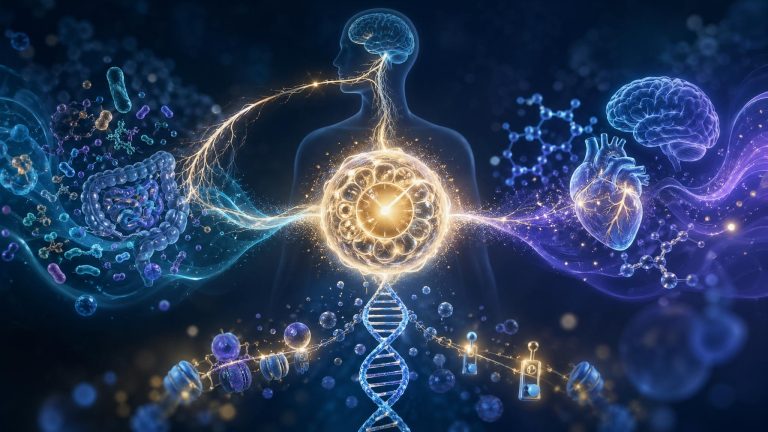
Four Weeks to a Younger Body: New Research Shows Diet Can Reverse Biological Age in Adults Over 65
A University of Sydney trial published in Aging Cell found that just four weeks of eating differently produced measurable reductions in biological age among adults between 65 and 75. The…
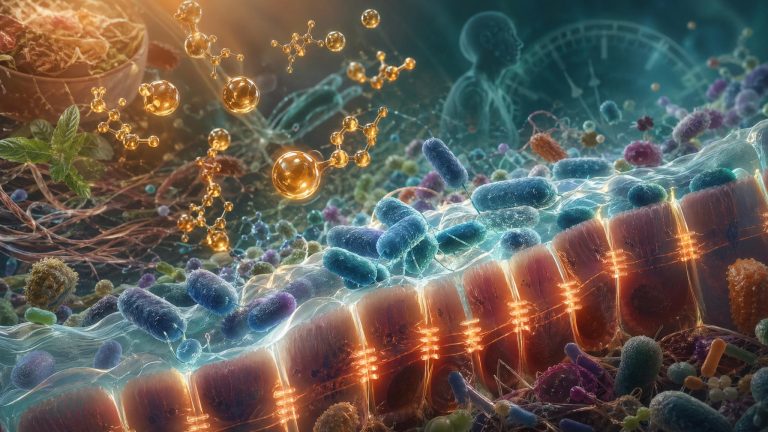
Akkermansia muciniphila: How a Single Gut Microbe Became Longevity Science’s Most Studied Bacterium in 2026
Akkermansia muciniphila lives in the gut mucus layer and may be one of the most consequential microbes in longevity medicine. Inside the de Vos discovery, the Cani lab mechanism, the…

ZOE Program: Can Your Gut Microbiome Predict How You Should Eat?
A deep dive into the science, clinical evidence, and practical realities of ZOE’s at-home gut microbiome analysis and personalized nutrition platform Presented By Our Partners In 2020, a team of…

Anthropic Just Bought a Drug Discovery Startup for $400M. Here Is What It Means for Healthcare AI.
A foundation model company just paid $400 million in stock for a team of fewer than 10 people. The implications for drug discovery, precision medicine, and the entire healthcare AI…
