The 72-Hour Promise
Newly released records from Medicare’s WISeR pilot show why AI-assisted prior authorization must be judged by timely, appropriate, completed care—not decision speed alone.


Newly released records from Medicare’s WISeR pilot show why AI-assisted prior authorization must be judged by timely, appropriate, completed care—not decision speed alone.
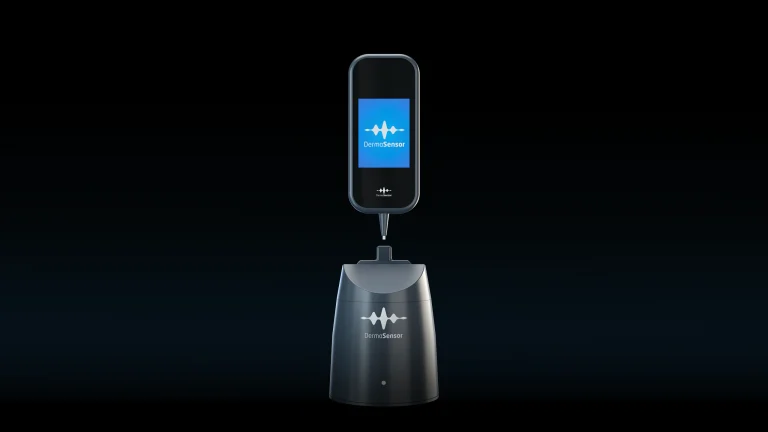
DermaSensor is an FDA-authorized AI skin cancer assessment device for primary care. Review its cost, accuracy, melanoma sensitivity, specificity, and limits.
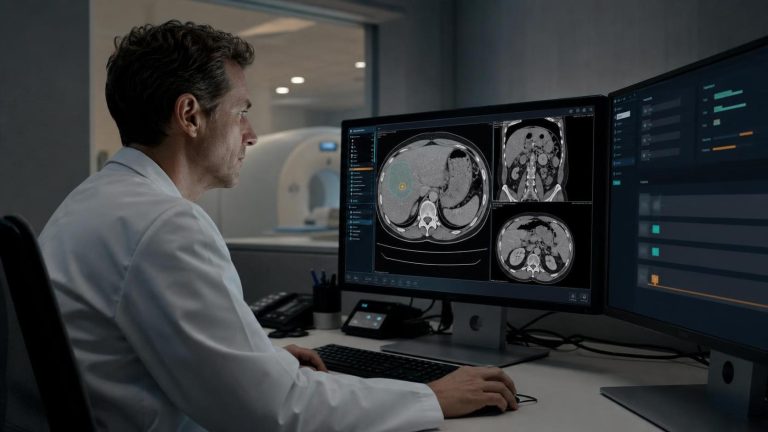
A large liver-cancer study shows what happened after an AI system found overlooked lesions: reports changed, cases escalated, and care pathways moved—without yet proving better patient outcomes.

A Mayo Clinic model may make elite medical reasoning available far beyond Rochester. But an answer is not the same thing as care—and an API cannot reorganize a hospital by…
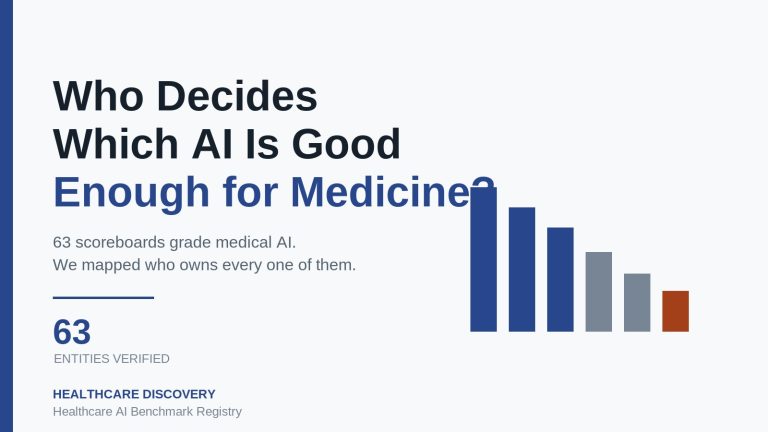
Sixty-three separate scoreboards grade medical AI. Several are built or maintained by companies with a stake in the results, the scores cannot be compared to each other, and the most…
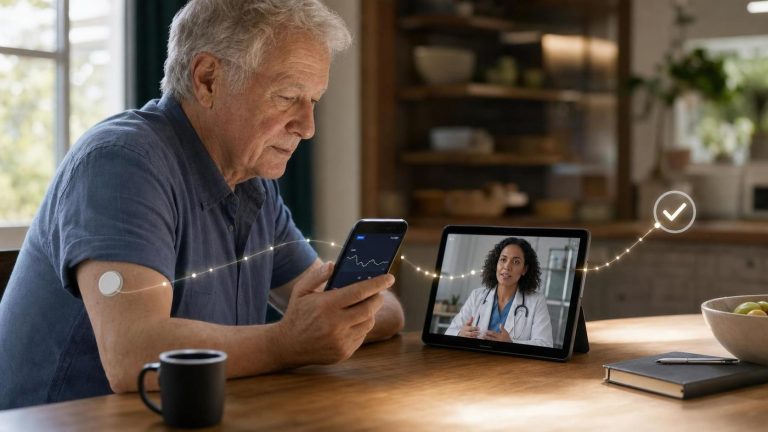
The FDA and CMS are testing a new bridge from AI-enabled chronic-care technology to Medicare payment, real-world evidence, and measurable patient outcomes. The promise is real. The proof is not…

A new emergency-department study shows where healthcare AI can matter: not simply spotting a signal, but helping a care team contact the patient and complete the next step.

When nearly every appealed skilled-nursing denial is reversed, the lesson for healthcare AI is clear: authorization systems must be judged by completed care, not processing speed.

Healthcare AI is getting better at finding signals. The harder test is whether those signals turn into accountable action, completed care, and measured outcomes.

The next serious test for healthcare AI is not whether it can notice something humans might miss. It is whether the health system can turn that notice into completed care.
 Zach Roberts
Sign up for personalized wellness coaching and the Daily Discovery Newsletter.