
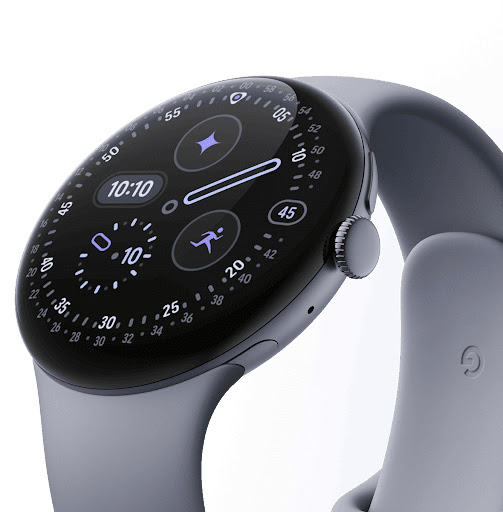
Google Pixel Watch 2: Continuous Stress Monitoring and FDA-Cleared ECG
Chronic stress kills slowly and silently, remodeling the cardiovascular system, suppressing immune function, and accelerating every major disease of aging. A smartwatch that measures it continuously could change the way we think about daily health monitoring.
Presented By Our Partners



Updated October 28, 2026: We removed Loss of Pulse Detection, which is a Pixel Watch 3 and later feature, and corrected the Pixel Watch 2 launch price to $349.99.
Product status update, August 2026. This model has been superseded. The Pixel Watch 4 is the current Google smartwatch at $350.
The physiological effects of chronic stress are not speculative. Sustained elevation of cortisol and sympathetic nervous system activation drives hypertension, promotes insulin resistance, suppresses immune surveillance, fragments sleep architecture, and accelerates atherosclerosis. The broader medical research community has documented these pathways extensively, yet stress remains one of the least quantified health metrics in daily life. Heart rate and step counts are tracked by hundreds of millions of wearable devices. Stress, despite its profound impact on longevity, is usually measured only by how a person feels, a subjective assessment that often underestimates chronic physiological activation.
Electrodermal activity (EDA), the measurement of skin conductance changes driven by sweat gland activation under sympathetic nervous system control, provides an objective physiological window into stress arousal. The Google Pixel Watch 2 is Google’s first Pixel watch with continuous electrodermal activity sensing (cEDA), a sensor that debuted on the Fitbit Sense 2, alongside FDA-cleared ECG and heart rate variability tracking. It represents Google’s most clinically relevant health device, bridging Fitbit’s decade of health research with Wear OS’s smartwatch functionality.
What Is the Google Pixel Watch 2?
The Google Pixel Watch 2 is Google’s second-generation smartwatch, running Wear OS with deep integration into both Google’s services and Fitbit’s health platform. It features the Qualcomm Snapdragon W5 Gen 1 processor, a custom Google co-processor for health sensing, and a sensor array that includes optical heart rate, single-lead ECG, SpO2, skin temperature, continuous electrodermal activity (cEDA), and a multi-path sensor for improved heart rate accuracy during exercise.
The health monitoring suite delivers continuous heart rate and HRV tracking, on-demand ECG recording with FDA clearance for atrial fibrillation detection, blood oxygen monitoring, skin temperature tracking, stress management scoring based on continuous EDA measurements, and sleep staging with sleep profile analysis.
The Pixel Watch 2 syncs with both the Fitbit app and Google Fit. Full health analytics, including Daily Readiness Score, Sleep Profile, and stress management insights, require a Fitbit Premium subscription ($9.99/month or $79.99/year). Basic health tracking functions without the subscription. The device launched at $349.99 for the Wi-Fi model and $399.99 for the LTE version.
Can your doctor see this data? Partly, if you share it. The Google Health app (formerly Fitbit) now pulls in your medical records; ECG readings export as a PDF; no automatic clinic feed confirmed.
The Science Behind Stress Monitoring and Cardiac Surveillance
Electrodermal activity reflects sympathetic nervous system arousal through changes in skin conductance caused by eccrine sweat gland activation. Unlike heart rate, which responds to both physical exertion and psychological stress, EDA is almost exclusively driven by sympathetic activation, making it a more specific marker of stress and emotional arousal. Laboratory research has consistently shown that EDA increases during cognitive load, emotional stress, anxiety, and fear responses, and decreases during relaxation, meditation, and sleep.
The transition from spot EDA measurements to continuous monitoring (cEDA) represents a meaningful advance. Traditional EDA sensors required dedicated electrodes on the fingers or palms, the areas with the highest density of eccrine sweat glands. The Pixel Watch 2’s cEDA sensor measures from the wrist, which has lower signal amplitude but enables passive, continuous monitoring throughout the day without requiring the user to initiate a measurement. Fitbit’s research team has published validation data showing that wrist-based cEDA, while less sensitive than palm-based measurement, captures physiologically meaningful stress patterns over time.
According to PubMed, a 2023 study published in JACC: Clinical Electrophysiology by Mannhart et al. (the BASEL Wearable Study) validated the accuracy of consumer smartwatch ECG for atrial fibrillation detection across five devices in 201 cardiology patients. The Fitbit Sense, which uses the same sensor platform as the Pixel Watch 2, achieved 66% sensitivity and 79% specificity for AF detection, with a 21% inconclusive tracing rate (DOI). While these numbers are lower than Apple Watch and Samsung Galaxy Watch in the same study, they still provide clinically meaningful screening capability.
Heart rate variability, which the Pixel Watch 2 tracks continuously via its optical sensor, has an extensive evidence base linking reduced HRV to increased cardiovascular mortality. The Framingham Heart Study and subsequent longitudinal research have established that HRV reflects autonomic nervous system balance, with lower values indicating greater sympathetic dominance and reduced cardiac resilience. Chronic stress is one of the primary drivers of sustained HRV reduction, creating a direct connection between the Pixel Watch 2’s stress monitoring and its cardiac health metrics.
Loss of Pulse Detection, which addresses sudden cardiac arrest, is not available on the Pixel Watch 2; Google introduced it on the Pixel Watch 3 (FDA cleared February 2025). Each minute without CPR or defibrillation reduces survival probability by approximately 10%.
That is the science. Here is how the Google Pixel Watch 2 applies it.
Featured Partner
Invest in the Infrastructure Behind Modern Medicine
As healthcare expands beyond hospital walls, the buildings and campuses supporting that shift are generating compelling returns for investors who move early. The Healthcare Real Estate Fund offers qualified investors direct access to a curated portfolio of medical office, outpatient, and specialty care facilities.
Learn More →
What the Google Pixel Watch 2 Does Well
The continuous EDA sensor is the Pixel Watch 2’s most distinctive health feature. No other mainstream smartwatch provides passive, all-day stress physiology measurement. This data feeds into Fitbit’s Stress Management Score, which combines cEDA data with heart rate variability, skin temperature, and activity patterns to generate a daily assessment of physiological stress load. For users interested in quantifying how lifestyle changes (meditation, exercise, sleep adjustments, workload modifications) affect their stress physiology, this provides an objective feedback mechanism.
The Fitbit health algorithm ecosystem, built on over a decade of wearable data from tens of millions of users, provides sleep analysis that is among the most detailed in the consumer wearable market. Sleep Profile categorization, sleep stage analysis, and longitudinal sleep quality trends are Fitbit strengths that transfer directly to the Pixel Watch 2.
Pricing, Access, and Practical Realities
The Google Pixel Watch 2 launched at $349.99 for the Wi-Fi model and $399.99 for the LTE model. Full health analytics require a Fitbit Premium subscription at $9.99 per month or $79.99 per year. Without Premium, users still access basic heart rate, sleep tracking and ECG, but lose the Daily Readiness Score, detailed Sleep Profile, stress management insights, and guided health programs.
First-year cost of ownership at launch prices: $349.99 to $479.98 (device plus optional Fitbit Premium annual subscription). This is comparable to the Apple Watch with Fitness+ but with more core health analytics gated behind the subscription.
The Pixel Watch 2 holds FDA clearance for its ECG app (atrial fibrillation detection). The cEDA stress monitoring and sleep analytics are classified as general wellness features, not FDA-cleared medical tools. The device requires a phone running Android 9.0 or later; it does not support iPhones.
HSA/FSA eligibility is possible with a Letter of Medical Necessity, though policies vary by plan administrator.
Who the Google Pixel Watch 2 Is Best For
The Pixel Watch 2 is ideal for Android users (particularly Pixel phone owners) who want comprehensive health monitoring within Google’s ecosystem. People dealing with high-stress occupations or lifestyles who want objective data on their stress physiology will find the cEDA integration uniquely valuable. Existing Fitbit users who want a smartwatch upgrade without losing their historical health data benefit from seamless data continuity. Individuals who want automatic Loss of Pulse Detection should look at the Pixel Watch 3 or later instead.
Users who may want other options include those unwilling to pay for Fitbit Premium (significant health analytics are subscription-gated), iPhone users (incompatible), users who need multi-day battery life (the Pixel Watch 2 lasts approximately 24 hours), and users who want the most accurate AF detection (the Fitbit sensor platform showed lower sensitivity than Apple Watch and Samsung in the BASEL study).
How the Google Pixel Watch 2 Compares
The Apple Watch Series 9 ($399) offers broader FDA-cleared cardiac features (ECG, AFib History, hypertension notifications) and a deeper health ecosystem, but lacks continuous EDA stress monitoring. The Apple Watch requires an iPhone. Battery life is comparable at approximately 18 hours.
The Samsung Galaxy Watch 7 ($299.99) provides FDA-authorized sleep apnea detection, no mandatory subscription, and longer battery life (30 to 40 hours). It lacks continuous EDA but offers blood pressure monitoring (Samsung phones only, not FDA cleared in the US). For Android users, the choice between Samsung and Google often comes down to phone brand preference and whether sleep apnea detection or stress monitoring is more personally relevant.
The Garmin Venu 3 ($449.99) offers FDA-cleared ECG, dramatically better battery life (up to 14 days), no subscription requirement, and Garmin’s deep training analytics. It tracks stress using HRV-based algorithms rather than EDA, which is less physiologically specific but requires no additional sensor. For athletes and outdoor enthusiasts, Garmin’s battery and training metrics are compelling advantages.
Limitations and Open Questions
The subscription dependency for full health analytics is the Pixel Watch 2’s most significant practical limitation. Gating features like Daily Readiness Score and detailed stress insights behind a $9.99/month paywall means that the device’s most differentiated health capabilities carry an ongoing cost that competitors like Samsung and Garmin do not impose.
Wrist-based cEDA measurement, while innovative for passive monitoring, captures a weaker signal than traditional palm or finger EDA sensors. This means the Pixel Watch 2’s stress data is best interpreted as relative trends (more stressed today than yesterday) rather than absolute stress quantification. Environmental factors like ambient temperature and wrist moisture from non-stress causes can affect readings.
Battery life of approximately 24 hours means the Pixel Watch 2 requires daily charging, creating the same sleep-tracking versus daytime-monitoring trade-off that affects the Apple Watch. Rapid charging partially mitigates this, but users must establish a charging routine.
The lower AF detection sensitivity documented in the BASEL Wearable Study (66% for the Fitbit Sense platform versus 85% for Apple Watch) suggests that the Pixel Watch 2 may miss more AF episodes than some competitors, though it remains a functional screening tool with FDA clearance.
What This Means for Your Health
Chronic stress is not listed among The Four Villains (cardiovascular disease, cancer, neurodegenerative disease, metabolic dysfunction) in Healthcare Discovery‘s longevity framework, but it accelerates all four. Sustained sympathetic activation promotes atherosclerosis, suppresses cancer-surveilling immune cells, drives neuroinflammation associated with cognitive decline, and worsens insulin resistance. A device that quantifies stress physiology continuously, rather than relying on subjective self-report, introduces accountability into a domain that has historically been invisible to personal health tracking.
Within the Five Pillars, the Pixel Watch 2’s stress monitoring connects most directly to the Breathwork and Mindset pillars. Breathwork practices, meditation, and vagal nerve activation techniques are among the most effective non-pharmacological interventions for reducing sympathetic arousal, and cEDA data can objectively verify whether these practices are producing physiological change. The Mindset pillar benefits from the self-awareness that quantified stress data provides: seeing the physiological cost of a high-stress workday or poor sleep night in objective numbers can motivate the behavior changes that subjective feelings alone cannot.

Explore the Full Wearable Guide
Google Pixel Watch 2 is one piece of a much larger wearable health landscape. For a broader comparison of smartwatches, rings, glucose monitors, sleep trackers, recovery tools, and clinical-grade devices, see the full HealthcareDiscovery.ai guide to wearable health technology.
Frequently Asked Questions
What is continuous EDA on the Pixel Watch 2?
Continuous electrodermal activity (cEDA) measures changes in skin conductance caused by sweat gland activation under sympathetic nervous system control. Unlike heart rate, which responds to both exercise and stress, EDA is primarily driven by psychological and emotional stress arousal. The Pixel Watch 2 measures cEDA passively throughout the day from a sensor on the back of the watch, feeding data into Fitbit’s Stress Management Score. This provides objective stress physiology data without requiring the user to initiate a measurement. Full stress analytics require a Fitbit Premium subscription ($9.99/month).
Is Fitbit Premium required for the Pixel Watch 2?
Fitbit Premium ($9.99/month or $79.99/year) is not required for basic health tracking but is needed for the most detailed analytics. Without Premium, you get heart rate, sleep tracking (basic), ECG, SpO2, and activity tracking. With Premium, you add Daily Readiness Score, Sleep Profile, detailed stress management insights, health reports, and guided wellness programs. First-year total cost at launch prices: $349.99 (Wi-Fi device only) to $429.98 (device plus annual Premium).
Google Pixel Watch 2 vs Apple Watch Series 9?
The Pixel Watch 2 ($349.99 at launch plus optional $79.99/year Premium) offers continuous EDA stress monitoring and FDA-cleared ECG. The Apple Watch Series 9 ($399) offers more FDA-cleared cardiac features (AFib History, hypertension notifications) and a deeper health ecosystem without mandatory subscription for core features. Choose Pixel Watch 2 for stress quantification and Android compatibility. Choose Apple Watch for the broadest cardiac monitoring suite and iPhone integration. Both offer FDA-cleared ECG.
How long does the Google Pixel Watch 2 battery last?
The Google Pixel Watch 2 battery lasts approximately 24 hours with typical use including always-on display, continuous heart rate monitoring, and cEDA stress tracking. Heavy workout tracking with GPS reduces battery life. The watch supports fast charging, reaching approximately 50% in 30 minutes and a full charge in about 75 minutes. Most users charge during their morning routine to maintain all-day and overnight monitoring. Battery life is comparable to the Apple Watch Series 9 (18 hours) but significantly shorter than the Garmin Venu 3 (up to 14 days).
Google Pixel Watch 2 at a glance
- Hardware price
- $349.99 to $399.99
- Subscription
- $119.88 per year
- First year total
- $469.87
- Form factor
- Smartwatch (wrist)
- FDA status
- Has FDA clearance
- HSA/FSA
- Possibly, with a letter of medical necessity
Measures cEDA, ECG, HR, HRV, Loss of Pulse Detection, Skin temp, Sleep, SpO2
Pricing verified October 31, 2026. Maintained in the Healthcare Discovery device database and updated automatically.


Similar Posts

Does Collagen Improve Skin? Moderate Evidence, 23 Studies Reviewed
Yes in the trials manufacturers paid for, no in the ones they did not. Presented By Our Partners Oral collagen raised skin hydration by a standardized 1.25 and elasticity by…

Beyond Weight Loss: Lancet Psychiatry Study of 100,000 People Links Semaglutide to 44% Lower Depression Risk
A Swedish national cohort study of over 100,000 people published in The Lancet Psychiatry found that semaglutide use was associated with 44% lower depression risk, 38% lower anxiety, and 47%…

Cionic Neural Sleeve 2: FDA Cleared AI Powered Wearable for Neurological Mobility Disorders
The first and only FDA cleared wearable that simultaneously activates muscle movement and relaxes spasticity, using AI powered functional electrical stimulation embedded in a full leg garment to restore walking…

New Penn State Study Shows How Your Core May Help Wash Your Brain
A new Nature Neuroscience study from Penn State suggests abdominal contractions and core movement may mechanically influence brain motion and cerebrospinal fluid flow. The real story is not stronger abs…

Apple Watch Series 9 VO2 Max and Respiratory Health Review: Cardio Fitness Tracking for the General Population
Apple’s most popular wearable brings VO2 max estimation and respiratory rate tracking to hundreds of millions of wrists, democratizing a longevity metric that once required a laboratory visit. Presented By…

BIOHM Gut Test: The Case for Testing Fungi Alongside Bacteria
Why the gut mycobiome matters, what most microbiome tests miss, and whether BIOHM’s dual-kingdom approach delivers meaningful clinical insight Presented By Our Partners When researchers at the Case Western Reserve…