

Nutrisense: CGM with Registered Dietitian Coaching for Metabolic Optimization
Data without interpretation is noise. Nutrisense bridges the gap between continuous glucose monitoring and meaningful health change by pairing sensors with registered dietitians.
Presented By Our Partners


The wearable health technology industry has a coaching problem. Devices have become remarkably good at collecting data: heart rate every second, glucose every minute, sleep stages every night. But the gap between data collection and behavioral change remains wide. A glucose trace showing a 60 mg/dL spike after lunch tells you something happened. It does not tell you whether to change the food, the portion, the timing, the order of eating, or the activity that followed the meal. For most consumers, the raw data creates more questions than it answers.
Nutrisense was built on the recognition that continuous glucose monitoring for nondiabetic populations needs a human interpretation layer. The platform pairs FDA-cleared CGM sensors with access to registered dietitians who review glucose data, answer questions, and provide personalized nutrition guidance based on each user’s unique metabolic responses. It is, in effect, the CGM platform that decided data alone is not enough.
The timing is significant. A 2024 study published in Nature Medicine by Shilo and colleagues placed CGMs on 8,315 nondiabetic adults and found that 40% of those initially classified as having normal fasting glucose would have been reclassified as prediabetic based on sequential measurements. The metabolic dysfunction was already there. The question is no longer whether nondiabetic people should monitor their glucose. The question is whether they can interpret and act on the data effectively enough to change their metabolic trajectory. Nutrisense’s bet is that professional coaching makes the difference.
What Is Nutrisense?
Nutrisense is a CGM-as-a-service platform that combines continuous glucose monitoring hardware with proprietary software and registered dietitian (RD) coaching. Users receive FDA-cleared CGM sensors (typically Abbott FreeStyle Libre), access to the Nutrisense app for glucose data visualization and meal logging, and direct messaging access to a credentialed registered dietitian who reviews their glucose data and provides personalized nutrition guidance.
The platform operates on a multi-month program model, with subscriptions typically running 1, 3, 6, or 12 months. Longer commitments reduce the per-month cost. Each program includes CGM sensors, app access, and RD coaching as a bundled package.
The Nutrisense app displays real-time glucose data, trend arrows, daily glucose traces, meal logging with photo capability, and basic analytics including daily glucose score and food response tracking. The RD coaching happens asynchronously through the app’s messaging system: users share their glucose data, meal logs, and questions, and their assigned dietitian responds with analysis, recommendations, and adjustments to their nutrition plan.
The coaching model differentiates Nutrisense from self-directed platforms like Levels Health. Rather than relying solely on algorithmic scores and automated insights, Nutrisense adds a human professional who can interpret glucose patterns in the context of the individual’s health history, dietary preferences, lifestyle constraints, and specific goals. This makes the platform particularly well suited for users who want guidance rather than just information.
The Science Behind CGM-Guided Nutrition Coaching
The clinical rationale for pairing CGM with professional coaching draws on two evidence streams. The first is the growing body of research on glycemic variability in nondiabetic populations. The Shilo et al. 2024 study in Nature Medicine demonstrated that fasting glucose in healthy adults varies by 7.52 mg/dL day to day, and that 40% of individuals initially classified as metabolically normal would have been reclassified as prediabetic on repeated measurements. This finding underscores the need for continuous monitoring to accurately assess metabolic health, but it also raises the question of what to do with the data once you have it.
The second evidence stream comes from behavioral nutrition research, which consistently shows that personalized dietary guidance from credentialed professionals produces better adherence and outcomes than generic dietary recommendations or self-directed approaches. A registered dietitian can interpret a glucose spike in context: was it caused by the food itself, the portion size, the time of day, a night of poor sleep, a stressful meeting before lunch, or the absence of physical activity afterward? This contextual analysis is something that algorithmic scoring cannot fully replicate, because it requires understanding the whole person, not just the glucose trace.
The individualized nature of glucose responses makes professional coaching especially valuable. Research published in Cell by Zeevi and colleagues showed that postmeal glucose responses to identical foods vary dramatically between individuals, driven by gut microbiome composition, genetics, and lifestyle factors. A food that spikes one person’s glucose by 50 mg/dL may barely move another’s. Without professional guidance, users may draw incorrect conclusions from their CGM data, either overreacting to normal physiological responses or missing patterns that a trained eye would catch.
A 2024 study in Nature Communications by Brandhorst et al. demonstrated that metabolic interventions can reduce biological age by 2.5 years. The interventions were dietary, and their success depended on sustained behavioral change. This is precisely where coaching adds value: not in the data collection, but in the translation of data into consistent, personalized action that compounds over weeks and months.
Metabolic dysfunction is one of the Four Villains that the broader medical research community identifies as a primary threat to longevity. Catching and correcting early-stage metabolic drift requires both visibility (CGM) and informed action (coaching). Nutrisense aims to provide both.
What Nutrisense Does Well
The registered dietitian coaching is Nutrisense’s core differentiator and its strongest feature. Having a credentialed professional review your glucose data, answer your questions, and provide specific recommendations tailored to your body’s responses is qualitatively different from interpreting a metabolic score on your own. The RD can identify patterns that automated systems miss, provide context for unusual readings, and adjust recommendations based on factors that algorithms cannot observe, such as upcoming travel, emotional eating, menstrual cycle phase, or work schedule constraints.
The asynchronous messaging format makes coaching accessible without requiring scheduled appointments. Users can share data, ask questions, and receive guidance throughout the day, creating an ongoing dialogue rather than a once-a-week consultation. This format is well suited to the iterative nature of metabolic health optimization, where questions arise in real time as users experiment with different foods, meal timing, and activity patterns.
The multi-month program structure encourages sustained engagement. Metabolic health optimization is not a one-week experiment; it requires ongoing monitoring, adjustment, and habit formation. By structuring subscriptions around 3, 6, or 12 month commitments, Nutrisense creates the conditions for meaningful, lasting behavioral change rather than novelty-driven short-term data exploration.
The app provides solid glucose visualization and meal logging tools. While the analytics are not as algorithmically sophisticated as Levels Health’s Metabolic Score, the combination of visual data and human interpretation through the RD channel creates an effective feedback loop for most users.
Featured Partner
Invest in the Infrastructure Behind Modern Medicine
As healthcare expands beyond hospital walls, the buildings and campuses supporting that shift are generating compelling returns for investors who move early. The Healthcare Real Estate Fund offers qualified investors direct access to a curated portfolio of medical office, outpatient, and specialty care facilities.
Learn More →
Pricing, Access, and Practical Realities
Nutrisense operates on a multi-month subscription model with pricing that varies by commitment length. Monthly costs range from approximately $225 for longer-term commitments (6 to 12 months) to $399 for single-month subscriptions. The subscription bundles CGM sensors, app access, and RD coaching into a single package.
First-year cost of ownership ranges from approximately $2,700 (at the best multi-month rate) to $4,788 (at the single-month rate). This is higher than Levels Health ($2,388/year) and substantially higher than a standalone Dexcom Stelo ($1,188/year), reflecting the added cost of registered dietitian coaching.
The CGM sensors included in the Nutrisense subscription are typically Abbott FreeStyle Libre models, which are FDA-cleared and HSA/FSA eligible. Nutrisense handles the prescribing process through telehealth partnerships, so a diabetes diagnosis is not required. The coaching component may or may not qualify for HSA/FSA reimbursement depending on the administrator.
The multi-month commitment structure means that users who want to try CGM for just one month face the highest per-month price. This is by design: Nutrisense positions its program as a sustained metabolic health intervention, not a one-time experiment. Users should be prepared for a minimum commitment of at least one month, with the best value requiring a longer-term engagement.
The platform requires a compatible smartphone for the app and sensor data. RD coaching is delivered through the app’s messaging system and is available during business hours, with response times typically within 24 hours.
Who Nutrisense Is Best For
Nutrisense is the strongest choice for individuals who want professional guidance alongside their CGM data. It is particularly well suited for people who are new to metabolic health monitoring and feel overwhelmed by the volume of data a CGM produces. The registered dietitian provides a structured interpretation framework that simplifies the learning curve and helps users focus on the glucose patterns that matter most for their specific goals.
Weight management is a common use case. Users working to lose weight, manage insulin resistance, or optimize body composition benefit from a dietitian who can adjust macronutrient recommendations based on glucose response data. Women navigating hormonal fluctuations, pregnancy-related glucose changes, or polycystic ovary syndrome (PCOS) find particular value in professional coaching that accounts for these variables.
Individuals transitioning from unhealthy dietary patterns who need accountability and expert guidance will find Nutrisense more supportive than self-directed platforms. The coaching relationship creates accountability that software scores alone may not provide.
Consumers who may want to look elsewhere include self-directed data enthusiasts who prefer algorithmic insights over human coaching (Levels Health is better suited). Budget-conscious users should note the premium pricing and consider whether the coaching justifies the cost above a standalone CGM or Levels subscription. People who want to try CGM briefly without a significant financial commitment should start with the Dexcom Stelo at $99 per month.
How Nutrisense Compares
Levels Health is the most direct competitor. Both platforms pair CGM sensors with proprietary software for metabolic health optimization. The core difference is coaching: Nutrisense includes RD access; Levels relies on its software and Metabolic Score. Levels costs approximately $199 per month; Nutrisense costs $225 to $399 per month. Users who want human professional guidance should choose Nutrisense. Those who prefer self-directed analytics should choose Levels.
Signos focuses specifically on weight management through CGM, using AI-driven glucose targets to guide eating behavior. It costs $199 to $399 per month. For users whose primary goal is weight loss, Signos offers a more targeted approach. For broader metabolic health with professional coaching, Nutrisense provides a more comprehensive program.
The Dexcom Stelo is the budget baseline at $99 per month. It provides raw glucose data without analytics or coaching. For users who want to test whether CGM is useful before investing in a full program, the Stelo is the most practical entry point. If the data proves valuable and professional interpretation is desired, upgrading to Nutrisense is a logical next step.
Limitations and Open Questions
Cost is the primary limitation. At $225 to $399 per month, Nutrisense is among the most expensive consumer metabolic health platforms available. The premium buys RD coaching, but users must evaluate whether they will consistently engage with the coaching feature to justify the additional cost over self-directed alternatives.
Coaching quality is variable. Registered dietitians are credentialed professionals, but individual expertise, communication style, and responsiveness vary. Some users report excellent coaching experiences; others find the asynchronous format limiting or feel that responses are too generic. The match between user and dietitian is not something the subscription can guarantee.
The multi-month commitment structure locks users into sustained spending. While this aligns with the program’s philosophy of long-term metabolic health optimization, it also creates a financial commitment that some users may regret if they find CGM less useful than expected or if they feel they have learned what they need within the first month or two.
Like all CGM platforms, Nutrisense’s experience is dependent on the underlying sensor hardware. Sensor accuracy limitations, adhesive issues, and the physiological lag between interstitial and blood glucose affect Nutrisense users the same way they affect any CGM wearer. The coaching layer cannot compensate for hardware limitations.
What This Means for Your Health
Nutrisense represents the most comprehensive approach to CGM-driven metabolic health optimization currently available to consumers. Within Healthcare Discovery‘s longevity framework, it addresses the nutrition pillar with a depth that standalone CGMs and self-directed platforms cannot match. The combination of continuous glucose data and professional coaching creates a feedback loop that is both informative and actionable, bridging the gap between knowing what your glucose does and understanding what to do about it.
The other four pillars benefit from this foundation. Sleep patterns reveal themselves in overnight glucose traces, and a dietitian can help users understand the connection between late-night eating, alcohol consumption, and disrupted glucose stability. Movement and exercise correlations become clearer with professional interpretation. Stress and breathwork practices can be evaluated through their glucose signatures. Even the mindset pillar benefits from the reduced anxiety and increased agency that comes from having a trusted professional help you make sense of your metabolic data.
Metabolic dysfunction, one of the Four Villains, develops through years of subclinical progression that standard testing misses. Nutrisense provides both the sensor technology to detect early-stage dysfunction and the professional guidance to address it through targeted lifestyle changes. For individuals who want the most supported path to understanding and optimizing their metabolic health, the combination of continuous glucose monitoring and registered dietitian coaching offers a level of personalization and accountability that no purely algorithmic platform can replicate.
Frequently Asked Questions
What kind of coaching does Nutrisense provide?
Nutrisense pairs each user with a registered dietitian (RD) who reviews glucose data, answers questions, and provides personalized nutrition recommendations through the app’s asynchronous messaging system. The RD can analyze meal-specific glucose responses, suggest dietary modifications, adjust macronutrient targets, and help users understand glucose patterns in the context of their overall health, lifestyle, and goals. Response times are typically within 24 hours.
How much does Nutrisense cost per month?
Monthly costs range from approximately $225 (for 6 to 12 month commitments) to $399 (for single-month subscriptions). The subscription includes CGM sensors, app access, and RD coaching. First-year cost ranges from $2,700 to $4,788 depending on commitment length. CGM sensors are HSA/FSA eligible.
Do I need a diabetes diagnosis to use Nutrisense?
No. Nutrisense is designed for nondiabetic individuals who want to optimize their metabolic health. The platform handles the CGM prescribing process through telehealth partnerships. A diabetes diagnosis is not required, and the primary user base consists of health-conscious individuals, athletes, and people with family histories of metabolic disease who want proactive monitoring and professional guidance.
What CGM sensors does Nutrisense use?
Nutrisense typically uses Abbott FreeStyle Libre CGM sensors, which are FDA-cleared and provide 14-day continuous glucose monitoring. The sensors stream real-time glucose data to the Nutrisense app via Bluetooth. Sensor selection may vary based on availability and user needs. All sensors used are clinical-grade, FDA-cleared devices.
How does Nutrisense compare to Levels Health?
Both are CGM-as-a-service platforms for metabolic health optimization. The key difference is coaching: Nutrisense includes registered dietitian access ($225 to $399/month); Levels relies on software analytics and its Metabolic Score ($199/month). Levels offers more sophisticated algorithmic insights; Nutrisense offers human professional guidance. Users who prefer self-directed data analysis should choose Levels. Those who want expert coaching should choose Nutrisense.
Can I cancel my Nutrisense subscription early?
Nutrisense operates on multi-month subscription commitments with pricing that decreases with longer terms. Early cancellation policies depend on the specific plan and may involve fees or loss of discounted pricing. Users should review the cancellation terms before committing, particularly on longer-term plans. Single-month subscriptions provide the most flexibility but at the highest per-month cost.
Nutrisense at a glance
- Hardware price
- $225 to $399
- First year total
- $225
- Form factor
- CGM-as-a-service platform (uses Libre sensors)
- FDA status
- Wellness device, no clearance
- HSA/FSA
- Eligible
Measures Continuous glucose, Meal logging, Metabolic insights, Registered dietitian coaching
Maintained in the Healthcare Discovery device database and updated automatically.


Similar Posts

Inito Fertility Monitor: Four-Hormone Cycle Analysis From Your Smartphone
A validation study of 100 women found that quantitative urinary hormone monitoring achieved 100% specificity for confirming ovulation, with correlation to laboratory assays within 5% variance. Presented By Our Partners…

Longevity Science Is Having a Reckoning: Why the Next Breakthrough May Not Be a Drug
Scientists at the 2nd World Congress on Targeting Longevity in Berlin delivered an uncomfortable verdict in April 2026: despite decades of discoveries, longevity science has stalled on clinical translation. The…

What Is HealthBench? How OpenAI’s Medical AI Benchmark Tests Models Against Doctors
HealthBench is becoming one of medical AI’s most influential scoreboards. Here is how physicians built it, what its model-versus-doctor results mean, and why a high score is not the same…
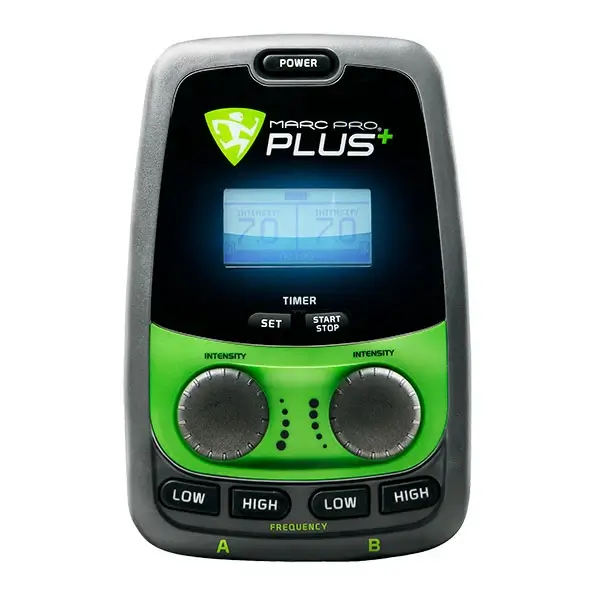
Marc Pro Plus Review: Does EMS Speed Recovery, and Is It Worth It?
Marc Pro Plus is an electrical muscle stimulator for recovery and pain relief. It feels good and eases pain, but trials show little measurable recovery gain.

The Klotho Protein: How a Single Longevity Hormone Is Reshaping Brain Aging Research in 2026
Discovered almost by accident in 1997 and named after the Greek fate that spins the thread of life, klotho is the longevity hormone that may connect kidney biology, cognitive aging,…

From Prediction to Navigation: The AI Shift Healthcare Has Been Waiting For
Clinical AI has spent years predicting risk. The next test is harder: whether AI can help patients and clinicians choose the right next action and complete the path to care.
