

The Daily Rounds: Longevity & Health Care Brief | May 16, 2026
Your daily briefing on the science of living longer, better. Covering the past 24 to 48 hours in longevity, medicine, and healthspan research.
Presented By Our Partners



🧠 NEUROLOGY & COGNITIVE HEALTH
🧬 Arginine Supplement Cuts Alzheimer’s Amyloid Buildup in New Brain Study
Researchers found that arginine, an inexpensive amino acid already considered safe for human use, can meaningfully reduce the accumulation of toxic amyloid proteins in the brain, the hallmark deposits that drive Alzheimer’s disease pathology. The finding positions arginine as a low-cost, accessible candidate for further clinical investigation in early-stage or prevention-focused Alzheimer’s research. Scientists say the supplement’s existing safety profile could accelerate the pathway to human trials compared to novel compounds.
🧠 Menopause Reshapes Brain Memory Circuits Beginning in a Woman’s 40s
Research presented at the 2026 American Academy of Neurology annual meeting found that MRI and PET imaging shows women in their 40s and 50s experience meaningful changes in brain connectivity, particularly in memory circuits, linked to the decline in estrogen during the menopausal transition. The findings suggest the window for neuroprotective intervention may begin earlier than previously assumed, well before menopause is clinically complete. Researchers say the data strengthen the case for monitoring cognitive biomarkers during perimenopause, not just postmenopause.
📌 Read more → Pharmacy Times / AAN 2026
❤️ CARDIOVASCULAR HEALTH
❤️ Colchicine Targets Heart Disease in Patients Without Classic Risk Factors
Scientific American’s May 2026 cover story examines new evidence that chronic low-grade inflammation, not just cholesterol or blood pressure, is a primary driver of heart attacks and strokes, including among the approximately 25% of patients hospitalized for cardiac events who show none of the traditional risk factors. Inexpensive, widely available anti-inflammatory drugs like colchicine are being studied as treatments for this inflammation-driven heart disease, offering a potential new avenue for patients poorly served by cholesterol-focused therapies. Cardiologists say the inflammation model represents a fundamental shift in how cardiovascular risk is conceptualized and treated.
📌 Read more → Scientific American / PR Newswire
🔬 CELLULAR HEALTH, SENOLYTICS & EPIGENETICS
🔬 Precision Senolytics Shift From Broad Cell Removal to Targeted Reprogramming
A 2026 review in npj Aging documents the transition from first-generation senolytics like dasatinib and quercetin toward a new generation of precision approaches that combine epigenetic reprogramming with selective senescent cell removal, addressing limitations of earlier broad-spectrum compounds including off-target toxicity and variable efficacy. Newer strategies target the specific molecular signatures of senescence rather than eliminating entire cell populations indiscriminately. Researchers say combining senolytic clearance with epigenetic rejuvenation represents the most promising near-term path toward extending human healthspan at the cellular level.
📌 Read more → npj Aging / Nature
🕰️ Four-Week Diet Reversal Makes Older Adults Biologically Younger, Sydney Study Finds
Researchers at the University of Sydney found that a targeted four-week dietary intervention was sufficient to shift epigenetic aging markers in older adults, producing measurable reductions in biological age as assessed by established epigenetic clocks. The speed of the observed effect surprised researchers, suggesting that diet-driven epigenetic changes can occur far faster than previously assumed and are not solely a product of decades of dietary habits. Scientists say the findings open the door to short-duration, diet-based clinical protocols aimed at reducing biological age in aging populations.
📌 Read more → ScienceDaily / University of Sydney
🤖 AI IN MEDICINE & DRUG DISCOVERY
🤖 Insilico Medicine Launches PandaClaw: Autonomous AI Drug Discovery Agent
Insilico Medicine unveiled PandaClaw, an autonomous AI agent integrated with its PandaOmics drug discovery engine, capable of performing complex multi-step analyses that previously required expert researchers, including identifying drug targets, surfacing new therapeutic indications, and building disease hypotheses through a natural language interface. The launch marks a shift from AI-assisted drug discovery toward AI-autonomous drug discovery, where the system designs and evaluates its own research pathways with minimal human direction. Insilico’s broader pipeline now includes a nearly $2.75 billion discovery agreement with Eli Lilly, making it one of the most active AI-native drug programs in the industry.
Featured Partner
Invest in the Infrastructure Behind Modern Medicine
As healthcare expands beyond hospital walls, the buildings and campuses supporting that shift are generating compelling returns for investors who move early. The Healthcare Real Estate Fund offers qualified investors direct access to a curated portfolio of medical office, outpatient, and specialty care facilities.
Learn More →
🧪 173 AI-Designed Drug Candidates Now in Clinical Trials Worldwide
As of mid-2026, more than 173 programs discovered using AI drug design platforms have entered human clinical trials, with roughly 94 in Phase I, 56 in Phase II, and 15 in Phase III, according to industry tracking. The milestone reflects the maturation of AI-native drug discovery from a theoretical advantage to a validated development pipeline, with leading companies including Iambic and Generate Biomedicines expected to have three or more AI-designed candidates in concurrent trials. Analysts say the pace of AI-to-clinical transition is now fast enough to reshape pharmaceutical development timelines within the decade.
📌 Read more → Clinical Trials Arena
🦠 GUT MICROBIOME & IMMUNE HEALTH
🦠 Young Gut Microbiome Transplant Reverses Liver Aging and Cuts Cancer Risk in Older Mice
Research presented at Digestive Disease Week 2026 found that restoring the gut microbiome of older mice to a younger microbial composition produced striking protective effects throughout the body, particularly in the liver, reducing age-related liver injury, lowering inflammation, and preventing liver cancer entirely in treated animals compared to 2 of 8 untreated aging controls. The findings extend growing evidence that the gut microbiome is a powerful modulator of systemic aging, capable of producing liver and immune effects well beyond the digestive tract. Scientists say the results raise the prospect of microbiome-based therapies targeting organ-level aging as a complement to senolytic and epigenetic approaches.
📌 Read more → ScienceDaily / Digestive Disease Week 2026
🫁 Gut Bacteria Molecule Boosts Lung Cancer Immunotherapy Response
Researchers at UF Health identified a specific molecule produced by gut bacteria that significantly enhances the immune system’s response to lung cancer immunotherapy, providing a mechanistic link between gut microbiome composition and cancer treatment efficacy. The finding adds to growing evidence that gut health is a determinant of immunotherapy outcomes, and suggests that microbiome optimization could become a standard preparation protocol before cancer treatment begins. Scientists say the discovery could inform the development of microbial biomarkers to predict which patients are most likely to respond to immunotherapy.
⌚ WEARABLES, BIOMARKERS & PRECISION HEALTH
💧 Battery-Free Sweat Sensor Continuously Tracks Cortisol, Glucose, Lactate and Urea
UC Irvine researchers unveiled the IREM-W2MS3, a battery-free, skin-adherent bioelectronic sweat sensor capable of simultaneously and continuously monitoring cortisol, glucose, lactate, and urea, covering stress response, metabolic activity, physical exertion, and kidney function in a single wearable platform. The device’s key innovation is an autonomous self-regeneration mechanism for the sensing surface, overcoming the degradation that has historically limited wearable biosensor accuracy and lifespan. Researchers say the system represents a major step toward continuous, non-invasive clinical-grade biomarker monitoring outside hospital settings.
📊 ML Model Predicts Insulin Resistance From Wearables and Routine Blood Tests
A machine learning model published in Nature integrates smartwatch data with routine blood biomarkers and demographic information to predict whether an individual has insulin resistance, enabling early identification and lifestyle intervention before progression to type 2 diabetes. The model’s reliance on already-collected wearable and lab data means it could be deployed at scale without additional testing, making population-level insulin resistance screening feasible for the first time. Researchers say this approach could close the large gap between insulin resistance prevalence and clinical detection, with millions of people currently unaware they are on a prediabetes trajectory.
🥗 NUTRITION & METABOLIC HEALTH
🍬 Fructose Bypasses Metabolic Controls and Drives Metabolic Syndrome Risk
A major analysis in Nature Metabolism describes how fructose, unlike glucose, is processed through metabolic pathways that bypass the body’s normal regulatory checkpoints, leading to increased fat production, reduced cellular ATP levels, and generation of compounds associated with metabolic dysfunction when consumed in excess. Over time, these biological changes raise the risk of metabolic syndrome, a cluster of conditions including obesity, insulin resistance, and cardiovascular disease. Researchers say the findings reinforce the case for fructose-specific dietary limits distinct from general sugar consumption guidance.
📌 Read more → ScienceDaily / Nature Metabolism
🔥 Scientists Discover Hidden Molecular Switch That Activates Brown Fat Calorie-Burning
Scientists at McGill University identified a hidden molecular switch that activates thermogenesis in brown adipose tissue, the metabolically active fat that generates heat by burning calories rather than storing them, potentially opening new avenues for obesity and metabolic disease treatment. Unlike white fat, which stores energy, brown fat dissipates energy as heat through a protein called UCP1, and the newly discovered switch controls how powerfully this system can be activated by cold exposure and other stimuli. Researchers say the finding could lead to pharmacological strategies that activate brown fat’s calorie-burning capacity independently of cold exposure or exercise.
📌 Read more → ScienceDaily / McGill University
😴 SLEEP & CIRCADIAN HEALTH
😴 Sleep Regularity Predicts Disease Risk Better Than Duration in 88,000-Person Study
A global study of more than 88,000 adults found that sleep regularity, meaning the consistency of bedtime, wake time, and circadian rhythm stability, was a more powerful predictor of disease risk than sleep duration alone, with poor sleep habits associated with elevated risk across dozens of distinct conditions including metabolic, cardiovascular, and cognitive diseases. Researchers found that social jet lag, the misalignment between habitual sleep timing and the demands of work or social schedules, was among the strongest modifiable risk factors in the dataset. Scientists say the findings make a strong case for regularity as the primary target of sleep health interventions rather than simply optimizing total sleep time.
🌙 Circadian Disruption and Artificial Light at Night Raise Colorectal Cancer Risk
Research at UC Irvine School of Medicine published in Nature Cancer found that circadian disruption, whether from exposure to constant artificial light at night or chronic jet lag, significantly increased colorectal cancer burden in mouse models, identifying circadian rhythm integrity as a meaningful factor in cancer risk. The findings add to growing evidence that the body’s biological clock regulates tumor suppression pathways and that disrupting circadian timing creates permissive conditions for cancer development in the gut. Researchers say the results call for greater attention to circadian health in colorectal cancer prevention guidelines, particularly for night-shift workers and frequent long-distance travelers.
📌 Read more → UC Irvine / Nature Cancer
📌 TODAY’S TOP TAKEAWAYS
- 🧬 Arginine Targets Alzheimer’s Amyloid — An inexpensive, already-safe amino acid supplement reduces toxic amyloid protein buildup in the brain, positioning it as a compelling candidate for early-stage Alzheimer’s prevention trials.
- 🦠 Young Microbiome Reverses Liver Aging — Gut microbiome transplants from young donors completely prevented liver cancer in aging mice at DDW 2026, pointing to microbiome restoration as a systemic anti-aging strategy.
- ⌚ Sweat Sensor Tracks Four Biomarkers Simultaneously — UC Irvine’s battery-free IREM-W2MS3 wearable continuously monitors cortisol, glucose, lactate, and urea, bringing clinical-grade multi-biomarker tracking outside the hospital for the first time.
- 🍬 Fructose Uniquely Accelerates Metabolic Disease — Unlike glucose, fructose bypasses metabolic controls and drives fat production, ATP depletion, and metabolic syndrome risk through distinct biological pathways that standard sugar guidelines fail to address.
- 😴 Sleep Regularity Predicts Disease Better Than Duration — An 88,000-person global study found that consistent sleep timing is a stronger predictor of disease risk across dozens of conditions than total hours slept, shifting the target of sleep medicine toward chronobiological consistency.
Sources compiled from ScienceDaily, Nature Metabolism, Nature Cancer, npj Aging, UC Irvine News, Pharmacy Times, Scientific American, pharmaphorum, Clinical Trials Arena, UF Health, UCI Health, McGill University, University of Sydney. Published: May 16, 2026.


Similar Posts
Bello 2 Fat Scanner: Handheld NIR Device for Localized Body Fat Measurement
The fat you can see is not the fat that kills you. A handheld scanner that peers beneath the skin surface is trying to change how we measure the difference….

VO2 Max and Longevity: Why Cardiorespiratory Fitness Is the Strongest Predictor of How Long You Live
A 122,007-patient Cleveland Clinic study found that low cardiorespiratory fitness carried a hazard ratio for all-cause mortality of 5.04, higher than smoking, diabetes, hypertension, and end-stage kidney disease combined. Inside…
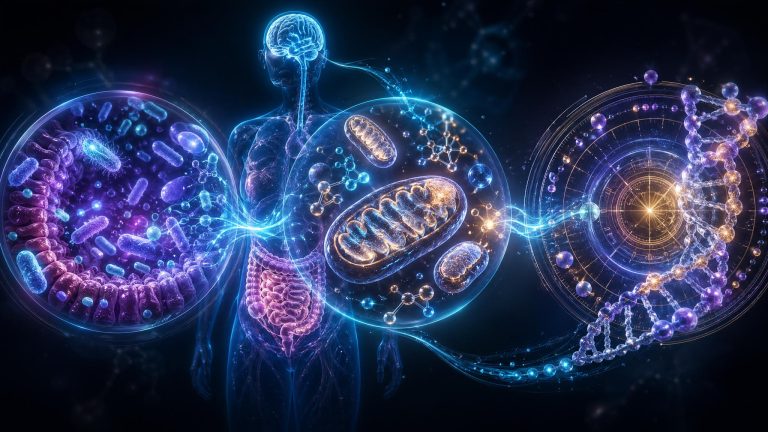
The Art of Not Aging: New Science Reveals That Museums, Music, and Reading Slow Your Biological Clock as Powerfully as Exercise
A landmark UCL study of 3,556 adults finds that regular arts engagement, such as reading, music, museum visits, and theater, slows biological aging by 4%, an effect size identical to…
Ava Fertility Bracelet: FDA-Cleared Wearable for Fertile Window Detection
A clinical study of 237 women found that a wearable bracelet tracking five physiological signals could detect the fertile window with 90% accuracy. That bracelet became a commercial product, and…
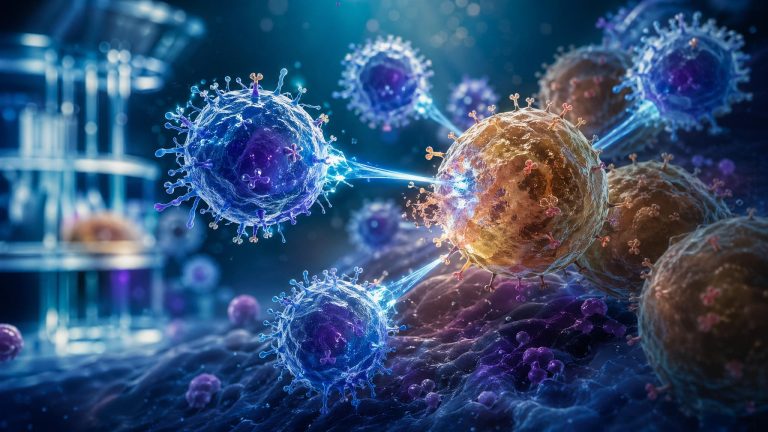
Zombie Cells Meet Their Match: How Natural Fatty Acids Could Become Longevity’s Most Promising New Weapon
Researchers at the University of Minnesota have identified naturally occurring fatty acids, specifically alpha-eleostearic acid and its methyl ester derivative, that selectively kill senescent zombie cells through ferroptosis. Published in…

Slow Breathing Rewires Your Nervous System: What the Vagus Nerve Research Actually Shows
Breathing at six breaths per minute activates the vagus nerve, raises heart rate variability, and shifts the autonomic nervous system toward recovery. A growing body of peer-reviewed research shows that…
