
🧬 Daily Discoveries — Longevity & Health Intelligence | March 27, 2026
Your daily briefing on the latest breakthroughs in longevity science, health technology, and lifestyle optimization — curated from the world’s top research institutions. Published every morning.
Presented By Our Partners



🫀 Cardiovascular Health
Statins Now Recommended Starting at Age 30 in Landmark Guideline Update
The American College of Cardiology and American Heart Association have issued a major updated guideline for managing lipids and cholesterol — and the headline finding is striking: people as young as 30 (down from 40) should now consider statins or other cholesterol-lowering measures. The new guidelines embrace updated PREVENT equations for cardiovascular risk prediction, revise plaque-clearing thresholds, and introduce lipoprotein(a) and apolipoprotein B testing into standard practice.
Separately, a Northwestern Medicine study found that men begin developing coronary heart disease as early as their mid-30s — years ahead of women — underscoring the urgency of earlier intervention.
🔗 STAT News: New heart disease guidelines suggest statins as early as age 30
🔗 Northwestern Now: Men’s heart attack risk climbs by mid-30s
💡 What this means for you: If you’re in your 30s and haven’t had a lipid panel with lipoprotein(a) testing, now is the time to ask your doctor. Early action on cholesterol may be one of the highest-leverage moves you can make for long-term heart health.
🧠 Neurology & Cognitive Health
Scientists Uncover Alzheimer’s Hidden “Death Switch” in the Brain
Researchers at Heidelberg University have pinpointed a key molecular mechanism driving Alzheimer’s progression: a harmful interaction between the NMDA receptor and the TRPM4 ion channel that causes brain cells to die, leading to cognitive decline. The discovery, described as a cellular “death switch,” opens a new target for drug development aimed at halting the disease before memory loss becomes severe.
In parallel, the Alzheimer’s Association is accelerating a paradigm shift toward early detection — leveraging blood-based biomarkers, digital cognitive tools, and imaging to catch biological changes years before symptoms emerge. The U.S. POINTER trial also confirmed that lifestyle interventions (physical activity, nutrition, social engagement, and cardiovascular risk management) can meaningfully improve cognition in at-risk older adults.
🔗 ScienceDaily: Scientists discover Alzheimer’s hidden “death switch” in the brain
🔗 Alzheimer’s Association: New Era of Early Detection and Prevention
💡 What this means for you: NMDA-TRPM4 pathway inhibitors are now a leading drug target. And for those concerned about cognitive decline, the POINTER trial data is encouraging — modifiable lifestyle factors remain powerful brain protectors at any age.
💪 Muscle, Strength & Metabolic Health
Sarcopenia and Liver Disease Share a Metabolic Root — and New Insights Are Emerging
A March 2026 review in Nature Reviews Endocrinology reveals that metabolic dysfunction-associated steatotic liver disease (MASLD) and sarcopenia — the age-related loss of muscle mass — are deeply intertwined through metabolic syndrome. Both conditions are driven by insulin resistance, mitochondrial dysfunction, and hormonal disruption, and their co-occurrence significantly raises mortality risk.
Research from GeroScience also highlights how the combination of aging and obesity creates compounding defects in skeletal muscle metabolism, including impaired mitochondrial function, altered gene expression, and reduced satellite cell regeneration.
🔗 Skeletal Muscle Journal: Sarcopenia — Metabolic Changes and Mechanisms
🔗 GeroScience: Sarcopenia, obesity, and mitochondrial function
💡 What this means for you: Resistance training and adequate protein intake (prioritizing leucine-rich sources) remain the most evidence-backed interventions. Treating metabolic syndrome aggressively may protect muscle as much as liver health.
🦠 Gut Microbiome & Systemic Inflammation
Stanford: Gut-Brain Signaling Reversed Cognitive Decline in Aging Mice
In a standout study from Stanford, researchers found that age-related changes in gut microbiome composition trigger immune cells in the GI tract to spark an inflammatory response — which then impairs vagus nerve signaling to the hippocampus, the brain’s memory center. When scientists stimulated vagus nerve activity in older animals, they reversed cognitive decline and improved memory formation. This gut-to-brain inflammatory cascade is now considered a major pathway in age-related neurodegeneration.
🔗 Stanford Medicine: Enhancing gut-brain communication reversed cognitive decline
💡 What this means for you: Protecting your microbiome diversity through fiber-rich foods, fermented foods, and avoiding unnecessary antibiotics may be one of the most under-appreciated brain health strategies. Vagus nerve stimulation approaches are also gaining research momentum.
Featured Partner
Invest in the Infrastructure Behind Modern Medicine
As healthcare expands beyond hospital walls, the buildings and campuses supporting that shift are generating compelling returns for investors who move early. The Healthcare Real Estate Fund offers qualified investors direct access to a curated portfolio of medical office, outpatient, and specialty care facilities.
Learn More →
🔬 Cellular Health & Aging Biology
First-Ever Human Epigenetic Reprogramming Trial Gets FDA Green Light
This is the story of the year so far in longevity biotech. Life Biosciences — co-founded by Harvard geneticist David Sinclair — received FDA clearance for the first-ever human trial of partial epigenetic reprogramming. The Phase 1 trial will inject viruses carrying three of the Yamanaka reprogramming factors (OSK) directly into the eyes of patients with glaucoma and non-arteritic anterior ischemic optic neuropathy (NAION), with the goal of rejuvenating aging retinal cells and restoring lost vision.
The trial is controlled by doxycycline dosing over two months, and results are expected by late 2026 or early 2027. This is partial reprogramming — resetting cellular age without erasing cell identity — and it positions a lean startup ahead of heavily funded competitors in the emerging rejuvenation field.
On the NAD+ and senolytic front, new research identifies that Bcl-2 inhibitors (ABT263) and BET inhibitors (ARV825) are among the most effective senolytics across multiple cell types, with mitochondrial integrity playing a key role in senolytic resistance — a finding that opens new combination therapy possibilities.
🔗 Fortune: This startup has the lead in longevity, securing the first FDA-approved partial de-aging human trial
🔗 Longevity.Technology: FDA clears first human trial of epigenetic reprogramming therapy
💡 What this means for you: We are entering the era of human rejuvenation trials. While the current trial targets a specific eye condition, the underlying technology — partial epigenetic reprogramming — could eventually apply to aging tissues across the body. Watch this space closely.
🫁 Pulmonary Health & VO2 Max
Aerobic Fitness Linked to Longer Telomeres — and Smartwatches Are Making VO2 Max Mainstream
A new systematic review and meta-analysis published in The Journals of Gerontology confirms what exercise scientists have long suspected: people with high aerobic fitness (VO2 max at the 70th percentile or above) possess significantly longer telomeres — a direct cellular marker of biological youth. Each 3.5 mL/kg/min increase in VO2 max is associated with a 15% reduction in early death risk.
The democratization of VO2 max measurement continues: Apple, Garmin, Samsung, and Polar now offer VO2 max estimation as a standard smartwatch feature, enabling continuous cardiorespiratory fitness tracking outside the lab. Researchers are increasingly treating VO2 max as a critical longevity biomarker that belongs alongside cholesterol and blood pressure in routine health screening.
🔗 Journals of Gerontology: Aerobic Fitness and Telomere Maintenance
🔗 ICT&Health: VO2 Max from a smartwatch — a new longevity biomarker?
💡 What this means for you: Zone 2 cardio (conversational-pace aerobic work) and periodic high-intensity interval training are the most efficient ways to improve VO2 max. If you have a modern smartwatch, start tracking your VO2 max trend over months — it may be the single most important fitness number you can monitor.
🤖 Technology & Discovery
The AI Co-Scientist Has Arrived — Nature Medicine Marks a New Era
Nature Medicine this week published a landmark perspective declaring the arrival of the “AI co-scientist” — AI models that have moved beyond chat interfaces to generating validated scientific hypotheses tested in organoids and early-stage clinical trials. The vision: an interoperable ecosystem where AI agents, multimodal models, and automated wet/dry lab workflows coordinate 24/7 experimentation.
NVIDIA and Eli Lilly announced a co-innovation lab backed by up to $1 billion in investment — a continuous learning system tightly connecting AI-powered dry labs to wet labs. Meanwhile, Insilico Medicine’s Rentosertib — the first drug where both the target and compound were discovered by generative AI — received an official name from USAN, marking a historic milestone in AI-designed therapeutics.
🔗 Nature Medicine: The AI co-scientist is here
🔗 NVIDIA Newsroom: NVIDIA and Lilly Announce Co-Innovation AI Lab
🔗 Drug Target Review: First AI-designed drug, Rentosertib, officially named
💡 What this means for you: Drug discovery timelines — historically 10–15 years — are being compressed by AI. Therapeutic candidates for aging-related diseases that would have taken decades to identify may now reach clinical trials in years.
📡 Wearables & Biomarker Tracking
Next-Gen CGMs Go Needle-Free — and the Market Is Exploding
The continuous glucose monitor (CGM) market — valued at $13.3 billion in 2025 and projected to reach $31.4 billion by 2031 — is undergoing a hardware revolution. The Biolinq Shine sensor just received FDA De Novo classification as the first CGM to eliminate the insertion needle entirely, using a micro-sensor array beneath the forearm to monitor glucose non-invasively. Abbott is in development on a dual glucose-ketone sensor that measures both metabolic markers in real time.
Researchers have also developed continuous glucose prediction models using passively collected multi-modal wearable data — accelerometer, heart rate, skin temperature — with no manual input required, pointing toward a future where metabolic health is monitored entirely in the background.
🔗 Diabetech: 8 Next-Gen CGMs In Development
🔗 MDPI Sensors: Non-Invasive Continuous Glucose Prediction Using Wearable Sensors
💡 What this means for you: CGMs are rapidly moving beyond diabetes management into mainstream wellness. Tracking glucose variability — even for non-diabetics — is becoming one of the most powerful tools for understanding how food, exercise, sleep, and stress affect metabolic health in real time.
🥗 Nutrition & Lifestyle Science
Anti-Inflammatory Diets Shown to Modulate Gene Expression and Gut Microbiome — in Real Time
A March 2026 study in the International Journal of Molecular Sciences presents the strongest multi-omics case yet for anti-inflammatory eating as a therapeutic intervention — not just a prevention strategy. The research demonstrates that specific dietary patterns modulate gut barrier function, microbiota-derived metabolites, lipid metabolism, inflammatory status, and gene expression through epigenetic pathways simultaneously. Fruits and vegetables reduced circulating inflammatory cytokines in 80% of studies reviewed; fish came in at 78%.
The study calls for a precision nutrition approach: tailoring dietary recommendations based on gut microbiota composition, adipokine profiles, and epigenetic data — making “one-size-fits-all” dietary guidelines increasingly obsolete.
🔗 MDPI IJMS: Anti-Inflammatory Diets, Gut Microbiota, and DNA Methylation
💡 What this means for you: The Mediterranean and MIND dietary patterns remain the gold standard. But the future of nutrition is personalized — the same meal can have very different inflammatory effects depending on your microbiome. Personalized nutrition testing is getting more accessible every year.
😴 Sleep Science
5 More Minutes of Sleep Per Night Could Add a Year to Your Life — Lancet Study
A new prospective study published in eClinicalMedicine (The Lancet) tracked over 59,000 UK adults and found that modest concurrent improvements across three lifestyle factors — sleep, physical activity, and nutrition — were associated with meaningful reductions in mortality risk. The numbers are striking in their accessibility: an additional 5 minutes of sleep per night, 1.9 minutes of moderate-to-vigorous activity, and half a serving of vegetables per day were together associated with a one-year lifespan extension.
Separately, new research on circadian rhythm entrainment is showing that ultrashort bursts of light delivered to closed eyes during sleep can shift sleep timing passively — offering a promising non-pharmacological tool for circadian misalignment.
🔗 eClinicalMedicine (Lancet): Sleep, activity, and nutrition — lifespan improvements
💡 What this means for you: You don’t need dramatic lifestyle overhauls to meaningfully extend healthspan. Small, consistent improvements stack — and sleep is often the highest-leverage place to start. Prioritize sleep consistency (same bedtime/wake time daily) before optimizing duration.
🌬️ Breathwork & Stress Physiology
Vagus Nerve Activation Emerges as a Central Target Across Multiple Longevity Pathways
This week’s research paints a remarkably consistent picture: the vagus nerve sits at the intersection of gut-brain communication, inflammatory regulation, and stress physiology. The Stanford gut microbiome study (above) showed that stimulating vagal activity in older animals reversed hippocampal decline. Across the breathwork literature, slow diaphragmatic breathing (4-6 breaths per minute) remains one of the most reliable non-invasive methods for increasing vagal tone, reducing cortisol, and dampening systemic inflammation.
Mindfulness-based stress reduction (MBSR) programs continue to show measurable effects on inflammatory biomarkers including IL-6 and CRP, and new work is connecting chronic psychological stress to accelerated epigenetic aging — making stress physiology a direct longevity variable, not just a quality-of-life one.
💡 What this means for you: Daily breathwork practices — even 5 minutes of slow-paced breathing — activate the vagus nerve, reduce inflammatory signaling, and may help slow biological aging. It’s one of the most evidence-backed, zero-cost longevity interventions available.
🗓️ This Week’s Must-Watch Developments
- 🧬 Life Biosciences begins enrolling patients in the first FDA-approved epigenetic reprogramming human trial
- 💊 ACC/AHA statin guidelines now recommend cholesterol management starting at age 30
- 🤖 NVIDIA + Lilly launch a $1B AI co-innovation lab for drug discovery
- 🧠 Heidelberg University identifies the NMDA-TRPM4 “death switch” driving Alzheimer’s progression
- 🌿 Stanford reverses cognitive decline in aging mice via gut-vagus nerve pathway stimulation
- 📲 Biolinq Shine becomes first needle-free CGM to receive FDA De Novo classification
Daily Discoveries is curated each morning from peer-reviewed journals, major research institutions, and credentialed health news sources. Stories are selected for novelty, source credibility, and direct relevance to the six longevity pillars: cardiovascular health, neurological health, musculoskeletal and metabolic health, gut and immune health, cellular health, and pulmonary fitness.


Similar Posts

Cionic Neural Sleeve 2: FDA Cleared AI Powered Wearable for Neurological Mobility Disorders
The first and only FDA cleared wearable that simultaneously activates muscle movement and relaxes spasticity, using AI powered functional electrical stimulation embedded in a full leg garment to restore walking…
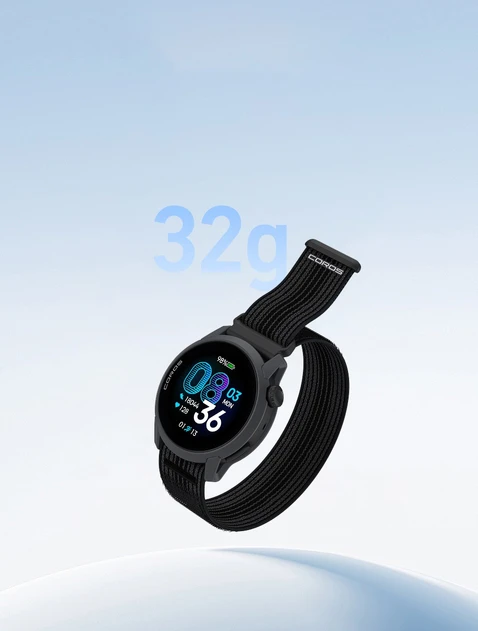
COROS PACE 4: Ultralight AMOLED Running Watch With Long Battery and Training Analytics at $249
COROS’s lightest GPS watch combines an AMOLED display, 38 hour GPS battery, and comprehensive training analytics in a 37 gram package that redefines what runners can expect at $249 with…

WHOOP 5.0 Review: Is It Worth the Membership Cost in 2026?
WHOOP 5.0 is a screenless recovery strap sold by membership. Worth it for regular trainers who act on its scores; its HRV and sleep timing test well, its sleep stages…

The Medical AI Agent Has Entered the Chart. Now Prove It Can Finish the Job.
A new Nature paper on autonomous medical AI agents points beyond chatbots and prediction models. The real test is whether AI can safely help healthcare move from signal to accountable…
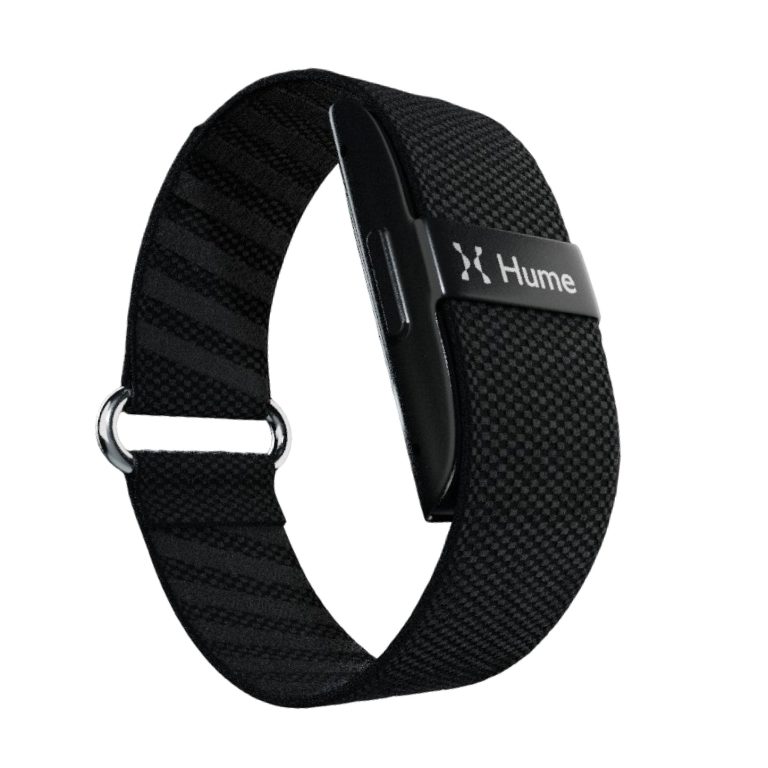
Hume Band 2.0 Review: Blood Pressure, Accuracy, Battery Life, and Cost
Hume Band 2.0 offers a 14-day battery, screen-free wellness tracking, and no required subscription. Here is what it measures, what changed, and why its blood-pressure and biological-age claims need caution.

Your Genes Determine Half Your Lifespan: The Weizmann Study That Rewrites Longevity Science
A landmark Science study from Israel’s Weizmann Institute reveals that genetics accounts for roughly 50% of variation in human lifespan, more than double previous estimates, upending decades of thinking about…
