
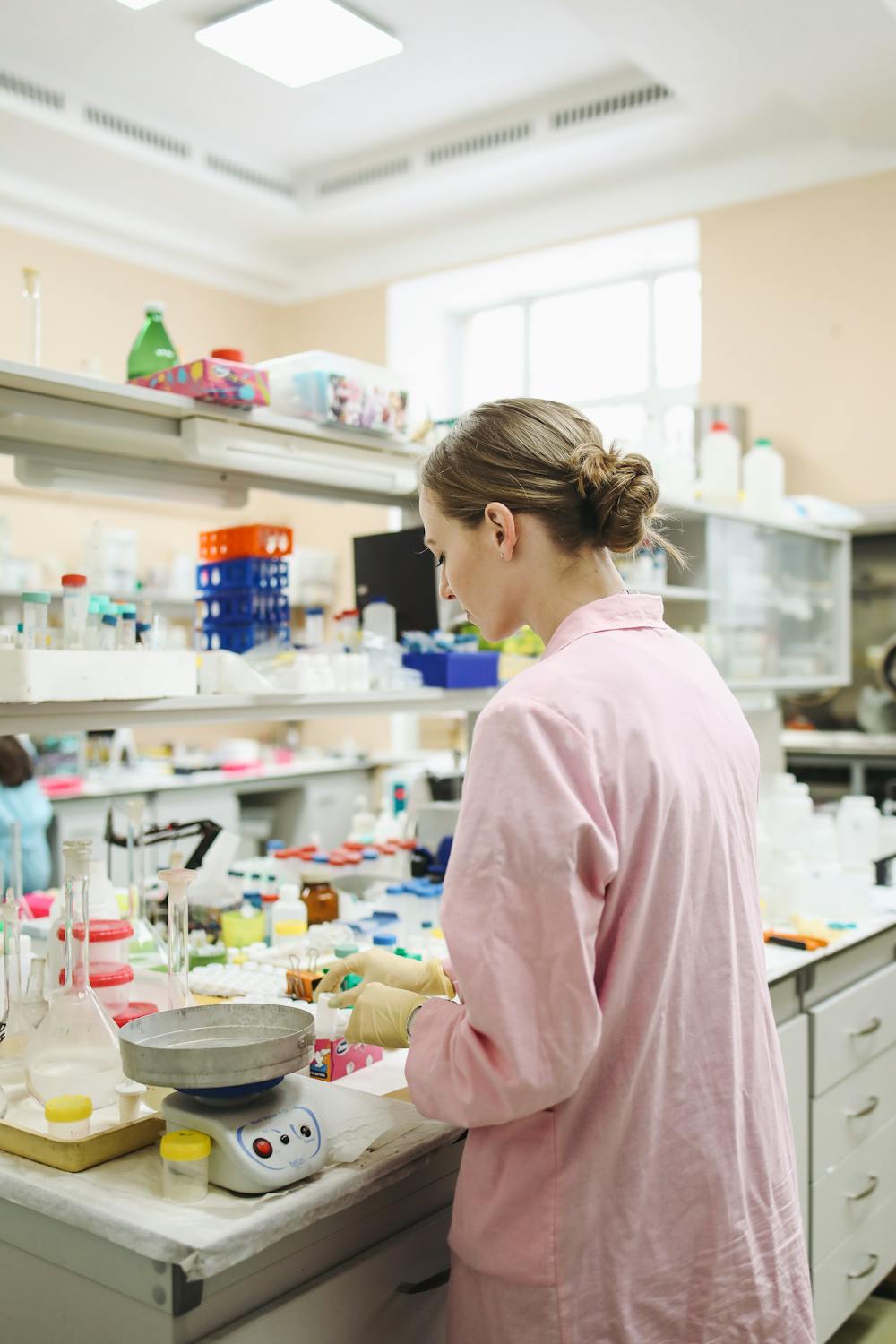
Longevity’s Reprogramming Moment: AI Drugs, Cellular Epigenetics, and Gut Microbiome Science Converge
For most of human history, aging was something that happened to us. It was the background hum of biology, a slow fade encoded in every cell, every gut bacteria, every chemical tag on every strand of DNA. The most any generation could do was try to eat well, sleep enough, and hope the dice rolled kindly.
Presented By Our Partners



That assumption is now being dismantled across three simultaneous frontiers. In the span of just a few months, researchers have published the first clinical proof that an AI can design a drug from scratch that actually works in humans, a biotech firm backed by Harvard’s leading aging scientist has received FDA clearance for the first-ever human trial of cellular epigenetic reprogramming, and a study in PLOS Biology has shown that gut bacteria can be chemically coaxed into producing compounds that extend lifespan by 30 percent in animal models. These are not incremental improvements to existing therapies. They are distinct interventions aimed at the fundamental mechanisms of biological aging, and they are converging in real time. Longevity Escape Velocity, the point at which science extends healthy life faster than time takes it, has long been a provocative forecast. These breakthroughs suggest the roadmap is being drawn right now.
When AI Becomes the Drug Designer
The history of drug discovery is largely the history of serendipity: penicillin found by accident, statins stumbled upon while studying fungi, aspirin derived from willow bark over two millennia before anyone knew how it worked. Even in the modern era of targeted therapeutics, finding a viable drug candidate typically takes a decade or more and costs upward of a billion dollars, with a 90 percent failure rate in clinical trials.
That paradigm is now facing its first serious challenge. In June 2025, the journal Nature Medicine published a landmark paper from Insilico Medicine titled “A generative AI-discovered TNIK inhibitor for idiopathic pulmonary fibrosis: a randomized phase 2a trial.” The drug in question, rentosertib (also known as ISM001-055), is the first compound in which both the disease target and the molecular structure were identified and designed entirely by generative artificial intelligence. It moved from computational concept to Phase IIa clinical trial in roughly 30 months, a pace previously considered impossible.
The target itself was novel. Insilico’s AI platform, PandaOmics, identified TRAF2- and NCK-interacting kinase, or TNIK, as the primary driver of pathological fibrosis in idiopathic pulmonary fibrosis (IPF), a devastating and progressive lung disease with no cure. TNIK had not previously been recognized as a major player in IPF. The AI found it by analyzing vast multiomics datasets and surfacing a biological signal that human researchers had not detected. The drug design engine then generated rentosertib as a small-molecule inhibitor targeting that kinase.
The Phase IIa results were striking. Patients receiving the highest dose, 60 mg of rentosertib once daily, showed a mean improvement in forced vital capacity (FVC) of plus 98.4 mL at 12 weeks. The placebo group, by contrast, declined by a mean of minus 20.3 mL. That is a net separation of nearly 120 mL in lung function, a clinically meaningful difference in a disease where any stabilization is considered a victory. Biomarker analysis reinforced the signal: profibrotic proteins including COL1A1, MMP10, and FAP were significantly reduced in the high-dose group, while the anti-inflammatory marker IL-10 increased. The drug appeared to be doing precisely what the AI predicted it should do.
Insilico is now in discussions with regulatory authorities about a Phase IIb pivotal trial. A separate Phase IIa trial in U.S. patients is actively enrolling. The significance extends well beyond IPF. Rentosertib is, in a very real sense, humanity’s first proof-of-concept that AI-designed medicine works in living human beings. According to the team’s own analysis, as of early 2026 more than 173 AI-discovered drug programs are in active clinical development, with 15 to 20 expected to enter pivotal trials this year. The question is no longer whether AI can find drug candidates. It has answered that question. The question now is how many of those 173 programs will cross the finish line, and how fast.
Reading Between the Epigenetic Lines
While Insilico was reprogramming drug discovery itself, a quieter revolution was unfolding in cellular biology. In January 2026, the FDA granted clearance to Life Biosciences, a Boston-based biotech co-founded by Harvard geneticist David Sinclair, to proceed with the first-ever human clinical trial of partial epigenetic reprogramming. It is a milestone that the longevity science community has been anticipating, and debating, for years.
Featured Partner
Invest in the Infrastructure Behind Modern Medicine
As healthcare expands beyond hospital walls, the buildings and campuses supporting that shift are generating compelling returns for investors who move early. The Healthcare Real Estate Fund offers qualified investors direct access to a curated portfolio of medical office, outpatient, and specialty care facilities.
Learn More →
The science builds on Sinclair’s Information Theory of Aging, which posits that aging is not caused by the accumulation of genetic mutations but by the loss of epigenetic information: the chemical tags and structural signals that tell each cell which genes to activate and which to silence. Over time, this “epigenetic noise” disrupts cellular identity, causing cells to forget what they are and how to function. The hypothesis is that aging is not a one-way ratchet but a recoverable state, provided the underlying DNA is still intact. The 2006 work of Shinya Yamanaka, which showed that mature adult cells could be reprogrammed back to a pluripotent stem cell state using just four transcription factors, provided the biological proof of concept. Yamanaka received the Nobel Prize for that discovery.
The danger, of course, is that full reprogramming erases a cell’s identity entirely, raising the risk of cancer. Life Biosciences’ approach uses partial reprogramming, deploying only three of the four Yamanaka factors: OCT-4, SOX-2, and KLF-4, collectively known as OSK. The therapy, designated ER-100, is delivered as a gene therapy and activated by oral doses of the common antibiotic doxycycline. Patients take doxycycline for eight weeks to switch the reprogramming genes on, then stop, allowing the treatment to turn off. The idea is to nudge the epigenetic clock backward just enough to restore youthful function without erasing the cell’s identity.
The initial trial focuses on the eye. Specifically, Life Biosciences is enrolling patients with glaucoma and non-arteritic anterior ischemic optic neuropathy, or NAION, a form of vision loss caused by damage to the optic nerve. This is not arbitrary: the eye is an immunologically privileged site that allows for contained gene therapy delivery, and vision loss has a profound quality-of-life impact that makes a positive result immediately legible. If OSK-based reprogramming can restore or preserve vision in these patients, it will constitute the first demonstration that epigenetic rejuvenation works in humans, full stop.
The primary endpoint of the trial is safety, which is appropriate given how little precedent exists. But the scientific community is watching closely for any signal of efficacy. Animal data has been encouraging. Earlier work from Sinclair’s lab at Harvard Medical School showed that OSK reprogramming restored vision in aged and injured mice, reversing optic nerve damage and improving visual acuity. If that finding translates to humans, the implications cascade rapidly. The liver, the heart, the brain: Life Biosciences has already confirmed it is working on similar reprogramming approaches for other tissues. What begins as an eye therapy could become a platform for cellular rejuvenation across every organ system in the body.
Your Gut as a Longevity Factory
The third breakthrough in this convergence of reprogramming science comes from an entirely different angle, one that requires no gene therapy and no AI supercomputer. It requires, instead, a low dose of an old antibiotic and a newly discovered interaction with the microbes already living in your gut.
In a study published in PLOS Biology in late 2025 and highlighted by ScienceDaily in January 2026, researchers led by Guo Hu, Marzia Savini, and Matthew Brandon Cooke described how small doses of the antibiotic cephaloridine can chemically reprogram commensal Escherichia coli in the gut to massively overproduce a compound called colanic acid. In roundworms (Caenorhabditis elegans), the treatment boosted median lifespan by up to 30 percent. In mice, it attenuated age-related metabolic decline, including higher levels of beneficial HDL cholesterol in males and reduced insulin levels in females.
Colanic acid is a bacterial polysaccharide that had previously been shown to promote longevity in model organisms, but the mechanisms by which it could be therapeutically induced in a mammalian gut had remained unclear. This study cracked that mechanism. The key is a membrane-bound histidine kinase called ZraS. Normally, E. coli suppress colanic acid production at body temperature (37 degrees Celsius), a temperature-dependent inhibition that has evolutionary roots but works against the host’s longevity interests. Low-dose cephaloridine activates ZraS and overrides that inhibition, triggering the production of colanic acid completely independently of the antibiotic’s antimicrobial properties. The drug, in essence, is being used as a molecular key to unlock a dormant longevity program already encoded in the microbiome.
The practical advantages are significant. When taken orally, cephaloridine is not absorbed into the bloodstream, meaning it acts exclusively in the gut without systemic antibiotic effects. This dramatically reduces the risk of resistance development and eliminates many of the side effects associated with conventional antibiotic use. It is a precision intervention at the microbiome level: not killing bacteria, not replacing them with foreign strains, but chemically reprogramming the bacteria already present to do something more useful for the host. The study’s authors describe this as “a new way of promoting health by targeting microbes rather than the body itself,” a framing that points toward an entirely new class of longevity therapeutics.
Three Scales of Reprogramming, One Scientific Moment
Step back from the individual findings and the pattern becomes impossible to ignore. Rentosertib, ER-100, and colanic acid induction are each, fundamentally, acts of biological reprogramming. They differ in scale: one operates at the level of a drug molecule designed by machine intelligence, one at the level of a cell’s epigenetic identity, one at the level of microbial metabolism in the gut. But the underlying logic is identical. In each case, researchers have identified a biological system that has drifted from a healthier, more youthful state, and found a precise way to nudge it back.
This convergence maps directly onto the six longevity pillars that frame the cutting edge of healthspan science. Rentosertib targets pulmonary health directly, reversing fibrotic progression in the lungs and offering a new model for how AI can accelerate discovery across all respiratory and cardiopulmonary diseases. The epigenetic reprogramming trial falls squarely in cellular health, the pillar concerned with the molecular clocks, senolytics, and mitochondrial function that underpin how fast every tissue in the body ages. And the colanic acid research connects to the gut microbiome pillar, reinforcing what a growing body of literature now confirms: the microbial ecosystem in the intestine is not a passive resident but an active co-regulator of systemic aging, inflammation, and metabolic function.
The gut-longevity connection, in particular, has accelerated sharply in recent months. A comprehensive review published in the Journal of Biomedical Science in March 2026 summarized how microbial dysbiosis, the imbalance that develops as the gut microbiome shifts with age, is mechanistically linked to inflammaging, the chronic low-grade inflammation that drives cardiovascular disease, neurodegeneration, and metabolic disorder. The colanic acid study does not just add to that literature. It offers the first concrete pharmaceutical strategy for using the microbiome as a longevity intervention platform, one that could eventually be combined with dietary prebiotics, fecal microbiota transplantation, and probiotic engineering to create a comprehensive gut-based anti-aging protocol.
What This Means for You
None of these three interventions is available at your doctor’s office today. Rentosertib is in Phase IIb planning for IPF patients specifically. ER-100 is in an early-stage safety trial for vision conditions. The colanic acid findings are preclinical in mammals, with human trials not yet announced. But the translational trajectory of each is clear, and the implications for how you might optimize your biology right now are worth taking seriously. Supporting your gut microbiome diversity through fermented foods, fiber-rich whole plant foods, and minimizing unnecessary antibiotic use creates the microbial ecosystem that future interventions like colanic acid induction will work within. Maintaining cardiorespiratory fitness, muscle mass, and healthy metabolic markers positions your cellular machinery to benefit more from epigenetic restoration therapies when they arrive. And the AI drug discovery revolution means that therapies for conditions once considered therapeutically intractable, fibrotic lung disease among them, are now moving at a pace that could plausibly intersect with your own health timeline within this decade.
Where This Science Is Going
Ray Kurzweil has forecast that we will reach Longevity Escape Velocity by 2030, the point at which medical progress extends remaining life expectancy by more than a year for every year that passes. Whether or not that specific date proves accurate, the scientific infrastructure for that outcome is being assembled right now, component by component. AI systems that design better drugs faster. Gene therapies that restore cellular youth. Microbiome interventions that reprogram resident bacteria into longevity factories. None of these technologies is working in isolation. They are being developed by overlapping communities of researchers who read each other’s papers, attend the same conferences, and increasingly collaborate across disciplines. The 2026 GESDA Science Breakthrough Radar has identified longevity science as one of the defining breakthrough opportunities of this decade, precisely because these convergences are no longer theoretical. They are publishing in Nature Medicine. They are entering human bodies. They are extending lifespan in mammals by 30 percent. The reprogramming of human aging has begun, and the pace is only accelerating.
Sources:
Alex Zhavoronkov et al., “A generative AI-discovered TNIK inhibitor for idiopathic pulmonary fibrosis: a randomized phase 2a trial,” Nature Medicine, June 2025
PubMed: Rentosertib Phase IIa Trial, Nature Medicine 2025
Insilico Medicine Press Release: Nature Medicine Publication of Rentosertib Phase IIa Results
Fortune: Life Biosciences Receives FDA Approval for First Partial De-Aging Human Trial, January 2026
MIT Technology Review: The first human test of a rejuvenation method will begin shortly, January 2026
Longevity Technology: FDA Clears First Human Trial of Epigenetic Reprogramming Therapy
Guo Hu, Marzia Savini, Matthew Brandon Cooke et al., “Chemical modulation of gut bacterial metabolism induces colanic acid and extends the lifespan of nematode and mammalian hosts,” PLOS Biology, 2025
PubMed: Chemical modulation of gut bacterial metabolism, PLOS Biology 2025
ScienceDaily: Scientists discover how to turn gut bacteria into anti-aging factories, January 2026
Journal of Biomedical Science: From dysbiosis to longevity: a narrative review into the gut microbiome’s impact on aging, March 2026
GESDA Global: Longevity Science Crosses the Clinical Threshold, 2026 Science Breakthrough Radar


Similar Posts

Mosaic Aging: Why Your Organs Age at Different Rates, and Why It Matters
A growing body of work argues that the body does not age all at once. It ages in tiles. The pace at which your fastest-aging organ breaks down, not the…

How David Sinclair Helped Turn Aging Into a Serious Scientific Frontier
David Sinclair helped move aging research from the scientific margins into mainstream conversation. Through his Harvard lab, his work on sirtuins, NAD+ biology, epigenetic reprogramming, and his public role as…

The Daily Rounds: Longevity & Health Care Brief | April 5, 2026
🧬 Cellular Reprogramming Enters Human Trials — Life Biosciences has launched the first FDA-approved partial de-aging trial, translating Sinclair's epigenetic reprogramming research from animal models to human medicine. 🧠 Gut-Brain Axis Reverses Memory Loss — Stanford's Nature study shows that correcting age-related gut bacteria shifts restores youthful cognitive performance by reactivating vagus nerve signaling to the hippocampus. 🤖 AI Drug Discovery Reaches Clinical Scale — 173+ AI-designed drug candidates are now in clinical trials, and longevity medicine is being advised to prepare for AI therapeutics to arrive in clinical practice imminently. 🦠 Gut Microbiome as Active Immune Regulator — New research reveals gut bacteria actively inject proteins into cells to modulate immunity, and a microbiome-derived molecule doubled lung cancer immunotherapy response rates in mice. 😴 Circadian Fragmentation Doubles Dementia Risk — A large Neurology journal study found that weak or late-peaking daily activity rhythms more than double the risk of dementia, making circadian optimization a key prevention target.
The Race to Replace Lost Neurons: How Stem Cell Therapies, Genetic Targeting, and a New Class of Oral Drugs Are Rewriting the Parkinson’s Playbook
For the first time in Parkinson’s disease history, three distinct therapeutic frontiers are advancing simultaneously through late-stage clinical trials. Stem cell grafts are surviving in human brains and restoring dopamine…
One Shot to Silence Heart Disease: How CRISPR Gene Editing Is Making Daily Cholesterol Pills Obsolete
A single infusion of CRISPR gene editing therapy has cut LDL cholesterol by up to 87 percent and triglycerides by up to 84 percent in landmark clinical trials. With Phase…

NeuroSky MindWave Mobile 2: The Most Affordable Consumer EEG for Beginners and Developers
A single channel EEG headset that costs less than a fitness tracker, offering the lowest barrier to entry for anyone curious about brainwave monitoring, neurofeedback, and brain computer interface development….
