
The Daily Rounds: Longevity & Health Care Brief | May 15, 2026
Your daily briefing on the science of living longer, better. Covering the past 24 to 48 hours in longevity, medicine, and healthspan research.
Presented By Our Partners


🧠 NEUROLOGY & COGNITIVE HEALTH
🩸 Blood Test Detects Depression Through Immune Cell Aging Biomarker
Researchers publishing in The Journals of Gerontology found that accelerated biological aging in monocytes, a type of white blood cell involved in immune responses, is closely tied to the emotional and cognitive symptoms of depression, including anhedonia, hopelessness, and loss of pleasure, rather than physical symptoms like fatigue. The study of 440 women found the monocyte aging signal was detectable before full clinical diagnosis, suggesting blood-based immune aging measurements could enable earlier depression screening. Scientists say the finding opens a path toward personalized psychiatry, with biomarker profiles potentially predicting which treatments are most likely to work for individual patients.
📌 Read more → ScienceDaily / The Journals of Gerontology
⭐ Brain “Star” Cells Recruited to Vacuum Up Alzheimer’s Plaques
Researchers at Baylor College of Medicine found that boosting the protein Sox9 in astrocytes, the star-shaped support cells of the brain, caused them to dramatically increase their ingestion and clearance of amyloid beta plaques in mouse models of Alzheimer’s disease that had already developed cognitive impairment. Sox9 overexpression promoted plaque phagocytosis through regulation of the receptor MEGF10, preserving cognitive function in mice alongside the reduction in plaque load. Published in Nature Neuroscience, the findings identify a natural brain defense mechanism that could be therapeutically activated to treat established Alzheimer’s disease rather than merely slow its onset.
📌 Read more → ScienceDaily / Nature Neuroscience
🔬 CELLULAR HEALTH, SENOLYTICS & EPIGENETICS
🐀 Naked Mole Rat Longevity Gene Transferred to Mice, Extending Healthspan and Lifespan
University of Rochester scientists engineered mice to carry the naked mole rat version of the hyaluronan synthase 2 gene, producing elevated levels of high molecular weight hyaluronic acid (HMW-HA), and found the mice lived approximately 4.4% longer with dramatically better healthspan, including a 34% reduction in cancer incidence and reduced inflammation across multiple tissues. The naked mole rat is the longest-lived rodent known to science, and this study demonstrates that at least one of its key longevity adaptations is transferable across mammalian species. Researchers say the findings support HMW-HA production as a meaningful target for future human longevity interventions.
📌 Read more → ScienceDaily / University of Rochester
🧬 Organ-Specific Epigenetic Clocks Reveal Which Body Systems Are Aging Fastest
Advances in epigenetic testing now enable organ-specific aging clocks that identify which physiological systems are aging most rapidly within an individual, going beyond whole-body biological age estimates to reveal whether cardiovascular, brain, or metabolic systems are aging ahead of or behind chronological age. Large studies in 2026 confirm that faster organ-specific epigenetic aging predicts elevated risk of mortality, heart disease, and cognitive decline, and platforms now offer granular multi-organ profiling alongside standard epigenetic age assessments. Clinicians say organ-level biological age mapping is transforming the precision with which longevity medicine can be personalized and monitored over time.
🤖 AI IN MEDICINE & DRUG DISCOVERY
💡 UV Light Converts Amino Acids Into Non-Hallucinogenic Antidepressant Compounds
UC Davis researchers created a new class of psychedelic-like therapeutic molecules by coupling amino acids with tryptamine and irradiating them with ultraviolet light, generating compounds that activate key serotonin receptors linked to brain plasticity and mental health without producing hallucination-like behavior in animal tests. Published in the Journal of the American Chemical Society, the study identified a full agonist candidate, designated D5, with 93% efficacy at the 5-HT2A receptor. Scientists say the compounds represent a promising platform for developing non-hallucinogenic treatments for depression, PTSD, and addiction that capture therapeutic benefits without the psychedelic experience.
Featured Partner
Invest in the Infrastructure Behind Modern Medicine
As healthcare expands beyond hospital walls, the buildings and campuses supporting that shift are generating compelling returns for investors who move early. The Healthcare Real Estate Fund offers qualified investors direct access to a curated portfolio of medical office, outpatient, and specialty care facilities.
Learn More →
📌 Read more → ScienceDaily / UC Davis / JACS
🤖 AI Designs First-in-Class PROTAC Targeting Cancer Drug Resistance
Insilico Medicine used its AI-powered Chemistry42 platform to design a first-in-class PROTAC molecule with a dual-action mechanism targeting PKMYT1, a cancer kinase implicated in treatment resistance, demonstrating that AI drug design can now tackle complex molecular modalities far beyond conventional small molecules. The program navigated chemical space more efficiently than traditional medicinal chemistry, identifying candidates that standard drug screening would likely have missed entirely. Researchers say the advance validates AI-guided design as a viable path to defeating the resistance mechanisms that render many current cancer therapies ineffective over time.
📌 Read more → Insilico Medicine
🦠 GUT MICROBIOME & IMMUNE HEALTH
😴 Sleep Deprivation Confirmed to Degrade Gut Microbiome Diversity
A 2026 systematic review and meta-analysis in the Journal of Sleep Research confirmed that sleep deprivation consistently alters gut microbiome diversity and taxonomy, shifting microbial community structure and disrupting the diurnal rhythmicity of gut bacteria in ways that promote inflammation and metabolic dysregulation. A parallel Nature Communications study of 6,941 participants found that lower gut microbial alpha diversity is associated with poorer sleep quality, later chronotype, and greater social jet lag, establishing a bidirectional relationship in which gut health and sleep quality reinforce each other. Researchers say consistent sleep schedules are emerging as a meaningful and underappreciated lever for protecting long-term microbiome health.
📌 Read more → Journal of Sleep Research
🔗 Insomnia and Gut Dysbiosis Form a Self-Reinforcing Cycle via the Gut-Brain Axis
A 2026 review in Sleep Science and Practice found that gut microbiota and insomnia interact through the gut-brain axis in a reinforcing cycle: gut dysbiosis disrupts sleep-wake cycles through vagal nerve transmission, disrupted short-chain fatty acid and tryptophan metabolism, and immune-mediated neuroinflammation, while poor sleep further degrades microbiome composition. The finding deepens the biological rationale for treating sleep disorders and gut health simultaneously rather than in isolation. Researchers say microbiome-targeted interventions, including probiotic strategies targeting serotonin and GABA production, may offer a novel therapeutic pathway for treatment-resistant insomnia.
📌 Read more → Sleep Science and Practice / Springer Nature
⌚ WEARABLES, BIOMARKERS & PRECISION HEALTH
💍 Wearable Rings Passively Estimate Vascular Age as Accurately as Clinical Sensors
Research published in April 2026 showed that overnight pulse wave signals captured by consumer-grade wearable rings contain sufficient physiological information to estimate vascular age with accuracy comparable to clinical fingertip sensors, with the ring-derived estimates correlating meaningfully with blood pressure readings. The findings suggest that ring-form wearables may enable scalable, passive cardiovascular risk monitoring outside clinical settings, delivering continuous vascular health data without specialized equipment or medical appointments. Researchers say wearable vascular age estimation could eventually serve as a population-level early warning system for cardiovascular disease.
📊 Increased Step Count and Higher REM Sleep Drive Multi-Year Cholesterol Improvement
A large longitudinal study in PLOS Digital Health analyzed data from over 20,000 adults combining wearable fitness tracker data, blood biomarkers, and genetic information, finding that users who increased daily steps by approximately 1,000 and those with higher REM sleep percentages were significantly more likely to achieve favorable LDL cholesterol shifts over multi-year follow-up. The study also found that individuals with higher inherited cardiovascular risk showed smaller improvements, pointing to a genetic ceiling on lifestyle-based biomarker optimization. Researchers say the findings provide large-scale real-world evidence for wearable-guided, personalized lifestyle prescriptions targeting cholesterol and cardiometabolic health.
📌 Read more → PLOS Digital Health
💪 MUSCLE MASS, STRENGTH & METABOLIC HEALTH
🏋️ One Weekly Strength Session Is Enough to Build Muscle and Slow Age-Related Loss
McMaster University exercise researchers found that a single weekly session of lower-weight resistance training is sufficient to build both muscle and strength, with the finding offering significant clinical implications for the large proportion of adults who struggle to meet multi-day exercise recommendations. The research highlights that preserving even modest muscle mass through minimal training acts as biological insurance against the accelerated sarcopenia that accompanies illness and aging. Scientists say lowering the dose threshold for effective resistance training could dramatically expand participation rates and deliver meaningful longevity benefits at the population level.
📌 Read more → McMaster University
😴 SLEEP & CIRCADIAN HEALTH
⏰ Fitness Decline Begins at Age 35, 50-Year Swedish Study Confirms
A landmark Swedish longitudinal study tracking participants for nearly 50 years found that measurable declines in cardiovascular fitness, strength, and muscle endurance begin around age 35, earlier than many guidelines and clinical assumptions suggest. The data challenge the common belief that significant functional decline is primarily a feature of late middle age or older adulthood, pointing instead to a gradual acceleration of deconditioning that begins in mid-life if not actively countered. Researchers say the findings strengthen the case for starting structured fitness preservation strategies well before conventional aging-focused recommendations typically begin.
📌 Read more → ScienceDaily / Healthy Aging
📌 TODAY’S TOP TAKEAWAYS
- 🩸 Depression Detectable in Blood — Accelerated monocyte aging is a measurable biomarker for emotional and cognitive depression symptoms, moving the field toward early pre-symptomatic blood-based screening.
- ⭐ Astrocytes Recruited to Clear Alzheimer’s Plaques — Boosting Sox9 turns brain support cells into plaque-clearing machines, preserving cognition in already-impaired mouse models and validating a new therapeutic target.
- 🐀 Naked Mole Rat Gene Extends Mouse Lifespan — Transferring the HMW-HA gene from the world’s longest-lived rodent delivers a 4.4% lifespan extension and 34% cancer reduction in mice, validating cross-species longevity transfer.
- 💡 Hallucination-Free Psychedelic Antidepressants Synthesized — UV light applied to amino acids generates serotonin agonists with full antidepressant receptor activity and no hallucinogenic effects in animals, a major step for non-psychedelic mental health therapeutics.
- 💤 Sleep and Gut Health Form a Two-Way Reinforcing Cycle — Multiple 2026 studies confirm that sleep deprivation degrades microbiome diversity, and gut dysbiosis in turn disrupts sleep and circadian rhythms, with both deteriorating together if neither is addressed.
Sources compiled from The Journals of Gerontology, Nature Neuroscience, ScienceDaily, University of Rochester, AgeMD, Journal of the American Chemical Society, Insilico Medicine, Journal of Sleep Research, Nature Communications, Sleep Science and Practice, PLOS Digital Health, Medical Xpress, McMaster University. Published: May 15, 2026.


Similar Posts
The Daily Rounds: Longevity & Health Care Brief | June 4, 2026
🤖 Mayo Clinic AI Catches Pancreatic Cancer 3 Years Before Diagnosis: A landmark validation study in the journal Gut shows an AI model detecting pancreatic cancer on routine CT scans before symptoms appear, potentially transforming outcomes for one of medicine's deadliest cancers. ❤️ Menopause HRT Use Has Fallen to Just 1.7%: New national data reveals a historic treatment gap driven by now-revised risk interpretations, with clinicians urging recalibration of patient counseling for women under 60. 🔬 vgll3 Gene Confirms Evolution's Youth-Longevity Trade-Off: Experimental evidence shows that genes favoring early vitality and reproduction actively increase cancer and aging risk later in life, opening new anti-aging drug target territory. 💪 90 to 119 Minutes of Weekly Strength Training Cuts Mortality by 13%: A 30-year British Journal of Sports Medicine study quantifies how even modest weekly resistance exercise delivers substantial all-cause mortality benefits, averaging just 13 minutes per day. 🦠 NFIL3 Protein Identified as CAR-T Cell Exhaustion Trigger: Blocking this transcription factor keeps engineered immune cells active longer in tumor environments, pointing toward a new engineering target for more durable cancer immunotherapy.
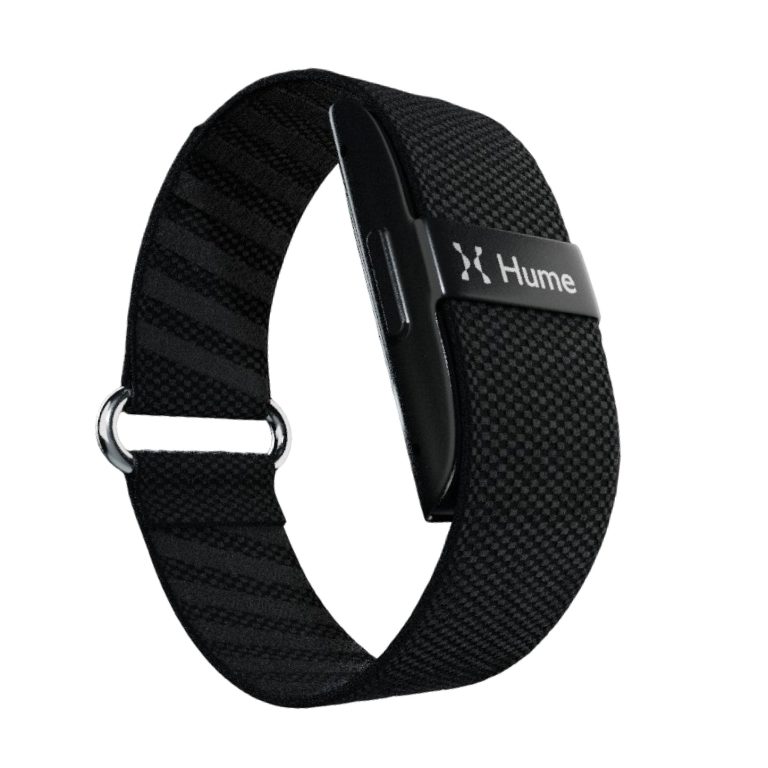
Hume Band: Metabolic Health and Biological Age Tracking in a Continuous Wearable
A wearable that tracks biological age, metabolic momentum, and recovery status around the clock, positioning itself not as a fitness tracker but as a longevity monitoring platform built on continuous…

The Sauna Prescription: What 30 Years of Finnish Research Reveal About Heat Exposure, Cardiovascular Mortality, and the Recovery Science That Rewrites Hormesis
Three decades of Finnish cohort research, anchored by the Kuopio Ischemic Heart Disease cohort and a 2015 JAMA Internal Medicine paper, have transformed sauna bathing from a cultural ritual into…

The Prior Authorization Trap: Why Healthcare AI’s Next Delivery Test Is Getting Care Approved
Prior authorization is one of healthcare’s hidden delivery gates. In 2026, CMS rules, Medicare Advantage data, KFF polling, AMA survey findings, and insurer AI adoption are converging on a sharper…
InsideTracker Ultimate Plan: 54 Blood Biomarkers for Longevity Optimization
The most comprehensive consumer blood biomarker panel available, measuring 54 markers across metabolic, hormonal, inflammatory, and cardiovascular categories, with AI-powered recommendations and biological age calculation. Presented By Our Partners The…
Cionic Neural Sleeve 2: FDA Cleared AI Powered Wearable for Neurological Mobility Disorders
The first and only FDA cleared wearable that simultaneously activates muscle movement and relaxes spasticity, using AI powered functional electrical stimulation embedded in a full leg garment to restore walking…
