
The Daily Rounds: Longevity & Health Care Brief | May 27, 2026
Your daily briefing on the science of living longer, better. Covering the past 24 to 48 hours in longevity, medicine, and healthspan research.
Presented By Our Partners



🧠 NEUROLOGY & COGNITIVE HEALTH
🧠 Nasal Spray Reverses Brain Aging and Inflammation in Preclinical Study
Texas A&M researchers published findings in the Journal of Extracellular Vesicles showing a nasal spray loaded with microscopic particles derived from neural stem cells reversed age-related brain inflammation and restored memory and cognitive function in aged mice equivalent to 60-year-old humans. Two doses produced benefits within weeks that persisted for months, with the mechanism targeting neuroinflammaging, the slow chronic brain inflammation that drives cognitive decline in aging adults. The team has filed a U.S. patent for the therapy, with backing from the National Institute on Aging, signaling near-term movement toward human clinical translation.
🧠 POLARIS-AD Phase 3 Trial Tests New Alzheimer’s Target Upstream of Amyloid Plaques
The POLARIS-AD Phase 3 trial, enrolling more than 1,500 patients with mild cognitive impairment or mild Alzheimer’s dementia, is evaluating AR1001, a compound that targets soluble amyloid-beta oligomers before they aggregate into plaques, representing a fundamentally different upstream pharmacological approach than currently approved amyloid-clearing therapies. Topline results are expected in 2026, making it one of the highest-stakes readouts in the near-term Alzheimer’s treatment pipeline. Scientists say targeting oligomers, which damage synapses before plaques form, may offer both better tolerability and stronger cognitive benefit than plaque-focused antibody therapies.
❤️ CARDIOVASCULAR HEALTH
❤️ Irregular Bedtimes Double Heart Attack Risk, Study Confirms
A new study found a strong connection between variable bedtimes and major cardiac events, with people whose sleep schedules fluctuated widely facing approximately twice the risk of heart attack compared to those maintaining consistent nightly routines. The research highlights that cardiovascular risk from inconsistent sleep timing appears to operate independent of total sleep duration, suggesting sleep schedule regularity is a distinct and underappreciated heart health variable. Cardiologists say the finding strengthens the case for including sleep consistency as a modifiable cardiovascular risk factor alongside blood pressure, cholesterol, and exercise habits.
❤️ Apple Heart Study Findings Advance Framework for Equitable Digital AFib Screening
New insights published in Nature Cardiovascular Research from the Apple Heart Study examined how smartwatch-based atrial fibrillation detection performs across diverse patient populations, finding meaningful differences in detection accuracy and notification rates by age, sex, and race that underscore the need for equity-adjusted algorithms before digital cardiac screening becomes standard of care. The study’s findings are shaping emerging FDA guidance on how wearable cardiac monitors should be validated across population subgroups rather than averaged across broad demographic categories. Researchers say real-world digital cardiac screening at scale is achievable but requires deliberate inclusion engineering to avoid systematically underperforming for the groups at highest arrhythmia risk.
📌 Read more → Nature Cardiovascular Research
🔬 CELLULAR HEALTH, SENOLYTICS & EPIGENETICS
🔬 Four-Week Diet Change Measurably Reduces Biological Age in Older Adults
University of Sydney researchers published findings in Aging Cell showing that adults aged 65 to 75 who shifted to a reduced-fat or plant-shifted diet for just four weeks showed measurable improvements in biological age biomarkers, with the strongest effects seen in an omnivorous high-carbohydrate group, while participants on their usual diet showed no change. The results suggest dietary composition directly influences epigenetic aging clocks and metabolic biomarkers over a clinically relevant short timeframe, challenging the assumption that meaningful biological age reversal requires years of sustained intervention. Researchers caution that larger, longer studies are needed, but describe the findings as among the most direct short-term dietary evidence for biological age modulation yet published.
📌 Read more → ScienceDaily / Aging Cell
Featured Partner
Invest in the Infrastructure Behind Modern Medicine
As healthcare expands beyond hospital walls, the buildings and campuses supporting that shift are generating compelling returns for investors who move early. The Healthcare Real Estate Fund offers qualified investors direct access to a curated portfolio of medical office, outpatient, and specialty care facilities.
Learn More →
🔬 Senolytic Therapy With Dasatinib and Quercetin Improves Physical Function in Human Trial
A clinical trial using the senolytic combination of dasatinib and quercetin in patients with idiopathic pulmonary fibrosis demonstrated significant improvements in physical function and reduced circulating senescent cell burden, providing some of the clearest human evidence to date that senolytic therapy can clear dysfunctional cells and produce functional health benefits in a diseased organ system. The trial adds to growing human data showing senolytics are safe and biologically effective, though researchers note larger randomized trials are needed before they enter standard clinical practice. Longevity scientists say IPF represents a strong proof-of-concept model because the disease is driven heavily by senescent cell accumulation, making functional improvement there highly predictive of broader anti-aging applications.
📌 Read more → Drug Design, Development and Therapy
🤖 AI IN MEDICINE & DRUG DISCOVERY
🤖 OpenBind Releases First Open AI Model for Drug Discovery Built at Atomic Resolution
The UK-led OpenBind initiative, anchored at Oxford University and Diamond Light Source, released its first publicly available dataset of 699 protein-drug binding structures and a trained AI model, OpenBind v1, produced with 800 high-quality atomic-resolution measurements generated in just seven months, a pace that historically required years. The open release breaks with standard pharmaceutical practice of keeping binding data proprietary, with the initiative designed to accelerate global drug discovery for conditions including COVID-19, malaria, dengue, and cancer by providing a shared structural foundation for AI-guided compound design. Researchers say this combination of automated chemistry, high-throughput crystallography, and open AI represents a new model for democratized drug discovery infrastructure.
📌 Read more → Oxford University
🤖 Insilico Medicine Signs $2.75B AI Drug Discovery Partnership With Eli Lilly
Insilico Medicine announced a discovery agreement with Eli Lilly valued at up to approximately $2.75 billion including milestones and royalties, marking one of the largest single AI drug discovery partnerships ever executed and a major institutional validation of AI-generated therapeutic candidates. The deal leverages Insilico’s generative chemistry and target identification platforms to create novel drug candidates across Lilly’s therapeutic areas, with Lilly gaining access to proprietary AI pipelines in exchange for providing downstream development, manufacturing, and commercial scale. Industry analysts say the agreement signals a structural shift from AI as a contracted toolset to AI as an integrated co-discoverer with full pipeline equity stakes in the compounds it generates.
📌 Read more → Bloomberg / Insilico Medicine
💪 MUSCLE MASS, STRENGTH & METABOLIC HEALTH
💪 Exercise Plus Creatine Outperforms Either Alone for Blood Sugar Control in Aging Adults
A comprehensive review published in the journal Nutrients found that combining regular strength training with daily creatine monohydrate supplementation produced significantly greater improvements in blood sugar regulation and muscle mass preservation than either intervention alone in older adults and individuals with type 2 diabetes, with no serious adverse events reported across reviewed trials. The mechanism centers on skeletal muscle’s role as the primary site of glucose uptake and storage, with creatine enhancing the muscle adaptations from training that directly drive glucose clearance from the bloodstream. Researchers say the combination offers a low-cost, scalable, and evidence-supported metabolic health intervention with particular relevance for the estimated 8% per-decade muscle mass loss beginning in adults over age 30.
📌 Read more → NaturalNews / Nutrients
🦠 GUT MICROBIOME & IMMUNE HEALTH
🦠 Multi-Omic Study Maps How Gut Microbiome Directly Controls Interferon Immune Responses
A multi-omic profiling study of 110 healthy participants published in PMC found that gut microbiome composition, bacterial metabolic pathways, and stool metabolites vary in close coordination with interferon immune response pathways, identifying the microbiome as an active regulator of one of the immune system’s most powerful inflammatory signaling systems. The interferon response was found to be the most variable immune feature across healthy individuals, with microbial fingerprints explaining a meaningful portion of that variability independent of genetics, diet, or other lifestyle factors. Researchers say the findings establish a direct mechanistic link between microbiome composition and immune tone with major implications for autoimmune disease, chronic inflammation, and antiviral defense strategies.
🦠 Frontiers Collection Links Gut Microbial Metabolites to Five Inflammatory Disease Pathways
A five-study research collection published May 25 in Frontiers in Cellular and Infection Microbiology synthesized how specific gut microbe-derived metabolites influence distinct inflammatory disease pathways, mapping connections between microbial composition and conditions spanning cardiovascular disease, metabolic syndrome, neuroinflammation, and autoimmune disease. The collection underscores that the gut microbiota functions as a dynamic immunological and endocrine interface rather than a passive microbial ecosystem, with targeted microbial modulation representing an increasingly tractable therapeutic strategy. Scientists say the cross-disease metabolite mapping provides a framework for designing precision microbiome interventions matched to individual inflammatory disease profiles.
📌 Read more → Frontiers in Cellular and Infection Microbiology
🥗 NUTRITION & METABOLIC HEALTH
🥗 Legumes Lower Blood Pressure as Effectively as Medication in New Clinical Analysis
New research published May 26 found that increasing consumption of beans, lentils, chickpeas, tofu, and other legume-based foods produced clinically meaningful reductions in blood pressure comparable to pharmaceutical intervention in adults with elevated readings, providing strong dietary evidence for legumes as a first-line hypertension management strategy. The blood-pressure-lowering effects appear driven by legumes’ combined fiber, plant protein, and mineral content, each of which independently modulates vascular tone and sodium-water balance through distinct physiological mechanisms. Researchers say the finding is especially significant for the estimated 1.28 billion adults globally living with hypertension, the majority of whom face barriers to first-line antihypertensive medication access or adherence.
🥗 Scientists Identify Brown Fat’s Hidden Molecular Switch for Calorie Burning
McGill University scientists uncovered a previously unknown molecular switch in brown adipose tissue that, when activated, triggers the body’s primary heat-generating and calorie-burning system, offering a new pharmacological target for metabolic disease that does not rely on appetite suppression or increased physical activity. Brown fat is metabolically distinct from white adipose tissue and capable of burning glucose and lipids to generate heat, but its activation has been difficult to pharmacologically control due to the complexity of thermogenic signaling cascades. Researchers say the discovery represents a tractable entry point for developing small-molecule activators of brown fat thermogenesis as a novel obesity and metabolic syndrome treatment pathway.
😴 SLEEP & CIRCADIAN HEALTH
😴 Weak or Irregular Body Clock Raises Dementia Risk by Up to 45%, Study Finds
A large longitudinal study found that people whose circadian rhythms were weaker or more irregular, as measured through wrist-worn activity trackers, were significantly more likely to develop dementia, with those whose activity levels peaked later in the day showing a 45% higher dementia risk compared to individuals with robust, well-timed daily rhythms. The finding adds to mounting evidence that circadian disruption may be a causal upstream driver of neurodegeneration rather than a mere symptom, with the body clock’s role in regulating brain waste clearance during sleep emerging as a central mechanism. Researchers say integrating circadian rhythm assessment into routine cognitive health screening could identify at-risk individuals years before conventional dementia biomarkers become detectable.
📌 TODAY’S TOP TAKEAWAYS
- 🧠 Nasal Spray Reverses Brain Aging — Texas A&M’s neural stem cell-derived nasal spray reversed chronic brain inflammation and restored memory in aged mice with benefits persisting months after just two doses, and a U.S. patent has been filed for clinical translation.
- 🔬 Four-Week Diet Reduces Biological Age — University of Sydney research published in Aging Cell found dietary shifts toward reduced fat or plant-forward eating produced measurable biological age improvements in adults aged 65 to 75 in just four weeks.
- 🤖 OpenBind Opens AI Drug Discovery to the World — Oxford’s OpenBind initiative released the first open AI model and atomic-resolution protein-drug binding dataset, generating 800 measurements in seven months and democratizing global drug discovery infrastructure.
- 🦠 Gut Microbiome Directly Controls Interferon Immune Signaling — A multi-omic study of 110 healthy adults found gut microbial composition is a primary regulator of interferon signaling, one of the immune system’s most powerful inflammatory response systems.
- ❤️ Irregular Bedtimes Double Heart Attack Risk — People with widely variable sleep schedules face approximately twice the cardiac event risk of consistent sleepers, establishing sleep schedule regularity as a newly quantified modifiable cardiovascular risk factor.
Sources compiled from ScienceDaily, Nature Cardiovascular Research, PMC/NCBI, Frontiers in Cellular and Infection Microbiology, Oxford University, NeurologyLive, Bloomberg, Aging Cell, Drug Design Development and Therapy, NaturalNews/Nutrients. Published: May 27, 2026.


Similar Posts

David Sinclair and the Battle Over the Future of Aging Science
David Sinclair helped make longevity science impossible to ignore. He also became one of its most contested public figures. Part II examines the criticism, contradictory evidence, and scientific arguments that…

The Hashimoto’s Breakthrough: Somatic Mutations and the New Model of Autoimmune Disease
A landmark Nature study finds that Hashimoto’s thyroiditis is driven in part by acquired somatic mutations that disable the immune system’s brakes. A new model of autoimmune disease is taking…

Genova GI Effects: A Multi-Method Approach to Comprehensive Stool Analysis
Why some clinicians prefer Genova’s multi-method stool panel for assessing digestive function, intestinal inflammation, and microbial balance Presented By Our Partners A 2019 study published in Alimentary Pharmacology and Therapeutics…

Healthcare Delivery: The AI Opportunity Hidden Between Breakthrough and Follow-Through
Healthcare delivery is where medical discovery becomes completed care. In 2026, AI’s most important healthcare breakthrough may be closing the gap between proven interventions and the patients medicine still misses.
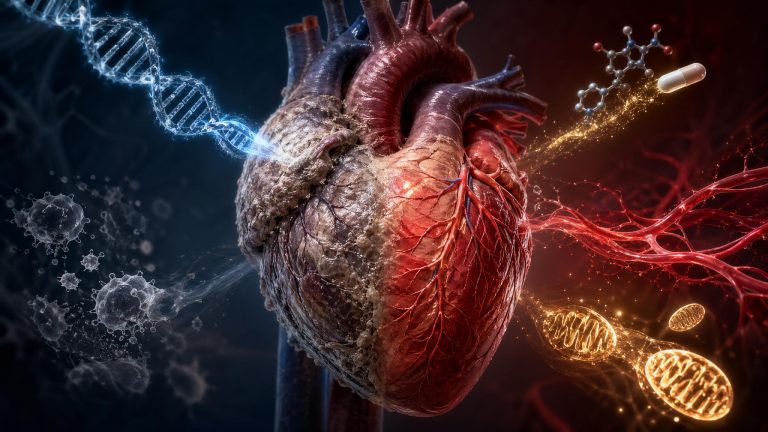
How Scientists Are Learning to Reverse Cardiovascular Aging: From Centenarian Genes to Rapamycin
New research reveals that cardiovascular aging can be slowed and even reversed. A centenarian gene rewinds heart age by ten years, rapamycin improves diastolic function in elderly men within weeks,…

Everlywell Metabolic Panel: Accessible At-Home Blood Testing for Metabolic Health
A widely available at-home blood and urine testing platform that puts basic metabolic screening in reach for anyone who wants to check their HbA1c, cholesterol, thyroid, and cortisol without a…
