
Abbott Lingo Review 2026: Price, Glucose Accuracy, HSA/FSA Status
Abbott’s Lingo puts a continuous glucose sensor in the hands of people without diabetes, no prescription needed. The first independent study of Lingo itself shows it follows glucose trends well, but its exact numbers, its arrows and its readings after a sugary meal deserve more caution than the app’s smooth curves suggest.
Presented By Our Partners



Abbott entered the US consumer biowearables market with Lingo and Libre Rio (Abbott Newsroom) after MassDevice reported that Abbott won FDA clearance for Lingo as an over-the-counter glucose monitor (MassDevice). Wareable reported the US launch starting at $49 (Wareable), and Close Concerns reported that Lingo’s Walmart launch marked the first brick-and-mortar availability of an over-the-counter CGM in the US (Close Concerns). This review looks past the marketing to what studies show Lingo and its Libre sensor family actually measure.
The short answer: Abbott Lingo is an FDA-cleared, over-the-counter glucose biosensor for people without diabetes. In the first independent study of Lingo, 39 young adults saw readings that tracked fingerstick trends but differed by 12.9 percent on average, with larger errors after a sugary drink. It is a reasonable tool for learning how food and exercise move your glucose, not for diagnosing diabetes or catching low blood sugar.
- Best for: Curious adults without diabetes who want to see how meals, sleep and exercise affect their glucose, and who will look at trends rather than single numbers.
- Not for: Anyone with diabetes, especially on insulin, anyone trying to self-diagnose diabetes or low blood sugar, and people for whom constant food feedback could feed anxiety or restrictive eating.
- Price (October 2026): Launched from $49 in the US, per Wareable. We could not confirm the current price or plan options as of October 28, 2026.
- Regulatory status: FDA cleared for over-the-counter use, per MassDevice and MedTech Dive. A 2026 study notes it was cleared as substantially equivalent to Abbott’s prescription FreeStyle Libre 2.
- Evidence: Good for glucose trends; moderate for exact values; weak for real-time arrows and readings during fast change; none showing that using Lingo improves health outcomes.
What Is Abbott Lingo?
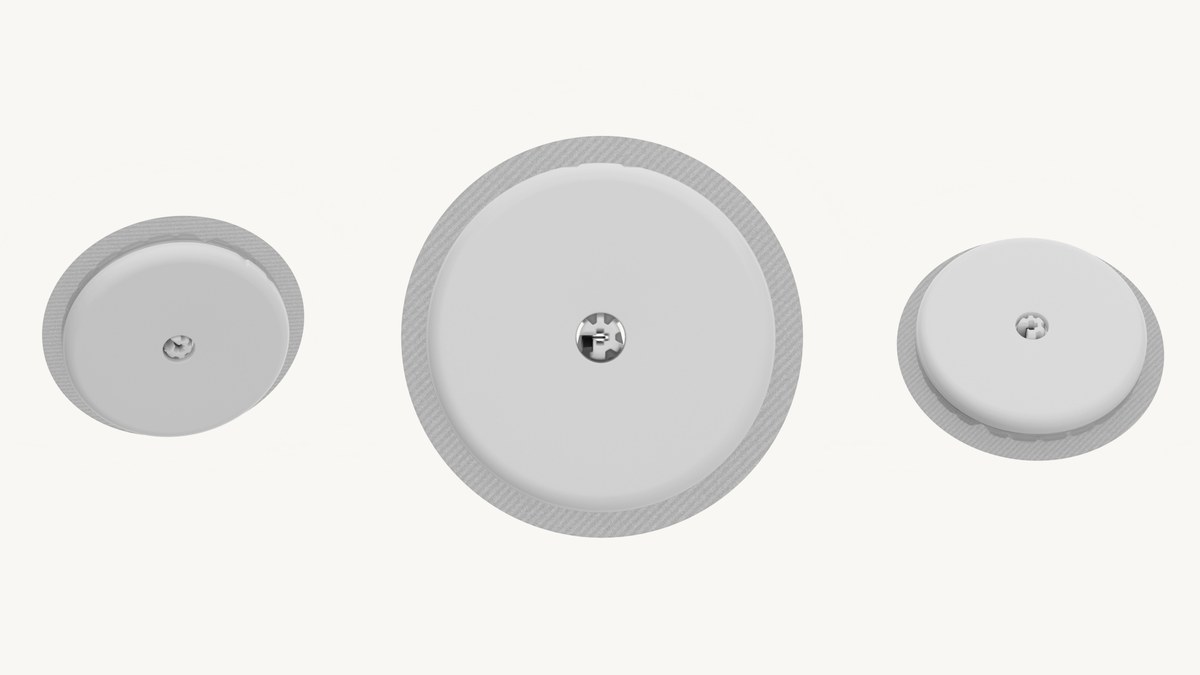
Abbott Lingo is an over-the-counter continuous glucose monitor, sold without a prescription to people without diabetes, that reads glucose under the skin every few minutes and sends the data to a smartphone app.
Lingo comes from Abbott’s diabetes business. In the first independent study of the device, the Lingo Glucose Biosensor, made by Abbott Diabetes Care, recorded glucose every 5 minutes and displayed values between 55 and 200 mg/dL; readings outside that range showed as the nearest limit (PMID 42764665). Those authors note that Lingo gained FDA clearance through substantial equivalence with Abbott’s FreeStyle Libre 2, so Libre 2 data are a reasonable guide to its performance, though manufacturing differences may exist.
Coverage has tracked Lingo’s spread more than its accuracy. Engadget reported that Abbott’s over-the-counter glucose monitor became available in the US (Engadget), Fierce Biotech said the over-the-counter CGM market grew with Lingo’s debut (Fierce Biotech), and Drug Delivery Business reported an Amazon retail deal (Drug Delivery Business). Athletech News published a first-person trial (Athletech News). These details come from headlines and were not tested by Healthcare Discovery.
How Does Abbott Lingo Work?
A thin filament under the skin measures glucose in the fluid between cells, called interstitial fluid, and the sensor sends readings to your phone. Because glucose reaches that fluid a few minutes after it reaches the blood, the sensor runs slightly behind a fingerstick, especially when glucose is rising or falling fast.
In the Lingo study, the sensor lagged a fingerstick meter by about 6.2 minutes on average, and shifting its readings by 5 minutes improved agreement (PMID 42764665). In a separate study of the Libre 2 in healthy men, the sensor read consistently lower than fingerstick blood during a glucose tolerance test (PMID 39275680).
The app turns those readings into curves and trend arrows. The curve is the most trustworthy part. The arrow, which predicts where glucose is heading right now, is the least.
How Accurate Is Abbott Lingo? What the Research Shows
In the one independent study of Lingo itself, readings differed from a fingerstick meter by 12.9 percent on average and fell within 15 percent or 15 mg/dL only two thirds of the time, with bigger errors after sugar and at higher glucose. Studies of the Libre 2 that Lingo was cleared against show the same pattern in healthy people: good trends, rougher single values.
Lingo in adults without diabetes. A Yale and University of South Florida team tested Lingo in 39 adults aged 18 to 28 without diabetes, across rest, moderate exercise, a sugar-sweetened drink and a placebo drink. The mean absolute relative difference (MARD) from a fingerstick meter was 12.9 percent, readings ran 4.8 mg/dL low on average, and 66.5 percent fell within 15 percent or 15 mg/dL. Agreement was worse after the sugar drink than the placebo (MARD 15.3 versus 10.6 percent), worse when glucose changed quickly, and 13.8 percent of trend arrows fell in moderate to extreme risk zones. Exercise had no consistent effect. The authors concluded that Lingo agreed with overall glucose trends but was less reliable for exact values, and cautioned against using it for diagnostic thresholds or real-time arrows (PMID 42764665). In the full text, error grew above about 99 mg/dL, and the sensor read low in 30 of the 39 participants.
The Libre 2 in people with diabetes. In Abbott’s pivotal study of the FreeStyle Libre 2 against a laboratory reference in 144 adults and 129 children with diabetes, MARD was 9.2 percent in adults and 9.7 percent in children, and 93.2 and 92.1 percent of readings fell within 20 percent or 20 mg/dL (PMID 32954812). That study used a lab analyzer, a stricter reference than a fingerstick meter, and people with diabetes, whose glucose spans a much wider range.
The Libre 2 in healthy people. In 44 healthy young men given a glucose tolerance test, the Libre 2’s MARD was 12.9 percent and it under-read capillary blood at every time point, for example 144.3 versus 159.9 mg/dL at 30 minutes (PMID 39275680). In 13 recreational runners, MARD during steady treadmill running was 13.8 percent on the arm and 11.4 percent on the chest, only about half of readings were within 10 percent, and the authors concluded the sensor was not valid for single-point readings but was valid for trends (PMID 39251197).
What normal looks like. A multicenter study fitted 153 healthy people without diabetes, aged 7 to 80, with a Dexcom G6 sensor. They spent a median 96 percent of the day between 70 and 140 mg/dL, about 30 minutes a day above 140 and about 15 minutes below 70 (PMID 31127824). Brief rises after meals are normal, so a single spike on Lingo is not a warning sign.
Health outcomes. We found no peer-reviewed study on PubMed, as of October 28, 2026, showing that people without diabetes who use Lingo lose weight, lower their diabetes risk or improve other health outcomes.
Company ties: three of the Libre 2 pivotal study authors shown in PubMed list Abbott Diabetes Care, the maker of the Libre 2 and Lingo (PMID 32954812). The Lingo study lists Yale, University of South Florida and Columbia affiliations only, and the other studies list university, hospital or research center affiliations only. PubMed affiliations are not a full disclosure of funding or conflicts.
Featured Partner
Invest in the Infrastructure Behind Modern Medicine
As healthcare expands beyond hospital walls, the buildings and campuses supporting that shift are generating compelling returns for investors who move early. The Healthcare Real Estate Fund offers qualified investors direct access to a curated portfolio of medical office, outpatient, and specialty care facilities.
Learn More →
What Abbott Lingo Gets Right
Lingo makes continuous glucose data easy to get without a prescription, and its trends track real changes well enough to show how your body responds to meals and activity. It is also one of the few consumer health sensors with an independent study of the device itself.
Trends you can learn from. In the Lingo study, nearly all readings fell in clinically acceptable zones and overall curves followed fingerstick trends, which is what matters for spotting patterns across days (PMID 42764665).
A proven sensor family. Lingo was cleared against the Libre 2, whose accuracy in people with diabetes is well documented (PMID 32954812).
Easy to buy. Lingo is sold without a prescription online and, per Close Concerns and eMarketer, in Walmart stores (eMarketer).
Where Abbott Lingo Falls Short
The weaknesses are exact values that can be off by more than 15 percent a third of the time, bigger errors right after eating sugar, unreliable trend arrows, a display that stops at 55 and 200 mg/dL, and no evidence that wearing it improves health.
Single numbers are rough. Only 66.5 percent of Lingo readings fell within 15 percent or 15 mg/dL of a fingerstick, and errors grew after a sugar drink and at higher glucose (PMID 42764665). Do not judge a meal by one peak reading.
Arrows can mislead. 13.8 percent of trend arrows fell in moderate to extreme risk zones (PMID 42764665), so do not use them to decide whether to eat or exercise in the moment.
Not a diabetes test. Sensors in this family read lower than blood during a glucose tolerance test (PMID 39275680), and the Lingo authors warn against self-screening for diabetes or hypoglycemia with it. Diabetes is diagnosed with lab tests such as an A1C or fasting glucose.
Evidence of benefit is missing. Watching your glucose can be interesting, but no study we found shows that it changes long-term health in people without diabetes.
Abbott Lingo vs Dexcom Stelo vs FreeStyle Libre 2
Lingo and Dexcom’s Stelo are the two main over-the-counter glucose sensors in the US; the FreeStyle Libre 2 is the diabetes sensor Lingo was cleared against. Lingo has an independent accuracy study of the device itself in people without diabetes; we did not verify one for Stelo.
| Feature | Abbott Lingo | Dexcom Stelo | FreeStyle Libre 2 |
|---|---|---|---|
| Who it is for | People without diabetes, over the counter | Over the counter; users include people without diabetes and with prediabetes | People with diabetes (studied from age 4) |
| Regulatory status | FDA cleared for over-the-counter use | Authorized for over-the-counter use | Not verified for this review |
| Display range | 55 to 200 mg/dL | Not verified for this review | Not verified for this review |
| Published accuracy | MARD 12.9% vs fingerstick, adults without diabetes | Not verified for this review | MARD 9.2% vs lab reference, adults with diabetes |
| Price (October 2026) | From $49 at US launch; current price not confirmed | Not verified for this review | Not verified for this review |
The Stelo row draws on the 2026 Lingo study, which describes Lingo and Stelo as the over-the-counter sensors authorized for people without diabetes and cites Dexcom’s report of more than 15,000 Stelo users without diabetes and more than 12,000 with prediabetes (PMID 42764665). Dexcom announced Stelo’s availability as the first over-the-counter glucose biosensor in the US (01net), and TipRanks reported Piper Sandler saying its cost came in a bit higher than expected (TipRanks).
For Abbott’s sensor that tracks ketones as well as glucose, see our Abbott Libre Duo explainer. If you want sleep, heart and activity data to sit beside your glucose curves, compare our Oura Ring 5 price and blood pressure guide and our Apple Watch Series 12 review. For the bigger picture of what drives cardiometabolic risk, see our heart health evidence review. Every device we track is in our healthtech wearables guide.
How Much Does Abbott Lingo Cost, and Is It HSA or FSA Eligible?
Lingo launched in the US starting at $49, according to Wareable (Wareable). We could not confirm its current price, plan options or any recent price change as of October 28, 2026, so check Abbott’s Lingo site or retailers before you buy. We found no confirmation that Lingo is HSA or FSA eligible as a standard purchase, and insurance does not cover it as far as we found.
Some plans may accept a glucose sensor with a letter of medical necessity from your clinician, so ask your HSA or FSA administrator before assuming it qualifies. Remember that sensors are replaced on a schedule, so the real cost is ongoing rather than one time.
Who Should Buy Abbott Lingo, and Who Should Skip It?
Lingo suits adults without diabetes who want to understand how their own meals, sleep and exercise affect glucose, and who will use trends rather than single readings. It is a poor fit for people with diabetes, for anyone trying to diagnose themselves, and for people prone to food anxiety.
Good candidates:
- Adults without diabetes who want short-term feedback on how different meals and activities affect their glucose.
- People with risk factors for type 2 diabetes who are already working with a clinician and want extra motivation for diet and exercise changes.
- Recreational athletes curious about glucose trends around training, accepting that single readings during exercise are rough.
Better served by something else:
- Confusion, fainting or a seizure in someone who may have very low blood sugar is an emergency. Call 911; do not wait for a sensor reading.
- People with diabetes, especially those using insulin: talk to your clinician about a prescription CGM made for diabetes care.
- Anyone with symptoms such as extreme thirst, frequent urination or unexplained weight loss: get a lab test such as an A1C rather than relying on Lingo.
- People with a history of disordered eating, for whom constant feedback on every meal may do more harm than good.
If your readings or symptoms send you looking for an endocrinologist or primary care doctor, the Healthcare Discovery doctor directory lists clinicians by state and specialty.
What This Means for You
Lingo is one of the rare consumer health sensors with an independent study of the device itself, and that study gives a clear answer: it follows your glucose trends well but its single numbers, its arrows and its readings right after sugar are rough. That makes it a learning tool, not a medical test.
If you buy it, use a sensor or two to learn your patterns, look at the shape of your curves over several days, and remember that rises after meals are normal. If anything worries you, confirm it with a lab test and a clinician rather than another sensor.
Compiled by Healthcare Discovery from the cited PubMed studies and Abbott’s launch materials. Every PMID, study size and result on this page was checked against PubMed on October 28, 2026. Launch, price, specification and review details come from the named publications’ headlines and listings and were not independently tested. No Healthcare Discovery hands-on testing was done.
How accurate is Abbott Lingo?
In the first independent study of Lingo, 39 young adults without diabetes had readings that differed from a fingerstick meter by 12.9 percent on average, with 66.5 percent within 15 percent or 15 mg/dL. Errors were larger after a sugary drink (PMID 42764665). It tracks trends well but single readings are rough.
Is Abbott Lingo FDA cleared?
Yes. MassDevice and MedTech Dive reported FDA clearance of Lingo as an over-the-counter glucose monitor. A 2026 study notes it was cleared as substantially equivalent to Abbott’s FreeStyle Libre 2 (PMID 42764665).
Is Lingo the same as the FreeStyle Libre?
Lingo is made by Abbott Diabetes Care and was FDA cleared through substantial equivalence with the FreeStyle Libre 2, according to a 2026 study (PMID 42764665). It is sold over the counter for people without diabetes, while the Libre 2 is a diabetes device.
Can Abbott Lingo diagnose diabetes or low blood sugar?
No. The authors of the Lingo study cautioned against using it to self-screen for diabetes or hypoglycemia (PMID 42764665). Diabetes is diagnosed with lab tests such as an A1C or fasting glucose.
How much does Abbott Lingo cost?
Wareable reported that Lingo launched in the US starting at $49. We could not confirm the current price or plan options as of October 2026, so check Abbott’s site or retailers before buying.
Is Abbott Lingo HSA or FSA eligible?
We found no confirmation that it qualifies as a standard HSA or FSA purchase. Some plans may accept a letter of medical necessity, so check with your plan administrator before buying with pre-tax funds.
Sources
- Prakash N, et al. Agreement of over-the-counter continuous glucose monitors with capillary-meter glucose in young adults without diabetes. Journal of Diabetes Science and Technology, 2026. PMID 42764665
- Alva S, et al. Accuracy of a 14-day factory-calibrated continuous glucose monitoring system with advanced algorithm in pediatric and adult population with diabetes. Journal of Diabetes Science and Technology, 2020. PMID 32954812
- Fellinger E, et al. Analytical performance of the FreeStyle Libre 2 glucose sensor in healthy male adults. Sensors, 2024. PMID 39275680
- Mason LJ, et al. Validating the use of continuous glucose monitors with nondiabetic recreational runners. International Journal of Sports Physiology and Performance, 2024. PMID 39251197
- Shah VN, et al. Continuous glucose monitoring profiles in healthy nondiabetic participants: a multicenter prospective study. Journal of Clinical Endocrinology and Metabolism, 2019. PMID 31127824
- Abbott. Abbott enters U.S. consumer biowearables market with Lingo and Libre Rio. Abbott Newsroom
- MassDevice. Abbott wins FDA clearance for its Lingo OTC glucose monitor. MassDevice
- MedTech Dive. Abbott Lingo FDA clearance for over-the-counter CGM. MedTech Dive
- Wareable. Abbott launches its Lingo biowearable in the US, starts at $49. Wareable
- Engadget. Abbott’s OTC glucose monitor is now available in the US. Engadget
- Fierce Biotech. Over-the-counter CGM market grows, with Abbott’s Lingo debut. Fierce Biotech
- Close Concerns. Abbott’s Lingo launches at Walmart, marking first brick-and-mortar OTC CGM availability in the US. Close Concerns
- eMarketer. Walmart lands first in-store retail deal for Abbott blood sugar monitoring device. eMarketer
- Drug Delivery Business. Abbott inks Lingo retail deal with Amazon. Drug Delivery Business
- Athletech News. I tried Abbott Lingo continuous glucose monitor: CGM review. Athletech News
- 01net. Stelo by Dexcom, the first over-the-counter glucose biosensor in the U.S., is now available. 01net
- TipRanks. Dexcom’s Stelo cost came in a bit higher than expected, says Piper Sandler. TipRanks


Similar Posts
Eli Health Hormonal Tracker: Daily Saliva-Based Hormone Monitoring for Perimenopause
Perimenopause can last a decade. For most of that time, standard lab work says everything is “normal” while the body tells a very different story. Presented By Our Partners The…
The Daily Rounds: Longevity & Health Care Brief | May 29, 2026
🧠 Blocking Parkinson's Spread Protein: Penn Medicine researchers identified GPNMB as the key driver of alpha-synuclein propagation in Parkinson's disease, with monoclonal antibodies successfully halting the spread in preclinical models and opening the first potential disease-modifying treatment pathway. 🔬 FDA Approves First Epigenetic Reprogramming Trials: The FDA greenlit the first human trials testing partial epigenetic reprogramming as an anti-aging intervention, marking the most significant regulatory milestone for longevity medicine in years. 🤖 GLP-1 Drugs Show Cancer Prevention Signal at ASCO 2026: Opening-day research at the world's largest oncology conference showed GLP-1 receptor agonists reduce breast cancer incidence in high-risk women, extending the drugs' clinical case well beyond weight management. 🧠 Long COVID Is Not Brain Inflammation: A landmark neuroimaging study found no widespread brain inflammation in long COVID patients, redirecting research and treatment toward stress-response and emotional regulation pathways instead. 🥗 Microbiome Ranking Links Gut Species to Longevity: A 34,000-person study produced the first species-level gut microbiome ranking tied to longevity markers, providing a precision nutrition framework for designing diets that specifically promote healthspan.
Game Ready GRPro 2.1: Clinical Cold and Compression Therapy for Acute Recovery
When a professional athlete tears an ACL on the field, the first device they encounter in the training room is almost always a Game Ready. There is a reason it…
The Daily Rounds: Longevity & Health Care Brief | May 1, 2026
💊 Rapamycin vs. Exercise: A controlled trial found the longevity drug blunted physical gains in older adults, raising urgent questions about combining mTOR inhibition with exercise-based longevity protocols. 🧫 Harvard Pinpoints How a Gut Bacterium Triggers Depression: Morganella morganii produces an inflammation-triggering molecule when interacting with a common pollutant, providing the first mechanistic explanation for the gut-brain-depression link. 🤖 NVIDIA and Lilly Commit $1B to AI Drug Discovery Infrastructure: The San Francisco co-innovation lab marks one of the largest AI-pharma investments ever, aiming to compress the full drug development value chain with agentic AI systems. 🦠 Roseburia Bacteria Linked to 29% Greater Grip Strength in Older Adults: The gut species declines sharply with age and its restoration in mice produced a 30% strength gain, opening a new probiotic angle on sarcopenia prevention. 🧬 T Cell Senescence Drives 40% of Immune Gene Expression Changes: Senescence, not chronological age, is the primary epigenomic driver of immune aging, suggesting senolytics could restore immune function independent of broader biological age reversal strategies.

The VO2 Max Imperative: What 50 Years of Research Reveal About the Strongest Mortality Predictor in Modern Medicine
A 122,007 patient JAMA Network Open study from the Cleveland Clinic showed that low cardiorespiratory fitness conferred a 5.04 fold higher all cause mortality risk than elite fitness, a larger…
BodySpec Mobile DEXA: Gold Standard Body Composition and Bone Density Scanning
When clinical precision matters more than convenience, DEXA remains the measurement against which every consumer device is judged. BodySpec brings that standard directly to you. Presented By Our Partners Updated…
