
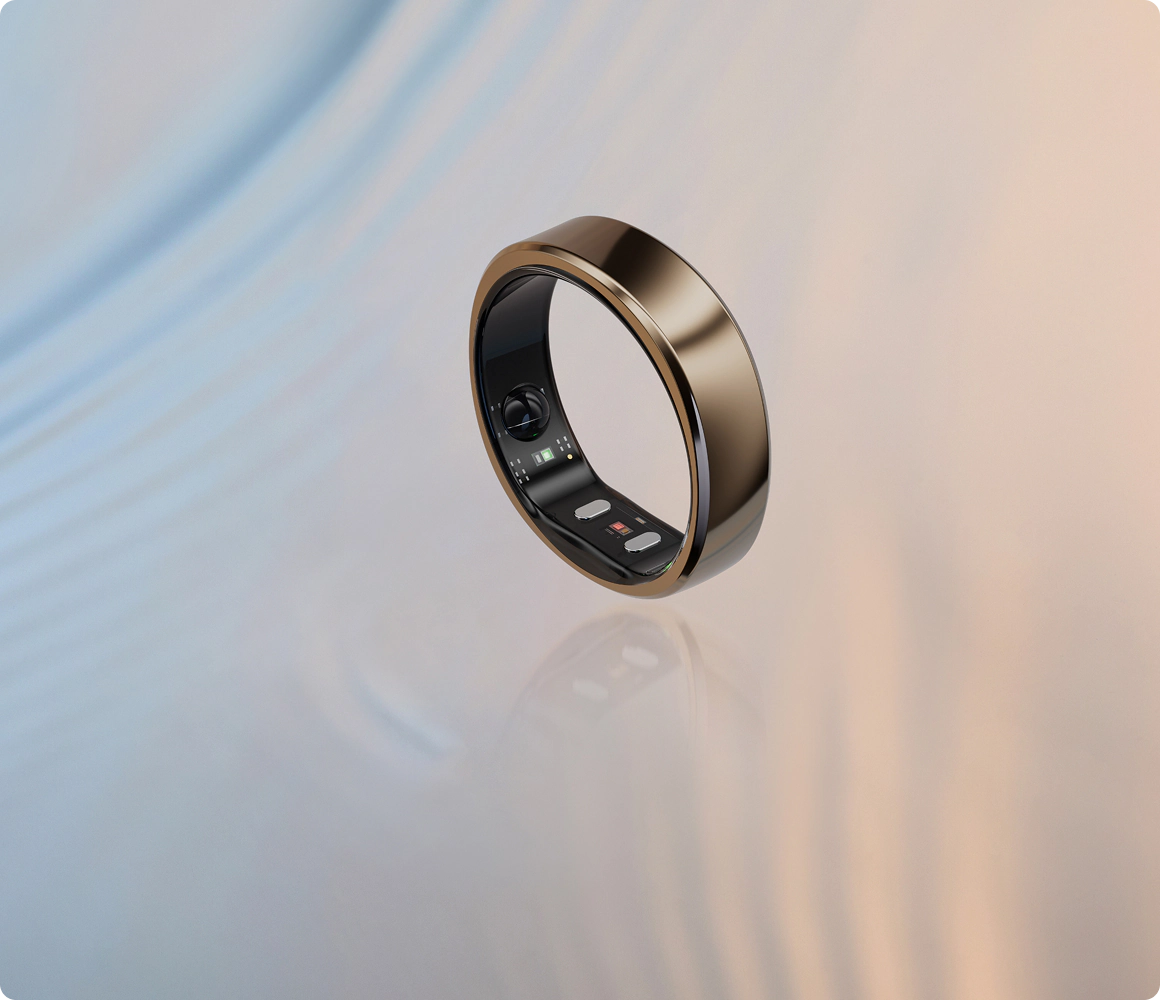
RingConn Gen 3 Review 2026: $349 Price, 14-Day Battery, HSA/FSA Status
RingConn’s third ring adds vibration alerts, a two-week battery and blood pressure trends, with no monthly fee. Reviewers like it, but no study has tested any RingConn ring yet, so its health numbers rest on what other smart rings have shown.
Presented By Our Partners


Before launch, Notebookcheck reported that the Gen 3 would arrive soon with blood pressure monitoring and haptic feedback (Notebookcheck), while Wareable noted that pricing and release date details remained unknown (Wareable). Gizmochina reported the launch, with specs and price, in May 2026 (Gizmochina). Notebookcheck reported that it launched with a 14-day battery (Notebookcheck), with blood pressure tracking arriving later (Notebookcheck Spanish edition), and Yanko Design put the price at $349 (Yanko Design). This review looks past the launch to what smart ring sensors have been shown to measure in published studies.
First look. No peer-reviewed study has tested the RingConn Gen 3, or any earlier RingConn ring; a PubMed search on October 28, 2026 found none. The accuracy section therefore draws on independent studies of other smart rings that use the same kinds of sensors, mostly Oura, and the Gen 3 may perform better, worse or simply differently.
The short answer: The RingConn Gen 3 is a subscription-free smart ring that launched in 2026 at a reported $349, with vibration alerts, a reported 14-day battery and blood pressure trend features. No study has tested any RingConn ring. Studies of other rings show accurate overnight heart rate and heart rate variability, but sleep stages right only about half the time and cuffless blood pressure that often misses a cuff by more than 5 mmHg.
- Best for: People who want sleep, heart rate and recovery trends from a ring, long battery life and no monthly fee.
- Not for: Anyone who needs a diagnosis, blood pressure numbers to adjust medication, or a device with published accuracy data.
- Price (October 2026): $349 as reported by Yanko Design; Notebookcheck reported a launch discount. No subscription required.
- Regulatory status: We found no FDA clearance for the RingConn Gen 3 or its blood pressure features. It is a wellness device, not a medical device.
- Evidence: None published for any RingConn ring. Moderate for smart rings in general on overnight heart rate and heart rate variability; limited for sleep stages; weak for cuffless blood pressure.
What Is the RingConn Gen 3?
The RingConn Gen 3 is a screenless smart ring from RingConn that tracks sleep, heart rate, heart rate variability, activity and blood pressure trends, vibrates to deliver alerts, and works without a subscription. It follows the RingConn Gen 2.
Notebookcheck reported a 14-day battery at launch (Notebookcheck) and described it as launching with no subscription costs and a vibration motor (Notebookcheck Germany). T3 described a push into vascular health management, along with an official Lord of the Rings tie-in that TechRadar also covered (T3; TechRadar). The Gen 2 it replaces was launched with sleep apnea detection and 10 to 12 days of battery, according to RingConn’s own launch release (RingConn via AAP). Those figures come from the publications’ headlines and were not tested by Healthcare Discovery.
Early reviews are positive. Tom’s Guide wrote after a hands-on that it beats even the Oura Ring 4 in several crucial ways (Tom’s Guide). TechRadar tested it for two weeks and called it the best choice if you do not want to pay Oura prices (TechRadar). Notebookcheck’s review called it the new benchmark without subscription fees (Notebookcheck). Not everyone was convinced: Digitec asked whether blood pressure tracking and vibration are actually useful (Digitec), and Gadget Flow wrote that the Oura Ring 5 closed the gap more than expected (Gadget Flow).
How Does the RingConn Gen 3 Work?
Like other smart rings, the Gen 3 reads the body through light and motion on the finger. An optical sensor tracks each pulse for heart rate and heart rate variability, and an accelerometer tracks movement and sleep. Many rings also carry blood oxygen and skin temperature sensors; we did not confirm the Gen 3’s full sensor list from its launch coverage.
The finger is a good place to measure. Its arteries sit close to the skin, and at night the hand is still, so a ring can capture a clean pulse signal for hours. That is why rings tend to do best on overnight heart rate and heart rate variability and worse during exercise, when the hand moves and the ring shifts.
Blood pressure trends work differently from a cuff. Instead of squeezing an artery, the ring estimates blood pressure from the shape and timing of the pulse wave, which changes as vessels stiffen or relax. RingConn’s own guide, titled “Can a Smart Ring Track Blood Pressure? What RingConn Gen 3 Actually Shows”, frames the feature as trends rather than readings (RingConn). The haptic motor lets the ring tap you for alerts without a screen.
How Accurate Is the RingConn Gen 3? What the Research Shows
No study has tested any RingConn ring. Independent studies of other smart rings found overnight heart rate and heart rate variability close to ECG, sleep versus wake detection around 85 percent accurate, sleep stages right only about half the time, and daytime heart rate and cuffless blood pressure much less reliable.
The big picture. A 2025 systematic review of 107 smart ring studies with about 100,000 participants reported correlations with reference devices of 0.996 for heart rate and 0.980 for heart rate variability, and 93 to 96 percent sensitivity for detecting sleep. It also found that 65 percent of studies had moderate to high risk of bias, 89 percent relied on proprietary algorithms, and adherence fell from 80 percent at 3 months to 43 percent at 12 months (PMID 41439888).
Overnight heart rate and heart rate variability. In 13 healthy adults tracked against an ECG for 536 nights, the Oura Ring Gen 4 measured heart rate variability with a concordance of 0.99 and a mean absolute percentage error of 5.96 percent, and Oura Gen 3 resting heart rate was off by 1.67 percent on average (PMID 40834291). That shows what a well-built ring can do overnight. It does not show that RingConn’s sensors and software reach the same level.
Daytime and activity heart rate. Rings struggle more when the hand moves. In a 2026 study of 45 adults that compared 10 wearables with an ECG chest strap, the Oura Ring was among the devices with larger errors, a mean absolute error of 9 to 14 beats per minute for that group, and intermittent walking increased errors for several devices (PMID 41701929).
Sleep and sleep stages. In a Charité sleep lab study of patients with a range of sleep and medical conditions, the Oura and SleepOn rings told sleep from wake with about 85 percent accuracy, but classified all four sleep stages correctly only 53.18 and 50.48 percent of the time, and the Circul ring 35.06 percent. Average total sleep time was close, within 12 minutes for Oura, but individual nights were often far off, and the authors concluded that this rules out use in clinical sleep medicine (PMID 40108409).
Sleep apnea. Rings built as medical oximeters can screen for sleep apnea. A meta-analysis of the Belun Ring, which the authors describe as FDA approved, pooled 4 studies of 339 patients and found 92 percent sensitivity and 81 percent specificity for moderate to severe sleep apnea, but only 18 percent specificity for mild disease (PMID 41276721). A modified ring oximeter tested in 25 patients over 90 sleep studies separated moderate to severe apnea with an area under the curve of 0.84 against the apnea hypopnea index (PMID 41425204). Neither study tested a RingConn ring, and we found no study of RingConn’s sleep apnea features.
Featured Partner
Invest in the Infrastructure Behind Modern Medicine
As healthcare expands beyond hospital walls, the buildings and campuses supporting that shift are generating compelling returns for investors who move early. The Healthcare Real Estate Fund offers qualified investors direct access to a curated portfolio of medical office, outpatient, and specialty care facilities.
Learn More →
Blood pressure. Ring blood pressure remains unproven for everyday decisions. In a 2026 real-world study of 154 adults wearing a calibrated ring-type cuffless monitor alongside 24-hour ambulatory monitoring, the ring read 24-hour systolic pressure 7.1 mmHg lower on average, only 33.1 percent of measurements were within 5 mmHg, and it underestimated the normal nighttime dip, 3.7 percent versus 7.8 percent (PMID 42847102). That was a different ring, not the RingConn Gen 3, which has no published blood pressure data.
Company ties: the sleep apnea ring oximeter study lists authors from Apnimed, a sleep apnea treatment company (PMID 41425204), and the Charité sleep lab study lists one author from Mentalab GmbH, a company that was not among the ring makers tested (PMID 40108409). The only PubMed article we found with a RingConn LLC affiliation is a meta-analysis of sleep apnea risk factors, not a device test (PMID 40628536). The other studies list academic, hospital or government research affiliations only. PubMed affiliations are not a full disclosure of funding or conflicts.
What the RingConn Gen 3 Gets Right
The Gen 3 gets the practical things right: a ring form that people wear to bed, a reported two-week battery, vibration alerts without a screen, and no monthly fee. Those matter because a sleep and recovery tracker is only useful if you keep wearing it.
No subscription. Notebookcheck highlighted the lack of subscription fees in both its launch coverage and its review (Notebookcheck). Over two or three years, that can matter more than the purchase price.
Battery that supports steady wear. A reported 14 days between charges (Notebookcheck) means fewer gaps in sleep data. That counts: the smart ring review found adherence fell from 80 percent at 3 months to 43 percent at 12 months (PMID 41439888).
A form factor that suits overnight tracking. Rings measured overnight heart rate and heart rate variability close to ECG in independent studies of other brands (PMID 40834291), which is the core of most readiness and recovery scores.
Where the RingConn Gen 3 Falls Short
The weaknesses are no published accuracy data for any RingConn ring, sleep stages that rings in general get right only about half the time, blood pressure trends without FDA clearance or validation, and weaker heart rate during activity.
No RingConn evidence. Every study on this page tested another brand. Until researchers test RingConn’s own sensors and algorithms, its accuracy is assumed, not shown.
Sleep stages are rough. Ring sleep stage accuracy of about 50 percent against a sleep lab (PMID 40108409) means deep and REM sleep numbers are estimates. Use them for long-term trends, not single nights.
Blood pressure is a trend, not a reading. A cuffless ring in a 2026 study missed a cuff-based monitor by more than 5 mmHg about two thirds of the time (PMID 42847102). If you have or suspect high blood pressure, use a validated upper-arm cuff.
Daytime heart rate is weaker. Errors of 9 to 14 beats per minute were seen for a ring during activity (PMID 41701929). A chest strap is better for workouts.
RingConn Gen 3 vs Gen 2 vs Oura Ring 5 vs Ultrahuman Ring Pro vs Galaxy Ring
The Gen 3 is the cheapest of the new flagship rings with no subscription, and it adds vibration alerts and blood pressure trends over the Gen 2. The Oura Ring 5 and Ultrahuman Ring Pro cost more, and the Galaxy Ring suits Samsung phone owners. None has independent blood pressure validation.
| Feature | RingConn Gen 3 | RingConn Gen 2 | Oura Ring 5 | Ultrahuman Ring Pro | Galaxy Ring |
|---|---|---|---|---|---|
| Battery (as reported) | Up to 14 days | 10 to 12 days | Not verified for this review | 15 days | Not verified for this review |
| Vibration alerts | Yes | Not verified for this review | Not verified for this review | Not verified for this review | Not verified for this review |
| Blood pressure | Trend features, not FDA cleared | Not verified for this review | Not verified for this review | Not verified for this review | Not verified for this review |
| Sleep apnea feature | Not verified for this review | Sleep apnea detection (company claim) | Not verified for this review | Not verified for this review | Not verified for this review |
| Published validation of this brand | None found | None found | Yes, earlier Oura models | Not verified for this review | Not verified for this review |
| Price (October 2026) | $349 reported | Seen at $239 in an Amazon deal | From $399 | $479 | Not verified for this review |
Oura Ring 5 pricing from $399 comes from Pulse2 (Pulse2), Ultrahuman’s $479 price and 15-day battery from Hub71 (Hub71), and the Gen 2 deal price from Wareable (Wareable).
Our Oura Ring 5 price and blood pressure guide covers the best studied ring brand, and our Ultrahuman Ring Pro review and Samsung Galaxy Ring review cover the other main rivals. For what sleep scores can and cannot tell you, read our sleep score essay. If blood pressure is your main reason to buy a ring, compare the Happy Ring and Signal Ring. Every device we track is in our healthtech wearables guide.
How Much Does the RingConn Gen 3 Cost, and Is It HSA or FSA Eligible?
Yanko Design reported a $349 price (Yanko Design), Notebookcheck reported a launch discount (Notebookcheck Germany), and there is no subscription. We found no confirmation that the RingConn Gen 3 is HSA or FSA eligible as a standard purchase, and insurance does not cover it as far as we found.
RingConn publishes a guide titled “Is RingConn HSA or FSA Eligible? A Practical Buying Guide” (RingConn), and the Gen 3 has a product listing on Flex (withflex.com). Neither confirms that every plan will accept it. Some plans may accept a smart ring with a letter of medical necessity from your clinician, so ask your HSA or FSA administrator before assuming it qualifies.
Who Should Buy the RingConn Gen 3, and Who Should Skip It?
The Gen 3 suits people who want sleep and recovery trends from a comfortable ring, long battery life and no monthly fee, and who accept that its accuracy is unproven. It is a poor fit for anyone who needs medical-grade blood pressure or sleep apnea results.
Good candidates:
- People who will not wear a watch to bed but want sleep, resting heart rate and heart rate variability trends.
- Buyers who want to avoid a monthly subscription.
- Anyone who prefers a quiet vibration alert to a screen.
Better served by something else:
- Chest pain, fainting, sudden severe headache, or a racing heart with shortness of breath: that is an emergency. Call 911; do not wait for a ring.
- People with high blood pressure: use a validated upper-arm cuff and share readings with your clinician rather than relying on ring trends.
- Anyone who suspects sleep apnea: ask for a home sleep test or sleep study, or consider an FDA-cleared ring oximeter.
- Buyers who want the most studied ring: Oura has far more independent research behind it.
If ring data sends you looking for a sleep specialist or cardiologist, the Healthcare Discovery doctor directory lists clinicians by state and specialty.
What This Means for You
The RingConn Gen 3 is a well-reviewed, subscription-free ring with a long battery and new vibration alerts. Rings as a category do measure overnight heart rate and heart rate variability well, so the Gen 3 is likely useful for sleep timing and recovery trends. But no study has tested RingConn yet, and its blood pressure feature has neither FDA clearance nor published validation.
Buy it for comfort, battery and the lack of a fee, and treat its sleep stages and blood pressure trends as rough guides. For any decision about your heart, sleep apnea or blood pressure, use a cuff, a sleep test or your clinician, not a ring score.
Compiled by Healthcare Discovery from the cited PubMed studies and RingConn’s launch materials. Every PMID, study size and result on this page was checked against PubMed on October 28, 2026. Launch, price, specification and review details come from the named publications’ headlines and listings and were not independently tested. This is a first look; no Healthcare Discovery hands-on testing was done.
How accurate is the RingConn Gen 3?
No peer-reviewed study has tested any RingConn ring, including the Gen 3, as of October 28, 2026. Studies of other smart rings found accurate overnight heart rate and heart rate variability, about 85 percent accuracy for telling sleep from wake, but only about 50 percent accuracy for sleep stages (PMID 40108409). Those results come from other brands and may not apply to RingConn.
Does the RingConn Gen 3 measure blood pressure?
RingConn markets blood pressure trend features for the Gen 3, and Notebookcheck reported that blood pressure tracking would arrive after launch. We found no FDA clearance for it. A 2026 study of a different calibrated ring found only 33.1 percent of readings within 5 mmHg of a cuff (PMID 42847102), so use a validated cuff for decisions.
How long does the RingConn Gen 3 battery last?
Notebookcheck reported up to 14 days of battery life at launch. Healthcare Discovery has not tested battery life.
Does the RingConn Gen 3 need a subscription?
No subscription is required, according to Notebookcheck’s launch coverage and its review, which called the Gen 3 the new benchmark without subscription fees.
Is the RingConn Gen 3 HSA or FSA eligible?
We found no confirmation that it qualifies as a standard HSA or FSA purchase. RingConn publishes its own HSA and FSA buying guide, but some plans may still require a letter of medical necessity, so check with your plan administrator before buying with pre-tax funds.
How much does the RingConn Gen 3 cost?
Yanko Design reported a $349 price, and Notebookcheck reported it launched with a discount. Check RingConn for current pricing.
Sources
- Gong EJ, et al. Smart ring in clinical medicine: a systematic review. Biomimetics, 2025. PMID 41439888
- Dial MB, et al. Validation of nocturnal resting heart rate and heart rate variability in consumer wearables. Physiological Reports, 2025. PMID 40834291
- Gielen J, et al. Accuracy of optical heart rate measurements for 10 commercial wearables in different climate conditions and activities: instrument validation study. JMIR Formative Research, 2026. PMID 41701929
- Herberger S, et al. Performance of wearable finger ring trackers for diagnostic sleep measurement in the clinical context. Scientific Reports, 2025. PMID 40108409
- Bhatia O, et al. Utility of Belun Ring platform for the diagnosis of obstructive sleep apnea: a systematic review and meta-analysis. Sleep and Breathing, 2025. PMID 41276721
- Gell LK, et al. Performance evaluation of a ring-worn pulse oximeter for the identification and monitoring of obstructive sleep apnea. Frontiers in Sleep, 2025. PMID 41425204
- Kim HJ, et al. Real-world performance of a ring-type cuffless blood pressure device compared with ambulatory blood pressure monitoring. Clinical Hypertension, 2026. PMID 42847102
- Xu JW, et al. Modifiable risk factors for sleep apnea: evidence from meta-analysis of traditional observational studies and 2-sample mendelian randomization. Epidemiologic Reviews, 2025. PMID 40628536
- Wareable. The upcoming smart ring seeks to build on the impressive Gen 2, but pricing and release date details remain unknown. Wareable
- Notebookcheck. RingConn Gen 3 to be launched soon with blood pressure monitoring and haptic feedback. Notebookcheck
- Gizmochina. RingConn Gen 3 smart ring launched: specs and price, May 2026. Gizmochina
- Notebookcheck. New RingConn smart ring launches with 14-day battery, blood pressure tracking. Notebookcheck
- Notebookcheck (Spanish edition). El nuevo anillo inteligente RingConn se lanza con una batería de 14 días; el seguimiento de la tensión arterial llegará más tarde. Notebookcheck
- Notebookcheck (German edition). Ohne Abokosten, mit Vibrationsmotor: RingConn Gen 3 startet mit Rabatt. Notebookcheck
- Yanko Design. Get ready for the $349 smart ring that vibrates on your finger. Yanko Design
- T3. RingConn 3 wants to be the one (smart) ring to rule them all, with vascular health management and an LOTR tie-in. T3
- TechRadar. One ring to rule them all: Oura Ring rival RingConn debuts its Gen 3 smart ring with an official Lord of the Rings tie-in. TechRadar
- Tom’s Guide. I just went hands-on with the RingConn Gen 3, and it beats even the Oura Ring 4 in several crucial ways. Tom’s Guide
- TechRadar. I tested the RingConn Gen 3 for two weeks and it’s the best choice if you don’t want to pay Oura prices. TechRadar
- Notebookcheck. RingConn Gen 3 review: the new benchmark without subscription fees. Notebookcheck
- Gadgets & Wearables. RingConn Gen 3 review: subtle alerts and bigger health ambitions, June 2026. Gadgets & Wearables
- Digitec. RingConn Gen 3 tracks blood pressure and vibrates, but is it useful? Digitec
- Gadget Flow. RingConn Gen 3 vs Oura Ring 5: I didn’t expect Oura to close the gap this much. Gadget Flow
- RingConn. Can a smart ring track blood pressure? What RingConn Gen 3 actually shows. RingConn
- RingConn. Is RingConn HSA or FSA eligible? A practical buying guide. RingConn
- Flex. RingConn Gen 3 product listing. withflex.com
- RingConn via AAP. RingConn launches Gen 2 smart ring: pioneering sleep apnea detection with unmatched 10 to 12 days battery life, August 2024. AAP
- Wareable. RingConn Gen 2 smart ring deal: Amazon, $239. Wareable
- Pulse2. Oura reveals $399 Oura Ring 5 as the world’s smallest smart ring. Pulse2
- Hub71. Ultrahuman launches $479 Ring Pro with 15-day battery life to re-enter US market after Oura patent dispute. Hub71


Similar Posts
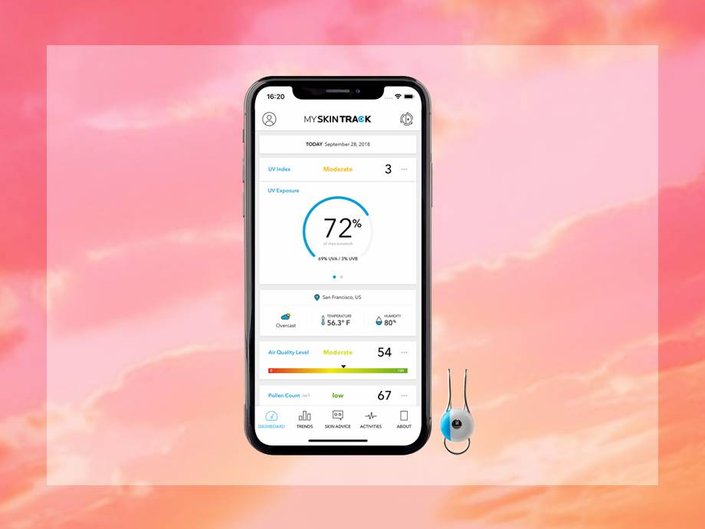
La Roche-Posay My Skin Track UV Review: What It Did, What to Use Now
La Roche-Posay My Skin Track UV is a battery-free UV sensor from L’Oreal. It appears discontinued as of 2026; use the UV index and consistent sun protection instead.

Resistance Training Is Medicine for Your Brain: What 2026 Research Reveals About Strength Training, Depression, and Cognitive Decline
A growing body of clinical evidence shows that resistance training reduces depression symptoms as effectively as frontline medications, slows cognitive decline in aging adults, and triggers neurobiological changes that no…

The Glymphatic System: How Sleep Cleanses the Aging Brain and What 12 Years of Neuroscience Reveal About Dementia Prevention
In 2013, Maiken Nedergaard’s lab at the University of Rochester discovered that the brain runs a sleep-gated waste clearance network called the glymphatic system. Twelve years of follow up research,…

Walking Is the Most Underrated Longevity Intervention: What the Largest Step Count Studies in History Reveal About Mortality, Heart Disease, and Biological Aging
A 2025 Lancet Public Health meta-analysis of 57 studies confirms that 7,000 daily steps reduce all-cause mortality risk by nearly half, while gait speed emerges as one of the strongest…

MIT, ASU, and the New Frontier of Protein Motion: Why Drug Discovery Is Moving Beyond Static Structure
Two university-led advances point to the next chapter in AI-enabled drug discovery. MIT’s VibeGen designs proteins by their motion profiles. ASU’s fast sampling method accelerates access to conformational landscapes. Together,…
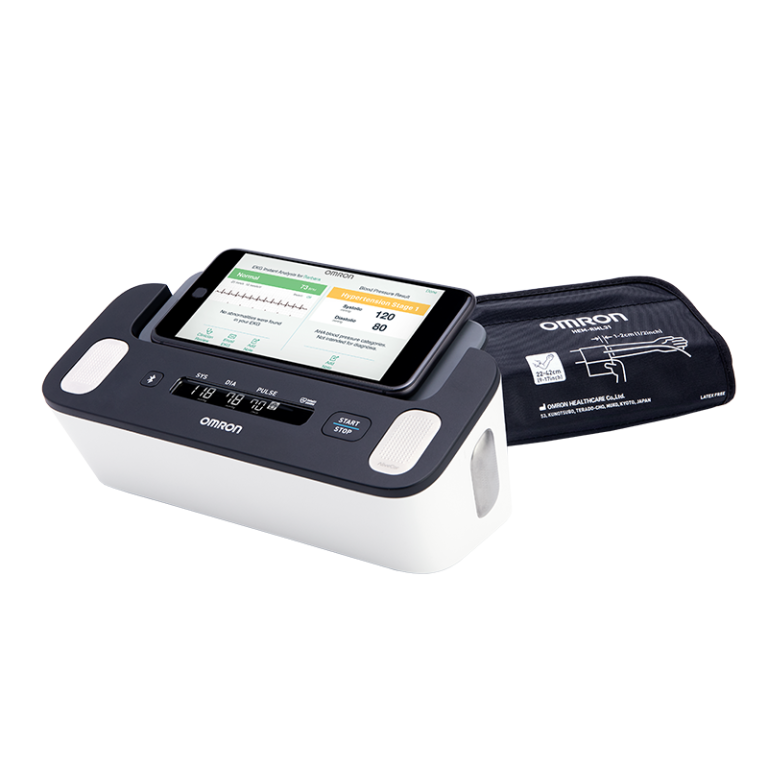
Omron Complete: FDA Cleared Blood Pressure Monitor With Built In ECG for AFib Detection
The most affordable FDA cleared device that combines upper arm blood pressure measurement with a single lead ECG for atrial fibrillation screening, built on AliveCor’s proven detection technology. Presented By…
