
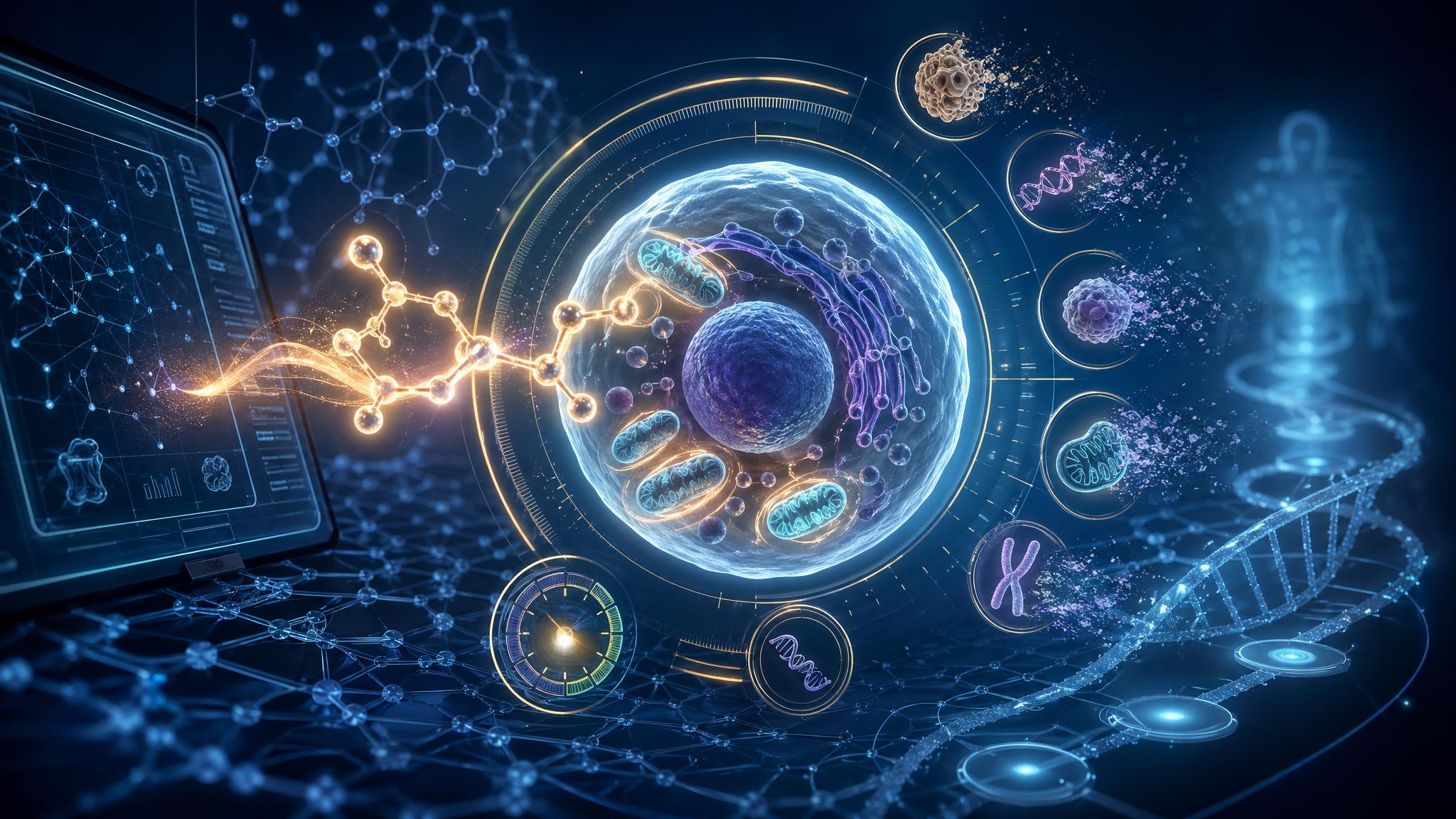
AI Is Now Building Drugs That Target Aging Itself: Inside the Longevity Board and the New Science of Healthspan Medicine
For the first time in history, the world’s most powerful AI systems are not just analyzing aging. They are designing drugs to stop it. And those drugs are now in clinical trials.
Presented By Our Partners



On April 21, 2026, Insilico Medicine announced the formation of what it calls the industry’s first Longevity Board: a scientific oversight body dedicated entirely to accelerating AI-driven drug discovery for aging. The Board’s chairman is Andrew Adams, Group Vice President of Molecular Discovery at Eli Lilly. Among its members: Michael Levitt, the 2013 Nobel Laureate in Chemistry. The announcement came less than a month after Lilly committed $2.75 billion to Insilico for access to its AI-discovered drug pipeline, one of the largest deals in the history of computational drug development.
These are not incremental moves. They are a signal that the pharmaceutical industry’s most powerful players have concluded that targeting the biology of aging is no longer a speculative frontier. It is the next trillion-dollar category in medicine, and artificial intelligence is the engine that will get us there.
What It Means to Build a Drug That Fights Aging
For most of the history of modern medicine, aging was treated as a backdrop rather than a target. Doctors addressed the diseases that aging produced: heart disease, cancer, neurodegeneration, metabolic dysfunction. The underlying biological processes that made those diseases increasingly likely as the years accumulated were largely left alone, considered either too complex or too fundamental to intervene in.
That framework is now crumbling under the weight of new evidence.
Beginning with the seminal work of Carlos Lopez-Otin and colleagues, published in Cell in 2013 and expanded significantly in a 2023 update, researchers established a framework known as the hallmarks of aging: a set of interconnected biological processes that collectively drive the aging phenotype. The original framework identified nine hallmarks, including genomic instability, telomere attrition, epigenetic alterations, loss of proteostasis, deregulated nutrient sensing, mitochondrial dysfunction, cellular senescence, stem cell exhaustion, and altered intercellular communication. The 2023 update added three more: compromised autophagy, chronic inflammation (now called “inflammaging”), and dysbiosis of the gut microbiome.
What makes these hallmarks scientifically actionable is that they are measurable, mechanistically linked to disease, and in many cases, reversible. Drugs that target these processes do not merely treat the downstream symptoms of aging. They intervene at the level of cause. In doing so, they hold the potential to reduce the risk of multiple chronic diseases simultaneously rather than addressing each one separately.
This is the scientific premise behind the Insilico Longevity Board. Its stated mission is to identify “dual-purpose targets”: biological mechanisms that sit at the intersection of age-related disease and the fundamental biology of aging. A drug that hits such a target would, in theory, both treat the immediate clinical condition and modulate the underlying aging process. The compound could extend healthspan, not just treat illness.
How AI Compressed the Drug Discovery Timeline
Traditional drug discovery, from target identification to Phase I clinical trial, typically takes four to six years and costs hundreds of millions of dollars before a single human patient receives the compound. Most candidates fail. The attrition rate in drug development remains stubbornly high: roughly 90 percent of drugs that enter Phase I never reach approval.
Insilico Medicine’s core claim, now supported by clinical evidence, is that generative AI can compress that timeline dramatically while improving target quality. The company uses a platform it calls Pharma.AI, which integrates three interconnected systems: PandaOmics for target discovery, Chemistry42 for molecule generation, and InClinico for clinical trial design. Together, these systems can scan vast biological datasets, identify novel molecular targets, generate drug candidates with desired properties, and predict trial outcomes.
The proof of concept came with rentosertib, formerly known as ISM001-055, a TNIK (TRAF2 and NCK-interacting kinase) inhibitor developed for idiopathic pulmonary fibrosis. TNIK was identified as a target using Insilico’s AI platform, the molecule was designed computationally, and the compound entered Phase I in just 30 months from target identification. That timeline is roughly half the industry average.
In 2025, Insilico published Phase IIa results from the GENESIS-IPF trial in Nature Medicine: a multicenter, double-blind, randomized, placebo-controlled trial in 71 patients with IPF. The trial demonstrated strong safety and tolerability and a dose-dependent improvement in lung function. It was the first clinical proof of concept for an entirely AI-discovered and AI-designed drug. TNIK, critically, scored high on six of the twelve hallmarks of aging, underscoring the dual-purpose potential the Longevity Board is now formally organized to pursue at scale.
Featured Partner
Invest in the Infrastructure Behind Modern Medicine
As healthcare expands beyond hospital walls, the buildings and campuses supporting that shift are generating compelling returns for investors who move early. The Healthcare Real Estate Fund offers qualified investors direct access to a curated portfolio of medical office, outpatient, and specialty care facilities.
Learn More →
The Scale of What Is Coming
Rentosertib is not an isolated case. As of early 2026, more than 173 AI-discovered drug programs are in active clinical development globally. Of those, approximately 94 are in Phase I, 56 in Phase II, and 15 in Phase III. Between 15 and 20 programs are expected to enter pivotal trials this year alone.
The capital flowing behind these programs reflects a fundamental shift in how the pharmaceutical industry views computational approaches. Eli Lilly’s $2.75 billion commitment to Insilico is the most visible example, but it is not the only one. Partnerships between AI drug discovery platforms and major pharma companies have proliferated across the sector, spanning companies including Recursion Pharmaceuticals, Exscientia, AbSci, and Genentech’s parent Roche.
At Scripps Research, scientists working with the longevity-focused biotechnology company Gero used AI to screen potential anti-aging compounds against aging-relevant biological pathways. Over 70 percent of the AI-identified candidates showed significant results in animal lifespan models. The compounds are now advancing toward human trials.
Eli Lilly’s own tirzepatide is also entering the longevity research space directly. The University of Texas Medical Branch is running the Moody Longevity Trial, a 24-week randomized study testing whether tirzepatide can reduce biological age as measured by epigenetic clocks: validated assays that read DNA methylation patterns to estimate the rate at which a person’s cells are aging. If tirzepatide, already proven to reduce cardiovascular events and all-cause mortality in large outcome trials, also demonstrably slows the epigenetic aging clock, it would represent something historically significant: a widely available, FDA-approved drug that directly modulates the pace of biological aging.
The Cellular Reprogramming Frontier
Beyond small molecules, the longevity therapeutics pipeline includes a category that would have seemed like science fiction a decade ago: drugs designed to partially reprogram cells back to a more youthful state.
In January 2026, Life Biosciences received FDA clearance for an Investigational New Drug application for ER-100, a partial epigenetic reprogramming therapy targeting optic neuropathies including glaucoma and non-arteritic anterior ischemic optic neuropathy. The company’s scientific approach draws on research from Harvard professor David Sinclair and the foundational work of 2012 Nobel Laureate Shinya Yamanaka, who demonstrated that mature cells can be fully reset to a stem-cell-like state using a set of four proteins now known as the Yamanaka factors.
Life Biosciences uses three of the four Yamanaka factors to achieve partial reprogramming: enough to restore youthful gene expression patterns and improve cellular function, but not so much that the cells lose their identity and risk tumor formation. In preclinical models, this approach reversed vision loss in damaged retinal ganglion cells. The human trial now underway is the first time epigenetic reprogramming has been tested in people.
The implications extend well beyond the eye. The retinal ganglion cells that ER-100 targets are neurons. If partial reprogramming can rejuvenate neurons in the eye, the scientific logic pushes toward the same question in other parts of the nervous system, and eventually, throughout the body. Researchers tracking this space describe the FDA clearance not as the endpoint of a long journey but as the opening of a door that the field has been working toward for two decades.
Peakspan, Not Just Lifespan
Insilico Medicine’s Longevity Board announcement introduced a term that deserves careful attention: peakspan. The concept is distinct from both lifespan (how long you live) and healthspan (how many of those years are spent in good health). Peakspan refers to the period of peak physical and cognitive performance: the years during which an individual is operating at or near their full biological potential.
The distinction matters because it reframes the ambition of longevity medicine. The question is no longer simply “how do we prevent decline?” It becomes: “how do we extend the period of genuine vitality?” That is a different design brief for a drug. It requires targeting the earliest stages of aging biology, before clinical disease has emerged, before the measurable decline has begun. It requires, in other words, treating aging as a condition worth managing in its own right, not just as a risk factor for the diseases that follow.
This framing is gaining traction among regulatory scientists as well. The FDA has not yet approved an indication for “aging” itself, but the agency’s willingness to clear IND applications for therapies explicitly targeting aging biology in the ER-100 case signals a softening of the traditional stance that aging cannot be treated because it is not a disease. Several geroscience researchers have publicly stated that a formal aging indication from the FDA, while still years away, is no longer an implausible outcome.
The Hallmarks as a Roadmap
What makes this moment different from previous waves of enthusiasm around longevity research is the existence of a validated, mechanistic roadmap. The hallmarks of aging framework provides a structured catalog of the biological processes that drive aging, each with its own molecular actors, its own measurable biomarkers, and its own growing body of therapeutic candidates.
The twelve hallmarks are now being used not just as a scientific framework but as a drug discovery filter. Insilico’s platform scores potential targets against their involvement in multiple hallmarks, prioritizing compounds that address several aging processes simultaneously. This multi-hallmark approach is analogous to the combination therapy strategies that transformed the treatment of HIV and certain cancers: attacking the underlying biology from multiple angles to prevent compensatory escape.
The aging biomarker field is also maturing rapidly alongside the therapeutic pipeline. Epigenetic clocks, telomere length assays, senescent cell burden measurements, and proteomics-based aging clocks are all advancing toward clinical-grade precision. As these biomarkers improve, they provide the longevity drug pipeline with outcome measures: a way to run trials not just on years of life or disease endpoints, but on the pace of aging itself. The Moody Longevity Trial using epigenetic clocks to measure tirzepatide’s effect is an early example of this approach in a clinical context.
What This Means for You
The formation of Insilico’s Longevity Board is not a consumer health announcement. There is no supplement to buy, no protocol to follow, no drug available yet that directly targets aging biology with proven clinical benefit in humans. What this moment represents is a structural shift in where the world’s most capable scientific and financial resources are being directed.
But that structural shift has direct implications for how you think about your own health today.
The longevity drugs now entering clinical trials are 5 to 10 years from potential approval, assuming trials succeed. What you do between now and then determines whether your biology is in a position to benefit when those therapies arrive. The hallmarks of aging framework, the same scientific map guiding billion-dollar drug programs, also describes what your daily choices are doing to your cells right now.
Chronic inflammation, one of the twelve hallmarks, is directly modulated by diet, sleep quality, and movement. Mitochondrial dysfunction, another hallmark, responds to cardiovascular exercise, particularly high-intensity interval training and Zone 2 aerobic work. Cellular senescence, the accumulation of dysfunctional cells that inflame surrounding tissue, is accelerated by metabolic dysfunction and ameliorated by fasting and caloric restriction protocols. Epigenetic alterations, the hallmark that partial reprogramming therapies target, are measurably influenced by sleep duration, stress levels, and nutritional quality.
The foundational health practices are not separate from the longevity science. They are the same biology, addressed through different means. The drugs being designed today are intended to amplify and extend what good lifestyle practice achieves. They are not a replacement for it.
The most actionable thing you can take from this moment in longevity medicine is not a supplement stack or a biohacking protocol. It is the understanding that aging has a mechanism, that mechanism is increasingly understood, and the foundations of nutrition, movement, sleep, and stress regulation directly address that mechanism every day. The drugs are coming. The question is what condition your biology will be in when they arrive.
Sources: Insilico Medicine press release, April 21, 2026; Nature Medicine, GENESIS-IPF Phase IIa trial, 2025; EurekAlert, Insilico Longevity Board, April 2026; Life Biosciences FDA IND clearance announcement, January 2026; University of Texas Medical Branch Moody Longevity Trial registry; MedCity News, April 2026; Lopez-Otin et al., “Hallmarks of Aging,” Cell, 2023; Clinical Trials Arena, AI drug discovery pipeline report, 2026.


Similar Posts

Narcolepsy’s Second Brain Target: UCLA Researchers Discover a 25-Year Blind Spot That Could Transform Diagnosis and Treatment
A Nature Communications study from UCLA found that severe narcolepsy destroys neurons in a second brain region previously overlooked, overturning a foundational assumption held for nearly 25 years and opening…

AI Outdiagnoses Emergency Room Doctors in Landmark Harvard Study: What It Means for the Future of Medical Care
A peer-reviewed study published in Science finds OpenAI’s o1 model correctly diagnosed 67% of real emergency room cases, beating two attending physicians and triggering one of the most consequential debates…

Grip Strength: The Underrated Vital Sign That Predicts Healthspan Better Than Blood Pressure
A 140,000 person Lancet study and the UK Biobank both confirm what longevity researchers have been quietly noting for a decade: a hand squeeze predicts mortality better than blood pressure….

The Youth Tax: Scientists Prove the Same Gene That Accelerates Growth Is Shortening Life
A landmark Nature Communications study from Hebrew University of Jerusalem delivers the first causal genetic proof that a single gene trades early-life advantages for accelerated aging and cancer, confirming a…

Healthcare Delivery: The AI Opportunity Hidden Between Breakthrough and Follow-Through
Healthcare delivery is where medical discovery becomes completed care. In 2026, AI’s most important healthcare breakthrough may be closing the gap between proven interventions and the patients medicine still misses.

When AI Finds the Signal, Medicine Still Has to Finish the Job
The next serious test for healthcare AI is not whether it can notice something humans might miss. It is whether the health system can turn that notice into completed care.
