The Protein Floor for Longevity: What Stuart Phillips, Luc van Loon, and the Leucine Threshold Reveal About Daily Intake, Muscle, and Healthspan
| | |

The Protein Floor for Longevity: What Stuart Phillips, Luc van Loon, and the Leucine Threshold Reveal About Daily Intake, Muscle, and Healthspan

The 0.8 g/kg RDA was set decades ago to prevent deficiency, not to protect muscle, metabolic health, and healthspan. Inside the science of muscle protein synthesis, the leucine threshold, the…

Movement Is Medicine: The 217-Trial BMJ Study That Names the Best Exercise for Knee Osteoarthritis
| | |

Movement Is Medicine: The 217-Trial BMJ Study That Names the Best Exercise for Knee Osteoarthritis

A landmark BMJ network meta-analysis of 217 randomized trials and 15,684 participants settles a long-running debate: aerobic exercise, walking, cycling, and swimming, is the most effective first-line treatment for knee…

Walking for Longevity: The 7,000 Step Sweet Spot, Brisk Cadence, and the Underrated Power of the Post Meal Walk
| | |

Walking for Longevity: The 7,000 Step Sweet Spot, Brisk Cadence, and the Underrated Power of the Post Meal Walk

A wave of large cohort studies, including the I-Min Lee Harvard analyses, the Paluch JAMA Internal Medicine meta-analysis, and a 2025 Lancet Public Health update, is reshaping the way clinicians…

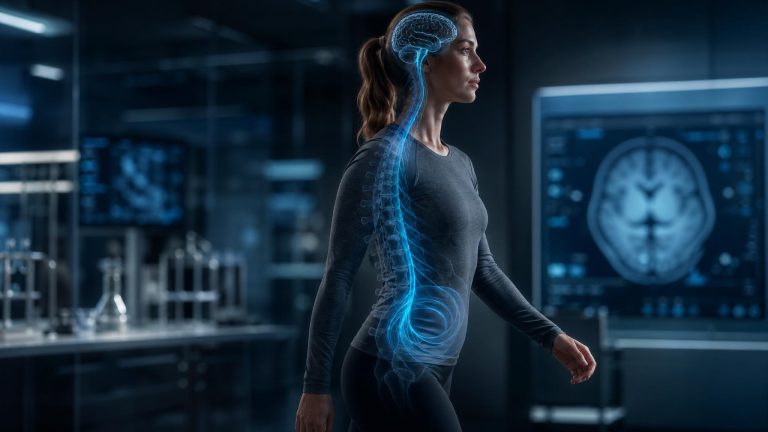
Photorealistic medical image showing core movement and blue cerebrospinal fluid pathways from the abdomen and spine toward the brain
| | | | |

New Penn State Study Shows How Your Core May Help Wash Your Brain

A new Nature Neuroscience study from Penn State suggests abdominal contractions and core movement may mechanically influence brain motion and cerebrospinal fluid flow. The real story is not stronger abs…

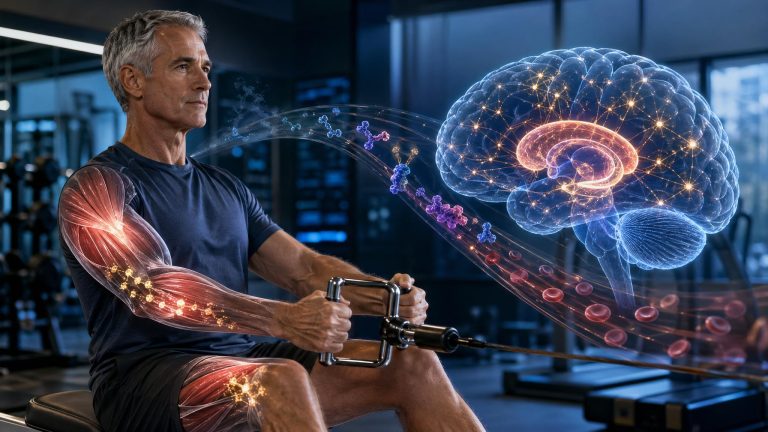
Myokine signals from strength training connecting skeletal muscle to brain health and cognitive longevity | Healthcare Discovery
| | |

Myokines and the Muscle-Brain Axis: How Strength Training Rewires Your Brain for Longevity

A growing body of research from Bente Pedersen’s Copenhagen lab, Henriette van Praag at Florida Atlantic, and the 2024 to 2026 wave of muscle-brain studies is reframing skeletal muscle as…

A runner climbing a mountain trail at golden hour, illustrating cardiorespiratory fitness and longevity science.
| |

VO2 Max and Longevity: Why Cardiorespiratory Fitness Is the Strongest Predictor of How Long You Live

A 122,007-patient Cleveland Clinic study found that low cardiorespiratory fitness carried a hazard ratio for all-cause mortality of 5.04, higher than smoking, diabetes, hypertension, and end-stage kidney disease combined. Inside…

Zone 2 Training: The Mitochondrial Science Behind Low-Intensity Cardio and Why It Matters for Longevity
| | |

Zone 2 Training: The Mitochondrial Science Behind Low-Intensity Cardio and Why It Matters for Longevity

Zone 2 training has become the most talked about protocol in longevity circles, championed by researchers such as Iñigo San-Millán. Here is what the mitochondrial science actually says about low-intensity…

Supersapiens: Real-Time Glucose Monitoring System Built for Athletic Performance
| | |

Supersapiens: Real-Time Glucose Monitoring System Built for Athletic Performance

The first continuous glucose monitoring system designed specifically for athletes, powered by Abbott’s Libre Sense biosensor, providing real-time fueling data during training and racing with integration into Garmin, Wahoo, TrainingPeaks,…

Supplement powder and dumbbell representing creatine science
| | |

Creatine for Longevity: What 2026 Research Reveals About Muscle, Brain, and Healthy Aging

For decades creatine was framed as a supplement for lifters. In 2026, new research on cognition, mood, bone density, and sarcopenia is repositioning creatine as a foundational tool for healthy…

Move More, Sit Smarter, Sleep Better: How Three Lifestyle Shifts Can Cut Your Dementia Risk by 25%
| | |

Move More, Sit Smarter, Sleep Better: How Three Lifestyle Shifts Can Cut Your Dementia Risk by 25%

Two landmark studies published in April 2026, drawing on data from millions of adults, have converged on a striking finding: the daily decisions you make about moving, sitting, and sleeping…