Medical illustration representing cardiovascular aging research and heart rejuvenation science
| | |

How Scientists Are Learning to Reverse Cardiovascular Aging: From Centenarian Genes to Rapamycin

New research reveals that cardiovascular aging can be slowed and even reversed. A centenarian gene rewinds heart age by ten years, rapamycin improves diastolic function in elderly men within weeks, and brown fat drives vascular rejuvenation. Five converging lines of science are reshaping how we understand the aging heart.

Golden sunlight filtering through an ancient forest, representing nature's healing effect on the brain
| | |

Your Brain Ages Faster When You Sleep Poorly: What 27,000 Brain Scans Reveal About Deep Sleep and Cognitive Longevity

A landmark study of 27,500 brain scans from the UK Biobank reveals that poor sleep accelerates brain aging by up to a full year, with systemic inflammation as the mediating pathway. Combined with new research on sleep spindles and Alzheimer’s risk, the science now points to deep sleep as the single most modifiable factor in cognitive longevity. Here is what the data says and what you can do about it tonight.

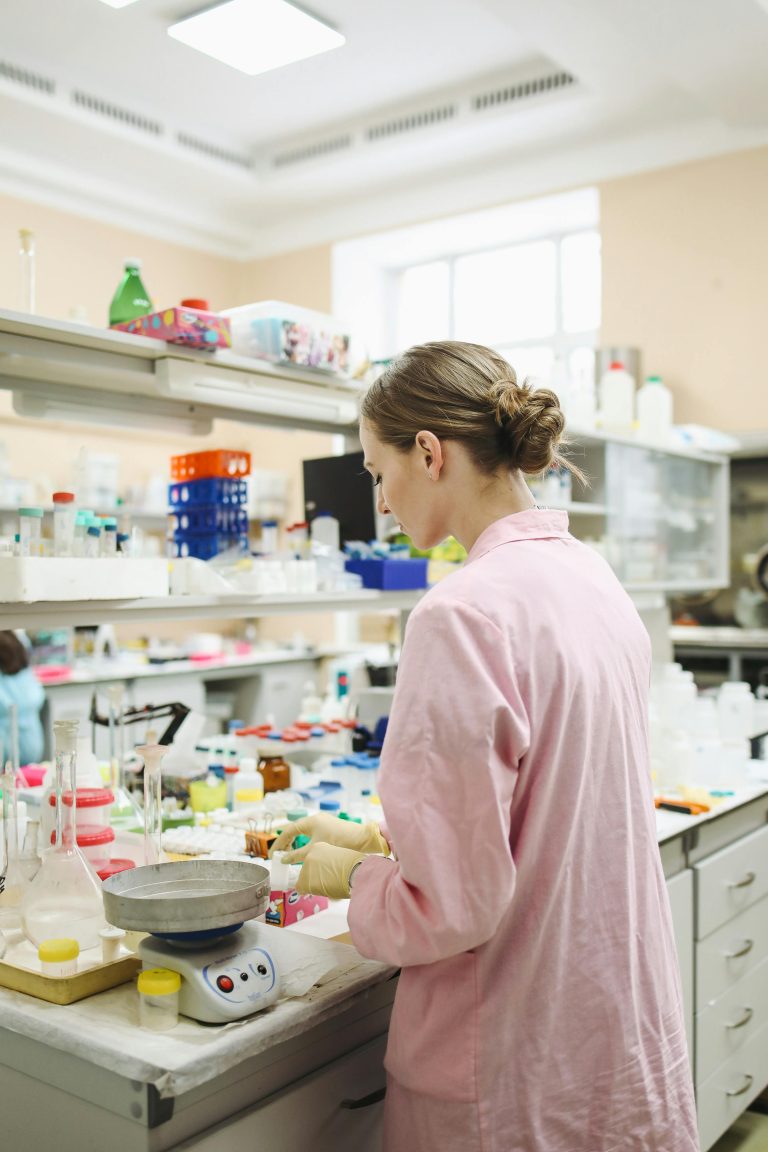
Scientist studying biological age reversal research including epigenetic reprogramming and gut-brain axis data in a modern laboratory
| |

Gut Bacteria, NAD+, and AI Therapeutics: Three Breakthroughs Point Toward Reversing Biological Aging

New research from Stanford, Oslo, and Insilico Medicine reveals how gut bacteria, NAD+ depletion, and AI drug discovery are converging on reversing biological aging. Three breakthroughs, one accelerating frontier.

Scientist studying aging reversal and gut-brain axis connections in a modern biomedical laboratory
| |

From the Gut to the Genome: Three Converging Breakthroughs Redefine Aging Reversal in 2026

A landmark Nature study, the first FDA-cleared epigenetic reprogramming trial, and a next-generation AI drug discovery model converged in early 2026, signaling that aging reversal science has crossed into clinical reality. Here is what each breakthrough means and why together they matter more than any one alone.

Scientists in a modern research laboratory representing longevity breakthroughs 2026 in AI drug discovery, epigenetic reprogramming, and gut-brain research
| |

AI Drugs, Epigenetic Reset, and the Gut-Brain Memory Fix: Longevity Science’s Defining Breakthroughs of 2026

In the span of just a few months, 2026 has delivered three of the most significant findings in longevity research history: the first AI-designed drug to show clinical efficacy in human patients, the first FDA-cleared human trial of partial epigenetic reprogramming, and the precise identification of a gut bacterium driving age-related memory loss via the vagus nerve. These longevity breakthroughs 2026 represent a convergence signaling that aging itself may be crossing the threshold from inevitable decline to addressable condition.

Scientist studying biological age reversal research including epigenetic reprogramming and gut-brain axis data in a modern laboratory
| |

Three Pathways to Biological Age Reversal Are Converging in 2026, and the Evidence Is Mounting Fast

New research in gut-brain signaling, epigenetic reprogramming, and GLP-1 longevity drugs is converging to make biological age reversal a clinical reality in 2026. Here is what three landmark studies mean for your healthspan.

A young woman contemplating the aging process, representing the three biological waves of aging discovered in landmark research
| | |

Study Reveals the Three Waves of Aging: When Your Body Shifts Gears at 44, 50, and 60

Two landmark studies reveal that human aging is not gradual. Your body undergoes three distinct molecular upheavals around ages 44, 50, and 60, with blood vessels leading the decline. Here is what the science says and what you can do about it before these waves hit.

From Data to Discovery: The Convergence of Exponential Healthcare Tech
| |

From Data to Discovery: The Convergence of Exponential Healthcare Tech

The transformation unfolding across healthcare today is nothing short of revolutionary. At its core lies the dramatic acceleration of computing power: processors that once handled mere millions of operations per second now operate in the trillions, and cloud infrastructures enable anyone—whether a researcher in a major academic center or a clinician in a rural clinic—to…