
Berberine and Colon Polyps: The Under-Hyped Finding of 2026
In a two-year double-blind trial of 891 adults who had just had colorectal adenomas removed, berberine 300 mg twice daily cut the recurrence rate from 47 percent to 36 percent, a relative risk of 0.77 (95% CI 0.66 to 0.91), with constipation in 1 percent the only notable side effect (PMID 31926918). Six years after the pills stopped, recurrence was still lower in the former berberine group, 34.7 percent versus 52.1 percent (PMID 40795846). It is the strongest single trial result in the berberine literature, and it appears on no supplement label.
Presented By Our Partners


The trial
Seven hospital centers across six Chinese provinces enrolled adults aged 18 to 75 with one to six histologically confirmed adenomas removed within the previous six months. Between November 2014 and December 2016, 553 were randomized to berberine and 555 to placebo, with follow-up colonoscopy at one year and, if clear, at two years. Participants, investigators, endoscopists and pathologists were all blinded. In the full analysis set of 891, 155 of 429 berberine patients (36 percent) and 216 of 462 placebo patients (47 percent) had a recurrent adenoma. No colorectal cancers were detected during follow-up. Funding came from the National Natural Science Foundation of China, not a supplement manufacturer (PMID 31926918).
| Outcome | Berberine | Placebo | Difference |
|---|---|---|---|
| Adenoma recurrence at 2 years | 36 percent (155 of 429) | 47 percent (216 of 462) | 11 points absolute; RR 0.77 (95% CI 0.66 to 0.91) |
| Adenoma recurrence at 6 years (observational follow-up, n=648) | 34.7 percent | 52.1 percent | 17 points absolute |
| Any neoplasm at 6 years | 63.4 percent | 71.0 percent | 8 points absolute |
| Constipation over 2 years | 1 percent (6 of 446) | under 0.5 percent (1 of 478) | Only notable adverse event |
Why this is under-hyped
On HDAI’s HYPE Index the colorectal claim scores 17, Calibrated: a strong evidence grade with almost no marketing behind it, the lowest score of any berberine claim. The likely reason is commercial. Polyp recurrence is a medical outcome measured by colonoscopy in patients under gastroenterology care, not a wellness goal a shopper types into a search bar. The weight-loss claim, with a fraction of the evidence, gets the videos. An umbrella review of 11 meta-analyses listed colorectal adenoma reduction among berberine’s significant effects (PMID 36999891), and the research community has largely moved on without a confirmatory trial.
Featured Partner
Invest in the Infrastructure Behind Modern Medicine
As healthcare expands beyond hospital walls, the buildings and campuses supporting that shift are generating compelling returns for investors who move early. The Healthcare Real Estate Fund offers qualified investors direct access to a curated portfolio of medical office, outpatient, and specialty care facilities.
Learn More →
The plausible mechanism
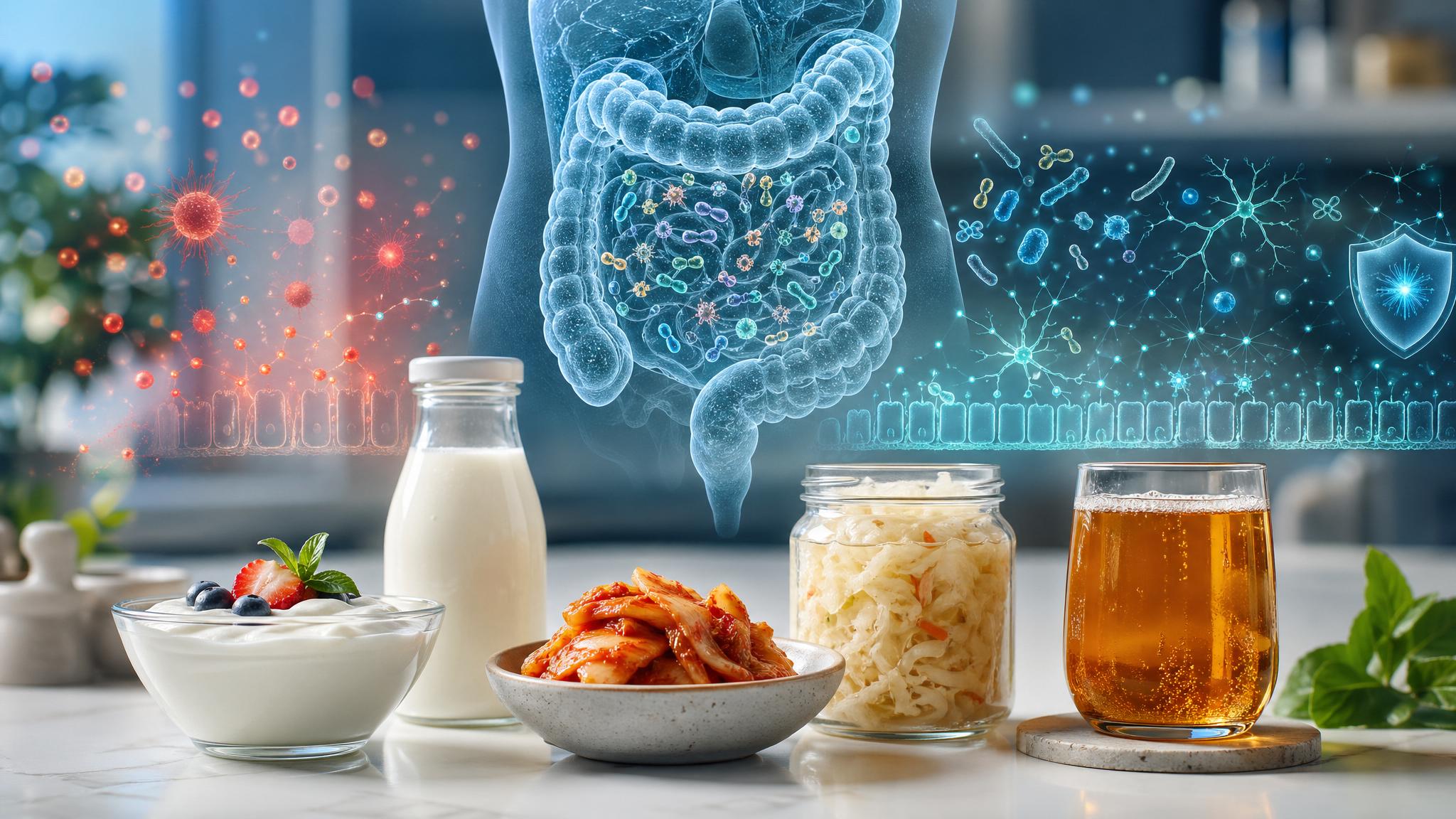
Berberine is poorly absorbed, which is a problem for most of its claimed systemic effects and an advantage here: most of a dose stays in the gut, where it reshapes the microbiome and acts directly on colonic tissue. A phase 1 trial in ulcerative colitis found berberine reduced Geboes inflammation grade in colon biopsies at a plasma concentration of just 3.5 nmol/L (PMID 31619442). The adenoma trial’s authors had designed it on exactly that premise.
What we do not know
This is one trial, in one country, in a population with a specific adenoma history, and the six-year extension was a retrospective cohort of 648 of the original 895 completers, open to selection bias. The endpoint was adenoma recurrence, not colorectal cancer; no cancers occurred in either arm during the trial, so the question that matters most is unanswered. No trial has tested berberine for primary prevention in people without a polyp history, and no trial has compared it with aspirin, the chemoprevention agent with the largest evidence base.
Doses used in studies
These are doses reported by the named sources, not recommendations.
- The adenoma trial (PMID 31926918) used 0.3 g (300 mg) twice daily as berberine hydrochloride tablets for 2 years.
- The ulcerative colitis phase 1 trial (PMID 31619442) used 900 mg per day for 3 months alongside mesalamine.
What this means for you
For someone with a history of colorectal adenomas, this is the single most relevant berberine trial in existence, and it belongs in a conversation with a gastroenterologist rather than a shopping cart. For everyone else it is a demonstration of how far the evidence and the marketing have drifted apart. The full berberine evidence review grades all 11 claims; the side effects page covers the two-year safety data from this trial.


Similar Posts

The Daily Rounds: Longevity & Health Care Brief | June 14, 2026
🧠 Brain Plasticity Has No Age Ceiling — A 4,000-person, three-year UT Dallas study confirms cognitive performance can improve well into the 90s, making brain health a genuinely actionable target at every life stage. 🧠 Blood Cancer Mutations May Be a Missing Alzheimer's Mechanism — TET2, DNMT3A, and ASXL1 mutations in brain microglia create a destructive inflammatory environment in Alzheimer's tissue, opening a new door to both screening and repurposed cancer therapies. 🤖 A Vaccine Designed to End the Fentanyl Crisis — Scripps Research's cross-reactive fentanyl antibody platform blocks the drug before it reaches the brain and extends protection to designer analogs, with human trials already underway in 2026. 💪 GLP-1 Drugs Are Reducing Physical Activity, Not Increasing It — Fitbit data from ENDO 2026 shows step counts falling after GLP-1 initiation, making exercise counseling a critical and often missing element of metabolic treatment plans. 🥗 GLP-1 Drugs May Also Be Breast Cancer Prevention Tools — A 110,000-woman Penn Medicine cohort study found 30% lower breast cancer incidence in GLP-1 users, with a multisite prevention trial now being planned.
The Daily Rounds: Longevity & Health Care Brief | May 27, 2026
🧠 Nasal Spray Reverses Brain Aging — Texas A&M's neural stem cell-derived nasal spray reversed chronic brain inflammation and restored memory in aged mice with benefits persisting months after just two doses, and a U.S. patent has been filed for clinical translation. 🔬 Four-Week Diet Reduces Biological Age — University of Sydney research published in Aging Cell found dietary shifts toward reduced fat or plant-forward eating produced measurable biological age improvements in adults aged 65 to 75 in just four weeks. 🤖 OpenBind Opens AI Drug Discovery to the World — Oxford's OpenBind initiative released the first open AI model and atomic-resolution protein-drug binding dataset, generating 800 measurements in seven months and democratizing global drug discovery infrastructure. 🦠 Gut Microbiome Directly Controls Interferon Immune Signaling — A multi-omic study of 110 healthy adults found gut microbial composition is a primary regulator of interferon signaling, one of the immune system's most powerful inflammatory response systems. ❤️ Irregular Bedtimes Double Heart Attack Risk — People with widely variable sleep schedules face approximately twice the cardiac event risk of consistent sleepers, establishing sleep schedule regularity as a newly quantified modifiable cardiovascular risk factor.

FDA AI in Radiology: Why Medical Imaging Became AI’s First Beachhead
Radiology dominates the FDA AI-enabled medical device list because medical imaging already turns the body into structured data, making it the first large proving ground for regulated medical AI.

The Polygenic Era: How Risk Scores Built From Millions of Genetic Variants Are Reshaping Preventive Medicine in 2026
For two decades after the Human Genome Project, the promise of personalized medicine outran the data. In 2026, that gap is finally closing. Polygenic risk scores built from millions of…

Muscle Is a Longevity Organ: What the Science of Strength Training Reveals About All-Cause Mortality
Grip strength outperforms blood pressure as a mortality predictor. A 2022 BMJ meta-analysis found that 30 to 60 minutes of resistance training per week cuts all-cause mortality by 15 percent….

The Glymphatic System: How Your Brain Clears Alzheimer’s Proteins During Sleep, and Why 2026 Is a Watershed Year
A landmark 2026 Nature Communications study delivers the first direct human evidence that sleep-driven glymphatic clearance pushes amyloid beta and tau out of the brain and into the bloodstream. Inside…
