
Hume Band 2.0 Review: Blood Pressure, Accuracy, Battery Life, and Cost
Hume Band 2.0 is a $249 screen-free wellness tracker built around sleep, recovery, cardiovascular trends, and proprietary longevity scores. Its 14-day battery and subscription-optional model are compelling. Its biological-age and cuffless blood-pressure claims require much more caution.
Presented By Our Partners



Updated September 5, 2026: This review covers Hume Band 2.0, the current replacement for the original Hume Band. The short verdict is straightforward. Hume has substantially improved the practical hardware, especially battery life, while its most ambitious health claims still run ahead of independently published evidence.
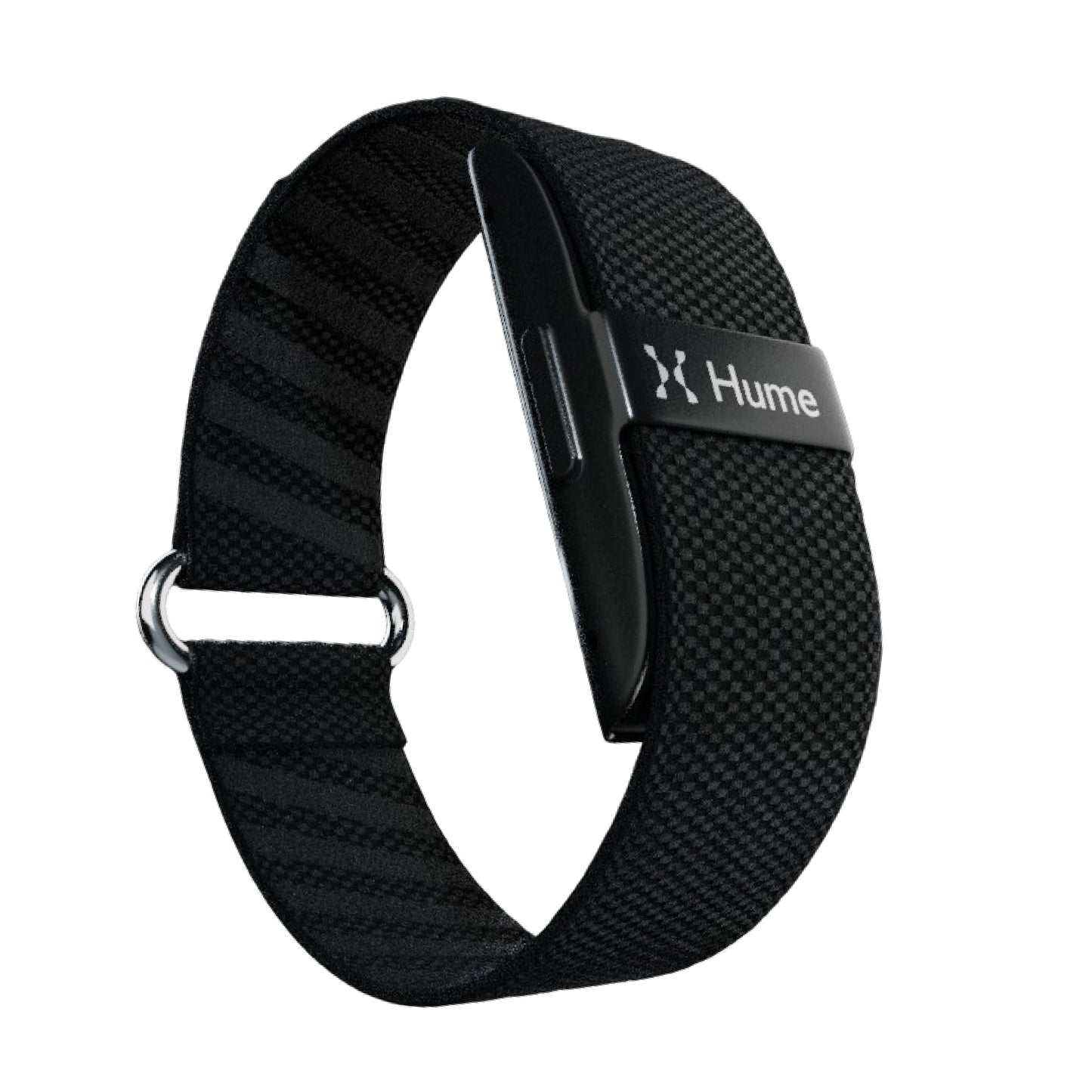
Hume Band 2.0 at a glance: $249 sale price observed September 5, 2026 ($356 displayed list price); 5 LEDs and 4 photodiodes; continuous heart rate, HRV, SpO2, respiratory rate, skin temperature, sleep, activity, strain, and recovery tracking; up to 14 days of battery life; IP68 dust and water resistance; free core app; optional Hume Premium from $8.99 per month; consumer wellness device, not an FDA-cleared medical device.
What changed from Hume Band 1.0?
Hume describes four main upgrades: improved signal processing, cuffless blood-pressure trend tracking, battery life increased from roughly four or five days to as much as 14 days, and a redesigned fabric strap marketed as UltraLux or SuperKnit in different sections of its website. Nutrition tracking is also advertised as an upcoming software feature.
The battery improvement is the clearest upgrade. Charging interruptions create gaps in longitudinal data, especially overnight. Hume says Band 2.0 can reach a full charge in about 30 minutes, although another technical section gives a broader 20-to-80-minute range depending on the starting charge. Frequent syncing and continuous use may reduce the advertised 14-day maximum.
The optical hardware is described as 5 LEDs and 4 photodiodes, the same published count associated with the earlier Band. Hume attributes improved accuracy to newer signal processing, but it does not provide a peer-reviewed, device-specific validation paper establishing the accuracy of every metric.
What Hume Band 2.0 measures
The raw and directly sensed signals listed by Hume include continuous heart rate, heart-rate variability (HRV), blood oxygen saturation (SpO2), respiratory rate, skin temperature, movement, activity, and sleep stages. The app turns those inputs into sleep quality and efficiency, strain, recovery, and several proprietary scores:
- Metabolic Capacity: Hume’s readiness-style estimate of how much physiological demand the body can handle.
- Metabolic Momentum: a directional score intended to show whether recent habits are helping or hurting longer-term health.
- Biological Age and Pace of Aging: algorithmic estimates derived from wearable signals, not epigenetic testing or a clinical blood panel.
- Health alerts and lifespan estimates: software interpretations that should be treated as wellness prompts, not diagnoses or predictions of an individual’s actual lifespan.
Hume Band works without the company’s Body Pod smart scale. Pairing the two adds body-composition estimates, but the Band itself does not directly measure body fat, muscle mass, visceral fat, or glucose.
The blood-pressure issue is the most important caveat
Hume’s sales page prominently advertises “Blood Pressure Insights” and shows daily systolic and diastolic trends. On the same official page, however, the FAQ says blood pressure is “to be released in a future app update, pending FDA approval.” Those statements are not equivalent. Until Hume confirms availability for a specific device, app version, and market, blood-pressure tracking should be treated as a planned or limited feature rather than a reason to buy the Band today.
Even if the feature appears in the app, it should not replace a validated upper-arm cuff. In its safety communication on unauthorized blood-pressure devices, the FDA warns that devices without marketing authorization have not been evaluated by the agency for safety and effectiveness. A 2025 American Heart Association scientific statement likewise concluded that cuffless devices show promise but are not yet proven reliable enough for diagnosing hypertension or directing treatment.
Do not start, stop, or adjust medication using a Hume reading. Anyone monitoring hypertension, pregnancy-related blood-pressure risk, kidney disease, or cardiovascular disease should use a clinically validated device and share those readings with a healthcare professional.
Featured Partner
Invest in the Infrastructure Behind Modern Medicine
As healthcare expands beyond hospital walls, the buildings and campuses supporting that shift are generating compelling returns for investors who move early. The Healthcare Real Estate Fund offers qualified investors direct access to a curated portfolio of medical office, outpatient, and specialty care facilities.
Learn More →
How meaningful are the longevity scores?
The ingredients matter. Lower resting heart rate, healthier HRV patterns, sufficient sleep, regular activity, and stable recovery can all carry useful information. A 2023 Scientific Reports analysis of more than 51,000 UK Biobank participants found that low short-duration HRV was associated with higher risks of atrial fibrillation, cardiovascular events, stroke, and all-cause mortality over a median 11.5 years (DOI: 10.1038/s41598-023-45988-2).
That does not validate Hume’s composite scores. Biological-age models based on DNA methylation or clinical biomarkers have published methods and outcome studies. Hume has not published enough technical detail to show that its wrist-derived Biological Age, Metabolic Momentum, or lifespan estimates predict health outcomes independently of the underlying signals. A score can still motivate better habits, but it should not be interpreted as a clinical measurement of aging.
Hume also publishes striking claims about years of life gained, reductions in biological age, early illness alerts, and member outcomes. These are company-reported figures. Without a public protocol, control group, independent replication, and peer-reviewed analysis, they should be read as marketing or exploratory observations, not proof that the Band extends life or detects disease.
Price, subscription, compatibility, and durability
Hume displayed Band 2.0 at $249 during this review, reduced from a displayed $356 list price. Pricing and promotions can change. The purchase includes a 45-day return window and free core app access. Hume says raw data and core scores remain available without a subscription. Hume Premium, starting at $8.99 per month, adds AI-driven coaching and deeper interpretation.
The Band connects through Bluetooth Low Energy and supports automatic firmware updates, airplane mode, Apple Health, and Google Fit. Hume lists compatibility with iPhone 8 or newer running iOS 14 or later and Android phones running Android 8 or later.
Its IP68 rating is described by Hume as dustproof and water-resistant to 1 meter for up to two hours. That is useful for showers, sweat, and ordinary water exposure, but it is not the same as a high-pressure or deep-water rating. Follow the manufacturer’s care instructions before swimming.
How Hume Band 2.0 compares
Versus WHOOP: Both use a screen-free form factor and emphasize sleep, strain, and recovery. Hume’s advantage is access to core data without a mandatory subscription. WHOOP has the more mature performance ecosystem and a larger record of independent evaluation.
Versus Oura: Oura’s ring is smaller and has a more established sleep-and-readiness platform. Hume offers a wrist form factor, longer advertised battery life, and more aggressive longevity framing. Neither device’s cuffless blood-pressure signal should substitute for a validated cuff.
Versus Garmin CIRQA: The Garmin CIRQA is the more conventional fitness choice, with Garmin’s training ecosystem and no required subscription. Hume is more focused on proprietary aging and metabolic interpretations.
Versus Hilo Core: Hilo pairs wrist-based trends with an included FDA-cleared upper-arm cuff. That separation between a trend layer and a clinical reference is more responsible for anyone whose main concern is blood pressure.
Who should consider it?
Hume Band 2.0 makes the most sense for someone who wants a discreet, screen-free tracker, dislikes mandatory subscriptions, values long battery life, and is willing to treat proprietary scores as behavioral feedback. It is less suitable for serious GPS training, smartwatch apps and notifications, or medical decision-making.
Bottom line: The hardware proposition is stronger than the first-generation product. The 14-day battery, free core app, and broad wellness tracking are genuinely useful. The evidence proposition is much weaker. Buy it for convenient trend tracking, not because a proprietary score can prove that you reversed aging, added years to your life, detected disease, or accurately measured blood pressure.
How to use Hume Band 2.0 responsibly
- Build a baseline. Wear it consistently for two weeks before interpreting changes.
- Follow weekly trends. Sleep, resting heart rate, HRV, and recovery are more useful as patterns than isolated daily scores.
- Change one variable at a time. Test a consistent bedtime, reduced alcohol, an easier training week, or a short daily walk, then watch whether multiple signals move together.
- Confirm abnormal readings. Recheck blood pressure with a validated upper-arm cuff and discuss persistent symptoms or concerning values with a clinician.
Frequently asked questions
Is Hume Band 2.0 FDA cleared?
No. It is a consumer wellness device, not an FDA-cleared medical device.
Does Hume Band 2.0 measure blood pressure?
Hume markets blood-pressure insights, but its official FAQ also says the feature is planned for a future app update and pending FDA approval. Availability should be confirmed before purchase. It should not replace a validated upper-arm cuff.
Does it require a subscription?
No. Hume says the free app provides raw data and core scores. Premium coaching is optional and starts at $8.99 per month.
How long does the battery last?
Hume advertises up to 14 days, with actual life affected by syncing and use. The company gives charging estimates ranging from about 30 minutes to 20-to-80 minutes depending on battery level.
Does it measure glucose or body composition?
No. The Band does not measure glucose. Body-composition estimates require the separate Hume Body Pod.
Is its biological-age score clinically validated?
Not to the standard of established epigenetic or clinical biomarker clocks. Hume has not published enough independent, peer-reviewed validation to treat the score as a medical measurement.
Sources checked September 5, 2026: Hume Band 2.0 product page and FAQ, FDA safety communication on unauthorized blood-pressure devices, American Heart Association scientific statement on cuffless blood-pressure technology, and peer-reviewed HRV research linked above. Product price and software availability can change.


Similar Posts

The Daily Rounds: Longevity & Health Care Brief | June 2, 2026
🧠 Blood Test Predicts Alzheimer's 3 to 4 Years Out: Washington University's p-tau217 blood model gives clinicians a non-invasive early warning window years before cognitive symptoms appear, now being incorporated into Alzheimer's Association screening guidelines. ❤️ Microplastics Under Major NIH Investigation for Heart Toxicity: UC Cincinnati receives $3.3M to map the pathways by which microplastics drive atherosclerosis, building on findings that microplastic-laden arterial plaque quadruples the risk of cardiovascular events. 🦠 Young Gut Bacteria Reverses Liver Aging in Animal Study: Fecal microbiota transplantation from young to old mice reversed hepatic aging markers and reduced cancer risk signals at Digestive Disease Week 2026, opening a new pathway for gut-based organ rejuvenation research. 🔬 Largest Human Rapamycin Trial Now Underway: 720 participants receiving two years of weekly low-dose rapamycin represent the most rigorous human longevity intervention test yet conducted, with frailty and systemic inflammation as primary endpoints. ⌚ Lab-on-Skin Wearables Enter the Market: Microneedle biosensors delivering real-time interstitial fluid biochemistry have entered commercial availability, bringing continuous metabolic monitoring out of the clinic and onto the wrist.

Dreame Haptic AI Smart Ring: World’s First Smart Ring with Fingertip Haptic Feedback
The world’s first smart ring with integrated fingertip haptic feedback, featuring an ultra-slim 2.5mm space-grade ceramic design with continuous heart rate, SpO2, HRV, skin temperature, and touch gesture controls in…

GymAware PowerTool: The Gold Standard in Velocity-Based Training Measurement
When Olympic programs, NFL combine testing, and peer-reviewed sports science studies need to measure bar velocity, one device appears more than any other in the methods section. Presented By Our…
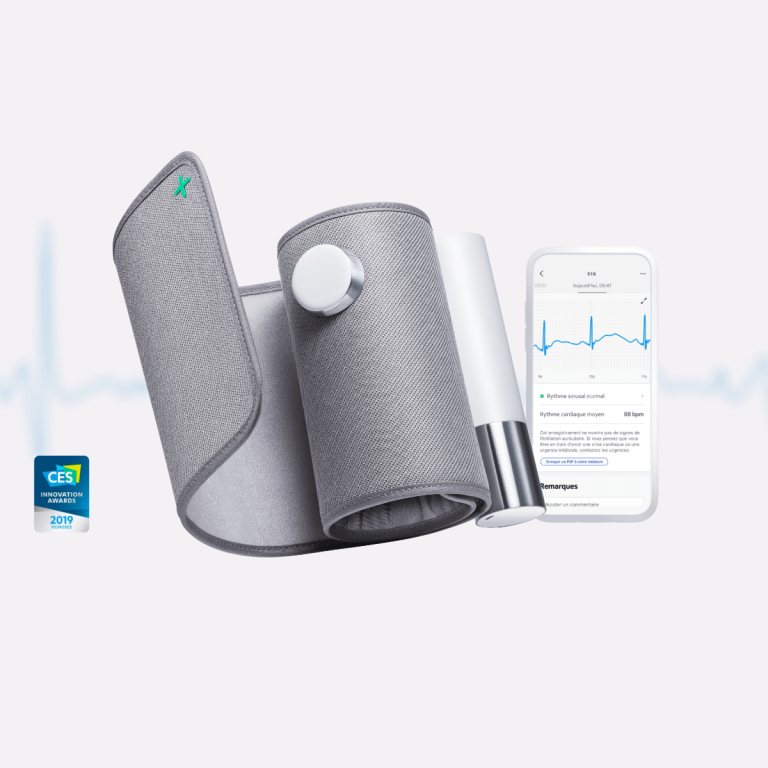
Withings BPM Core: Blood Pressure, ECG, and Digital Stethoscope in One Device
The most comprehensive home cardiac monitor available combines blood pressure measurement, a single lead ECG, and a digital stethoscope for valvular heart disease screening in a single arm cuff. Presented…
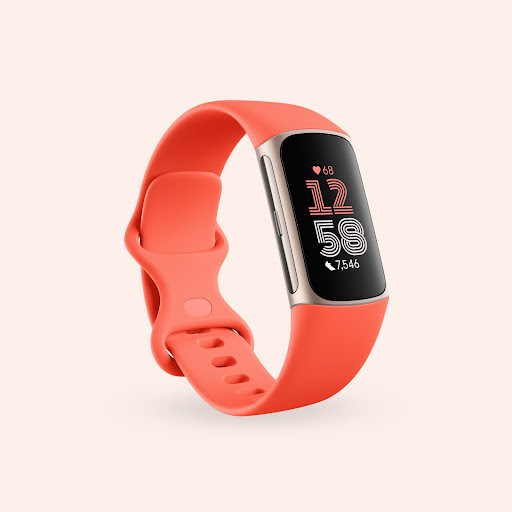
Fitbit Charge 6: The Most Affordable FDA Cleared ECG Tracker With Google Integration
At $159.95, the Fitbit Charge 6 delivers FDA cleared ECG and irregular heart rhythm detection in a slim fitness band, making clinical grade cardiac screening accessible to the widest possible…

The Grip Strength Signal: What 30 Years of Research Reveals About the Most Underrated Longevity Biomarker and How to Build It
A two dollar handheld dynamometer can predict mortality better than blood pressure in millions of people across 17 countries. Inside the Leong PURE cohort, the Saeidifard and Stamatakis meta-analyses, the…
