

Modern Fertility Hormone Test: Comprehensive At-Home Reproductive Hormone Panel
A single finger prick at home can now measure up to nine reproductive hormones, including the ovarian reserve marker that fertility clinics have charged hundreds of dollars to assess.
Presented By Our Partners



Anti-Mullerian hormone (AMH) has transformed reproductive medicine since its adoption as a clinical marker of ovarian reserve. Unlike FSH, which fluctuates across the menstrual cycle, AMH remains relatively stable and can be measured on any cycle day, making it the most practical single biomarker for estimating a woman’s remaining egg supply. A low AMH does not mean pregnancy is impossible, but it signals a narrower window and may prompt earlier conversations about fertility preservation, egg freezing, or assisted reproduction. For decades, accessing this test required a physician’s order, a laboratory blood draw, and a bill that often exceeded $300 to $500 without insurance coverage. The democratization of AMH testing through at-home finger-prick panels represents a meaningful shift in who gets to know this number and when.
The Modern Fertility Hormone Test, now offered under the Ro brand, brings AMH and up to eight additional reproductive hormones into a single at-home testing kit that costs $159 and requires nothing more than a finger prick and a prepaid return envelope.
What Is the Modern Fertility Hormone Test?
The Modern Fertility Hormone Test is an at-home blood test that measures a comprehensive panel of reproductive and thyroid hormones from a finger-prick sample. Depending on the specific panel and whether the user is currently on hormonal contraception, the test can include AMH (anti-Mullerian hormone), FSH, LH, estradiol, prolactin, TSH, free T4, free T3, and testosterone. The sample is mailed to a CLIA-certified laboratory for analysis, with results typically available within five to seven business days through the Modern Fertility app or website.
The test costs $159 for the complete panel and requires no physician’s order or laboratory visit. Results are reviewed by a board-certified physician and include interpretation guidance through the app. Modern Fertility was acquired by Ro (the telehealth company) and operates under the Ro Health brand, giving users access to follow-up telehealth consultations if their results warrant clinical discussion.
Unlike daily-use fertility monitors that track cycle-to-cycle hormone fluctuations, Modern Fertility provides a point-in-time comprehensive hormone snapshot. The test is designed to be taken once or periodically (annually, for example) to assess reproductive health status and ovarian reserve, rather than for cycle-by-cycle ovulation tracking.
The Science Behind Reproductive Hormone Panels
The clinical value of comprehensive reproductive hormone panels is well established in reproductive endocrinology. Each hormone in the panel provides distinct diagnostic information. AMH reflects the size of the remaining follicular pool and is the most reliable single marker for ovarian reserve. FSH, when elevated above typical ranges (generally above 10 mIU/mL on cycle day 3), suggests diminishing ovarian function. Estradiol provides context for FSH interpretation, as elevated estradiol can suppress FSH and mask declining reserve. Prolactin elevation can indicate pituitary abnormalities that affect fertility. Thyroid hormones (TSH, free T4, free T3) are critical because subclinical thyroid dysfunction is one of the most common and treatable causes of menstrual irregularity and infertility.
A 2024 systematic review published in the Journal of Medical Internet Research by Lyzwinski et al. documented the expanding landscape of at-home reproductive health technologies and noted that the integration of laboratory-grade blood testing with consumer-accessible collection methods represents a parallel track to wearable-based monitoring. While wearables provide continuous physiological data, at-home blood panels provide the clinical chemistry data that informs diagnostic and treatment decisions.
The validation of finger-prick blood collection for hormone testing has been established through comparison studies between capillary and venous samples. CLIA-certified laboratories process finger-prick samples using the same immunoassay platforms used for venous blood, with correlation studies demonstrating acceptable agreement for clinical decision-making. The key limitation is sample volume: finger-prick collections yield smaller blood volumes, which can occasionally affect the number of analytes that can be measured from a single collection.
AMH research has grown substantially in the past decade. Population studies have established age-specific AMH percentiles that allow women to understand where their ovarian reserve stands relative to peers. An AMH of 1.0 ng/mL at age 30 carries a different clinical implication than the same level at age 40. Modern Fertility’s interpretation framework contextualizes results against these age-specific reference ranges.
What the Modern Fertility Hormone Test Does Well
Modern Fertility’s primary strength is its comprehensiveness. By including AMH, FSH, LH, estradiol, and thyroid hormones in a single panel, it provides a multi-dimensional view of reproductive health that individual hormone tests cannot match. The inclusion of AMH is particularly valuable, as this test is not available through any daily-use urinary fertility monitor and typically requires a clinical blood draw.
The physician-reviewed results add clinical credibility that self-interpreted consumer tests lack. Each result set includes interpretation context explaining what the numbers mean, whether they fall within expected ranges for the user’s age, and what follow-up steps might be appropriate. The integration with Ro’s telehealth platform means users can schedule a consultation directly from their results if they have questions or concerns.
The at-home collection eliminates the barriers of scheduling a laboratory appointment, taking time off work, and navigating insurance coverage for what many plans consider an elective test. For women who are proactively assessing their reproductive health before actively trying to conceive, this accessibility removes a significant friction point that often delays important conversations about fertility planning.
Featured Partner
Invest in the Infrastructure Behind Modern Medicine
As healthcare expands beyond hospital walls, the buildings and campuses supporting that shift are generating compelling returns for investors who move early. The Healthcare Real Estate Fund offers qualified investors direct access to a curated portfolio of medical office, outpatient, and specialty care facilities.
Learn More →
Pricing, Access, and Practical Realities
The Modern Fertility Hormone Test costs $159 for the complete panel. There is no subscription requirement, though users may choose to retest periodically (annually or semi-annually) to track changes over time. The total cost for an annual retest protocol is $318 per year, which is significantly less than the $300 to $800+ that equivalent laboratory panels typically cost through a physician’s office without insurance.
The test is HSA and FSA eligible. It is processed through a CLIA-certified laboratory, which provides regulatory assurance of testing accuracy and quality control. The CLIA certification standard requires laboratories to meet specific performance criteria and undergo regular inspections.
Results are typically available within five to seven business days after the laboratory receives the sample. Users should understand that this is a point-in-time assessment rather than continuous monitoring. AMH levels decline gradually over years, not weeks, so annual retesting is sufficient for tracking ovarian reserve trends. Cycle-dependent hormones like FSH and estradiol should ideally be measured on cycle day 2 or 3 for the most clinically meaningful results; the kit includes timing guidance for this purpose.
Women currently using hormonal contraception may receive a modified panel, as synthetic hormones suppress natural hormone production and render some measurements uninterpretable. AMH is unaffected by hormonal contraception and can still be assessed, but FSH, LH, and estradiol results may not reflect underlying ovarian function in women on the pill, patch, or ring.
Who the Modern Fertility Hormone Test Is Best For
Modern Fertility is ideal for women in their late 20s to early 40s who want to proactively understand their reproductive health and ovarian reserve before actively trying to conceive. It is particularly valuable for women considering egg freezing who want an initial AMH assessment before investing in a fertility clinic consultation. Women with a family history of early menopause or diminished ovarian reserve can use the test to establish a baseline and track changes over time.
The test also serves women experiencing menstrual irregularity, unexplained fatigue, or other symptoms that could be related to thyroid dysfunction or hormonal imbalance. The inclusion of thyroid hormones alongside reproductive markers means the panel can simultaneously screen for two of the most common endocrine causes of menstrual irregularity.
Women who need cycle-by-cycle ovulation tracking or daily hormone monitoring should not choose Modern Fertility as their primary tool. The test is a snapshot assessment, not a continuous monitor. Women actively trying to conceive who need to time intercourse around the fertile window should pair Modern Fertility’s baseline assessment with a daily-use monitor like Mira, Inito, or standard ovulation predictor kits.
How the Modern Fertility Hormone Test Compares
Everlywell Women’s Health Tests ($149 to $249) offer similar at-home hormone panels with CLIA-certified laboratory processing and physician review. Everlywell’s panels vary in composition; some include cortisol and DHEA-S alongside reproductive hormones, while others focus on thyroid function. Modern Fertility’s inclusion of AMH is a differentiator, as not all Everlywell panels include this critical ovarian reserve marker.
LetsGetChecked Hormone Tests ($99 to $199) provide a broader range of panel options including men’s health panels and general hormone wellness screens. Their reproductive panels include similar hormones to Modern Fertility, with the added benefit of nurse-supported results review. Price points vary depending on the specific panel selected.
Daily-use fertility monitors (Mira at $199+, Inito at $149+, Oova at $149+) serve a fundamentally different purpose. They track daily cycle fluctuations through urinary hormone measurement, while Modern Fertility provides a comprehensive baseline assessment through blood testing. The two approaches are complementary rather than competitive: a Modern Fertility panel provides the big-picture ovarian reserve and thyroid health assessment, while daily monitors provide cycle-specific ovulation tracking.
Limitations and Open Questions
Modern Fertility is a point-in-time test that cannot capture the dynamic hormonal fluctuations of the menstrual cycle. It tells you where your baseline hormone levels stand but cannot tell you when you are ovulating, whether your progesterone rises adequately after ovulation, or how your hormones change from day to day within a given cycle.
AMH interpretation requires nuance. A “normal” AMH does not guarantee fertility, and a “low” AMH does not preclude natural conception. AMH reflects egg quantity, not egg quality, and many women with low AMH conceive naturally while some with normal AMH face other fertility challenges. The test provides information for reproductive planning conversations but should not be interpreted as a fertility verdict.
Finger-prick collection, while convenient, occasionally produces insufficient samples that require repeat collection. Users with poor circulation, cold hands, or difficulty with the lancet may find the collection process challenging. Following the kit’s preparation instructions (warming the hands, staying hydrated) improves collection success rates.
The test does not include progesterone, which means it cannot confirm ovulation or assess luteal phase adequacy. Women seeking progesterone information need to use a separate test (like Proov PdG strips) or request a serum progesterone draw from their clinician.
What This Means for Your Health
The Modern Fertility Hormone Test brings a clinical-grade reproductive health assessment into the home at a price point that makes proactive fertility planning accessible to a much broader population. The inclusion of AMH, in particular, democratizes a test that fertility clinics have long used as a gatekeeping metric, often charging several hundred dollars for a single data point that can profoundly influence reproductive decision-making.
Within Healthcare Discovery‘s longevity framework, reproductive hormone health is a window into broader endocrine and metabolic function. Thyroid dysfunction, detected through TSH and free T4 measurement, affects not only fertility but energy, metabolism, cardiovascular health, and cognitive function. Elevated prolactin can signal pituitary issues with implications beyond reproduction. By screening these markers proactively, users can identify treatable conditions before they manifest as overt health problems.
The Five Pillars, nutrition, sleep, movement, breathwork, and mindset, all influence the hormones Modern Fertility measures. Adequate nutrition supports thyroid function and hormonal balance. Quality sleep maintains the pulsatile hormone release that governs the menstrual cycle. Regular movement improves insulin sensitivity, which is intimately connected to ovarian function. Stress management through breathwork and mindset practices protects the hypothalamic-pituitary axis from cortisol-driven suppression. Modern Fertility’s baseline assessment provides a measurable starting point for understanding how your foundational health practices translate into hormonal health, offering data that can motivate and guide optimization efforts in the years before and during conception planning.
Frequently Asked Questions
What hormones does the Modern Fertility test measure?
The complete panel can include up to nine hormones: AMH (anti-Mullerian hormone), FSH, LH, estradiol, prolactin, TSH, free T4, free T3, and testosterone. The specific hormones tested depend on whether the user is on hormonal contraception, which affects the interpretability of certain markers. AMH is always included regardless of contraception status.
How much does the Modern Fertility Hormone Test cost?
The test costs $159 for the complete panel with no subscription required. It is HSA and FSA eligible. Annual retesting for trend monitoring costs $318 per year. This is significantly less than the $300 to $800+ typically charged for equivalent panels through fertility clinics or physician-ordered laboratory testing.
Can Modern Fertility tell me if I will have trouble getting pregnant?
Modern Fertility provides data about ovarian reserve (AMH), hormonal balance, and thyroid function that inform fertility planning decisions, but it cannot predict whether you will conceive. A normal AMH does not guarantee fertility, and a low AMH does not mean pregnancy is impossible. The results are best used as a starting point for conversations with a reproductive endocrinologist about your individual fertility timeline and options.
When should I take the Modern Fertility test during my cycle?
For the most clinically meaningful results, the test should be taken on cycle day 2 or 3 (the second or third day of menstrual bleeding). This timing optimizes interpretation of FSH and estradiol, which are most informative at cycle baseline. AMH can be tested at any point in the cycle, as it does not fluctuate significantly across menstrual phases.
Does Modern Fertility replace a fertility clinic visit?
No. Modern Fertility provides a valuable initial screen that can inform whether a fertility clinic consultation is warranted, but it does not replace the comprehensive evaluation a reproductive endocrinologist provides. A full fertility workup includes imaging (ultrasound for antral follicle count), partner assessment, and clinical history review that at-home testing cannot replicate.
Can I take the Modern Fertility test while on birth control?
Yes, but the panel will be modified. AMH is unaffected by hormonal contraception and will be tested. However, FSH, LH, and estradiol are suppressed by hormonal birth control and may not accurately reflect underlying ovarian function. The kit includes guidance on which hormones can and cannot be meaningfully assessed based on your contraception status.
Modern Fertility Hormone Test at a glance
- Hardware price
- $159
- Subscription
- None required
- First year total
- $159
- Form factor
- At-home blood test (finger prick)
- FDA status
- Wellness device, no clearance
- HSA/FSA
- Eligible
Measures AMH, Estradiol, Free T3, FSH, LH, Prolactin, T4, Testosterone, TSH
Maintained in the Healthcare Discovery device database and updated automatically.


Similar Posts

Nebula Genomics (DNA Complete) Review: Whole Genome and Privacy
Nebula Genomics, now sold as DNA Complete, offers whole genome sequencing. A strong method, but health results need confirmation and privacy is contested.

Dreame AI Blood Pressure Smart Watch: Air Pump Pressurization for Medical-Grade BP Readings
A smartwatch that integrates air pump pressurization technology with AI health algorithms to deliver medical-grade blood pressure and ECG readings from the wrist, boasting 10 to 12 days of battery…

The Daily Rounds: Longevity & Health Care Brief | May 30, 2026
🧠 Ribosome Failure Drives Brain Aging: Stanford's killifish research reveals that jamming of protein-building cellular machinery may be a primary cause of age-related cognitive decline, opening a new therapeutic target class for neuroprotection. 🦠 Young Gut Bacteria Reverses Liver Aging: DDW 2026 research showed transplanting youthful microbiota into aging mice dramatically reduced liver damage and cancer risk via the gut-liver axis, accelerating the case for human trials. ❤️ CKD Reaches 800 Million People Worldwide: Chronic kidney disease is now among the world's top killers, with most cases undiagnosed until irreversible damage has occurred, demanding universal early screening. 🤖 Pfizer AI Screens Millions of Drug Candidates in 30 Days: AI-powered molecular scanning is eliminating years from early drug discovery timelines, marking a permanent structural shift in pharmaceutical R&D. 😴 Irregular Bedtime Tied to 172 Diseases: A massive sleep study found that circadian misalignment, not just short sleep, is independently associated with scores of serious diseases, reinforcing sleep consistency as a longevity lever accessible to everyone.

Vitruvian Trainer+: Adaptive Resistance Technology and the Science of Progressive Overload at Home
A floor-based smart cable machine delivering up to 440 pounds of adaptive resistance with AI-driven programming. Can a platform the size of a yoga mat replace the barbell for serious…
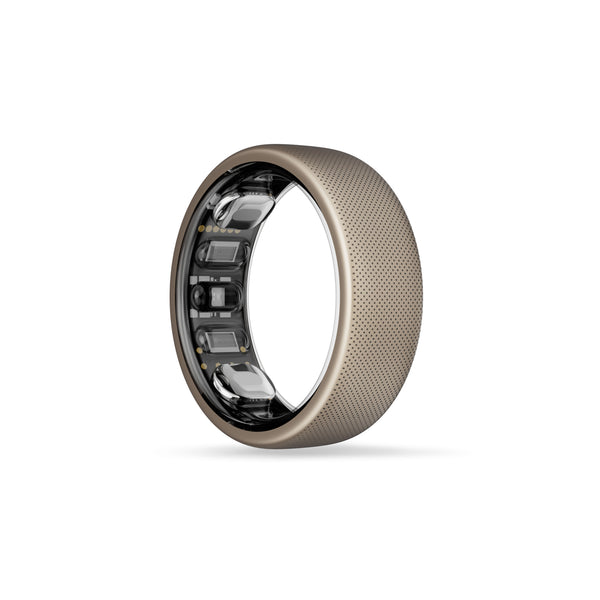
Amazfit Helio Ring: Affordable Titanium Smart Ring with EDA Stress Sensing
A titanium alloy smart ring offering heart rate, HRV, SpO2, skin temperature, sleep staging, and electrodermal activity (EDA) stress sensing at $149.99 when bundled with an Amazfit watch or $299.99…
Emotiv EPOC X: 14 Channel Research Grade EEG for Brain Mapping and Cognitive Science
The most channel dense consumer EEG headset available, offering 14 sensors that approach the spatial resolution of clinical brain monitoring systems at a fraction of the cost and complexity. Presented…
