

Apple Watch Series 9 VO2 Max and Respiratory Health Review: Cardio Fitness Tracking for the General Population
Apple’s most popular wearable brings VO2 max estimation and respiratory rate tracking to hundreds of millions of wrists, democratizing a longevity metric that once required a laboratory visit.
Presented By Our Partners



The challenge of population health has always been reach. A clinical VO2 max test costs $150 to $300, requires a specialized facility, and takes 30 to 45 minutes. Fewer than one percent of the adult population has ever had their cardiorespiratory fitness formally measured. Yet the 2018 Mandsager et al. study of 122,007 patients published in JAMA Network Open demonstrated that cardiorespiratory fitness is the single strongest predictor of all cause mortality, with a five fold mortality difference between the least fit and most fit quintiles. The gap between the importance of this metric and the number of people who actually track it represents one of the largest missed opportunities in preventive medicine.
The Apple Watch Series 9 does not deliver the most precise VO2 max estimate on the market. What it does is put a reasonable estimate on the wrists of over 100 million active users worldwide, many of whom would never purchase a dedicated sport watch or visit a performance laboratory. That scale of reach may matter more than precision.
What Is the Apple Watch Series 9?
The Apple Watch Series 9 is Apple’s current generation smartwatch, featuring an S9 chip, a bright always on Retina display, and a comprehensive health sensor suite. For cardiorespiratory fitness, the watch estimates VO2 max (branded as “Cardio Fitness” in the Apple Health ecosystem) using wrist based heart rate data during outdoor walks, runs, and hikes. Apple categorizes Cardio Fitness into four levels: Low, Below Average, Above Average, and High, with classification based on age and sex norms.
The watch also tracks respiratory rate during sleep using the accelerometer to detect chest wall movement, providing a nightly breathing rate that can serve as an early indicator of respiratory illness, overtraining, or sleep disordered breathing. Additional health features include blood oxygen (SpO2) monitoring, ECG recording, skin temperature sensing, fall detection, and crash detection.
The Series 9 retails between $399 and $499 depending on case material and cellular connectivity. Apple Fitness Plus, an optional subscription at $79.99 per year, adds guided workouts and fitness content but is not required for VO2 max estimation or any health metric tracking. All health sensor data is processed on device and stored in Apple Health, which serves as a comprehensive personal health record.
Update: Apple Watch hypertension notifications expand internationally
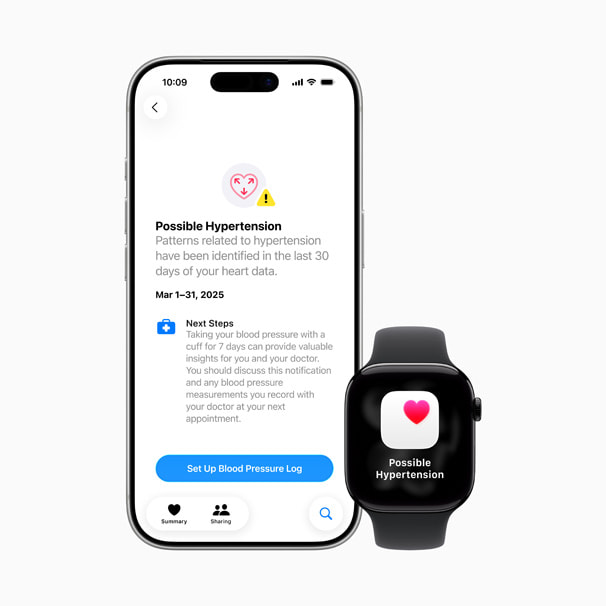
In May 2026, Apple announced that hypertension notifications became available on Apple Watch in Israel. The feature uses data from the optical heart sensor to analyze how a user’s blood vessels respond to heartbeats over 30-day periods, then notifies users when it detects consistent signs of chronic high blood pressure.
This is not the same as a cuff-based blood pressure reading, and market availability still varies by country. But the rollout is a meaningful signal for where consumer cardiovascular monitoring is heading: away from isolated measurements and toward passive pattern detection over time.
The Science Behind VO2 Max Estimation and Respiratory Health Tracking
Apple’s Cardio Fitness algorithm estimates VO2 max during outdoor activity by analyzing the relationship between heart rate and movement speed. During a brisk outdoor walk or run, the watch correlates wrist optical heart rate data with GPS derived pace to estimate the oxygen consumption required to maintain that pace at that heart rate. The algorithm incorporates user demographics (age, sex, height, weight) and refines its estimate over time with repeated measurements.
Apple published a validation summary reporting that its Cardio Fitness estimation was validated against gold standard metabolic cart testing in a diverse population including both healthy adults and individuals with cardiovascular conditions. The company reports accuracy “comparable to submaximal VO2 max testing protocols,” though Apple has not published the specific correlation coefficients or mean absolute error figures that would allow direct comparison with Garmin’s Firstbeat validation data.
The mortality relevance of tracking VO2 max at the population level is substantial. The Imboden et al. 2022 meta analysis in the British Journal of Sports Medicine, analyzing data from 199,265 participants, found that each one MET increase in cardiorespiratory fitness was associated with a 7 to 17 percent reduction in all cause mortality. Apple’s Low Cardio Fitness notification, introduced with iOS 14.3, alerts users when their estimated VO2 max drops below age and sex appropriate thresholds. This proactive notification has the potential to prompt medical evaluation and lifestyle changes in a population that would otherwise never know their fitness level was dangerously low.
Respiratory rate tracking during sleep provides a different but complementary data stream. Normal adult respiratory rate during sleep ranges from 12 to 20 breaths per minute. Elevated sleeping respiratory rate can indicate respiratory infection, fluid overload, metabolic acidosis, or the onset of cardiac decompensation. A 2021 study published in NPJ Digital Medicine by Natarajan et al. demonstrated that wearable derived respiratory rate changes preceded symptomatic COVID 19 diagnosis by several days in a cohort of 2,745 participants. While the Apple Watch’s respiratory rate feature is not designed as a clinical diagnostic tool, it provides a longitudinal baseline against which meaningful deviations can be identified.
The connection to The Four Villains is direct. Low cardiorespiratory fitness is an independent risk factor for cardiovascular disease, cancer mortality, neurodegenerative disease, and metabolic dysfunction. Respiratory rate abnormalities can signal early cardiovascular decompensation or metabolic disturbance. Both metrics provide windows into the body’s fundamental physiological capacity.
What the Apple Watch Series 9 Does Well
The Apple Watch’s defining advantage for VO2 max tracking is its installed base and ecosystem integration. Cardio Fitness data flows directly into Apple Health, where it is visualized alongside resting heart rate, walking heart rate, HRV, blood oxygen, sleep duration, and step count. This creates a comprehensive longitudinal health record that no dedicated sport watch can match for the general population. The Health app’s trend analysis and notifications surface meaningful changes over time without requiring the user to actively check metrics.
The Low Cardio Fitness notification is a genuinely important public health feature. Users who have never thought about their VO2 max receive an actionable alert when their estimated fitness drops below a threshold associated with increased health risk. This passive, notification driven approach reaches people who would never proactively seek out fitness testing.
The respiratory rate feature, while simple, provides a valuable longitudinal baseline. Over weeks and months of nightly measurements, the Apple Watch establishes a personal normal range that makes deviations visible. This is more useful than any single point measurement because respiratory health is best assessed relative to individual baseline, not population averages.
Featured Partner
Invest in the Infrastructure Behind Modern Medicine
As healthcare expands beyond hospital walls, the buildings and campuses supporting that shift are generating compelling returns for investors who move early. The Healthcare Real Estate Fund offers qualified investors direct access to a curated portfolio of medical office, outpatient, and specialty care facilities.
Learn More →
The broader Apple ecosystem (iPhone Health app, Health Records integration with medical providers, Health data sharing with family members, Research app for clinical studies) creates a context for VO2 max data that transcends fitness tracking. For users who view their Apple Watch as a health monitoring device first and a fitness tool second, the Series 9 provides more clinical health integration than any sport focused wearable.
Pricing, Access, and Practical Realities
The Apple Watch Series 9 retails between $399 (aluminum, GPS only) and $499 (aluminum, GPS plus cellular). Stainless steel models range higher. Apple Fitness Plus at $79.99 per year is optional and not required for any health metric. Total first year cost is $399 to $499 for the hardware alone.
The Cardio Fitness feature requires outdoor walking or running activities with GPS to generate VO2 max estimates. Indoor treadmill runs do not produce estimates (without a connected footpod). The estimate updates after qualifying outdoor activities, which means users who exercise exclusively indoors will not receive regular VO2 max tracking.
The device is classified as a general wellness product for its fitness features. The ECG and blood oxygen features have separate FDA clearances, but the VO2 max estimation and respiratory rate tracking are not FDA cleared for clinical use.
Battery life is the Apple Watch’s primary limitation: approximately 18 hours with normal use, or 36 hours in Low Power Mode. This requires daily charging, which creates a gap in health monitoring and makes sleep tracking less convenient than with devices that last multiple days on a charge.
The watch requires an iPhone (iPhone 8s or later) for setup and full functionality. Android users cannot use the Apple Watch.
Who the Apple Watch Series 9 Is Best For
The Apple Watch Series 9 is best for health conscious general consumers who want a comprehensive health monitoring device that also tracks cardiorespiratory fitness. People who are already in the Apple ecosystem (iPhone, iPad, Mac) will find the integration seamless. Adults who want to monitor their VO2 max trend as a longevity metric without wearing a dedicated sport watch will find the Cardio Fitness feature sufficient for tracking directional changes over time.
Individuals with cardiovascular risk factors who want passive health monitoring (heart rate, ECG, SpO2, respiratory rate, and Cardio Fitness) in a single device will find the Apple Watch’s breadth of health sensors unmatched. Family members of elderly or at risk individuals can use the health data sharing feature to monitor loved ones remotely.
Those who may want to look elsewhere include serious endurance athletes who need training load management, lactate threshold estimation, and detailed sport analytics (the Garmin Forerunner line is superior for these use cases). Android users cannot use the Apple Watch at all. Users who prioritize multi day battery life for continuous health monitoring should consider Garmin, Polar, or COROS alternatives. Budget conscious buyers can find capable fitness tracking in the Apple Watch SE at $249.
How the Apple Watch Series 9 Compares
Against the Garmin Forerunner 965 ($599.99), the Apple Watch offers broader health monitoring (ECG, SpO2, temperature sensing, crash detection) and superior general smartwatch features (notifications, apps, Apple Pay, cellular). The Forerunner 965 offers dramatically more sophisticated training analytics: three dimensional training load, lactate threshold, Training Status, running power, and more granular VO2 max trending. For athletes training with structure, the Garmin is clearly superior. For general health consumers who also exercise regularly, the Apple Watch provides a better overall package.
Against the Samsung Galaxy Watch 6 ($299 to $349), the Apple Watch offers a more comprehensive health sensor suite, better validated algorithms, and deeper health ecosystem integration. Samsung’s watch is the primary alternative for Android users and offers Body Composition Analysis via bioelectrical impedance that the Apple Watch does not.
Against the Oura Ring Gen 4 ($349 to $449 plus $5.99 per month subscription), the Apple Watch offers active fitness tracking with VO2 max estimation that a ring form factor cannot provide. Oura excels in sleep tracking and passive health monitoring. The two devices complement each other rather than compete directly.
Limitations and Open Questions
The Apple Watch’s VO2 max estimation is less frequently updated and less nuanced than dedicated sport watches. It requires outdoor activity with GPS to generate estimates, which excludes indoor exercisers. The algorithm does not account for environmental conditions (heat, altitude, humidity) as Garmin’s Firstbeat engine does, which can introduce variability in the estimate.
Apple has not published detailed validation data (correlation coefficients, mean absolute error, population characteristics) for its Cardio Fitness algorithm. While the company reports validation against metabolic cart testing, the absence of peer reviewed, independently replicated validation data makes it difficult to assess the estimate’s accuracy relative to competitors.
The 18 hour battery life remains the Apple Watch’s most significant practical limitation. Daily charging disrupts continuous health monitoring and makes sleep tracking less convenient. Users must develop a charging habit (typically during morning routines) to maintain all day and overnight monitoring.
The VO2 max estimate is presented as a single value classified into broad categories (Low, Below Average, Above Average, High) without the training guidance to improve it. The Apple Watch tells you your fitness level but does not prescribe training to change it, a gap that Garmin’s Training Status and training load management fills.
What This Means for Your Health
The democratization of cardiorespiratory fitness tracking may be one of the most consequential developments in consumer health technology. Before wrist based VO2 max estimation, this metric was available only to the small fraction of the population willing to visit a performance lab. Now, hundreds of millions of Apple Watch users receive an estimate of the single strongest predictor of their mortality risk as a background feature of a device they already wear.
Within Healthcare Discovery‘s Five Pillars, the Apple Watch Series 9 provides data relevant to every pillar. Movement: VO2 max trending and activity tracking. Sleep: respiratory rate, sleep duration, and sleep stage estimation. Breathwork: respiratory rate baseline and HRV data. Mindset: the Mindfulness app with breathing exercises and HRV based stress indicators. Nutrition: indirect through metabolic health indicators like resting heart rate trends.
The Apple Watch’s greatest longevity contribution is not the precision of any single metric but the breadth of health data it collects passively on a device that people actually wear every day. Consistent, long term health data creates the longitudinal record that enables early detection of meaningful changes. A gradual decline in VO2 max, a rising sleeping respiratory rate, a sustained increase in resting heart rate: these are signals that might prompt a conversation with a physician months or years before symptoms emerge.
For the general population, the Apple Watch Series 9 may be the most important health monitoring device available. Not because it is the most precise at any single measurement, but because it puts a reasonable estimate of the most important longevity metrics on the wrists of more people than any other device in history.

Explore the full wearable guide
The Apple Watch Series 9 is one piece of a much larger wearable health landscape. For a broader comparison of smartwatches, rings, glucose monitors, sleep trackers, recovery tools, and clinical-grade devices, see the full HealthcareDiscovery.ai guide to wearable health technology.
Frequently Asked Questions
How does the Apple Watch estimate VO2 max?
The Apple Watch estimates VO2 max (branded as Cardio Fitness) by analyzing the relationship between heart rate and movement speed during outdoor walks, runs, and hikes. Using the optical heart rate sensor and GPS, the watch correlates how hard your heart works to maintain a given pace, then factors in your age, sex, height, and weight to produce an estimated VO2 max value. The estimate updates after qualifying outdoor activities and is displayed in the Health app under Cardio Fitness. Indoor treadmill activities do not generate estimates without an external footpod because GPS data is required for pace calculation.
What does a Low Cardio Fitness notification mean on Apple Watch?
Apple Watch sends a Low Cardio Fitness notification when your estimated VO2 max falls below the threshold associated with increased health risk for your age and sex group. This notification is significant: the 2018 Mandsager et al. study of 122,007 patients found that individuals in the lowest fitness quintile had a five fold higher mortality risk compared to the fittest group. Receiving this notification should prompt two actions: consulting your physician (especially if you have cardiovascular risk factors) and beginning a structured exercise program to improve cardiorespiratory fitness. Even modest improvements from “low” to “below average” fitness are associated with meaningful mortality risk reduction.
Does the Apple Watch track respiratory rate?
Yes. The Apple Watch tracks respiratory rate during sleep using the built in accelerometer to detect chest wall movement. Normal adult sleeping respiratory rate ranges from 12 to 20 breaths per minute. The data appears in the Health app under Respiratory, where you can view nightly measurements and trends over time. While not designed as a clinical diagnostic tool, longitudinal respiratory rate data can reveal meaningful deviations from your personal baseline. A 2021 study in NPJ Digital Medicine demonstrated that wearable respiratory rate changes preceded symptomatic COVID 19 by several days, illustrating the potential value of continuous respiratory monitoring.
Is the Apple Watch Series 9 accurate enough for VO2 max tracking?
The Apple Watch provides a reasonable VO2 max estimate suitable for tracking trends over months and years. Apple states the algorithm was validated against gold standard metabolic cart testing, though specific accuracy metrics (correlation coefficients, mean error) have not been publicly published. For monitoring whether your cardiorespiratory fitness is improving, stable, or declining over time, the Apple Watch is adequate. For precise VO2 max values suitable for training prescription or clinical comparison, a dedicated sport watch (Garmin Forerunner 965) or a laboratory metabolic test will provide better accuracy. The directional trend is more important than any single measurement.
Do I need Apple Fitness Plus for VO2 max tracking?
No. VO2 max estimation (Cardio Fitness), respiratory rate tracking, and all health sensor features (heart rate, ECG, SpO2, temperature sensing) are included with the Apple Watch hardware purchase at no additional cost. Apple Fitness Plus ($79.99 per year) is an optional subscription that provides guided workout videos, meditation sessions, and fitness content. It does not affect any health metric tracking or analysis. All health data is processed and stored in the free Apple Health app on your iPhone.


Similar Posts

HigherDOSE PEMF Mat Review: Pulsed Electromagnetic Field Therapy Combined with Infrared and Crystal Healing
The HigherDOSE PEMF Mat layers pulsed electromagnetic fields over far infrared heat and a bed of amethyst and tourmaline crystals, targeting recovery, pain relief, and relaxation in a single mat….
InsideTracker Ultimate Plan: 54 Blood Biomarkers for Longevity Optimization
The most comprehensive consumer blood biomarker panel available, measuring 54 markers across metabolic, hormonal, inflammatory, and cardiovascular categories, with AI-powered recommendations and biological age calculation. Presented By Our Partners The…

Oura Ring Gen 4 Women’s Health Features: Cycle Tracking, Pregnancy, and Perimenopause
A ring that already tracked sleep, heart rate, and body temperature added cycle prediction, pregnancy insights, and perimenopause features, turning a general health wearable into something more specific: a continuous…

Smart Money Is Rotating Into Healthcare AI: What ARK Invest’s $87M Big Tech Selloff Signals for Precision Medicine
ARK Invest dumped $87 million in Nvidia and Meta last week and redirected capital into Tempus AI, GeneDx Holdings, CRISPR Therapeutics, and other healthcare AI and genomics companies. The signal…
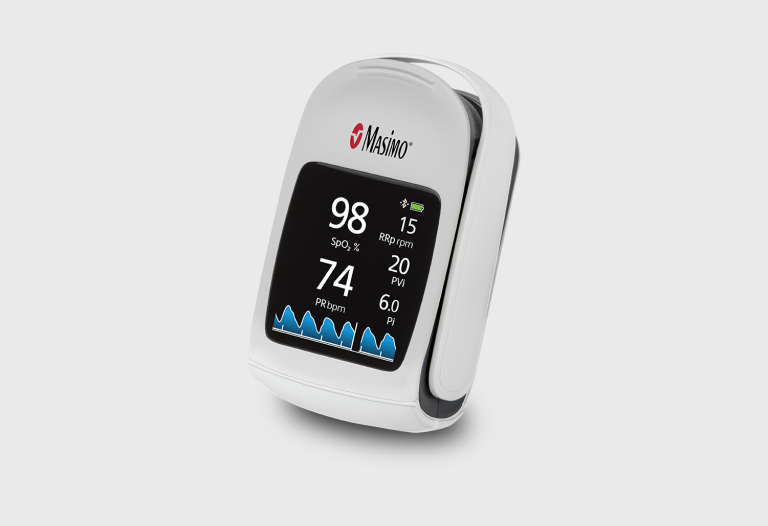
Masimo MightySat: Clinical Grade Pulse Oximetry in a Consumer Fingertip Device
The consumer version of the pulse oximetry technology used in hospital ICUs worldwide, delivering clinical grade SpO2, perfusion index, and pleth variability measurements from your fingertip. Presented By Our Partners…

Myokines and the Muscle Brain Axis: What 2026 Research Reveals About Strength Training and Longevity
New 2026 research on myokines, the signaling proteins released by contracting muscle, shows why strength training is a cognitive intervention. Here is what the science reveals about irisin, cathepsin B,…
