
Myo-inositol Review 2026: Evidence Grade, Best Form, Side Effects
Myo-inositol earns a moderate grade for one job, regulating cycles and insulin in women with PCOS, and the rest of its marketing runs well ahead of the trials.
Presented By Our Partners


In a 2023 meta-analysis of 26 randomized trials in 1,691 women with polycystic ovary syndrome, inositol raised the likelihood of a regular menstrual cycle by 79 percent versus placebo (RR 1.79, 95% CI 1.13 to 2.85) (PMID 36703143). That is the single most important number in the myo-inositol literature, and almost everything else sold under the name, from fertility powders to thyroid protocols to mood support, is an extrapolation from it. This review grades ten marketed claims against 30 records retrieved from PubMed, reports the doses those trials used, and names what the evidence has not yet measured.
The HYPE Index verdict
The HYPE Index measures the distance between a claim as sold and the calibration its evidence supports, from 0 (fully calibrated) to 100 (maximum gap), with scores above 60 flagged as a Significant Evidence Gap; the method is described at HDAI’s HYPE Index methodology page.
| Claim | Evidence grade | HYPE composite | Verdict |
|---|---|---|---|
| Relieves depression and anxiety | Contradicted | 70, Significant Evidence Gap | In the one placebo-controlled trial in this set, 42.1% of 38 adults with trichotillomania responded to 10 weeks of inositol versus 31.6% on placebo, a non-significant difference (RR 1.33, 95% CI 0.57 to 3.11) (PMID 34582562), and a 60-study review of bipolar disorder described inositol’s effects as mainly non-significant (PMID 35608150). |
| Lowers thyroid antibodies in Hashimoto’s | Insufficient | 64, Significant Evidence Gap | In a 2024 pooled analysis of euthyroid Hashimoto’s patients, 6 months of myo-inositol did not significantly reduce TPOAb (SMD -1.94, 95% CI -6.75 to 2.87) or TgAb (SMD -2.02), while selenium alone lowered both antibodies (PMID 39698034). |
| Reduces stress and improves quality of life | Preliminary | 59, Mixed calibration | In a 12-week trial of 60 women with PCOS, a 40:1 myo-inositol and D-chiro-inositol combination and metformin both improved perceived stress and quality of life, with metformin slightly better on insulin and endocrine markers and no magnitudes reported (PMID 39847053). |
| Helps with weight loss | Preliminary | 58, Mixed calibration | In a 2023 meta-analysis of 26 randomized trials, inositol lowered BMI by 0.45 (95% CI -0.89 to -0.02) versus placebo in women with PCOS, an effect whose interval nearly reaches zero (PMID 36703143). |
| Improves fertility and pregnancy rates | Preliminary | 55, Mixed calibration | A 2026 umbrella review found inositol more than doubled live births (RR 2.29, 95% CI 1.07 to 4.93) and ovulation (RR 2.75) versus placebo or folic acid in women with PCOS, with no high-quality evidence (PMID 41757236), and a 2024 umbrella review put the clinical pregnancy increase at 52% (RR 1.52) at very low certainty (PMID 39796491). |
| Lowers cholesterol and triglycerides | Preliminary | 53, Mixed calibration | In a 2025 network meta-analysis of 79 randomized trials (n=5,501) in women with PCOS, inositol significantly lowered total cholesterol and triglycerides, though effect sizes were not stated and no supplement outranked placebo on hs-CRP (PMID 40611279). |
| Prevents gestational diabetes | Preliminary | 49, Mixed calibration | A 2023 Cochrane review of 6 trials (n=1,140) found myo-inositol in pregnancy may reduce gestational diabetes by 47% (RR 0.53, 95% CI 0.31 to 0.90) at low to very low certainty (PMID 36790138), but a 2025 placebo-controlled trial of 464 pregnant women with PCOS found no reduction in gestational diabetes, preeclampsia or preterm birth, 25.0% versus 26.8% (RR 0.93) (PMID 40920401). |
| Lowers testosterone and other androgens | Moderate | 47, Mixed calibration | In a 2023 meta-analysis of 26 randomized trials, inositol lowered total testosterone by 20.39 (95% CI -40.12 to -0.66) and raised SHBG by 32.06 versus placebo in women with PCOS, with intervals that approach zero (PMID 36703143). |
| Improves insulin resistance and lowers fasting insulin | Moderate | 41, Mixed calibration | A 2026 umbrella review of 13 meta-analyses found inositol lowered HOMA-IR by 1.14 (95% CI -1.35 to -0.94) and fasting insulin by 23.4 pmol/L versus placebo or folic acid in women with PCOS, with no high-quality GRADE evidence (PMID 41757236). |
| Restores regular cycles and ovulation in PCOS | Moderate | 36, Largely calibrated | In a 2023 meta-analysis of 26 randomized trials (n=1,691), inositol raised the likelihood of a regular menstrual cycle by 79% versus placebo (RR 1.79, 95% CI 1.13 to 2.85) in women with PCOS (PMID 36703143). |
The chain of hype on the top-scoring claim is easy to trace. Inositol is a second messenger in serotonin and insulin signaling, which made it a plausible antidepressant candidate decades ago. The mood claim then migrated to wellness influencers as “myo-inositol for anxiety,” where it is now sold to healthy adults with everyday stress. The drift happened at the influencer link: the placebo-controlled trial in this set was null (PMID 34582562), the bipolar literature is mainly non-significant (PMID 35608150), and the only recent pediatric study paired inositol with omega-3 in an open-label design that cannot isolate its contribution (PMID 42462928). The market never updated.
What the research shows
Regular cycles and ovulation in PCOS
In a 2023 meta-analysis of 26 randomized trials (n=1,691), inositol raised the likelihood of a regular menstrual cycle by 79% versus placebo (RR 1.79, 95% CI 1.13 to 2.85) in women with PCOS (PMID 36703143). That pooled analysis is the strongest evidence in the profile: 806 women received inositol, 311 received placebo and 509 received metformin, and inositol was non-inferior to metformin for cycle regularity. A 2026 umbrella review of 13 meta-analyses found ovulation more than doubled (RR 2.75, 95% CI 1.71 to 4.41) versus placebo or folic acid (PMID 41757236), and a 2023 umbrella review of 28 meta-analyses rated the ovulation effect moderate certainty (PMID 36099162). The cautionary note comes from the review commissioned for the 2023 international PCOS guideline, which pooled 30 trials in 2,230 women and judged the evidence limited and inconclusive (PMID 38163998). What we do not know: trials ran 3 to 6 months, placebo comparisons rest on only 311 women, and none of the studies we reviewed tested women without PCOS.
Insulin resistance and fasting insulin
A 2026 umbrella review of 13 meta-analyses found inositol lowered HOMA-IR by 1.14 (95% CI -1.35 to -0.94) and fasting insulin by 23.4 pmol/L versus placebo or folic acid in women with PCOS, with no high-quality GRADE evidence (PMID 41757236). The head-to-head data against metformin are flat: across 8 trials in 1,088 women, myo-inositol and metformin did not differ on fasting insulin (SMD 0.00), fasting glucose (SMD 0.11) or HOMA index (SMD 0.09) (PMID 37148410), and adding inositol to metformin changed neither fasting glucose nor HOMA-IR in a 6-trial meta-analysis of 388 women (PMID 39331347). In a 79-trial network meta-analysis, omega-3 rather than inositol ranked best for HOMA-IR (PMID 40611279). What we do not know: almost every participant had PCOS; none of the studies we reviewed tested men or people with type 2 diabetes in a controlled design, and the 26-study diabetes review gave no pooled effect sizes (PMID 29053004).
Testosterone and other androgens
In a 2023 meta-analysis of 26 randomized trials, inositol lowered total testosterone by 20.39 (95% CI -40.12 to -0.66) and raised SHBG by 32.06 versus placebo in women with PCOS, with intervals that approach zero (PMID 36703143). The 2026 umbrella review reported SHBG rising by 36.72 nmol/L (95% CI 28.52 to 44.91) and LH falling by 3.43 IU/L (PMID 41757236). Against that, the 79-trial network meta-analysis found no supplement, inositol included, differed from placebo on total testosterone, SHBG or DHEA (PMID 40611279), and when inositol was added to metformin the hirsutism score fell by only 0.97 points with no change in acne (PMID 39331347). What we do not know: units for several hormone outcomes are unstated in the abstracts, and the skin and hair outcomes that influencers sell barely moved.
Gestational diabetes
A 2023 Cochrane review of 7 trials in 1,319 pregnant women found myo-inositol may reduce gestational diabetes by 47% (RR 0.53, 95% CI 0.31 to 0.90, 6 studies, 1,140 women) and hypertensive disorders by 66% (RR 0.34), at low to very low certainty, with a possible signal of neonatal hypoglycaemia (RR 3.07, 95% CI 0.90 to 10.52) (PMID 36790138). Six of those seven trials were Italian. Then came the largest placebo-controlled trial in this set: 464 pregnant women with PCOS at 13 Dutch hospitals received myo-inositol 2 g with folic acid twice daily or placebo until delivery, and the composite of gestational diabetes, preeclampsia or preterm birth occurred in 25.0% versus 26.8% (RR 0.93, 95% CI 0.68 to 1.28) (PMID 40920401). What we do not know: whether the Italian results generalize, whether the null Dutch result applies to pregnancies without PCOS, and anything about perinatal mortality.
Featured Partner
Invest in the Infrastructure Behind Modern Medicine
As healthcare expands beyond hospital walls, the buildings and campuses supporting that shift are generating compelling returns for investors who move early. The Healthcare Real Estate Fund offers qualified investors direct access to a curated portfolio of medical office, outpatient, and specialty care facilities.
Learn More →
Fertility and pregnancy rates
A 2026 umbrella review found inositol more than doubled live births (RR 2.29, 95% CI 1.07 to 4.93) and ovulation (RR 2.75) versus placebo or folic acid in women with PCOS, with no high-quality evidence (PMID 41757236), and a 2024 umbrella review put the clinical pregnancy increase at 52% (RR 1.52) at very low certainty, concluding that no nutrient supplement could be recommended for female infertility (PMID 39796491). In assisted reproduction, a 20-trial meta-analysis of 2,617 women with diminished ovarian reserve found coenzyme Q10 more effective than myo-inositol, whose effects were described as small (PMID 39019217). The broader antioxidant literature carries a warning label: the Cochrane review of 50 trials in 6,510 subfertile women rated its live birth finding very low quality (PMID 28752910), and a 2026 editorial note reports that seven of its included studies were retracted (PMID 32851663). What we do not know: a live birth estimate specific to myo-inositol outside PCOS, and results in women without PCOS.
Cholesterol and triglycerides
In a 2025 network meta-analysis of 79 randomized trials (n=5,501) in women with PCOS, inositol significantly lowered total cholesterol and triglycerides, though effect sizes were not stated and no supplement outranked placebo on hs-CRP (PMID 40611279). The guideline-commissioned review called the lipid evidence limited (PMID 38163998). What we do not know: the magnitude of any lipid change, its duration, and whether it exists in people without PCOS.
Weight loss
In a 2023 meta-analysis of 26 randomized trials, inositol lowered BMI by 0.45 (95% CI -0.89 to -0.02) versus placebo in women with PCOS, an effect whose interval nearly reaches zero (PMID 36703143). Adding inositol to metformin produced no BMI change across 6 trials (PMID 39331347), and in a 192-woman four-arm trial the largest BMI reduction, 2.8 kg/m2, came from combining inositol with metformin and a 1,200 to 1,500 kcal diet, with the inositol-alone change not reported in the abstract (PMID 42517336). What we do not know: any body composition data in people without PCOS.
Stress and quality of life
In a 12-week trial of 60 women with PCOS, a 40:1 myo-inositol and D-chiro-inositol combination and metformin both improved perceived stress and quality of life, with metformin slightly better on insulin and endocrine markers (PMID 39847053). The trial had no placebo arm and 30 women per group. What we do not know: effect magnitudes, any placebo-controlled stress data, and whether a combination product’s effect applies to myo-inositol alone.
Thyroid antibodies in Hashimoto’s
In a 2024 pooled analysis of euthyroid Hashimoto’s patients, 6 months of myo-inositol did not significantly reduce TPOAb (SMD -1.94, 95% CI -6.75 to 2.87) or TgAb (SMD -2.02), while selenium alone lowered both antibodies (PMID 39698034). The confidence intervals are enormous, which signals few studies and high heterogeneity, and the pooled sample size was not stated. What we do not know: whether myo-inositol adds anything to selenium, and any effect on TSH, symptoms or progression to hypothyroidism.
Depression and anxiety
In the one placebo-controlled trial in this set, 42.1% of 38 adults with trichotillomania responded to 10 weeks of inositol versus 31.6% on placebo (RR 1.33, 95% CI 0.57 to 3.11), rated low-certainty evidence of no difference (PMID 34582562). A 60-study systematic review of diet and supplements in bipolar disorder described inositol’s effects as variable and mainly non-significant (PMID 35608150). A 2026 open-label pediatric study gave inositol 1,000 to 2,000 mg daily with omega-3 for 6 weeks and found modest improvement in mania and depression scores with no difference from N-acetylcysteine (PMID 42462928). What we do not know: none of the studies we reviewed tested inositol alone in an anxiety disorder or in healthy adults with everyday stress.
Doses used in studies
These are doses reported by the named sources, not recommendations.
| Source | Dose as reported | Form | Context |
|---|---|---|---|
| PMID 42517336 | Myo-inositol 2 g plus D-chiro-inositol 50 mg twice daily for 12 weeks | 40:1 combination | 192 women aged 18 to 35 with PCOS, four-arm trial |
| PMID 40920401 | Myo-inositol 2 g with 0.2 mg folic acid twice daily until delivery | Myo-inositol | 464 pregnant women with PCOS, placebo-controlled |
| PMID 39847053 | 40:1 myo-inositol to D-chiro-inositol for 12 weeks; absolute dose not stated | 40:1 combination | 60 women with PCOS versus metformin |
| PMID 42462928 | Inositol 1,000 to 2,000 mg daily for 6 weeks with omega-3 (1,020 mg EPA) | Not specified | Children and adolescents aged 5 to 17, open label |
| PMID 36790138 | Antenatal myo-inositol at any dose, alone or combined, pooled across 7 trials | Myo-inositol | 1,319 pregnant women at 10 to 24 weeks, Cochrane review |
| PMID 39698034 | Myo-inositol alone or with selenium for 6 months; daily dose not stated | Myo-inositol | Euthyroid Hashimoto’s patients, pooled case-control data |
| PMID 34582562 | Inositol for 10 weeks; dose not stated in abstract | Not specified | 38 adults with trichotillomania, placebo-controlled |
| Theralogix Ovasitol label | 2,000 mg myo-inositol plus 50 mg D-chiro-inositol per packet, labeled twice daily | 40:1 powder | Manufacturer label; not a trial result |
| Examine inositol page | PCOS trials most often used about 2 g myo-inositol twice daily; older mood studies used far higher daily amounts | Myo-inositol | Third-party evidence summary |
Forms and quality
Myo-inositol is the isomer the body makes and the one most trials studied; D-chiro-inositol is its minor partner, present in tissues at roughly a 40:1 ratio. The 40:1 combination is the form used in the most recent PCOS trials (PMID 42517336; PMID 39847053), and the 2026 umbrella review flagged D-chiro-inositol monotherapy for caution because high D-chiro doses were associated with worse oocyte quality in some ovarian stimulation studies (PMID 41757236). Myo-inositol is a simple sugar alcohol, cheap to produce and sold as a loose powder, capsule or packet; the distinction that matters on a label is the ratio to D-chiro-inositol and whether folic acid is co-formulated, since many trials gave folic acid to both arms. Third-party testing seals from NSF, USP or Informed Choice verify identity and the absence of contaminants but say nothing about efficacy.
Interactions and who the trials excluded
| Interacts with | Type | Severity | Mechanism and evidence |
|---|---|---|---|
| Bipolar disorder | Condition | Moderate | High-dose inositol reported to trigger manic symptoms in a small number of people; case reports and small trial observations, not seen at 2 to 4 g metabolic doses |
| Metformin | Drug | Minor | Both improve insulin sensitivity; PCOS trials compared and combined them without reported hypoglycemia |
| D-chiro-inositol | Supplement | Minor | Isomers compete; high D-chiro doses linked to worse oocyte quality in some IVF studies, hence the 40:1 ratio in trials |
| Folic acid, vitamin D and fertility co-supplements | Supplement | Minor | Commonly co-formulated; no adverse interaction, but trial effects often belong to the combination |
| Pregnancy | Condition | Minor | Tested at 4 g daily in pregnancy trials with no excess maternal or neonatal adverse events reported; long-term offspring data limited |
| Fasting glucose and insulin lab tests | Lab test | Minor | Trials report lower fasting insulin and HOMA-IR, so results may shift during supplementation |
| Gastrointestinal tolerance at high doses | Condition | Minor | Doses above about 12 g daily caused nausea, flatulence and loose stools in psychiatric trials |
| Insulin and sulfonylureas | Drug | Theoretical | Modest insulin and glucose lowering could add to hypoglycemic drugs; no case reports identified |
| Lithium | Drug | Theoretical | Lithium may act partly by depleting inositol; small trials used inositol for lithium side effects without loss of mood control |
| SSRIs and serotonergic antidepressants | Drug | Theoretical | Mechanistic only; no serotonin syndrome reported in augmentation trials |
| Surgery | Condition | Theoretical | Possible additive glucose lowering with perioperative glucose management; precaution only |
Who the trials excluded matters as much as who they enrolled. Nearly every randomized trial in this set enrolled women of reproductive age with PCOS. The pregnancy trials excluded women with pre-existing diabetes (PMID 36790138). None of the studies we reviewed tested men, postmenopausal women, adolescents with PCOS as a distinct group, or people with type 2 diabetes in a placebo-controlled design.
Side effects reported in trials
Tolerability is the clearest favorable finding. The guideline-commissioned review noted that myo-inositol caused fewer gastrointestinal side effects than metformin (PMID 38163998). In the Dutch pregnancy trial, 4 g per day until delivery produced no excess in the maternal composite outcome versus placebo (PMID 40920401). The one safety signal worth watching is the Cochrane review’s neonatal hypoglycaemia estimate, RR 3.07 with a confidence interval from 0.90 to 10.52, which is wide enough to include no effect and too wide to dismiss (PMID 36790138). Gastrointestinal complaints appear at the very high doses used in older psychiatric research, well above the 2 to 4 g range in metabolic trials.
How it fits the Five Pillars
Nutrition: myo-inositol occurs naturally in beans, citrus, whole grains and nuts, and the body synthesizes it from glucose, which is why a food-first pattern already supplies it. The metabolic trials above sit downstream of diet: in the 192-woman trial, a 1,200 to 1,500 kcal diet regularized cycles in 72.9% of women versus 64.6% with inositol alone, and the combination of all three reached 85.4% (PMID 42517336). Movement: resistance and aerobic training improve insulin sensitivity through the same pathway myo-inositol is sold for, and none of the studies we reviewed compared the supplement to an exercise program. Sleep: short sleep worsens insulin resistance, a confounder no PCOS inositol trial in this set controlled. Breathwork and mindset: the stress and quality-of-life gains in the 60-woman trial were patient-reported and unblinded (PMID 39847053), which is exactly the kind of outcome a breathing or mindfulness practice also moves. HDAI’s companion reviews of berberine and nutrition and metabolic health cover the same insulin-signaling territory from different angles.
What this means for you
The evidence supports a specific, bounded statement: in women with PCOS, inositol at about 4 g per day for 3 to 6 months is associated with more regular cycles, more ovulation, and a HOMA-IR reduction of about 1.1 points, at moderate certainty and with no demonstrated advantage over metformin. Everything beyond that boundary, weight loss, mood, thyroid antibodies, fertility in women without PCOS and gestational diabetes prevention, is either small, unmeasured or contradicted by the largest trial. The question pages linked below work through each query in turn: does myo-inositol work for PCOS, myo-inositol vs metformin, does myo-inositol prevent gestational diabetes, myo-inositol side effects, and does myo-inositol help with anxiety and depression. For the cardiovascular side of metabolic health, see HDAI’s heart health evidence review.
New since our last review
First published November 3, 2026.
Sources
- PMID 36703143
- PMID 41757236
- PMID 38163998
- PMID 36099162
- PMID 37148410
- PMID 39331347
- PMID 40611279
- PMID 29053004
- PMID 36790138
- PMID 40920401
- PMID 39796491
- PMID 39019217
- PMID 28752910
- PMID 32851663
- PMID 42517336
- PMID 39847053
- PMID 39698034
- PMID 34582562
- PMID 35608150
- PMID 42462928


Similar Posts
InsideTracker InnerAge 2.0: Blood Biomarker Testing for Biological Age
A blood biomarker testing platform that calculates your biological age from 20 blood markers, then delivers personalized nutrition and lifestyle recommendations to close the gap between your chronological and biological…
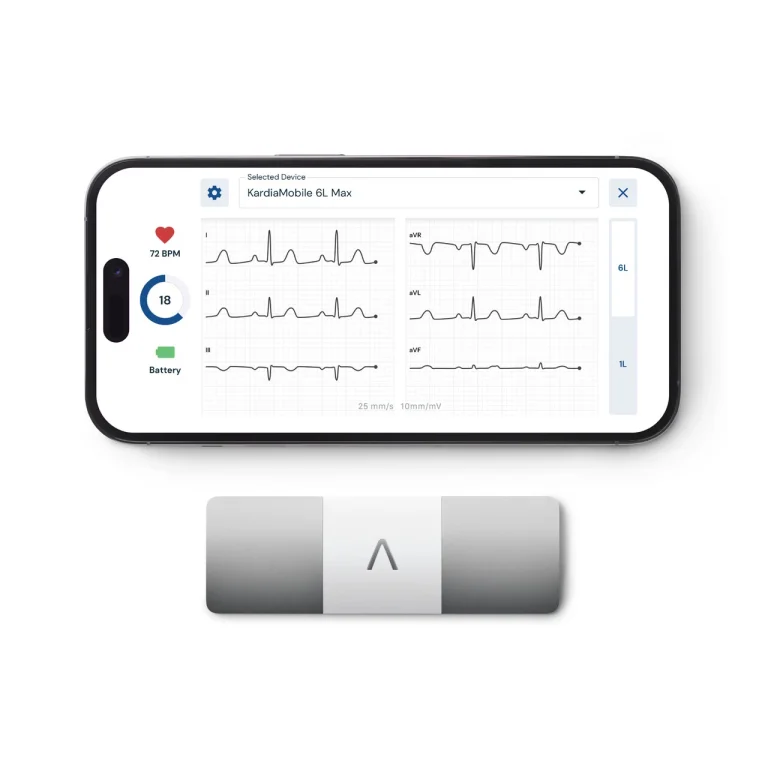
AliveCor KardiaMobile 6L: The Most Clinically Advanced Consumer ECG Device
A pocket sized, six lead ECG that captures half the diagnostic information of a full clinical 12 lead, FDA cleared for six arrhythmia determinations, and priced at $149 with no…
IQAir AirVisual Pro: Indoor and Outdoor Air Quality Intelligence Platform
The air outside your window and the air inside your home tell different stories about your health. Most monitors can only read one of them. Presented By Our Partners In…
The Daily Rounds: Longevity & Health Care Brief | April 2, 2026
🧬 - Epigenetic reprogramming has entered human clinical trials for the first time, with Life Biosciences receiving FDA clearance to test partial reprogramming in retinal degeneration patients, a landmark moment for the entire longevity field. 🤖 - An AI-designed drug for pulmonary fibrosis showed a 160 mL treatment differential in forced vital capacity versus placebo in Phase IIa, suggesting the drug may stop or reverse disease progression rather than merely slowing it. 🦠 - Gut bacteria use molecular syringe-like structures to inject proteins directly into human cells, and this bacterial protein transfer is now linked to elevated Crohn's disease risk, redefining how the microbiome communicates with the immune system. ❤️ - A new cardiovascular drug class reduces heart attack and stroke risk in older adults by nearly 20 percent by simultaneously targeting cholesterol, inflammation, and blood sugar, pointing toward a potential revision of current standard-of-care protocols. ⏰ - Circadian biology is entering the clinic, with evidence that vaccine timing, sleep medication evaluation, and cardiovascular risk management all benefit from treating the biological clock as a measurable and modifiable variable rather than background noise.

The Medical AI Agent Has Entered the Chart. Now Prove It Can Finish the Job.
A new Nature paper on autonomous medical AI agents points beyond chatbots and prediction models. The real test is whether AI can safely help healthcare move from signal to accountable…

Your VO2 Max May Be the Single Best Predictor of How Long You Will Live: What 3.8 Million People and 58 Clinical Trials Reveal About Cardiorespiratory Fitness and the Science of Living Longer
A meta-analysis of 3.8 million people shows that each one-MET increase in cardiorespiratory fitness reduces all-cause mortality by 14 percent. A 2026 Cochrane review of 58 clinical trials confirms HIIT…