

The Post-Meal Walk: Why a 10-Minute Stroll After Dinner Is Becoming the Most Practical Metabolic Tool of 2026
By the spring of 2026, a quiet behavioral intervention has crept into the metabolic medicine literature with surprising momentum. It does not require a gym membership, a supplement protocol, or a wearable device. It costs nothing, takes about ten minutes, and works for almost everyone. It is the post-meal walk.
Presented By Our Partners



A growing body of clinical trial evidence, mechanistic studies, and continuous glucose monitor data is converging on a striking conclusion. The simple act of walking for ten to fifteen minutes after eating may be one of the most powerful, underused tools available for blunting postprandial glucose excursions, reducing cardiovascular risk, supporting cognitive resilience, and improving sleep quality. In an era of complex pharmaceuticals and elaborate biohacking regimens, this fundamentals practice is having a quiet renaissance.
Below is what the latest research actually says, why the science makes sense, and how to translate it into a practice that fits your life starting tonight.
A Brief Tour of the Postprandial Window
To appreciate why a short walk matters so much, it helps to understand what happens in your body during the two hours after a meal. This window, known to clinicians as the postprandial period, is one of the most metabolically active states the body enters each day.
When you eat a meal containing carbohydrates, glucose enters the bloodstream. Insulin is released from the pancreas to escort that glucose into cells. In healthy metabolism, this exchange is graceful. Glucose rises modestly, insulin handles it, and the system returns to baseline within ninety minutes. In dysregulated metabolism, the story changes. Glucose climbs higher, lingers longer, and triggers an oversized insulin response. Over years, this pattern damages blood vessels, accelerates atherosclerosis, drives chronic inflammation, and contributes to cognitive decline.
Stanford metabolic researcher Michael Snyder and colleagues showed in their now-classic 2018 PLOS Biology paper that even people with normal fasting glucose can experience large, repeated postprandial excursions, what they called "glucotypes," that confer hidden cardiovascular and dementia risk. The takeaway from that work, and from a decade of subsequent continuous glucose monitor studies, is that the postprandial window deserves attention. It is the moment when the small choices that shape long-term health are actually being made.
What the Walking Research Shows
The seminal study most clinicians cite is Andrew Reynolds and colleagues’ 2016 paper in Diabetologia. The team randomized adults with type 2 diabetes to either thirty minutes of walking per day taken any time, or three ten-minute walks performed immediately after meals. The post-meal walking group lowered postprandial blood glucose by an additional twelve percent compared to the single-bout group, even though total walking time was identical. The benefit was most striking after the evening meal, the meal that tends to produce the largest glucose excursion of the day.
A 2022 systematic review and meta-analysis by Aidan Buffey and colleagues at the University of Limerick, published in Sports Medicine, pooled data from seven trials examining light intensity walking interrupting prolonged sitting after a meal. Even short walks of two to five minutes, repeated at regular intervals, produced clinically meaningful reductions in postprandial glucose and insulin. Standing alone produced smaller effects. Walking, even at a casual pace, was the active ingredient.
A more recent cohort study in the British Journal of Sports Medicine drew on accelerometer data from more than twenty thousand UK Biobank participants and found that those who took most of their daily steps in the two-hour window after their largest meal had measurably lower fasting glucose, lower triglycerides, and a roughly seventeen percent lower risk of incident cardiovascular disease over an eight-year follow-up than peers with similar total step counts distributed differently across the day. The lesson is consistent. When you walk matters, not just how much.
Mechanistic work from the University of Birmingham and the Karolinska Institute has filled in the why. During exercise, skeletal muscle takes up glucose through a non-insulin-dependent pathway involving the GLUT4 transporter and AMP-activated protein kinase. In simple terms, working muscles can pull glucose directly out of the bloodstream without waiting for insulin to give the signal. A ten-minute walk recruits enough of this machinery to act as a metabolic relief valve, taking pressure off the pancreas and reducing the peak glucose climb. Over time, repeated post-meal walking improves insulin sensitivity, increases mitochondrial efficiency, and dampens the chronic low-grade inflammation that accelerates biological aging.
Why the Evening Meal Is the Critical One
There is a circadian dimension to all of this. Glucose tolerance is highest in the morning and falls steadily through the day. By dinner, the same meal that would produce a modest glucose response at breakfast produces a much larger one. Satchin Panda at the Salk Institute has been mapping this circadian metabolism for years, and his work helps explain why post-dinner glucose excursions are the single largest contributor to elevated HbA1c in many adults with prediabetes.
That makes the post-dinner walk uniquely powerful. You are intervening at the moment of greatest metabolic stress, with the simplest possible tool, during the window of day when most people instead sit on a couch. The traditional evening stroll, long a feature of Mediterranean and Latin American culture, turns out to be quietly protective. A 2025 paper in JAMA Network Open found that adults who reported walking for at least ten minutes after dinner on most days had a thirty-one percent lower five-year incidence of metabolic syndrome than matched sedentary peers, after controlling for total physical activity.
The Cascade Beyond Glucose
The benefits do not stop at blood sugar. A short post-meal walk influences several other systems that matter for long-term health.
Cardiovascular function. Postprandial hyperglycemia is now understood as an independent risk factor for endothelial dysfunction, the earliest step in atherosclerosis. By blunting the peak, walking protects the inner lining of blood vessels from oxidative stress. The 2024 European Heart Journal review by Gerasimos Siasos and colleagues emphasized that lowering postprandial glucose by even thirty milligrams per deciliter improves flow-mediated dilation, a marker of vascular health, within hours.
Cognition. Brain glucose handling mirrors body glucose handling. Repeated postprandial spikes are associated with hippocampal atrophy and increased Alzheimer’s risk. A 2023 randomized crossover study at Tufts University, published in the American Journal of Clinical Nutrition, found that adults who took a fifteen-minute walk after lunch performed better on afternoon attention and working memory tests than those who remained seated, with the benefit correlated to the magnitude of the glucose reduction.
Sleep. Eating triggers a transient rise in core body temperature and a surge in sympathetic nervous activity. A short walk in the cool evening air helps the body return to the parasympathetic, lower-temperature state required for sleep onset. Research from the University of South Australia in 2025 found that participants who walked outdoors for ten minutes within an hour of dinner fell asleep on average fourteen minutes faster and showed improved heart rate variability through the first half of the night compared to control evenings.
Featured Partner
Invest in the Infrastructure Behind Modern Medicine
As healthcare expands beyond hospital walls, the buildings and campuses supporting that shift are generating compelling returns for investors who move early. The Healthcare Real Estate Fund offers qualified investors direct access to a curated portfolio of medical office, outpatient, and specialty care facilities.
Learn More →
Mood and stress. Light outdoor exercise is one of the most reliable acute mood elevators ever studied. A 2026 meta-analysis in JAMA Psychiatry pooled forty trials and found that even a single ten-minute outdoor walk produced clinically meaningful reductions in state anxiety and rumination scores. When that walk is also doing metabolic work, the compounding effect on long-term mental health is hard to ignore.
The Dose-Response Question
How long, how fast, and how soon after the meal? The evidence converges on a few practical answers.
Duration. Ten to fifteen minutes is the sweet spot in most trials. Benefits begin within two minutes, increase steeply through ten minutes, and plateau after roughly twenty minutes. There is no need to walk for an hour. A reliable ten-minute habit beats an aspirational thirty-minute one that never actually happens.
Intensity. Casual is fine. The Buffey meta-analysis showed that even light intensity walking, defined as below forty percent of heart rate reserve, was sufficient to blunt postprandial glucose. You do not need to power walk or break a sweat. A relaxed pace that allows easy conversation produces most of the benefit.
Timing. Begin walking within thirty minutes of finishing your meal. The earlier, the better. Glucose typically peaks between forty-five and ninety minutes after eating, so walking during the rise is what blunts the climb. Waiting an hour misses much of the window.
Setting. Outdoor walking outperforms treadmill walking for mood and sleep outcomes, though metabolic benefits are similar. Natural evening light helps anchor the circadian clock and supports nighttime melatonin release. If safety, weather, or schedule make indoor walking the only option, the metabolic work still happens.
The Compounding Effect Across the Four Fundamentals
The post-meal walk is interesting because it touches all four fundamentals at once.
Movement. The walk itself, light and accessible.
Nutrition. By blunting glucose excursions, walking effectively improves the metabolic quality of the meal you just ate. A pasta dinner followed by a walk behaves more like a salad with grilled chicken eaten while seated. This does not license worse eating, but it does mean that small movement choices change how food is experienced inside the body.
Recovery and sleep. The walk supports the wind-down transition and improves nighttime heart rate variability, a marker of recovery quality.
Breath. Walking is one of the easiest contexts for practicing nasal breathing and slow extended exhalations, both of which raise vagal tone and reinforce the parasympathetic shift the body needs after dinner. James Nestor and the breath researchers at the Buteyko Clinic have argued that the post-meal window is an ideal time to practice quiet nasal breathing precisely because the body is already moving toward rest.
This is why fundamentals stack better than they isolate. A ten-minute walk after dinner with the phone in your pocket, the breath through the nose, and the eyes on the horizon is not one intervention. It is four interventions sharing a single ten-minute container.
Common Pitfalls to Avoid
A few common mistakes can blunt the benefits of post-meal walking.
Walking too hard, too soon. A vigorous run after a full meal can divert blood flow from digestion, causing cramping or reflux. Keep it light. Save the intensity for other windows.
Walking too late. Waiting until two hours after dinner misses the glucose peak entirely. The intervention has to happen during the climb, not after the descent.
Skipping it after small meals. Even modest meals produce glucose responses worth blunting. The rule is meal, then walk, regardless of size.
Treating it as a substitute for total movement. Post-meal walks do not replace structured exercise, resistance training, or zone 2 cardio. They complement them, and they add up to roughly two thousand additional steps a day that otherwise would not have happened.
A Word on Wearables
The rise of continuous glucose monitors has accelerated interest in the post-meal walk because the effect is visible in personal data within days. The 2025 Levels Health user dataset of more than seventy thousand monitored meals found that a ten-minute walk within thirty minutes of a meal lowered the average glucose peak by twenty-three milligrams per deciliter and reduced the area under the curve by an average of seventeen percent. For people experimenting with their own metabolism, this provides immediate feedback that few other lifestyle interventions can match.
Oura and Whoop have begun building post-meal movement prompts into their evening routines, and Apple Health introduced a "post-meal activity" insight in late 2025 that nudges users to log a short walk after the largest meal of their day. The behavioral nudge layer is catching up with the science.
What This Means For Your Practice
Here are the concrete steps to put this research to work, starting tonight.
Start with dinner. Tonight, after you finish eating, stand up within fifteen minutes and walk for ten. Outside if possible. No phone, no podcast required, but allowed if it gets you out the door.
Anchor it to a cue. Use the act of clearing the table or loading the dishwasher as the trigger to put on shoes and walk. Habit formation research from Wendy Wood at USC consistently finds that pairing a new behavior with an existing routine is the single strongest predictor of long-term adherence.
Walk slowly enough to talk. The intensity threshold is low. You should be able to hold a conversation comfortably. If you have a partner, family member, or roommate, make it a shared ritual. Social walks have higher retention rates and additional mental health benefits.
Aim for three meals, but start with one. The Reynolds study used three ten-minute walks per day. If you can do all three, the benefit compounds. If you can only manage the post-dinner one, that is still the highest-leverage walk of the day.
Use a wearable to see the proof. If you have a continuous glucose monitor, a Whoop, an Oura, or even a basic Apple Watch, look at the data the night you walk versus the night you do not. Most people see lower glucose peaks, lower nighttime resting heart rate, higher HRV, and faster sleep onset. The personal evidence accelerates the habit.
Add the breath. While walking, breathe through your nose, in for four counts, out for six. Six minutes of slow nasal breathing alone is associated with measurable vagal tone increases. Combined with the walk, it deepens the parasympathetic shift.
Protect the ten minutes. The single biggest threat to this habit is the gravitational pull of the couch. Plan accordingly. Put your shoes by the door. Tell the household it is happening. Make the walk easier than not walking.
The post-meal walk will not show up in glossy biohacker marketing because it cannot be packaged. There is no app to subscribe to, no supplement to buy, no service to renew. But the research is unusually clean, the mechanism is well understood, and the cost is nothing. In a year when longevity science is producing some of its most exciting headlines, one of its most quietly powerful interventions is also one of its oldest. Ten minutes. After dinner. Outside if possible. Tonight.


Similar Posts

Oura Ring Gen 4 Women’s Health Features: Cycle Tracking, Pregnancy, and Perimenopause
A ring that already tracked sleep, heart rate, and body temperature added cycle prediction, pregnancy insights, and perimenopause features, turning a general health wearable into something more specific: a continuous…

Walking for Longevity: The 7,000 Step Sweet Spot, Brisk Cadence, and the Underrated Power of the Post Meal Walk
A wave of large cohort studies, including the I-Min Lee Harvard analyses, the Paluch JAMA Internal Medicine meta-analysis, and a 2025 Lancet Public Health update, is reshaping the way clinicians…
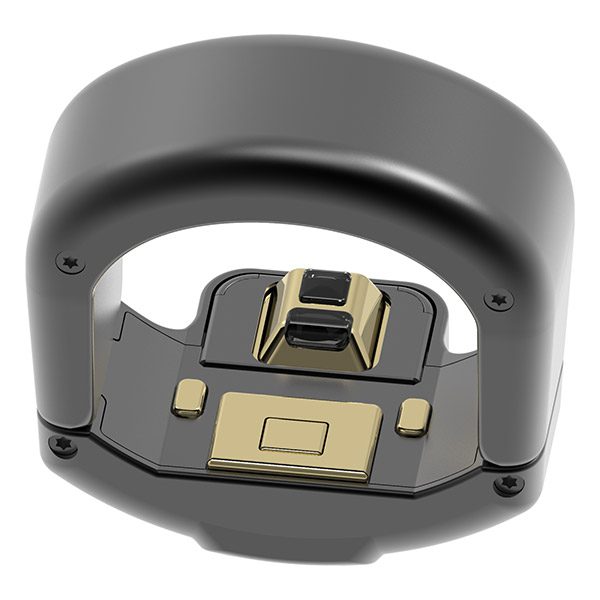
Bodimetrics Circul+ Ring: Continuous Overnight SpO2 Monitoring in a Smart Ring
A smart ring designed for continuous overnight blood oxygen monitoring, targeting the sleep apnea screening gap that fingertip oximeters cannot fill. Presented By Our Partners Obstructive sleep apnea affects an…

The PEARL Trial Is In: What Low-Dose Rapamycin Actually Did to Human Aging Over 48 Weeks
The most anticipated longevity drug trial in a generation has delivered its full one-year results. Here is what rapamycin actually did to lean muscle, pain, biological age, and overall healthspan…

Your Cells Have a Mechanical Age, and AI Can Now Read It to Predict Breast Cancer Risk
A UC Berkeley and City of Hope team published a landmark AI platform called MechanoAge in Lancet’s eBioMedicine that measures the physical stress-response of individual breast cells to identify cancer…

The Daily Rounds: Longevity & Health Care Brief | June 1, 2026
🧠 Alzheimer's Inflammation Switch Identified — Scripps Research maps the exact cysteine 148 site on the STING protein where S-nitrosylation triggers neuroinflammation, revealing a concrete small-molecule drug target. 🧠 Nasal Spray Reverses Brain Aging — Texas A&M's neural stem cell-derived particles reduce neuroinflammation and restore memory in aged mice for months after just two doses. ❤️ Ozempic Works Powerfully in Adults Over 65 — A new analysis confirms 15 percent-plus body weight loss and strong cardiovascular gains in older adults, reshaping GLP-1 prescribing for elderly patients. 🦠 Gut Bacteria Inject Proteins Into Human Immune Cells — Common gut microbes use type III secretion systems to directly modulate host immunity, overturning a foundational assumption in microbiome science. 😴 Sleep Regularity Trumps Sleep Duration — Actigraphy data spanning 6.8 years links irregular sleep timing to over 20 percent of the risk burden for 92 distinct diseases.
