

PowerDot 2.0 Duo: Smart EMS and TENS for Recovery, Pain Relief, and Muscle Activation
Your muscles respond to electrical signals. Whether those signals come from your brain or from a well-designed electrode pad, the contraction that drives recovery is the same.
Presented By Our Partners



Electrical muscle stimulation has a long clinical history: physical therapists have used EMS for decades to prevent muscle atrophy in immobilized patients, manage pain through TENS pathways, and support rehabilitation after surgery. The challenge was always translating clinical EMS into something a consumer could use effectively at home. Hospital EMS units are complex, expensive, and require trained operators to select appropriate waveforms, frequencies, and electrode placements. PowerDot was designed to bridge this gap, putting FDA-cleared EMS and TENS technology into a Bluetooth-connected, app-guided system that makes electrical stimulation accessible to athletes, pain sufferers, and anyone seeking recovery enhancement without a clinical visit.
What Is the PowerDot 2.0 Duo?
The PowerDot 2.0 Duo is an FDA-cleared smart electrical stimulation device that provides both EMS (electrical muscle stimulation for muscle activation and recovery) and TENS (transcutaneous electrical nerve stimulation for pain relief). The “Duo” designation indicates two independent stimulation pods, each with two electrode connections, allowing simultaneous treatment of two muscle groups or bilateral treatment of the same muscle group.
Each pod is approximately the size of a small matchbox and connects wirelessly to the PowerDot app via Bluetooth. The app provides guided programs for recovery, warm-up, muscle activation, strength endurance, and pain management, with electrode placement guides, intensity recommendations, and session timers for each protocol. Users select a program, place the electrode pads according to the app’s visual guides, and the device delivers the appropriate stimulation pattern automatically.
At $299, the PowerDot 2.0 Duo is positioned as the most affordable smart EMS/TENS system from a major brand. An optional app subscription ($9.99 per month) unlocks additional programs and advanced features, though the core functionality works without it. Replacement electrode pads are an ongoing consumable cost.
The Science Behind Smart EMS/TENS
EMS and TENS operate through different physiological mechanisms. EMS delivers electrical current at frequencies and amplitudes sufficient to depolarize motor neurons, triggering muscle contraction. At low intensities, this contraction enhances local blood flow and lymphatic drainage (the recovery application). At higher intensities, it can generate significant muscle force, providing a supplemental strength training stimulus. TENS delivers electrical current at parameters designed to stimulate sensory nerves rather than motor neurons, modulating pain perception through the gate control mechanism, where the sensory signal from TENS essentially “competes with” and reduces the brain’s perception of pain signals.
The 2018 meta-analysis published in Frontiers in Physiology by Dupuy et al. included electrostimulation in its analysis of 99 studies of post-exercise recovery techniques. While massage and compression showed the strongest effects for DOMS reduction, electrostimulation demonstrated some benefit for perceived fatigue and muscle damage markers. The evidence suggests that EMS enhances recovery primarily through the circulatory mechanism: the muscle contractions it generates drive venous return and lymphatic drainage, accelerating the clearance of metabolic waste and the delivery of nutrients to recovering tissue.
TENS for pain management has a larger and more established evidence base. Multiple systematic reviews have found that TENS produces short-term pain relief for musculoskeletal pain, with effect sizes ranging from small to moderate depending on the pain type, stimulation parameters, and treatment duration. The pain relief typically persists during stimulation and for a period afterward, making TENS a useful adjunct for managing exercise-related soreness, chronic musculoskeletal pain, and post-surgical discomfort.
The “smart” aspect of PowerDot’s approach lies in the app-guided protocols. By prescribing specific frequencies, pulse widths, and session durations for each application (recovery, activation, pain relief), the app removes the guesswork that makes generic EMS/TENS units difficult for consumers to use effectively. Electrode placement guides ensure that the current reaches the target muscle or nerve pathway, which is critical for both efficacy and safety.
What the PowerDot 2.0 Duo Does Well
Versatility is the PowerDot’s greatest strength. A single device provides EMS for recovery, EMS for muscle activation and warm-up, EMS for strength endurance, and TENS for pain relief. This multi-functionality means athletes can use the device before training (activation), after training (recovery), and for managing chronic or acute pain (TENS), all with the same hardware.
The app-guided user experience makes electrical stimulation accessible to people without clinical training. Each program includes visual electrode placement guides showing exactly where to position the pads for the target muscle group, recommended intensity ranges, and automatic session timing. This guided approach reduces the barrier to entry that has historically limited consumer EMS adoption.
The compact, wireless pod design is significantly more portable than traditional EMS/TENS units with their wired electrode leads and control boxes. Each pod weighs approximately 25 grams, and the electrode pads attach directly to the pod, creating a self-contained stimulation unit that can be worn during light activity. This portability makes the PowerDot practical for travel, gym use, and on-the-go recovery.
At $299, the PowerDot 2.0 Duo provides FDA-cleared EMS and TENS functionality at a price point that makes electrical stimulation therapy accessible to a broader audience than premium devices like the Marc Pro Plus ($649.99) or Compex Sport Elite ($699.99).
Featured Partner
Invest in the Infrastructure Behind Modern Medicine
As healthcare expands beyond hospital walls, the buildings and campuses supporting that shift are generating compelling returns for investors who move early. The Healthcare Real Estate Fund offers qualified investors direct access to a curated portfolio of medical office, outpatient, and specialty care facilities.
Learn More →
Pricing, Access, and Practical Realities
The PowerDot 2.0 Duo retails for $299. An optional app subscription ($9.99 per month) unlocks additional programs and advanced features; the core programs work without the subscription. The device is FDA-cleared for EMS and TENS applications and qualifies for HSA/FSA reimbursement with appropriate documentation.
Ongoing costs include replacement electrode pads (approximately $15 to $20 per set) and the optional subscription. For daily users, annual electrode costs are approximately $80 to $150. Total first-year cost with subscription is approximately $419 to $470; without subscription, approximately $299 to $370.
Session durations vary by program: recovery sessions are typically 20 to 30 minutes, activation sessions 10 to 15 minutes, and TENS pain sessions 20 to 60 minutes. The device charges via USB and provides multiple sessions per charge. The wireless pod design eliminates cable management but requires keeping the pods charged and the electrode pads in good condition.
Users should follow the app’s electrode placement guides carefully, as improper placement can reduce efficacy or cause discomfort. Standard EMS/TENS precautions apply: avoid use over the heart, on the throat, over open wounds, or near implanted electrical devices. Pregnant women should consult a physician.
Who the PowerDot 2.0 Duo Is Best For
The PowerDot is ideal for athletes who want a versatile, affordable electrical stimulation device that covers multiple applications. CrossFit athletes, runners, cyclists, and team sport players who need both recovery enhancement and pain management benefit from the multi-function capability. Budget-conscious athletes who want to explore EMS/TENS therapy without the $650+ investment of premium devices find the PowerDot an accessible entry point.
People managing chronic musculoskeletal pain (back pain, knee pain, shoulder pain) who want a non-pharmaceutical pain management option benefit from the TENS functionality. Post-surgical patients under physician guidance can use both the recovery EMS and pain TENS programs during rehabilitation. Frequent travelers appreciate the compact, wireless design that fits in any bag.
The PowerDot may not be the right choice for athletes who specifically need the non-fatiguing, extended-duration recovery stimulation that Marc Pro’s proprietary waveform provides. Users who want the most comprehensive professional-grade EMS system should consider the Compex Sport Elite. People who find electrode pad placement and electrical stimulation sensations uncomfortable may prefer passive recovery modalities like pneumatic compression or percussion therapy.
How the PowerDot 2.0 Duo Compares
The Marc Pro Plus ($649.99) uses a proprietary non-fatiguing waveform specifically designed for extended recovery sessions. Marc Pro excels at sustained, comfortable muscle activation for circulation enhancement. PowerDot offers more program variety (activation, strength, pain, recovery) in a more affordable and portable package. For users focused exclusively on recovery, Marc Pro’s specialized waveform may be superior. For users who want versatility across multiple EMS/TENS applications, PowerDot offers more flexibility at lower cost.
The Compex Sport Elite ($699.99) provides five-channel professional EMS with 25 programs, making it the most comprehensive consumer EMS system available. Compex is the choice for serious athletes and clinicians who need maximum program variety and channel count. PowerDot provides a subset of comparable functionality in a smaller, more affordable, and more portable format.
Generic EMS/TENS units ($30 to $100) provide basic electrical stimulation without app guidance, smart programming, or Bluetooth connectivity. They require users to understand electrode placement and parameter selection independently. For price-sensitive users willing to invest time in learning proper technique, generic units provide basic functionality. For users who want guided, accessible electrical stimulation therapy, PowerDot’s app-driven approach adds significant value.
Limitations and Open Questions
The optional subscription model adds ongoing cost for users who want access to the full program library. While core functionality works without the subscription, some users may feel that a $299 device should include all programs without additional payment.
Electrode pad adhesion and longevity vary with skin type, preparation, and storage. Users with oily skin or excessive body hair at electrode sites may experience reduced pad adherence. Proper skin preparation (clean, dry skin) extends pad life but adds preparation time to each session.
EMS intensity during recovery programs may produce sensations that some users find uncomfortable, particularly on sensitive body areas or during initial sessions before habituation. Starting at low intensity and gradually increasing over multiple sessions is recommended but extends the onboarding period before full-intensity recovery benefits are achieved.
The evidence base for app-guided consumer EMS specifically (as opposed to clinician-administered EMS in research settings) is limited. The underlying technology is well-established, but whether the specific protocols and intensity levels delivered through consumer devices produce the same magnitude of effect as clinical protocols has not been extensively studied.
What This Means for Your Health
Electrical muscle stimulation adds a recovery pathway that complements the foundational practices of sleep, nutrition, and active recovery. By providing a mechanism to enhance muscle circulation without additional physical stress, EMS allows the body to complete its recovery cycle more efficiently. For athletes training at volumes where recovery becomes the limiting factor, this efficiency gain translates into more productive training days, reduced cumulative fatigue, and better long-term training consistency.
The TENS pain management functionality addresses another dimension of recovery: the perceptual experience of soreness and pain that can discourage continued training. In Healthcare Discovery‘s longevity framework, the most important health behavior is the one you sustain across years and decades. Pain and soreness that reduce training frequency or enjoyment are barriers to the consistency that produces lasting health benefits. Non-pharmaceutical pain management through TENS provides a tool for maintaining that consistency without the risks associated with chronic pain medication use.
The PowerDot 2.0 Duo makes FDA-cleared electrical stimulation therapy accessible at a price point and complexity level that most active adults can adopt. It does not replace professional rehabilitation, clinical pain management, or the foundational recovery practices that no device can substitute. What it provides is an additional recovery tool that enhances circulation, modulates pain, and supports the training consistency that protects against “The Four Villains” across a lifetime of active living.
Frequently Asked Questions
What is the difference between EMS and TENS?
EMS (electrical muscle stimulation) delivers current that causes muscle contraction, used for recovery (circulation enhancement), warm-up activation, and strength supplementation. TENS (transcutaneous electrical nerve stimulation) stimulates sensory nerves to modulate pain perception without causing muscle contraction. The PowerDot 2.0 Duo provides both modalities in a single device, with app-guided programs for each application.
How much does the PowerDot 2.0 Duo cost?
The device retails for $299. An optional app subscription at $9.99 per month unlocks additional programs. Replacement electrode pads cost approximately $15 to $20 per set. First-year total cost with subscription ranges from approximately $419 to $470. Without subscription, core functionality is included and total cost is $299 plus electrode replacements. The device is FDA-cleared and may qualify for HSA/FSA reimbursement.
How does PowerDot compare to Marc Pro?
PowerDot ($299) offers versatile EMS and TENS programs in a compact, app-guided format. Marc Pro Plus ($649.99) uses a proprietary non-fatiguing waveform designed specifically for extended recovery sessions. Marc Pro excels at sustained, comfortable recovery stimulation on fatigued muscles. PowerDot offers more program types (activation, strength, pain, recovery) at a lower price in a more portable format. Choose PowerDot for versatility and affordability; choose Marc Pro for specialized recovery-focused stimulation.
Is the PowerDot safe to use daily?
Yes. Daily use of both EMS recovery programs and TENS pain programs is safe for most healthy adults when following the app’s guidelines. Standard precautions apply: avoid use over the heart, on the throat, over open wounds, near implanted electrical devices, or during pregnancy without physician consultation. Start at low intensity and increase gradually. If unusual discomfort occurs, stop use and consult a healthcare provider.
Do I need the subscription?
Core recovery, activation, and pain management programs are available without the subscription. The $9.99/month subscription unlocks additional programs, advanced features, and expanded workout protocols. Most users can achieve meaningful recovery and pain management benefits with the included programs. The subscription adds value for users who want maximum program variety and advanced training protocols.
PowerDot 2.0 Duo at a glance
- Hardware price
- $299
- Subscription
- $119.88 per year
- First year total
- $418.88
- Form factor
- Smart EMS/TENS device
- FDA status
- Has FDA clearance
- HSA/FSA
- Possibly, with a letter of medical necessity
Measures App-guided programs, EMS, TENS
Maintained in the Healthcare Discovery device database and updated automatically.


Similar Posts

Naked Labs 3D Body Scanner: Full-Body 3D Scanning and Visual Body Composition at Home
A number on a scale cannot show you where your body is changing. A 3D scan can show you exactly where you are gaining muscle and losing fat, down to…
Philips Actiwatch Spectrum: The Gold Standard in Clinical Sleep and Circadian Research
For three decades, one wrist-worn device has defined how researchers measure sleep, light exposure, and circadian rhythms in clinical studies worldwide. Presented By Our Partners A 2022 meta-analysis published in…

David Sinclair and the Battle Over the Future of Aging Science
David Sinclair helped make longevity science impossible to ignore. He also became one of its most contested public figures. Part II examines the criticism, contradictory evidence, and scientific arguments that…
Muse 2 EEG Headband: Brain Sensing Technology for Meditation and Focus Training
A consumer EEG headband that translates your brainwave activity into real time audio feedback, turning meditation from a subjective practice into a measurable skill. Presented By Our Partners Most people…

The Sauna Longevity Effect: 25 Years of Finnish Research on Heat Therapy, Heart Health, and Healthspan
A quarter century of Finnish epidemiology and a decade of mechanistic work have turned sauna and heat therapy into one of the most reliable non pharmacologic recovery interventions in longevity…
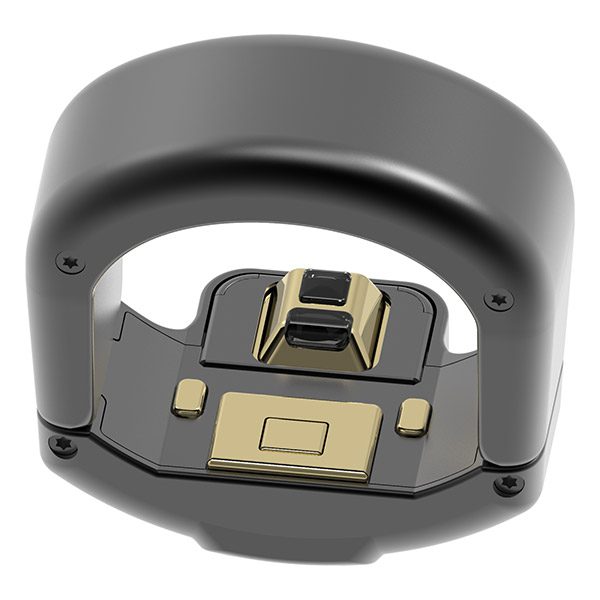
Bodimetrics Circul+ Ring: Continuous Overnight SpO2 Monitoring in a Smart Ring
A smart ring designed for continuous overnight blood oxygen monitoring, targeting the sleep apnea screening gap that fingertip oximeters cannot fill. Presented By Our Partners Obstructive sleep apnea affects an…
